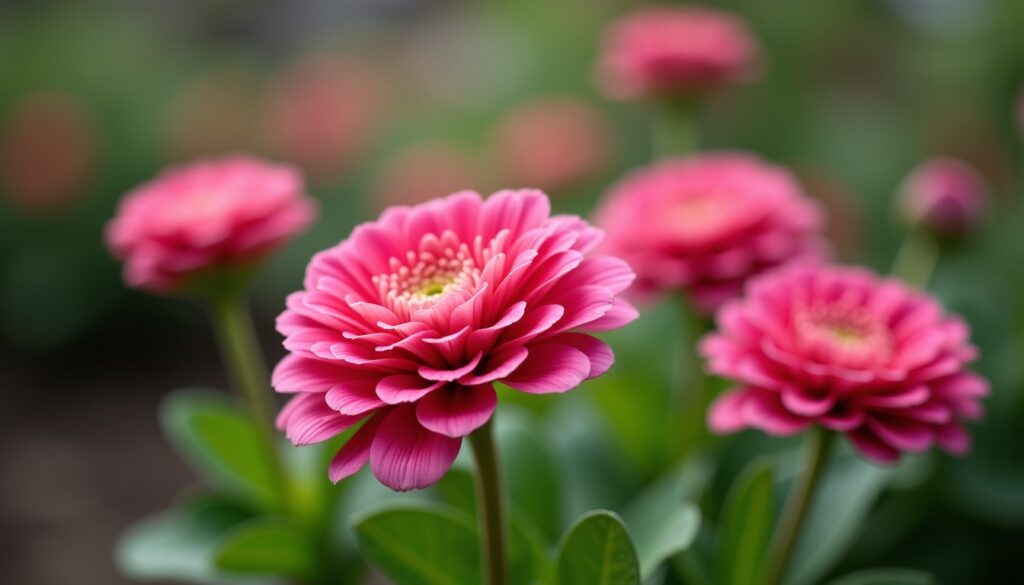
April opens a precious window in the year for gardening enthusiasts keen to combine beauty, ease, and sustainability. At this pivotal time, milder temperatures and warming soil allow spring plants to flourish fully. For those dreaming of a radiant garden where color, vibrancy, and diversity reign uninterrupted from spring to autumn, choosing the right flowers to plant in April is the key to success. Three species stand out in 2026 as essentials: the California poppy, nasturtium, and cosmos. Each offers specific advantages, from colorful displays to the ability to self-seed naturally, providing a lively and easy-to-maintain garden that requires minimal effort. This guide explores these sustainable flowers in depth, their cultivation, and essential gardening advice to enjoy long-lasting blooms. The amateur gardener will discover how to meet the challenge of a colorful and sustainable garden while respecting simplicity and robustness.
- 1 Why April is the ideal month to choose durable and easy-to-maintain flowers
- 2 The California poppy: an explosion of colors at the heart of the spring garden
- 3 The nasturtium: easy-to-maintain plant and the gardener’s natural ally
- 4 Cosmos: elegance and lightness for a garden flowering until autumn
- 5 Essential gardening tips to maintain your flowers to plant in April and guarantee a radiant garden
Why April is the ideal month to choose durable and easy-to-maintain flowers
April’s role in the annual garden cycle is not limited to a simple transition from cold to warmth. It is actually a strategic moment where climatic conditions and soil present a perfect balance to ensure successful planting. Late frosts, often feared by gardeners, become less frequent while natural soil moisture persists without being excessive, a key factor in ensuring deep and robust rooting.
This month is therefore the first real appointment with the growing season. It allows for planting hardy and semi-hardy species that adapt perfectly to spring fluctuations. These spring plants, sown at this time, benefit from maximum development time before the arrival of summer heat. This phenomenon creates a long-lasting flowering, often starting as early as June and stretching until the first autumn frosts.
In the 2026 context, where ecological focus guides many horticultural practices, choosing easy-to-maintain flowers that promote biodiversity has become a major criterion. This approach fully aligns with the desire to have a colorful garden while reducing frequent interventions and excessive use of water or pesticides. In short, April permits sowings that represent a long-term investment, both aesthetically and environmentally.
Flowers to plant in April must therefore be carefully selected. They must be able to withstand the still cool morning temperatures while taking advantage of long days to grow vigorously. By favoring species that self-seed spontaneously or that offer generous flowering without constant care, the gardener ensures a lively and animated space for several months. This gentle yet effective approach invites patience and observation while guaranteeing a dazzling floral display.
The California poppy: an explosion of colors at the heart of the spring garden
Among the most emblematic flowers to plant in April, the California poppy occupies a place of choice. Originating from the west coast of the United States, this hardy annual naturally fits into sustainable gardens thanks to its ability to self-seed. This trait allows for a colorful garden each year without the need to replant systematically.
The California poppy captivates with its range of sunny shades, from bright yellow to blazing orange, with also hues of red and pink that bring brightness and warmth. These cup-shaped flowers offer a delicate but memorable spectacle that captures light and attracts the eye at every ray.
Getting into the cultivation of the California poppy reveals the simplicity of its success. To achieve an optimal result, it is vital to sow the seeds directly in the ground from April, avoiding transplanting which can compromise their development. The poppy prefers poor, well-drained soils, which may be surprising since gardeners are accustomed to generously nourishing their plants. Here, soil that is too rich encourages foliage at the expense of flowers.
- Location: full sun to sunny
- Sowing: broadcast, seeds barely covered
- Watering: regular but not excessive
- Maintenance: low demand, drought resistant once established
The poppy blooms from June and its flowering can last 4 to 5 months, offering a continuous show until autumn. It is particularly valued for its robustness and its capacity to integrate into varied compositions, with other perennials or annuals. Its presence in the garden also promotes ecological balance, naturally welcoming pollinators and useful insects.
The nasturtium: easy-to-maintain plant and the gardener’s natural ally
The nasturtium is one of the spring plants to prioritize for a radiant and trouble-free garden. This flower stands out not only for its warm colors — shades of orange, red, and yellow — but also for its multiple useful facets. Not only does it beautify spaces, but it also plays a natural protective role in the vegetable garden.
Its simple cultivation makes it a plant accessible to all, including beginner gardeners or families wishing to introduce their children to gardening through an easy and quick sowing. Nasturtium tolerates light soils well and prefers a sunny to partly shaded location, making it suitable for many garden types. It prefers poor soils, which encourages abundant flowering rather than excessive foliage growth.
Thanks to its scent and texture, nasturtium naturally repels certain pests, such as aphids, thus reducing the need for chemical treatments. At the same time, it attracts bees and other pollinators, stimulating biodiversity at the heart of the garden. This natural balance benefits all surrounding crops, an essential aspect in the current ecological approach.
Besides its aesthetic and ecological qualities, nasturtium is also edible. Its flowers, with a slightly spicy taste, can brighten up salads, while its seeds, harvested green and preserved in vinegar, can replace capers with originality in cooking.
| Characteristic | Detail |
|---|---|
| Sowing depth | about 1 cm |
| Recommended spacing | 25 to 30 cm (bushy varieties) |
| Flowering duration | 3 to 4 months (from June to September) |
| Preferred soil type | light and poor |
| Resistance | drought tolerant |
Nasturtium, in addition to opening the garden to generous flowering, allows for reasoned management aligned with the goals of a sustainable garden. Its simple cultivation and multiple virtues make it a plant easy to maintain, while effectively decorating flower beds as well as vegetable gardens.
Cosmos: elegance and lightness for a garden flowering until autumn
Finally, the cosmos perfectly completes this trio of flowers to plant in April for a sustainable garden rich in varied colors. Known for its lightness and its dance in the wind, this flower with star-shaped petals charms by its airy appearance and generous flowering, often lasting until frost, which offers a major interest for the visual and ecological continuity of the garden.
Cosmos grows best in full sun on well-drained soils. It tolerates poor soils fairly well, which favors flowering. Sowing is simple and direct, the seeds being small and easy to handle. After germination, thinning is necessary to guarantee good spacing and allow plants to develop secondary branches, thus maximizing the number of flowers.
- Exposure: full sun
- Sowing: surface or lightly covered
- Spacing: about 40 cm after thinning
- Flowering: July until the first frost
- Attraction for pollinators: bees and butterflies
Cosmos is known for its impeccable naturalness that enriches any aesthetic or natural garden while supporting animal life. Its maintenance is basic: moderate watering and thinning are enough to ensure impeccable health. It is an ideal flower for those who want a colorful, durable, and lively space without spending hours gardening.
Essential gardening tips to maintain your flowers to plant in April and guarantee a radiant garden
Planting the California poppy, nasturtium, and cosmos in April is an excellent foundation, but to fully enjoy their potential, some essential maintenance actions are indispensable. They will ensure a long-lasting flowering and a colorful garden that remains splendid for several months.
First of all, watering must be adapted: regular to keep the soil slightly moist, without excess to avoid any risk of root rot. Then, targeted weeding around young plants ensures less competition, giving flowers a better chance to thrive.
Mulching is also a valuable asset for retaining soil moisture, reducing weed growth, and protecting roots from possible thermal fluctuations still possible early in the season. Finally, regular removal of faded flowers stimulates the plant to produce new flowers, thus extending the floral brilliance period.
Certain common mistakes must be avoided: sowing too deeply, watering in full sun, or neglecting thinning can seriously compromise growth and flowering.
| Common mistake | Consequence |
|---|---|
| Sowing too deep | Delayed germination or failure to emerge |
| Watering in full sun | Burning of young leaves, promotes fungal diseases |
| Omitting thinning | Competing plants, poor flowering |
| Neglecting weeding | Competition for nutrients and water |
Weekly monitoring of young shoots allows anticipating problems and adopting simple solutions. The success of a radiant garden over several months therefore depends as much on the choice of flowers as on the regular care provided. By cultivating these durable flowers in April, you are betting on a lively and balanced garden that offers conviviality, color, and biodiversity without excessive effort.