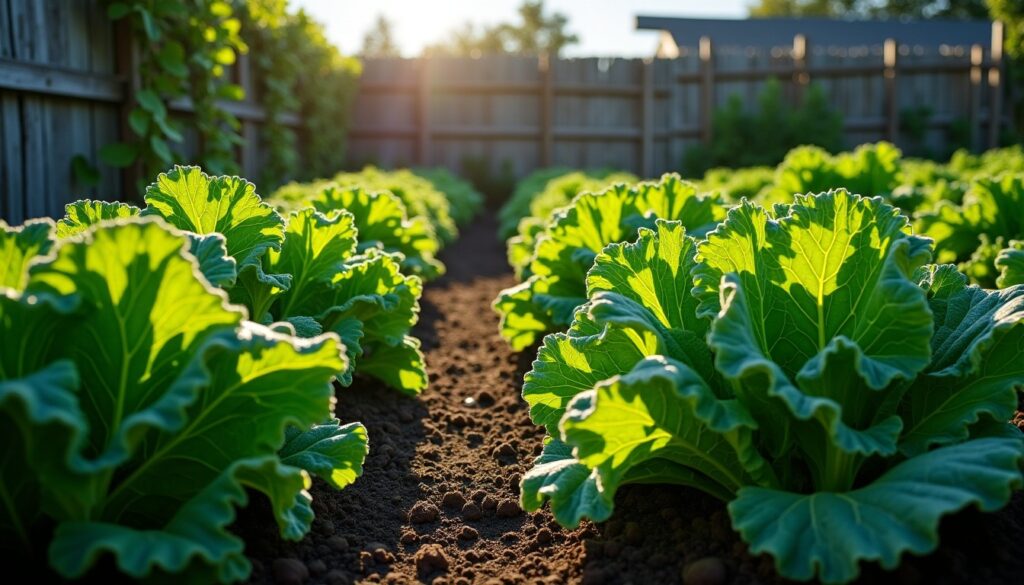
In 2026, faced with the rising concerns related to health and the environment, more and more amateur and passionate gardeners are turning to the cultivation of leafy vegetables in their gardens. These plants, often discreetly nestled within the colorful symphonies of gardens, are nonetheless packed with exceptional nutritional qualities. This choice goes far beyond the simple pleasure of gardening: it represents a concrete commitment to healthy meals, rich in vitamins, and a living diet within reach. Growing your own leafy vegetables guarantees unparalleled freshness and complete control over what you consume, a valuable advantage in a world where food quality is becoming a priority.
The diversity of leafy vegetables offers a wide range of tastes, capable of satisfying all culinary desires, from light salads to stewed dishes. From mild and nourishing spinach to robust curly kale, passing through peppery arugula, these vegetables appeal both for their health benefits and their ease of cultivation. By exploring the seven must-grow varieties in your garden, you will discover how each one brings its unique touch, nourishing the body with essential vitamins like A, C, K and a multitude of indispensable minerals.
These leafy vegetables do not require large growing spaces: they thrive just as well in a garden bed as in a balcony planter. Their rapid growth allows for regular tasting of freshly picked leaves, making each meal tastier and healthier. Whether it is spinach, Swiss chard or lamb’s lettuce, these are green promises to sow to naturally and deliciously enrich your plates.
- 1 The importance of growing vitamin-rich leafy vegetables in the garden
- 2 Spinach: an essential leafy vegetable to boost your meals with vitamins
- 3 Varied lettuces and lamb’s lettuce: freshness and flavor for vitamin-rich salads
- 4 Curly kale: a super leafy vegetable for nutrient-rich meals
- 5 Swiss chard, arugula, watercress and the diversity of leafy vegetables to grow for vitality-packed meals
The importance of growing vitamin-rich leafy vegetables in the garden
Leafy vegetables hold a central place in human nutrition thanks to their richness in vitamins and minerals, essential for the proper functioning of the body. These plants concentrate a large part of the nutrients in their leaves, making them valuable allies for health. By growing them yourself, you not only control quality but also freshness, a key factor in preserving sensitive vitamins such as vitamin C and folates.
Among the most present vitamins in these vegetables are vitamin A, essential for eye health and immune function. Vitamin K, often overlooked, plays a crucial role in blood clotting and bone health. Finally, B-group vitamins, notably folates, participate in cell formation and maintenance of daily energy.
This nutritional importance is also expressed through their antioxidant properties, combating oxidative stress and helping prevent several chronic diseases. Thanks to their local cultivation in your garden, the preservation of their nutritional qualities is maximal, which is rarely the case for vegetables bought in supermarkets, often stored and transported over long distances.
Leafy vegetables also have ecological advantages: their cultivation generally requires fewer chemical inputs and can be easily integrated into sustainable gardening practices, promoting biodiversity. Moreover, they grow in short cycles, often less than six weeks for some varieties, allowing successive harvests throughout the season. This rapid growth encourages a diverse and continuous diet, offering the possibility to vary pleasures in salads and dishes.
Here are some major reasons to favor leafy vegetables in your garden:
- Rich in vitamins A, C, and K, essential for health and well-being.
- Rapid growth, allowing frequent and regular harvests.
- Adapted to small spaces and easy to grow even in planters.
- Optimal preservation of nutritional qualities thanks to fresh picking.
- Low production cost compared to store-bought.
- Promote biodiversity and contribute to ecological gardening.
Spinach: an essential leafy vegetable to boost your meals with vitamins
Among leafy vegetables, spinach is widely recognized for its impressive nutritional profile. Rich in vitamin C, vitamin K and folates, it makes a significant contribution within a balanced diet. For 100 grams of raw spinach, there are about 28 mg of vitamin C, 483 µg of vitamin K, and 194 µg of folates, making it a valuable micronutrient source daily.
| Nutrient | Amount per 100 g (raw) | Main Benefits |
|---|---|---|
| Vitamin K | 483 µg | Blood clotting, bone health |
| Vitamin C | 28 mg | Boosts immunity, antioxidant |
| Folates | 194 µg | Cell formation and energy |
| Iron | 2.7 mg | Red blood cell formation |
In practice, spinach is demanding but very rewarding. They thrive preferably at temperatures between 10 and 18 °C, which makes them suitable for spring and autumn sowing. A soil rich in organic matter, well-drained, guarantees a vigorous and healthy young shoot. Harvesting is done leaf by leaf, a picking method that prolongs the production period and allows you to enjoy their freshness for a long time.
To avoid premature bolting, called “bolture”, it is important to anticipate intense heat periods by choosing resistant varieties adapted to the climate. A diligent gardener will thus be able to savor tender and rich spinach throughout the season. In cooking, they are extremely versatile: raw in salads, lightly sautéed in olive oil to preserve their vitamins, or incorporated into omelets and smoothies, they enrich meals with a welcome green touch.
Varied lettuces and lamb’s lettuce: freshness and flavor for vitamin-rich salads
Lettuce is a staple in the world of leafy vegetables, offering an impressive variety capable of delighting all taste buds. Whether it is crunchy Batavia, romaine with elongated leaves, delicate oak leaf or classic butterhead lettuce, there is something for every taste and culinary use.
Lamb’s lettuce, less known but equally precious, also joins this panel. Its mild flavor and melting texture make it an interesting alternative to enliven salads. Moreover, it is rich in vitamin A, vitamin C, and vitamin B9 (folates), thus strengthening the overall nutritional profile of your meals.
On the nutritional level, lettuce is often underestimated. Its vitamin A, important for vision, and its vitamin K support blood circulation and bone health. With a water content of about 95%, it contributes to good hydration, particularly appreciated during hot seasons. Its richness in fibers also improves intestinal transit, a significant benefit.
These leafy vegetables adapt well to all growing conditions, even in a planter on an urban balcony. They appreciate light and well-drained soils as well as regular watering. Harvesting can be staggered depending on the varieties and methods – whole head or leaf by leaf – according to the preferred mode of consumption.
- Batavia: crunchy and heat-resistant, ideal during summer.
- Romaine: perfect for Caesar salads, wide and firm leaves.
- Oak leaf: soft texture to be harvested progressively.
- Butterhead lettuce: easy to grow, very appreciated by beginners.
- Lamb’s lettuce: grows well in cool conditions, ideal for winter salads.
Combined with spinach and other leafy vegetables, lettuce and lamb’s lettuce enrich salads while providing essential vitamins.
Curly kale: a super leafy vegetable for nutrient-rich meals
Curly kale, often called kale in gastronomic and dietary circles, has become one of the most appreciated leafy vegetables in contemporary gardens. Its popularity is explained by its incredible nutritional density: it is among the richest sources of vitamin K with more than 700 µg per 100 grams raw.
Moreover, curly kale is a natural source of glucosinolates, sulfur-rich compounds that attract researchers’ attention for their potential protective properties against certain cancers and inflammations. Versatile, it easily fits into numerous varied recipes: in salad, after massaging the leaves to soften them, sautéed in a pan or even as crispy chips after oven baking.
Its cultivation does not require particular conditions: it is a rustic plant that tolerates frost well, allowing harvests throughout winter. Fertile, deep, and nitrogen-rich soil is however recommended to maximize leaf development. Kale can thus become a first-rate nutritional asset even in regions with mild winters.
Including curly kale in your healthy meals means benefiting from an exceptional vitamin intake while securing a sustainable and climate-adapted cultivation suited to the diversity encountered in our modern gardens.
Swiss chard, arugula, watercress and the diversity of leafy vegetables to grow for vitality-packed meals
Beyond the essential spinach, lettuces, and curly kale, other leafy vegetables add a touch of color and plenty of vitamins to your garden. Swiss chard, with its red, yellow, or white stems, first attracts the eye but also offers a nutritional profile rich in vitamin K, magnesium and beta-carotene, this precursor of vitamin A essential for eye health.
Swiss chard cultivation is accessible: it tolerates heat well as well as moderate cold, allowing a harvest spread over several months. By cutting the outer leaves, the growth of new central leaves is stimulated, making this plant a true long-term investment in the garden.
Two leafy vegetables with a more pronounced taste also stand out: arugula and watercress. Arugula is characterized by its spicy and peppery taste, resulting from the presence of glucosinolates and sulfurous essential oils. It is rich in vitamin C, calcium, and folates, and its extremely fast cultivation allows a harvest as early as 30 to 40 days after sowing. It can even reseed almost spontaneously, making it an autonomous and generous plant in a garden.
Watercress is known for its exceptional richness in antioxidants, notably isothiocyanates, recognized for their anti-inflammatory properties. Its vitamin C content is higher than many citrus fruits, weight for weight. This plant likes moist soils or hydroponic cultivation, adapting perfectly to spaces near a water point in a garden.
Some practical tips:
- Swiss chard: regular cutting of outer leaves to multiply harvests.
- Arugula: sow every 3 weeks to ensure continuous production.
- Watercress: requires consistently moist soil or pond cultivation to optimize growth.
- To preserve their antioxidants, consume these vegetables fresh and preferably raw.
- Composing a salad combining arugula and watercress multiplies health benefits.
These colorful and vitality-packed leafy vegetables thus perfectly complement the other garden varieties to offer tasty, varied meals that are particularly rich in vitamins and minerals. Integrating this plant diversity into your garden is an invitation to renew your approach to healthy and nature-filled cooking every day.