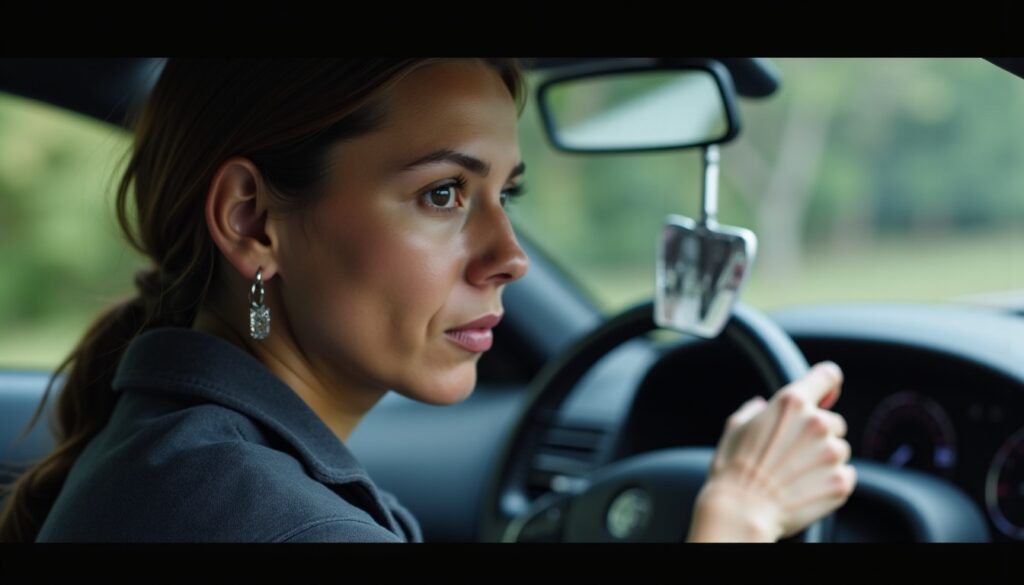
In a world where vehicles are becoming increasingly intelligent entities, the car has ceased to be a simple means of transport. It is now a hyperconnected space, equipped with sophisticated technologies capable of analyzing, recording, and sometimes even listening to everything that happens inside. This technological shift particularly raises questions about privacy. Around the world, including in Australia where authorities have just issued an official alert, experts warn about the risks posed by conversations in these connected environments. Far from being a mere technological whim, onboard surveillance raises serious security and ethical issues. Behind every trip, an impressive amount of data – movements, behaviors, habits, but also whispered conversations – can be collected, absorbed, and analyzed. This data does not remain confined to the vehicle’s borders; it travels to remote servers, feeding systems that can enrich the personal profiles of drivers and passengers.
In 2026, this phenomenon of massive data collection is only intensifying. Cars, far from being simple machines, have become rolling computers. Through permanent internet connections and multiple sensors, they virtually spy on everything you do, from speed to route, including conversations you believe are private. Every voice interaction, every moment of dialogue, every sensitive discussion can now be digitized and archived. Their repercussions are not just a matter of comfort or service improvement: they affect the very heart of individual and collective security. This article reveals the mechanisms of this technological surveillance, the issues related to the recorded data, as well as expert advice to protect one’s privacy while driving.
- 1 Car and Surveillance: When Conversations Become Sensitive Data
- 2 Embedded Technologies and the Role of Sensors in Recording Conversations in Cars
- 3 How Manufacturers and Third Parties Use Data from Connected Cars
- 4 Practical Measures to Limit Data Collection and Protect Privacy in the Car
- 5 The Risks of Digital Espionage and the Responsibility of Drivers and Legislators
Car and Surveillance: When Conversations Become Sensitive Data
In recent years, the car has radically changed in nature. It is no longer just a means of moving around, but a true concentrate of connected technologies. Modern onboard systems integrate microphones and sensors capable of capturing not only external noises but especially conversations inside the cabin. These elements, often presented as driving aids or voice assistants improving comfort, are in reality potential recording sources.
Lisa Alonso Love, Deputy Director General of ASIO (the Australian intelligence service), recently stated that connected cars represent an emerging threat to privacy. She recommended that senior officials avoid having sensitive conversations when they are inside a vehicle. This advice, which may seem trivial, actually highlights an important awareness: the car, a place traditionally considered private, no longer escapes permanent surveillance.
Indeed, onboard systems do not just compile data on navigation or vehicle performance. Thanks to the internet connection and integration with smartphones, they can access contacts, calendars, and even applications used on the phone. This information then outlines an increasingly detailed profile of the driver and passengers.
A concrete example: a professional executive on a business trip may see their schedule, appointments, and conversations recorded without their knowledge, and this data may be shared with third-party partners, according to manufacturers’ privacy policies. Thus, a simple conversation in the car about strategic elements can unintentionally feed marketing databases or, more problematically, be exploitable for state or commercial surveillance purposes.
The volume of information collected is chilling: speed, braking, routes, trip duration, but also the driver’s mood if the car detects signs of stress in the voice. This sophisticated profiling is made possible by the convergence of several technologies, combining voice recognition, behavioral analysis, and geographic tracking.
Embedded Technologies and the Role of Sensors in Recording Conversations in Cars
A modern car is above all a concentration of sensors and embedded electronics. Under the hood, but also inside the cabin, these sensors play a key role in the continuous collection of information. Accelerometers, gyroscopes, pressure detectors, cameras, and microphones work together to offer an ever smarter and safer driving experience. But this sophistication also results in massive and almost permanent collection of personal information.
These sensors provide precise and varied measurements, including:
- Mechanical parameters: speed, engine speed, braking, steering wheel position.
- Environmental data: brightness, external and internal temperature, road conditions.
- Behavioral information: driving habits, reactions to critical situations, alertness detected by camera.
- Sound flows: voices, conversations, ambient noises interpreted by voice assistance systems.
Voice recording is often justified as a tool facilitating navigation or hands-free use of features. However, in 2026, it is clear that vocal data often exceeds this simple function. Advanced voice analysis technologies can detect tone, emotion, or particular expressions that provide information on the driver’s psychological state.
Beyond comfort, these capabilities create a real problem of security and privacy. A study conducted by the Mozilla foundation demonstrated that these captured voices can be transmitted to external servers where they are stored for analyses, often without informed user consent. This reality raises important questions about the limits of consent and transparency.
Moreover, the connection of cars with smartphones adds an additional dimension to this phenomenon. Onboard systems can automatically synchronize and retrieve information, thus enriching the collected databases. This correlation between driving data and personal data from the phone creates a detailed profile, exploitable both commercially and for security purposes.
Experts also warn about the exposure to espionage risks. Hackers can exploit these connected systems to access sensitive information, ranging from conversations to real-time movements. The consequences can be severe: privacy infringement, fraud, or even risks to personal security.
How Manufacturers and Third Parties Use Data from Connected Cars
Data collection by connected vehicles is often presented as a lever to improve services. Indeed, it enables precise remote diagnostics, optimized updates, and improvements in road safety. However, for drivers, the downside lies in the intrusive and sometimes opaque nature of this collection.
Here are several uses manufacturers and various partners make of the collected data:
- Behavioral analysis: Identify habits and behaviors to personalize the driving experience.
- Predictive maintenance: Anticipate breakdowns or anomalies for better vehicle management.
- Targeted marketing: Adapt promotions and services to users’ habits and preferences.
- Third-party sharing: Exchange certain data with external providers or insurers to assess risks.
- Research and innovation: Use data to develop more effective or autonomous assistance technologies.
These applications raise a crucial question: to what extent are users aware of this exploitation? Privacy policies, often long and complex, are rarely read in detail. Yet, they frequently state that information can be transmitted to external entities, sometimes even sold for commercial purposes. The legal ambiguity persists and does not guarantee sufficient protection of personal data.
| Type of Data Collected | Main Use | Potential Risk |
|---|---|---|
| Routes and Geolocation | Navigation personalization, fleet tracking | Privacy breaches, unwanted tracking |
| Driving behavior | Safety improvement, service adaptation | Erroneous judgment, discriminatory pricing by insurance |
| Voice recordings and conversations | Voice commands, user assistance | Non-consensual listening, espionage |
| Connected smartphone data | Integrated services, notifications | Excessive collection, detailed profiling |
Practical Measures to Limit Data Collection and Protect Privacy in the Car
Faced with this alarming situation, there are nevertheless measures to reduce the extent of surveillance. These precautions often require particular attention to vehicle settings and how connected systems are configured. Experts especially recommend:
- Carefully reading privacy clauses before purchasing the vehicle to understand what data is collected and for what purposes.
- Disabling unnecessary functions in the multimedia system menus, such as voice tracking or certain online services.
- Limiting the connection between smartphone and car by avoiding granting full access to personal information on the phone.
- Using “offline” or “private” modes when possible to reduce real-time data transmissions.
- Performing a full reset of the system before selling or transferring the vehicle to erase all personal traces.
For illustration, several drivers reported that after setting up their onboard system themselves and limiting access to smartphone data, they noticed a significant decrease in advertising solicitations and a regain of privacy during their trips.
Adopting these good practices does not guarantee total immunity but represents an essential first step to regain control. Moreover, vigilance is required, particularly during automatic software updates, which can change settings without explicitly informing the user.
The Risks of Digital Espionage and the Responsibility of Drivers and Legislators
With the increasing sophistication of smart vehicles, the risks of espionage are rising. Cybersecurity specialists regularly warn about the vulnerability of onboard systems to intrusions. These attacks can have serious consequences, such as theft of confidential data, real-time tracking, or even remote manipulation of vehicle settings.
For drivers, responsibility is also growing. It is crucial to understand that every word spoken in the car can potentially be recorded and analyzed. Consequently, it is recommended to be cautious and limit sensitive conversations to contexts where confidentiality can be ensured otherwise.
On the legal side, many jurisdictions are working to regulate these practices. In 2026, dialogue continues between manufacturers, legislators, and data protection experts to define a framework respectful of privacy. However, the speed of technological innovation makes this task complex and demands constant vigilance regarding new uses.
In Australia, for example, the official recommendation from ASIO reflects an awareness that should be shared beyond national borders. A large number of users still do not realize that their car can listen to and monitor their conversations.