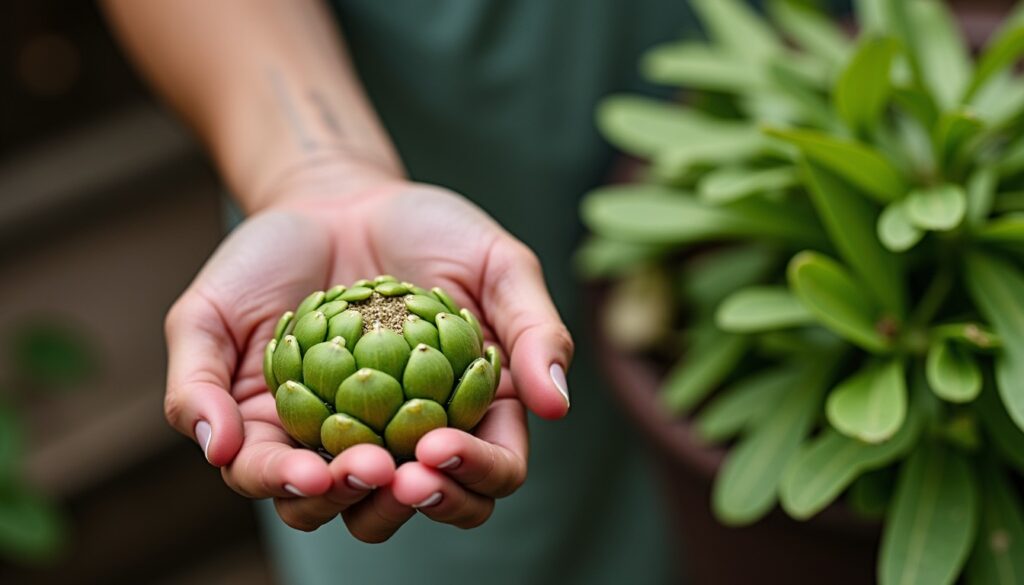
Long relegated to the status of a simple festive accompaniment or a curiosity dish, the artichoke today asserts itself as a true hero for health, especially after 60 years of age. This vegetable, with its rustic appearance, hides nutritional and medicinal treasures that have convinced experts in nutrition and geriatrics. In 2026, as the population ages and health prevention takes a prominent place, incorporating artichoke into regular diet becomes a simple gesture with powerful effects. It not only helps improve digestion but also reduces cholesterol levels, protects the cardiovascular system, and supports cognitive functions. In short, artichoke establishes itself as an essential ally for optimal health in seniors. Far from common misconceptions, it now deserves to be honored on the plate through wise choices of preparation and cooking methods, helping to preserve all its virtues.
- 1 The nutritional virtues of artichoke for optimal health after 60 years
- 2 Artichoke, an unwavering ally for seniors’ digestion
- 3 Artichoke and cholesterol: a natural shield for the heart
- 4 Artichoke and prevention of cognitive decline after 60 years: a vegetable for the brain
- 5 Practical tips for integrating artichoke into the daily diet after 60 years
The nutritional virtues of artichoke for optimal health after 60 years
Artichoke is recognized for its exceptional composition that combines low caloric intake with richness in essential nutrients. For 100 grams of cooked artichoke heart, there are approximately 53 calories, making it a vegetable of choice for maintaining a stable weight after 60 years, a period when metabolism tends to slow down. Its role in senior nutrition is all the more crucial as a balanced diet becomes a fundamental pillar of healthy aging.
This vegetable stands out for its high fiber content, with nearly 5.4 g of fiber per 100 g. These fibers, both soluble and insoluble, not only promote the sensation of fullness, thus helping better appetite control, but also play a major role in regulating intestinal transit. Maintaining good digestion is all the more important after 60 years, as metabolic slowdown can lead to frequent disorders such as constipation.
In addition to fibers, artichoke is a significant source of essential minerals: potassium (370 mg/100 g) actively participates in regulating blood pressure, crucial for preventing cardiovascular diseases in the elderly. Magnesium (60 mg/100 g) supports muscle and nerve function, helping to preserve mobility and responsiveness. The presence of vitamin C (11.7 mg/100 g) strengthens the immune system and combats oxidative stress, while folates (68 µg/100 g), essential for brain integrity, contribute to protecting cognitive functions against aging.
| Nutrient | Amount per 100 g | Main benefits |
|---|---|---|
| Fibers | 5.4 g | Transit regulation and sensation of fullness |
| Potassium | 370 mg | Blood pressure control |
| Magnesium | 60 mg | Muscle and nerve support |
| Vitamin C | 11.7 mg | Immune strengthening, antioxidant |
| Folates (B9) | 68 µg | Maintenance of cognitive functions |
Artichoke also stands out for its richness in polyphenols, notably cynarin and luteolin. These powerful antioxidants help fight oxidative stress, which is the cause of cellular aging. By neutralizing free radicals, they protect the liver, brain, and blood vessels, key elements to preserving optimal health after 60 years. These compounds also contribute to reducing chronic inflammation, an aggravating factor in many age-related pathologies.
Artichoke, an unwavering ally for seniors’ digestion
After 60 years, the digestive system regularly undergoes changes that can cause discomfort and disorders. Artichoke, through its fiber and prebiotic composition, plays an essential role in maintaining healthy intestinal function. Its contribution goes beyond simply stimulating transit, as it also acts on the microbiota balance, crucial for a favorable general health condition.
Indeed, the fibers contained in artichoke are both soluble and insoluble. This means they increase stool volume while helping regulate intestinal flora. Regular consumption of artichoke helps combat constipation, common in seniors, but also prevents unpleasant sensations of bloating and abdominal discomfort.
The key ingredient in this process is inulin, a prebiotic fiber naturally present in large quantities in artichoke. This component nourishes beneficial bacteria such as bifidobacteria, thus promoting their proliferation. The result is noticeable: improved nutrient absorption, strengthened intestinal barrier, and stimulated local immune defense.
- Reduction of chronic bloating
- Significant improvement in calcium and other mineral absorption
- Strengthening of the intestinal immune system
- Decrease in constipation episodes thanks to regulated transit
These actions demonstrate that artichoke is not limited to a simple laxative effect but contributes to balanced and dynamic digestion, a sine qua non condition for seniors to maintain daily energy and well-being. In practice, favoring gentle cooking methods, such as steaming or simmering water, helps preserve these fibers and their beneficial effects.
Artichoke and cholesterol: a natural shield for the heart
LDL cholesterol, known as “bad,” worsens the risk of cardiovascular diseases, a major health issue for people over 60. Artichoke contains specific compounds, notably cynarin, which act directly on cholesterol regulation in the body, offering a valuable natural alternative.
Cynarin actively stimulates bile production by the liver, facilitating the elimination of LDL cholesterol. Several recent clinical studies have highlighted that regular consumption of artichoke extract helps reduce this dangerous cholesterol level significantly, between 18 and 23%. This decrease helps prevent the formation of atheroma plaques, responsible for the progressive obstruction of arteries.
In addition to limiting bad cholesterol, artichoke acts on hepatic cholesterol synthesis, slowing its production, and a slight increase in HDL cholesterol, often called “good cholesterol”, has been observed, which effectively protects blood vessels. This triple mechanism works in a natural balance without causing notable side effects, making it a supplement of choice for seniors who wish to avoid heavy medication.
Here is a summary of the benefits of artichoke on the lipid profile:
| Effect | Description |
|---|---|
| Stimulation of bile production | Promotes the elimination of LDL cholesterol |
| Reduction of hepatic synthesis | Decrease in cholesterol production in the liver |
| Increase in HDL cholesterol | Improvement of vascular protective function |
This key role in cardiovascular prevention is all the more valuable as the incidence of heart diseases increases with age. The artichoke, a simple vegetable, thus proves to be a central player in the quest for optimal health after 60 years.
Artichoke and prevention of cognitive decline after 60 years: a vegetable for the brain
The fight against brain aging is a major challenge concerning most seniors. Artichoke, rich in folates and neuroprotective antioxidants, acts as a natural barrier to preserve memory and cognitive functions. In 2026, the importance of protective nutrition for the brain is more recognized than ever, and artichoke is one of the essentials.
Folates play a crucial role in the metabolism of homocysteine, an amino acid whose excess contributes to accelerated neuronal aging and increased risk of neurodegenerative diseases such as Alzheimer’s. Regular consumption of artichoke helps maintain good folate levels, thus helping to regulate these harmful levels.
Moreover, specific polyphenols contained in artichoke, including luteolin, cross the blood-brain barrier and act directly on neurons. They reduce cerebral oxidative stress, limit neuroinflammation, and support synaptic plasticity, essential processes for maintaining intact mental agility over time.
These benefits are confirmed by several recent studies that support the idea that regular integration of artichoke into the diet helps improve alertness, memory, and slow down age-related cognitive decline. In this respect, it joins other foods recognized for their favorable action on the brain and deserves to be placed at the heart of seniors’ menus concerned with their mental health.
Practical tips for integrating artichoke into the daily diet after 60 years
Adopting artichoke regularly in the diet does not require advanced culinary skills. This versatile vegetable lends itself to many preparations that not only vary pleasures but also allow to fully benefit from its nutritional qualities. To preserve fibers, vitamins, and antioxidants, it is advisable to favor gentle cooking methods such as steaming or cooking in mild water.
Here are some tips for easily integrating artichoke:
- Consume fresh artichokes: steam and accompany with a drizzle of olive oil for a healthy and tasty recipe.
- Use canned or frozen artichoke hearts: very practical and available all year round, they allow quick preparation of salads, sautés, or gratins.
- Create simple and tasty starters, for example, a salad of artichoke hearts with cherry tomatoes and feta pieces.
- Prepare an artichoke velouté enhanced with fresh lemon or a gratin with fresh goat cheese, perfect for cooler evenings.
- To target cholesterol reduction, consider taking standardized extracts as dietary supplements, always under medical supervision.
It is recommended to aim for a consumption of at least two to three servings per week to fully benefit from the many virtues of artichoke. Such frequency ensures not only a continuous supply of essential nutrients but also encourages a dietary lifestyle favorable to maintaining optimal health after 60 years.