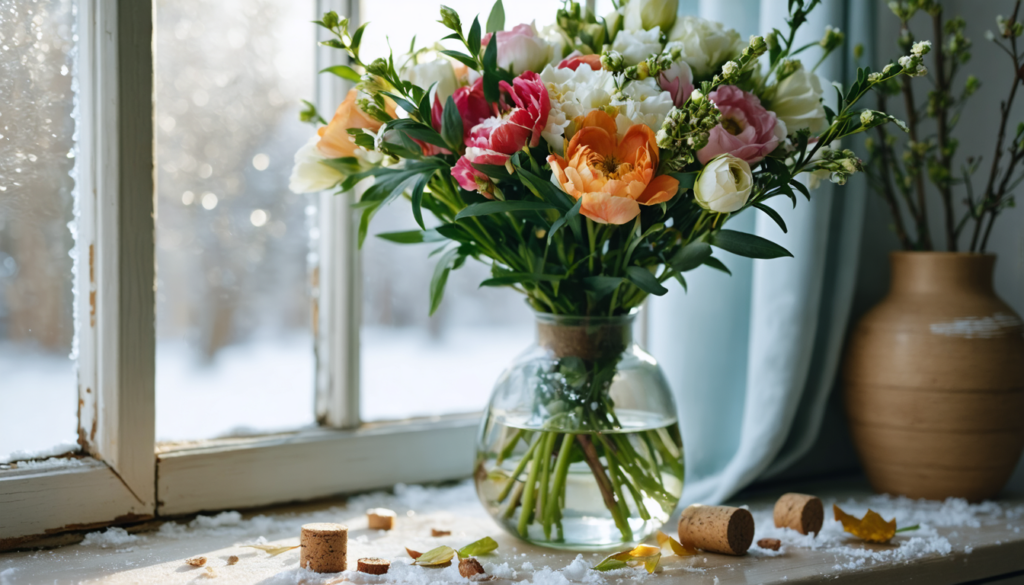
Winter is a challenge for indoor plants, whose vitality is severely tested by the cold, reduced light, and dry air. Faced with this observation, many amateur and professional gardeners seek reliable solutions to prevent yellowing leaves. Yet a simple and natural secret, often unknown, seems to be emerging strongly: the cork stopper. This tip, inherited from seasoned florists, transforms the way we care for our plants during the harshest months. By combining tradition and effectiveness, it establishes itself as an accessible and plant-friendly method while avoiding chemical products. Explore with us the reasons and benefits of this winter gesture that restores life and freshness to cut flowers as well as potted plants.
Cork, a natural material par excellence, reveals its unsuspected properties for protecting flowers against winter climate stress. By ensuring a natural regulation of moisture and acting on the substrate’s balance, it offers a durable solution that appeals to professionals and enthusiasts alike. Especially at a time when environmental preservation is a major issue, this simple and ecological process makes perfect sense. Here you will discover how to integrate this winter secret into your routine, while understanding the mechanisms at work behind this sometimes puzzling phenomenon that is yellowing. Flower protection has never been so natural and authentic.
- 1 The winter secret of the cork stopper: why your flowers yellow and how to naturally remedy it
- 2 The cork stopper in practice: how to integrate this winter tip for effective flower care
- 3 The multiple benefits of cork for flower protection and winter preservation
- 4 Complementary gestures recommended by florists for optimal flower protection in winter
- 5 Feedback: how the cork stopper has transformed flower care for amateurs and professionals
The winter secret of the cork stopper: why your flowers yellow and how to naturally remedy it
Yellowing of leaves in winter is a frequent and disconcerting problem for many of us. Several environmental factors combine to weaken your indoor plants. The lack of light, characteristic of the cold months, reduces photosynthesis, slowing chlorophyll production, which inevitably causes the appearance of yellow leaves. Moreover, domestic heating dries the ambient air, which disrupts the water balance of the plants and promotes stress in the roots and foliage.
Added to this are abrupt temperature variations between day and night that further destabilize the complex physiology of plants. Inappropriate watering, often too frequent due to lack of knowledge, worsens the situation by causing water saturation or poor drainage. This accumulation of stress causes a visible phenomenon: yellowing. Precisely understanding these causes is the first step to grasp how a simple cork stopper can restore harmony.
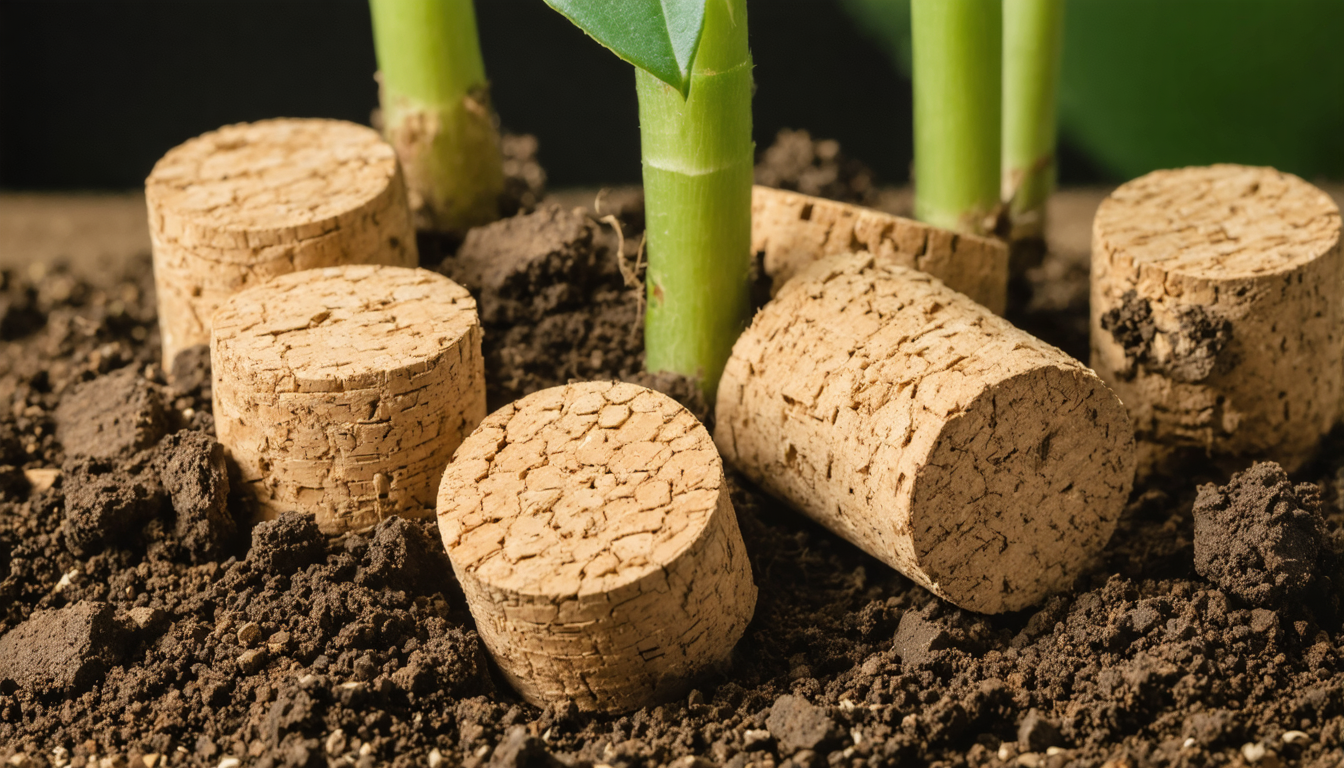
The cork stopper establishes itself as a natural tip to counter this imbalance. Indeed, cork, thanks to its alveolar structure, acts as a moisture regulator within the pot. Placed on the soil surface, or slightly buried, it absorbs excess water that may stagnate, while slowly releasing an optimal humidity level. This process stabilizes the microclimate of the roots, which significantly reduces the risk of fungal diseases responsible for yellowing.
Furthermore, during its slow decomposition, cork releases tannins, natural elements that contribute to moderately acidifying the soil and neutralizing certain toxic substances accumulated during repeated watering. This interaction notably improves the quality of the substrate, providing a healthy environment that boosts the health of cut and potted flowers.
The cork stopper in practice: how to integrate this winter tip for effective flower care
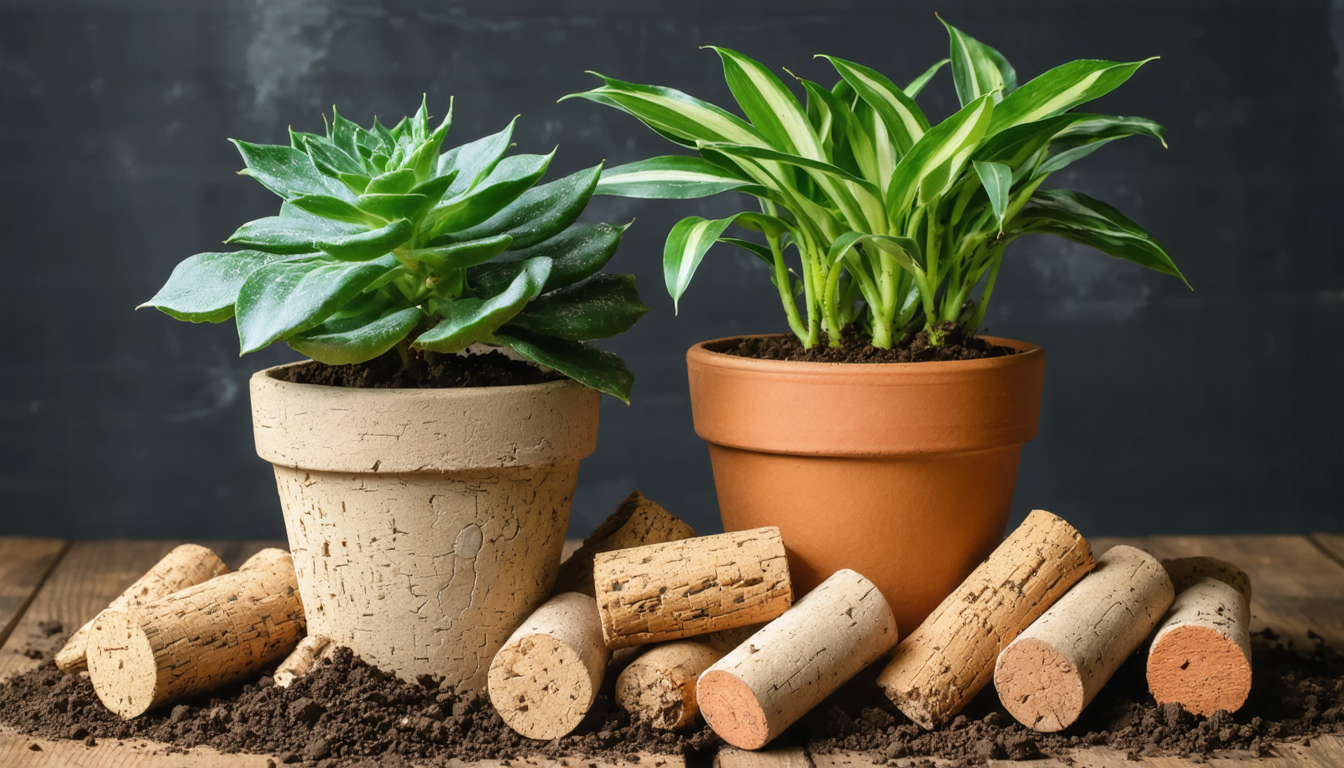
Putting this winter secret into practice is surprisingly simple and accessible to everyone. Just use a natural cork stopper, preferably from wine bottles to ensure authenticity and avoid synthetic materials often chemically treated. After cutting this stopper in half or into thin slices adapted to the pot size, place them on the surface of the soil. It is important not to compact excessively to preserve air circulation and the cork’s effectiveness as a natural regulator.
This operation should be repeated every two to three months, especially during winter when conditions are most critical for flower preservation. The cork stopper then becomes a true long-term ally, supporting the roots despite the cold and limiting microbial attacks. Results become visible within three weeks, which resembles a rebirth for your weakened plants.
It is essential to link this intervention to other good practices: reduce watering by half compared to summer, use water at room temperature to protect the roots from thermal shock, and ensure maximum light exposure by placing pots near windows. Regularly cleaning the foliage optimizes the absorption of diffuse light, a vital factor in winter. These actions, combined with the florist’s secret, establish a virtuous circle that will nourish your plants in depth.
Among the species most receptive to this natural method are pothos, philodendron, orchids, as well as succulents—all very sensitive to excess moisture and soil deterioration. Adapting the use of the cork stopper to these specific needs enhances protection and the vigor of each plant.
The multiple benefits of cork for flower protection and winter preservation
Beyond its role as a water-regulating agent, cork offers various benefits that justify its use praised by professional florists. Its microporous structure ensures better aeration of the substrate, an essential condition for roots to breathe and avoid infections. This process notably reduces the risk of rot, a frequent cause of yellowing in the winter period.
Compared to other costly alternatives such as chemical fertilizers or humidifiers, the cork stopper appears as a particularly economical option. Here is a summary table illustrating this comparison:
| Method | Cost | Effectiveness | Durability |
|---|---|---|---|
| Cork stopper | Free | High | 2-3 months |
| Chemical fertilizer | 10-20 € | Variable | 1 month |
| Special soil | 15-30 € | Good | 6 months |
| Humidifier | 30-100 € | Medium | Several years |
In addition to its effectiveness, the use of cork is part of an ecological approach, as this natural material is biodegradable. Unlike certain chemical treatments, it does not pollute the substrate or groundwater, making it a responsible and sustainable choice. Its slow decomposition also enriches the soil with beneficial organic matter, creating a virtuous circle respectful of domestic biodiversity.
Complementary gestures recommended by florists for optimal flower protection in winter
The cork stopper technique is a powerful lever against yellowing, but it benefits from being supported by some simple habits recommended by experienced florists. Thus, precise management of watering is essential. In winter, plants absorb less water, which requires spacing out watering to avoid saturation. Furthermore, preferring water at room temperature limits the occurrence of physiological imbalances at the root level.
Light also receives particular attention. Due to reduced sunlight, professionals advise placing pots near windows, while avoiding direct contact with cold panes that may cause thermal shocks. They also suggest regularly alternating the position of plants to ensure homogeneous exposure over the entire foliage.
Ambient air humidity plays an often overlooked role, and this is where simple but effective tips come into play: grouping plants together so they create a shared humidity zone, placing saucers filled with water near heat sources, and misting the foliage every morning with non-calcareous water to reproduce a soft and stable atmosphere conducive to development.
These interventions, combined with the cork stopper secret, form a coherent whole allowing enhanced flower protection throughout the cold months. They guarantee a winter where leaf yellowing no longer tarnishes the beauty and health of your plants.
Feedback: how the cork stopper has transformed flower care for amateurs and professionals
Many, like Sophie and Marc, have enthusiastically adopted this winter secret. Sophie testifies: “Since regularly using cork stoppers, I have noticed a significant reduction in yellowing. My plants get through winter with vitality and resume growth as soon as spring returns.” Marc adds: “The gesture is so simple that I easily integrated it into my routines. My orchids, which were fragile in winter, now regain all their brilliance.”
These feedbacks are also confirmed by concrete and quantified observations. Let’s compare the state of plants before and after adopting cork:
| Criterion | Before cork | After cork |
|---|---|---|
| Yellow leaves | 15-20 % | 3-5 % |
| Winter growth | Stagnation | Slight progression |
| Spring recovery | 4-6 weeks | 2-3 weeks |
Plant professionals strongly encourage this practice, while emphasizing the importance of exclusively using untreated natural cork. Combining this tip with adapted care, such as watering adjustment and light management, offers a reliable and accessible recipe to sustainably protect plant vitality in winter.