
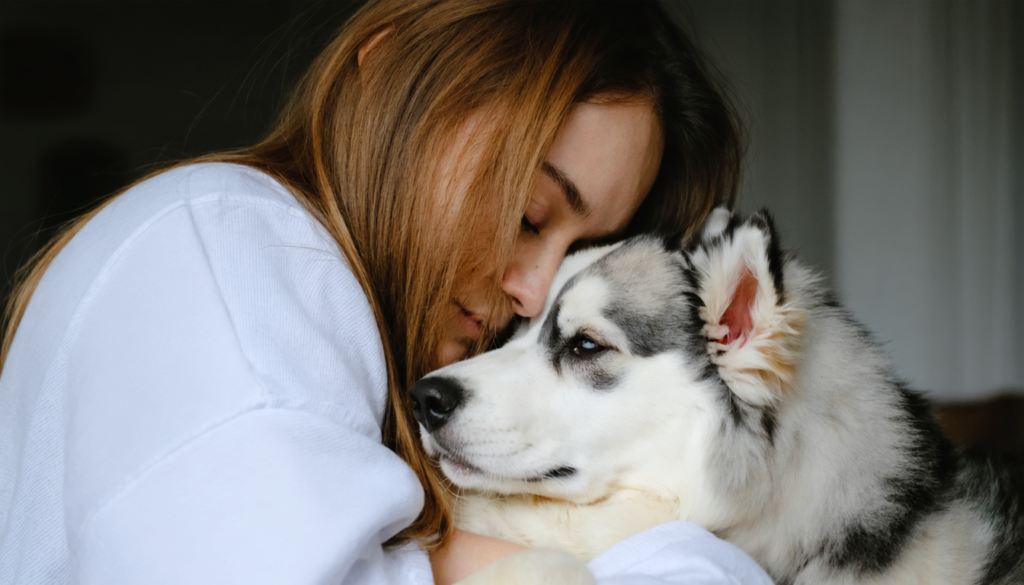
The special relationship between humans and dogs dates back millennia, rooted in a unique bond of affection and loyalty within the animal kingdom. However, some people today show a marked preference for the company of dogs rather than that of human beings, a phenomenon that intrigues researchers in psychology and sociology. This inclination often reflects an intense need for authentic connection, free from the social and emotional complications often associated with relationships with others. In 2026, faced with a society that is increasingly connected yet paradoxically isolating, this trend reveals deep dynamics around attachment, personality, and emotional expectations.
Numerous studies show that this preference is not merely the result of a superficial inclination. It is based on specific psychological mechanisms, a quest for security and emotional simplicity, as well as an aspiration for non-verbal relationships that are more directly accessible. This phenomenon invites understanding of how individual psychology and contemporary social values intertwine to shape these unique affinities. In a world where human interactions grow more complex, dogs appear as relational partners offering a form of unconditional love and authenticity difficult to find elsewhere.
- 1 The psychological foundations of the preference for dogs over human beings
- 2 Contemporary social values and their influence on the preference for dogs
- 3 Emotional communication between dogs and humans: a source of privileged attachment
- 4 The concrete psychological benefits of attachment to a dog rather than to human beings
- 5 Urban solitude and refuge in canine friendship: a growing phenomenon
The psychological foundations of the preference for dogs over human beings
Attachment psychology is a fundamental basis for understanding why some individuals favor canine company rather than that of their peers. The theory, developed by John Bowlby, explains that early emotional bonds durably influence the quality of relationships in adulthood. When these first bonds were marked by difficult or traumatic experiences, trust towards other human beings can be impaired. Conversely, the capacity for attachment remains present and can be expressed through bonds with non-human companions, notably dogs.
Dogs exhibit behavioral characteristics that promote the creation of secure emotional bonds. The unconditional loyalty of these animals is often perceived as constant, unlike human relationships sometimes seen as fluctuating or emotionally complex. The dog makes no moral or social judgment, and its behavior generally remains predictable and reassuring. Its emotional expressions are direct and readable — a wagging tail, a gaze shining with joy, discomfort expressed without ambiguity — which makes interaction easy to decode and comforting.
In social psychology, profiles of individuals preferring dogs share certain traits. Such people often have a rather introverted temperament and heightened sensitivity to emotional stimuli in human interactions. This sensitivity can generate in them an increased need for breaks and spaces of emotional calm, which relationships with dogs can naturally provide. The canine relationship thus offers an ideal balance between the desire for affection and the preservation of a personal psychological space.
| Psychological Trait | Impact on Preference for Dogs |
|---|---|
| Introversion | Seeking less demanding and more predictable interactions |
| High emotional sensitivity | Appreciation of affective simplicity and clear signals |
| Past relational disappointments | Seeking refuge in animal consistency and loyalty |
These individual mechanisms reflect a form of emotional adaptation in response to a social world often perceived as turbulent or even hostile. The canine preference expresses a fundamental need for secure attachment, an aspiration for serenity in emotional relationships. This observation opens the way to another equally fascinating field of study: the influence of social and cultural values on these relational choices.
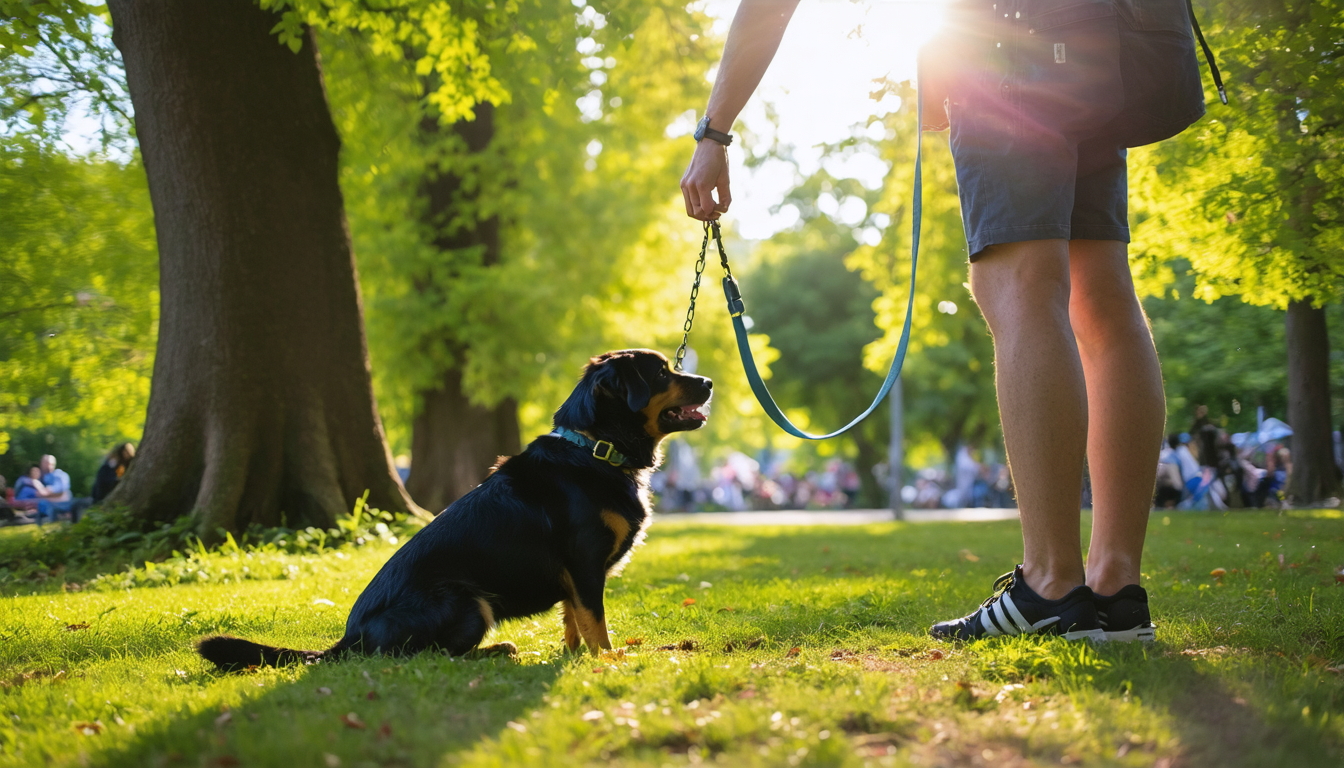
In modern society, relationships between individuals are often tinged with complexity and tensions. Social expectations, implicit codes, as well as the constant pressure related to social and emotional performance create a sometimes burdensome environment. Many people experience a certain disillusionment with these human interactions, perceived as marked by hypocrisy, competitiveness, and artificiality.
This reality leads to rejection or distancing from some human relationships in favor of alternatives perceived as simpler, more authentic. The dog, through its unambiguous behavior, provides a refreshing breath of air. It acts as an antidote to the complexity of social games, as it practices neither manipulation nor lies. This authenticity is often idealized, but it meets a sincere need for honesty and transparency in a fragile social universe.
The social values that accompany this choice are multiple:
- Search for authenticity in relationships
- Need for simplicity in the face of relational complexity
- Rejection of artificial codes and power games
- Desire for a stable presence and unconditional
These elements explain why canine company often takes precedence over human interactions, judged too tiring or emotionally fragile. The dog becomes the preferred companion offering constant loyalty, unconditional love, and unconditional availability.
However, this relationship raises questions about the emotional language specific to dogs compared to that of humans. This different affective communication helps understand how a particular attachment between humans and dogs is formed, often seen as easier to manage than complex human interactions.
Emotional communication between dogs and humans: a source of privileged attachment
The relationship with a dog is largely based on non-verbal communication. Unlike human communication, often laden with implicit messages, ambiguities, or power games, communication with dogs is instinctive and directly accessible.
A dog expresses its emotions without filter: its joy is evident, its fear is read in its posture, its need for comfort is palpable. This emotional clarity allows some individuals, especially those sensitive to the complexities of human relationships, to find in this relationship a form of emotional serenity difficult to obtain elsewhere.
Moreover, recent neuroscience research has demonstrated that human-dog interactions activate brain circuits similar to those involved in positive human relationships. The attachment hormone, oxytocin, associated with trust and closeness, is released during eye contact and physical touch between a dog and its owner. This phenomenon creates a real biochemical bond that nurtures the depth of the relationship and strengthens attachment.
This emotional bond has concrete effects on psychological well-being:
- Stress reduction through decreased cortisol
- Stimulation of serotonin and dopamine, promoting better mood
- Feeling of security linked to the animal’s constant and reliable presence
- Encouragement to live in the present moment thanks to spontaneous interactions
These benefits explain why the preference for dogs goes beyond simple affection for animals. It reflects a fundamental psychological need for secure attachment, based on direct and soothing emotional exchanges.
The concrete psychological benefits of attachment to a dog rather than to human beings
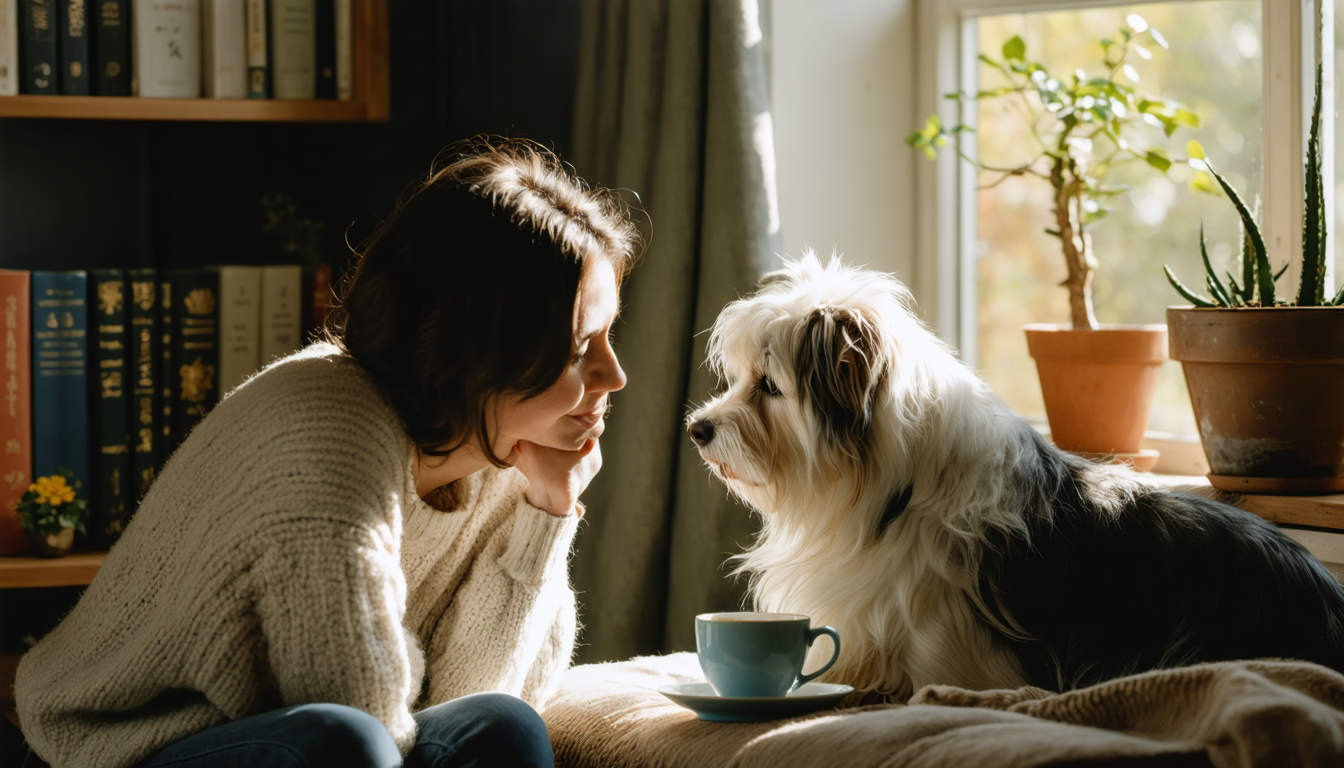
The affective bond with a dog is accompanied by measurable positive effects on the psychological level, illustrating the importance of this type of relationship for personal well-being. The presence of the animal constitutes a constant source of emotional regulation and balance.
For example, simple physical interaction, such as petting a dog, can reduce heart rate and lower cortisol secretion, the stress hormone. These effects contribute to a notable decrease in anxiety and promote a more stable emotional state.
Furthermore, taking care of a dog gives a sense of usefulness, which acts as a boost to self-esteem. For people who have experienced relational or social disappointments, the dog provides affective validation that compensates for narcissistic wounds resulting from rejection or human misunderstanding. This unconditional psychological support is a crucial point in the dynamic of attachment to the animal.
| Psychological Benefit | Underlying Mechanism |
|---|---|
| Anxiety reduction | Release of calming hormones during interaction |
| Mood improvement | Regular and positive affective interactions |
| Feeling of security | Constant, loyal, and predictable presence |
| Self-esteem reinforcement | Valuable responsibility and affective validation |
This psychological dimension explains the strength and depth of the bonds that unite some people to their dogs, sometimes to the detriment of human relationships. Yet the social environment itself influences this behavior, notably through the increasing solitude and isolation in our modern societies.
Urban solitude and refuge in canine friendship: a growing phenomenon
Contemporary urban life, with its fast pace, increased mobility, and multiplication of digital exchanges, has contributed to growing social isolation. Traditional community structures tend to erode, fragmenting support networks and increasing cases of loneliness. In this context, dogs become precious companions facilitating the maintenance of an emotional bond.
Recent data show a significant increase in the number of urban households adopting pets, particularly dogs, correlated with a decline in extended family structures and a rise in households composed of one or two persons. These animals play a major social role by providing a constant presence and offering a soothing routine in a world seen as unstable.
For some, the dog partially replaces human interactions, assuming crucial affective and relational functions. This substitution is doubly ambivalent: it guarantees a form of bond but can also lead to progressive social withdrawal if it replaces human relationships too radically.
This canine connection can paradoxically open up new social spaces. Indeed, dog ownership facilitates, in many cases, indirect interactions between owners, creating new communities around the shared passion. This form of shared socialization allows maintaining a social bond while preserving emotional comfort.
- Increased regular meetings during walks
- Exchange of experiences and advice in dedicated groups
- Mutual support among owners facing challenges related to the animal
- Participation in canine events promoting social inclusion
Thus, it appears that the preference for dogs reveals deep issues around emotional balance, the need for authentic relationships, and adaptation to the constraints of modern life. This privileged relationship deserves to be considered as complementary to the one we have with our peers, rather than as an isolating substitute.




