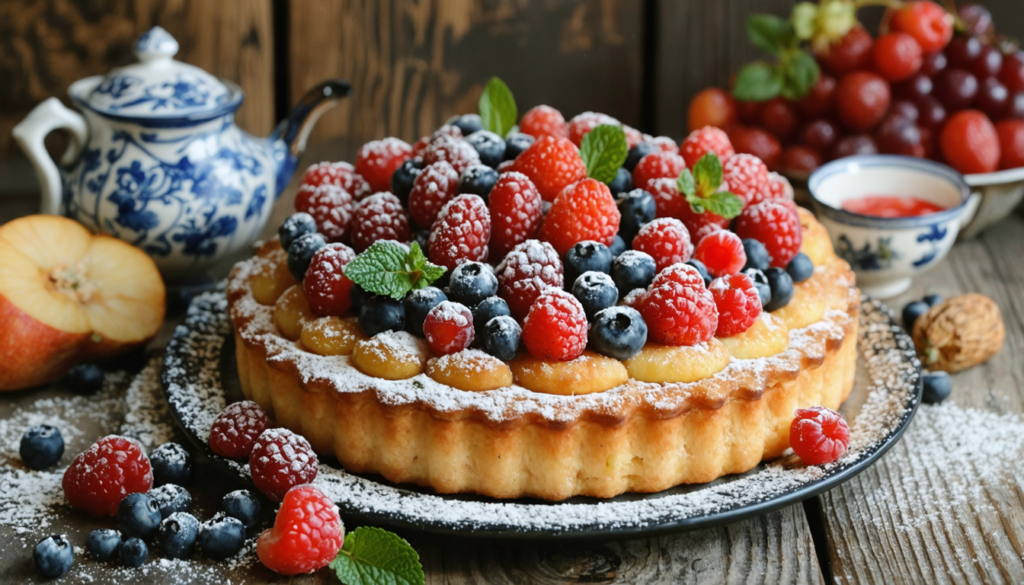
In our modern kitchens where culinary trends constantly evolve, traditional desserts are regaining a place of honor at the heart of the stove. Among these forgotten sweets, the flognarde stands out as a true culinary comeback, a breath of authenticity that awakens the taste buds of homemade dessert enthusiasts. Originating from Limousin, this soft cake made with summer or autumn fruits embodies the simplicity and charm of old-fashioned cooking, contrasting with the often sophisticated pastries on contemporary menus. This traditional dessert, long confined to family memories, is captivating again in 2026 thanks to its perfect balance between rusticity and indulgence.
The flognarde is not just a return to the classic flavors of yesteryear. It also reflects a real desire to reconnect with French recipes rooted in a terroir and history, offering a tasty alternative to conventional desserts. Its revival testifies to a quest for traditional flavors, a renewed respect for local and seasonal ingredients, and a wish for conviviality in moments that are often too hurried.
- 1 The authentic origins of the flognarde, culinary heritage of Limousin
- 2 A flognarde recipe updated for today’s taste by modern chefs
- 3 Key ingredients that make the success of the flognarde: simplicity and taste
- 4 Essential techniques to successfully prepare flognarde at home
- 5 The flognarde versus modern desserts: a return to basics that appeals to today’s gourmands
The authentic origins of the flognarde, culinary heritage of Limousin
The flognarde is closely linked to the Limousin region, a territory in central France known for its down-to-earth gastronomy. Historically, this traditional dessert was born in peasant kitchens, where making use of abundant fruits was a common practice. The earliest accounts mention this sweet prepared during harvest time, especially with black cherries, which grew generously in family orchards.
More than just a recipe, the flognarde represents a strong family bond: each Limousin household jealously guarded its own way of making this traditional dessert. The type of fruit varied according to seasons and pantry availability: cherries, plums, apples, and pears took turns in the spotlight. This flexibility was also found in the batter, whose texture could be more or less liquid, sometimes flavored with vanilla, rum, or local eaux-de-vie. The cooking method also served as an identity mark: wood-fired oven for some, modern oven for others.
This variety of culinary practices essentially illustrates the richness of a living heritage, shaped by daily constraints and the spirit of rustic and economical cooking. The flognarde thus embodies not only a recipe but also a form of know-how, passed down—often orally—from generation to generation. In 2026, this rediscovered gustatory poem stands as a banner of a French tradition in full revival.
A flognarde recipe updated for today’s taste by modern chefs
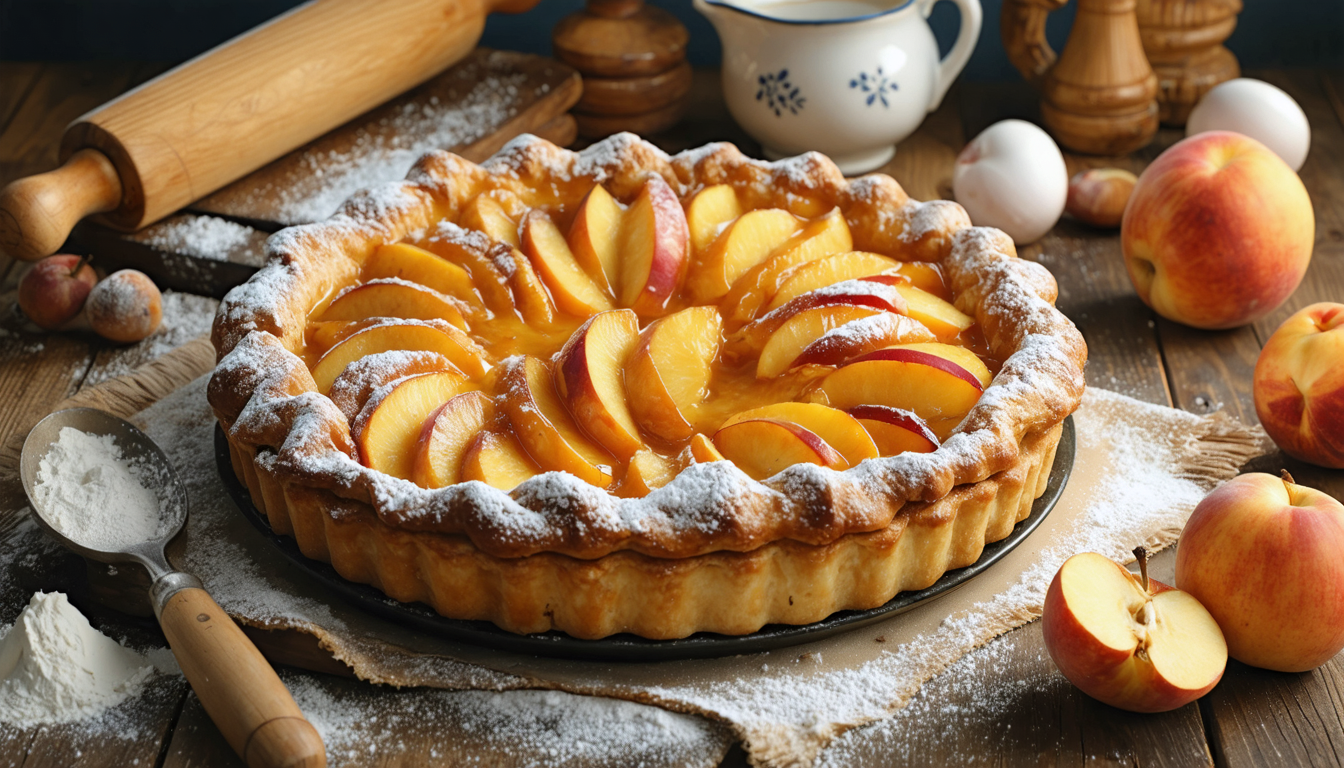
While the flognarde retains all its nobility in its ancestral recipes, it is not immune to the influences and demands of contemporary kitchens. Indeed, its enthusiasts, whether Michelin-starred chefs or passionate amateurs, tend to revisit it without ever losing sight of its fundamental spirit of simplicity and authenticity.
New culinary trends favor lighter preparations, and the flognarde adapts perfectly. For example, some cooks now prefer reduced sugar versions, while combining the richness of classic flavors with alternative flours such as spelt or chestnut, bringing more rustic and nourishing notes. This adaptation also meets nutritional expectations aligned with healthy eating while highlighting natural ingredients.
The rediscovered popularity of the flognarde also passes through strong media presence. Cooking shows, food blogs, and social networks spotlight this dessert, making it accessible to the widest audience. Influencers and enthusiasts share their recipes, cooking tips, or fruity variations—summer fruits, apples, pears—with beautiful photos that awaken the desire for a dessert both simple and elegant.
Through its revival, the flognarde succeeds in a rare feat: competing with complex desserts, often long to prepare, thanks to a perfect balance between taste and simplicity.
List of popular modern adaptations of the flognarde:
- Use of alternative flours (spelt, chestnut, oat)
- Reduced added sugar to lighten the recipe
- Incorporation of natural spices (cinnamon, nutmeg)
- Gluten-free preparations for specific diets
- Summer fruit variants (cherries, apricots) and autumn fruits (apples, pears)
- Baking in individual molds for personalized service
Key ingredients that make the success of the flognarde: simplicity and taste
At the heart of this French recipe, the main ingredients remain always the same, demonstrating the strength of the terroir and the flavorful old-fashioned cooking. The flognarde rests on an easy-to-master base that appeals to both beginners and experienced cooks.
| Ingredient | Quantity for 6 people | Role in the recipe |
|---|---|---|
| Flour | 125 g | Structure and firmness of the batter |
| Eggs | 3 eggs | Bind the ingredients, provide softness |
| Milk | 250 ml | Creamy and supple texture |
| Sugar | 100 g | Balanced sweetness |
| Fresh fruits | 400 g | Natural flavors and moisture |
The simplicity of the ingredients facilitates the preparation, but attention to each element is essential to succeed in a traditional dessert that evokes unparalleled classic flavors.
The chosen fruits play a crucial role as they define the fruity character of the cake. It can be cherries in summer, apples or pears in autumn. This variety gives each flognarde its own identity, adapted to the season and the generosity of nature.
Essential techniques to successfully prepare flognarde at home
Preparing a flognarde is accessible, even for amateur cooks. The secret lies in respecting several simple but necessary steps to obtain this soft cake, with a tender and melting heart.
To start, you should beat the eggs well with the sugar to incorporate as much air as possible. This will give lightness to the batter. The flour must be sifted to avoid lumps forming, which guarantees a smooth texture. Then, gradually pour the milk to make the preparation fluid, comparable to a thickened crepe batter.
A resting time of 15 minutes allows the batter to relax well, resulting in more even baking. The choice of baking dish is also important: it must be generously buttered to prevent the pastry from sticking. The fruit is placed at the bottom of the mold, then the batter is gently poured over it.
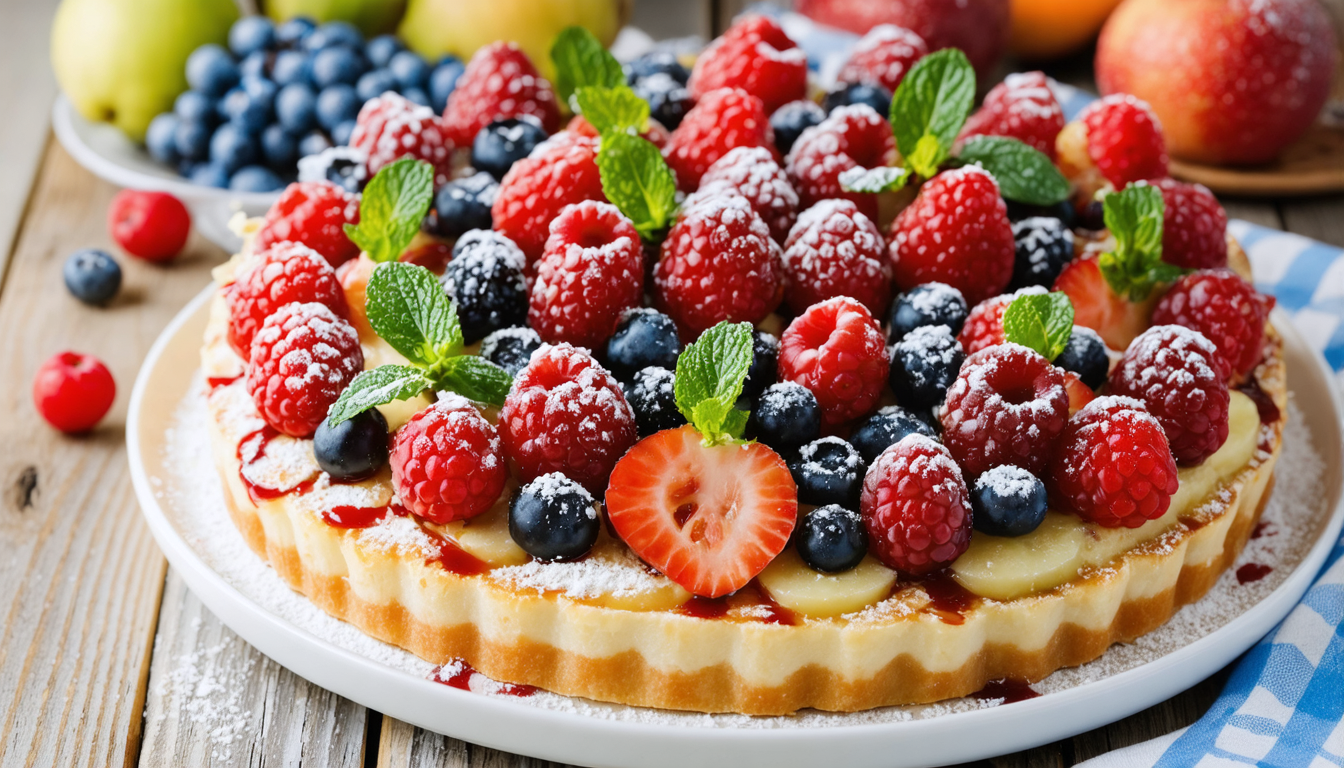
The whole is baked at a moderate temperature (around 180°C) for about 40 minutes. The expected result? A golden surface, slightly trembling in the center, a precious visual signature of a successful flognarde.
This method of preparation explains why the flognarde appeals as much to novices as to experienced pastry chefs seeking an authentic dessert without excessive complications.
The flognarde versus modern desserts: a return to basics that appeals to today’s gourmands
In today’s pastry landscape, often marked by highly elaborate, complex, and sometimes long-to-make desserts, the flognarde stands out by its unique positioning. It combines ease of preparation and straightforward flavors, which earns it a coveted place in the eyes of both amateurs and professionals.
A comparative table highlights this striking contrast between flognarde and the trendiest modern desserts:
| Criterion | Flognarde | Modern desserts |
|---|---|---|
| Preparation time | About 15 minutes + baking | Between 1 and 3 hours, sometimes more |
| Ingredient cost | Relatively low | Often medium to high |
| Technical difficulty | Accessible to beginners | Medium to high |
| Necessary equipment | Minimal, classic oven sufficient | Often requires specialized equipment |
This winning combination of ease and authenticity explains the re-emergence of the flognarde on French tables, especially among younger generations eager to reconnect with a simple, tasty, and historically meaningful French recipe.
Its family and convivial character—a generously large portion ideal for shared meals—acts as an effective antidote to ephemeral desserts. The flognarde delivers a true moment of pleasure where routine and sophistication give way to the essentials: a simple, good, and generous treat.