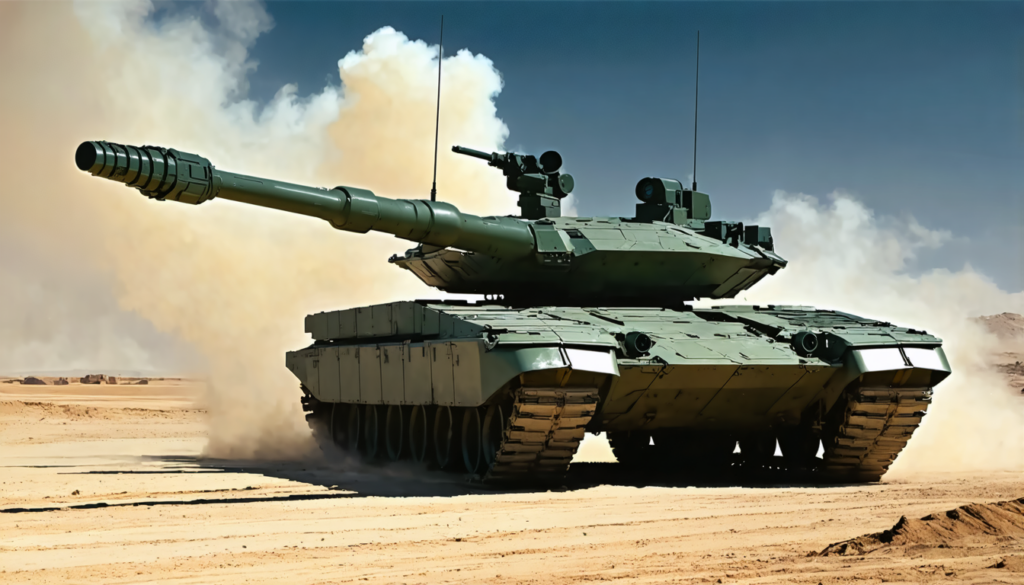
The showdown between Anthropic and the US authorities highlights a major issue at the intersection of technology and ethics, as concerns related to autonomous weapons and mass surveillance escalate. This start-up specializing in artificial intelligence is at the heart of a controversy where national security imperatives clash with strict moral principles. Beyond a contract worth several hundred million dollars, the fundamental question of the legitimate or illegitimate use of artificial intelligences in a military and security context arises, sparking a real debate about responsibility and the limits to impose on these emerging technologies.
While the Pentagon demands from Anthropic full flexibility to exploit its Claude model “for all lawful purposes,” the company maintains strict safeguards, refusing the integration of its AI in the management of lethal autonomous weapons or in mass surveillance of citizens. This divergence highlights growing tensions around the regulation of artificial intelligence in military and security uses, raising crucial questions about the future of relations between the private sector and the state regarding sensitive technologies.
For several months, debates have intensified as AI model capabilities progress, making the mastery of their use all the more urgent in a tense geopolitical context. Anthropic today embodies this contemporary dilemma: how far should technology be allowed to intrude into sensitive spheres of power, at what cost, and according to what rules?
- 1 Anthropic under American pressure: stakes of a $200 million contract around autonomous weapons
- 2 Claude’s involvement in sensitive military operations: the case of Nicolás Maduro’s capture
- 3 Autonomous weapons: a crucial ethical boundary for Anthropic and American defense
- 4 Domestic mass surveillance: a forbidden use by Anthropic, source of tensions with the USA
- 5 Anthropic and military AI regulation: an urgent call for caution and control
- 6 Anthropic’s dilemma: ethics, security, and impossible state contract to reconcile?
- 7 Future prospects: how to reconcile technological advances, military security, and ethics?
- 8 The key role of corporate social responsibility in the field of military artificial intelligence
- 8.1 Why does Anthropic refuse to use its AI in autonomous weapons?
- 8.2 What are the concerns related to mass surveillance with Anthropic’s AI?
- 8.3 How does Anthropic handle tensions with the Pentagon?
- 8.4 What are the risks of an autonomous weapon without human control?
- 8.5 What solutions are proposed to better regulate military AI?
Anthropic under American pressure: stakes of a $200 million contract around autonomous weapons
The dispute between Anthropic and the US government is not limited to a simple contractual disagreement. The initially agreed $200 million contract raises critical questions regarding the extension of artificial intelligence capabilities in sensitive military sectors, particularly autonomous weapons. These systems, capable of making lethal decisions without direct human intervention, represent an unprecedented strategic turning point.
The Pentagon’s request is clear: to obtain a license for the use of Anthropic’s models and other suppliers “for all lawful purposes,” which would potentially include their use in autonomous armed systems and large-scale domestic surveillance operations. This position reflects a desire to maximize operational efficiency by integrating artificial intelligence into critical decision-making processes. For the Department of Defense, neglecting this potential would mean falling behind in the race for military technologies, especially against adversaries like China who are investing massively in this area.
But Anthropic, aware of the ethical stakes and risks associated with these applications, refuses to give in to flexibility that would compromise its core principles. The start-up imposes strict restrictions on the use of its technology, particularly regarding:
- Fully autonomous weapons capable of firing without human supervision.
- Large-scale surveillance of the civilian population, which could infringe on individual freedoms.
This stance raises controversy as it questions the way technology companies contribute to the military sector. For Anthropic, simply authorizing potentially lethal or intrusive use runs counter to its responsible vision of AI. This refusal places the firm in a delicate situation, with a crucial contract potentially at risk and a principled position that could have a decisive impact on its future.

Claude’s involvement in sensitive military operations: the case of Nicolás Maduro’s capture
Although Anthropic’s Claude model was initially designed as an AI to facilitate writing, research, and analysis, its integration into the military domain is much more complex. According to information revealed in 2026, Claude was reportedly mobilized during a secret American operation aimed at capturing former Venezuelan president Nicolás Maduro. This case perfectly illustrates the difficulty Anthropic faces in controlling the use of its technology once deployed.
Implicitly, even without explicit authorization, the AI became an ingredient in a major geopolitical operation. This phenomenon highlights the permeability between civilian and military uses of artificial intelligence. Claude, whose primary purpose is not war but intellectual assistance, can nonetheless be used for analyzing strategic data, planning operations, or managing sensitive information. It is precisely this capacity that worries Anthropic.
The revelation of this military use in such a controversial context raises ethical questions: to what extent must an AI company exert control over its technologies once they are used by governmental entities? The Claude model, although powerful and versatile, was not designed to control lethal actions or to participate in secret operations, even indirectly.
This episode illustrates a gray area where technology acquires a strategic dimension, in a conjuncture where it participates in sensitive operations whose consequences are major for international stability. Anthropic’s vigilance seems legitimate amid a creeping militarization of commercial AI.
Autonomous weapons: a crucial ethical boundary for Anthropic and American defense
At the heart of the dispute between Anthropic and American authorities, the issue of autonomous weapons forms an unavoidable red line. These systems, capable of identifying, targeting, and striking without human intervention, radically change not only the battlefield but also international norms related to warfare and responsibility.
Behind an operation based on complex algorithms and integration with sensors or drones, these technologies raise the fundamental question of the responsibility chain in case of error or mishap. If an autonomous shot causes collateral damage, who should be held accountable: the AI developer, the weapon manufacturer, or the military authority who gave the order? This legal and moral uncertainty fuels Anthropic’s skepticism towards unrestricted adoption.
Here are the main issues posed by autonomous weapons in light of current debates:
- Loss of human control: Risk of complete delegation of lethal decisions to machines without human intervention.
- Incidents and errors: Imperfect algorithms potentially causing attacks on inappropriate or civilian targets.
- Arms race: Proliferation of autonomous systems potentially destabilizing geopolitical balances.
- Erosion of international conventions: Difficulty applying humanitarian rules of war in an automated context.
Anthropic refuses to participate in what many call a “lethal revolution” without ethical frameworks or solid guarantees. This stance reflects a caution based on awareness of the potential abuses of an unsuitable deployment. Beyond technical aspects, the ethical dimension is paramount. Artificial intelligence must not become a dehumanized instrument of death.
In this context, discussions around international regulations to frame this type of weapon are crucial but still nascent. Why such caution? Because, currently, international legal norms and rules struggle to keep pace with technological speed, especially with AI. The debate sits at the crossroads of science, law, and ethics.
Domestic mass surveillance: a forbidden use by Anthropic, source of tensions with the USA
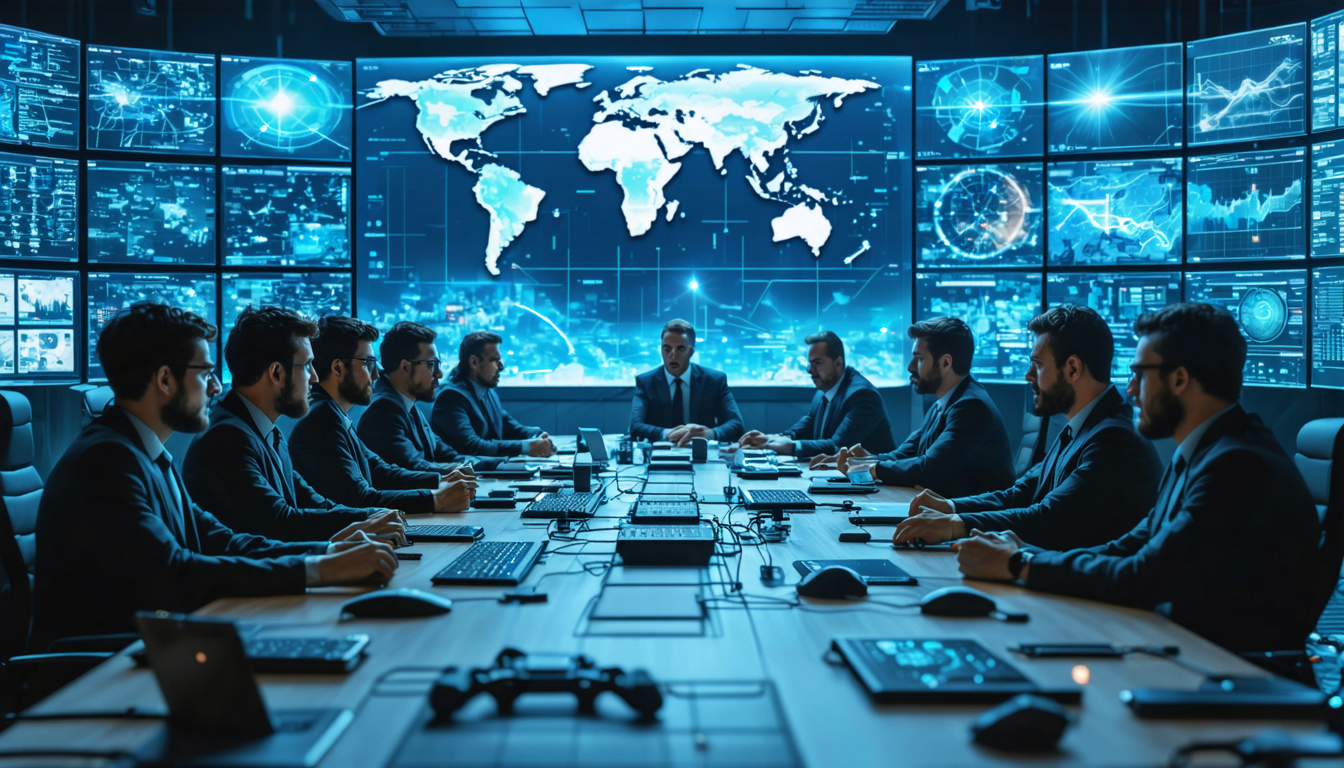
Beyond the issue of autonomous weapons, the general debate on domestic mass surveillance represents one of the red lines for Anthropic. The Claude model, through its abilities in massive data analysis and pattern or anomaly detection, could theoretically be used to monitor entire populations, analyzing communications, data from social networks, or administrative data.
This application, if operational on a large scale, would raise significant issues related to public freedoms and respect for privacy. It is particularly here that the disagreement is most pronounced with the Pentagon, which, through its spokesperson Sean Parnell, insists on the importance of having technological partners willing to support combat and national security needs.
For Anthropic, such use constitutes a direct threat to democratic balance, increasing the risks of a digital police state where every citizen would potentially be continuously monitored and analyzed. This debate reflects a classic tension between security and liberty, exacerbated by the rapid evolution of technologies.
The technical capabilities are already in place and functional, but the framework is lacking. Among the risks associated with the deployment of automated mass surveillance are:
| Risks related to Mass Surveillance | Potential consequences |
|---|---|
| Violations of privacy | Loss of anonymity, unauthorized intrusion |
| Excessive profiling | Discrimination, unfair targeting |
| Restriction of freedom of expression | Self-censorship, reduction of public debate |
| Risks of political manipulation | Increased control over public opinion |
By refusing this use, Anthropic imposes a clear ethical boundary in the face of government pressures, which heightens tensions with authorities. This stance also raises the broader question of the social responsibility of companies working in artificial intelligence, and their role in preserving fundamental rights.
Anthropic and military AI regulation: an urgent call for caution and control
The controversy around Anthropic and American demands raises a central debate on the regulation of artificial intelligence in a military and security context. Anthropic’s CEO, Dario Amodei, has repeatedly issued public warnings in recent years about the dangers of uncontrolled development of these technologies, sometimes comparing AI to nuclear weapons in terms of potential risks.
In practice, this awareness translates into a desire to include technical, ethical, and legal safeguards to frame sensitive deployments. The call is made, notably at the international level, to establish common rules aiming to:
- Ensure effective human control over autonomous systems.
- Prohibit the use of AI in independent lethal missions.
- Ensure transparency in the use of surveillance technologies.
- Put in place clear legal responsibility mechanisms.
- Promote international cooperation to avoid an AI arms race.
Anthropic positions itself against a certain military logic that favors flexibility and rapid action, arguing that without strong standards, the deployment of AI in security represents a danger to international stability and civil society. The debate goes beyond the economic and industrial framework to touch the very foundations of democracy and respect for human rights.
Anthropic’s dilemma: ethics, security, and impossible state contract to reconcile?
Anthropic’s refusal to yield on the use of its technology in certain sensitive military sectors illustrates a fundamental dilemma faced by many tech companies in 2026. On one hand, a contract estimated at $200 million with the Pentagon represents a major opportunity in terms of resources and recognition. On the other, it is a question of values and moral responsibility.
This dilemma raises several questions:
- Can a private company be forced to abandon its ethical principles in the name of national security?
- What is the real scope of suppliers’ control over the final use of their technologies?
- How to legally frame the use of AI models in a military context without stifling innovation?
Anthropic’s situation crystallizes these tensions. If the US government decided to break the contract due to these limits, it would implicitly mean that access to the military market requires the abandonment of ethical constraints. Conversely, by maintaining its positions, Anthropic could become a standard-bearer of responsible AI, even if it means sacrificing lucrative contracts.
This debate resonates worldwide, as AI power increases. Faced with the rapid expansion of these technologies, reflection on the role of companies in security, ethical governance, and the defense of human rights is set to intensify in the years ahead.

Future prospects: how to reconcile technological advances, military security, and ethics?
The challenge of reconciling technological innovation, security imperatives, and ethical requirements stands as a major challenge in the 2026 context. The controversy around Anthropic clearly illustrates the complexity of this equation but also opens the way to a necessary collective reflection on the future of AI in defense. Several paths emerge for the future:
- Development of clearly defined international regulatory frameworks, including binding standards for the development and use of autonomous weapons and surveillance tools.
- Strengthening transparency mechanisms so that military uses of AI are better controlled by independent bodies.
- Promotion of ethical and aligned artificial intelligence, designed from inception to prevent illegitimate or lethal uses.
- Increased dialogue between public actors, private sector, and civil society to define common principles and prevent abuses.
- Investment in research on specific risks related to military AI and ways to mitigate them.
In short, the challenge is to ensure that artificial intelligence, a driver of innovation and transformation, does not become a tool of conflict and abusive control. Anthropic’s case is emblematic of this tension, and the decisions made in this matter will have a lasting impact on the global geopolitical and technological configuration.
The controversy with Anthropic reflects a larger issue: the corporate social responsibility (CSR) of companies active in artificial intelligence technologies. In 2026, this notion has taken on critical importance as military applications of AI develop rapidly, often outside of a clear framework.
Companies like Anthropic now face a dual pressure: that of governments wishing to exploit their technologies for strategic purposes, and that of citizens, experts, and NGOs demanding responsible and limited use. The ability to integrate rigorous ethical principles into technological development has become a criterion as crucial as technical performance.
CSR in this field translates into several commitments:
- Transparency about partnerships and authorized military deployments.
- Voluntary limitation of potential AI uses, notably by refusing certain applications.
- Continuous dialogue with stakeholders to anticipate and manage risks.
- Development of ethical standards integrated from the design phase of the models.
This position, while courageous, also exposes companies to economic and political risks, especially if military interests become dominant. Anthropic’s case embodies the tension between the pursuit of technological progress, ethical demands, and the reality of state power.
Why does Anthropic refuse to use its AI in autonomous weapons?
Anthropic refuses because it considers that the use of its AI in weapons capable of making lethal decisions without human intervention raises crucial ethical and moral questions, notably about responsibility in case of errors.
Mass surveillance using AI could infringe on privacy, lead to abusive profiling, and restrict individual freedoms, which is why Anthropic forbids its use in this regard.
How does Anthropic handle tensions with the Pentagon?
Anthropic maintains strict ethical use limits, refusing uses deemed excessive or dangerous, which creates conflict with the Pentagon that wants full flexibility.
What are the risks of an autonomous weapon without human control?
These weapons can act without human intervention, increasing the risk of fatal errors, mishaps, and complicating legal responsibility in case of incidents.
What solutions are proposed to better regulate military AI?
Solutions include adopting international standards, ensuring human control, transparency, and clear legal mechanisms to monitor military AI uses.