
Faced with the rapid rise of artificial intelligence assistants capable of acting autonomously, the question of their security becomes a strategic priority for companies. WitnessAI, an innovative cybersecurity start-up dedicated to AI environments, has just reached a major milestone by raising 58 million dollars from prestigious investors such as Ashton Kutcher’s Sound Ventures, Fin Capital, Qualcomm Ventures, and Samsung Ventures. This colossal investment reflects an urgent need: to secure these intelligent agents to ensure both the protection of sensitive data and user trust.
While nearly a quarter of organizations have already adopted AI agent systems, these technologies open up vast opportunities for progress in automation and digital decision-making. But this autonomy also amplifies risks related to malicious manipulations and sophisticated intrusions. WitnessAI thus establishes itself as a key player by developing a comprehensive governance platform, offering both supervision of data flows, control of AI agent interactions, and strict compliance with regulatory standards. A secure digital revolution that is about to become a global standard.
- 1 Securing autonomous AI assistants: a colossal challenge for enterprise artificial intelligence
- 2 Leveraging the 58 million funding round: a major accelerator for WitnessAI
- 3 The strategic importance of autonomous AI agents in today’s economic fabric
- 4 Major threats weighing on autonomous AI agents and associated solutions
- 5 Integrating AI assistant security into the overall enterprise strategy
- 6 Understanding the regulatory and ethical implications of AI assistant autonomy
- 7 The future of autonomous AI assistant security: trends and innovations to watch
Securing autonomous AI assistants: a colossal challenge for enterprise artificial intelligence
Autonomous artificial intelligence agents now occupy a central place in the information systems of modern companies. These assistants, capable of performing complex tasks without human intervention, optimize processes, increase efficiency, and open new opportunities. However, their autonomy is accompanied by an inherent fragility linked to the very nature of the data they handle and the decisions they can make independently.
Security risks manifest at several levels: intrusions into databases, malicious modifications of AI models, hijacking of agents for targeted attacks. General Paul Nakasone, former NSA director and now a member of WitnessAI’s board of directors, emphasizes that “attacks on AI agents are inevitable” as they integrate more deeply into critical infrastructures.
This reality requires IT managers to design robust strategies to protect these AI assistants. It is no longer just about blocking hackers, but about controlling daily usage, monitoring data flows in real time, and ensuring strict compliance with regulatory requirements. For example, continuous supervision allows anticipating behavioral anomalies and intervening before an incident escalates into a major breach.
A specialized company recently reported that 30% of AI-related security incidents stem from a lack of governance around autonomous agents. This shows that technology alone is not enough: integrating a layer of trust into the decision-making chain of AI assistants is vital to shield organizations against manipulations and catastrophic leaks.

Leveraging the 58 million funding round: a major accelerator for WitnessAI
With this impressive funding round, WitnessAI now has the necessary resources to accelerate the development and deployment of its technology globally. The 58 million dollars injected by renowned funds will enable not only the enhancement of platform features but also the strengthening of monitoring and response capabilities against threats targeting AI assistants.
This financial windfall also paves the way for international expansion through strategic partnerships with managed service providers and internet sector players. Indeed, the widespread adoption of AI agents is accompanied by an imperative need for cross-sector security, whether in finance, healthcare, telecommunications, or industry. WitnessAI thus positions itself as a bridge between technological innovation and data protection requirements in highly regulated environments.
Another direct impact of the funding is investment in advanced research. Thanks to this support, WitnessAI can bring together an international team of researchers and experts in cybersecurity and artificial intelligence to anticipate emerging vulnerabilities. For example, predictive detection of targeted attacks on autonomous AI agents, using sophisticated machine learning techniques, will be a priority.
Finally, this capital injection will allow the expansion of offered solutions, notably integrating real-time monitoring tools, automated audits of regulatory compliance, as well as accelerated response and remediation processes. Companies thus benefit from a global approach combining innovation, operational efficiency, and enhanced security.
The strategic importance of autonomous AI agents in today’s economic fabric
Despite their still moderate adoption phase – only 25% of companies actively deploying AI assistants in their processes according to a recent McKinsey analysis – these agents occupy a growing role in the digital transformation of organizations. They automate complex decisions, contribute to predictive analysis, and strengthen operational efficiency across diverse activities.
Sectors such as finance use these assistants to quickly detect fraud or anticipate credit risks. In healthcare, they facilitate diagnosis by analyzing large volumes of patient data, while complying with strict regulatory constraints related to confidentiality. Industry also benefits from these advances to optimize supply chains and predictive maintenance of machines.
But this rising prominence brings a dual requirement: ensuring the security of these autonomous systems and guaranteeing their alignment with ethical and regulatory principles. WitnessAI meets this need by offering companies a secure architecture that envelops AI agents within a rigorous control framework.
This additional layer simplifies the management of digital risks related to AI, promotes transparency of automated decisions, and significantly reduces the dangers of fraudulent exploitation. For example, a large European bank integrated the WitnessAI platform to secure its customer service AI assistants, which helped reduce malicious attack attempts targeting its systems by 40%.
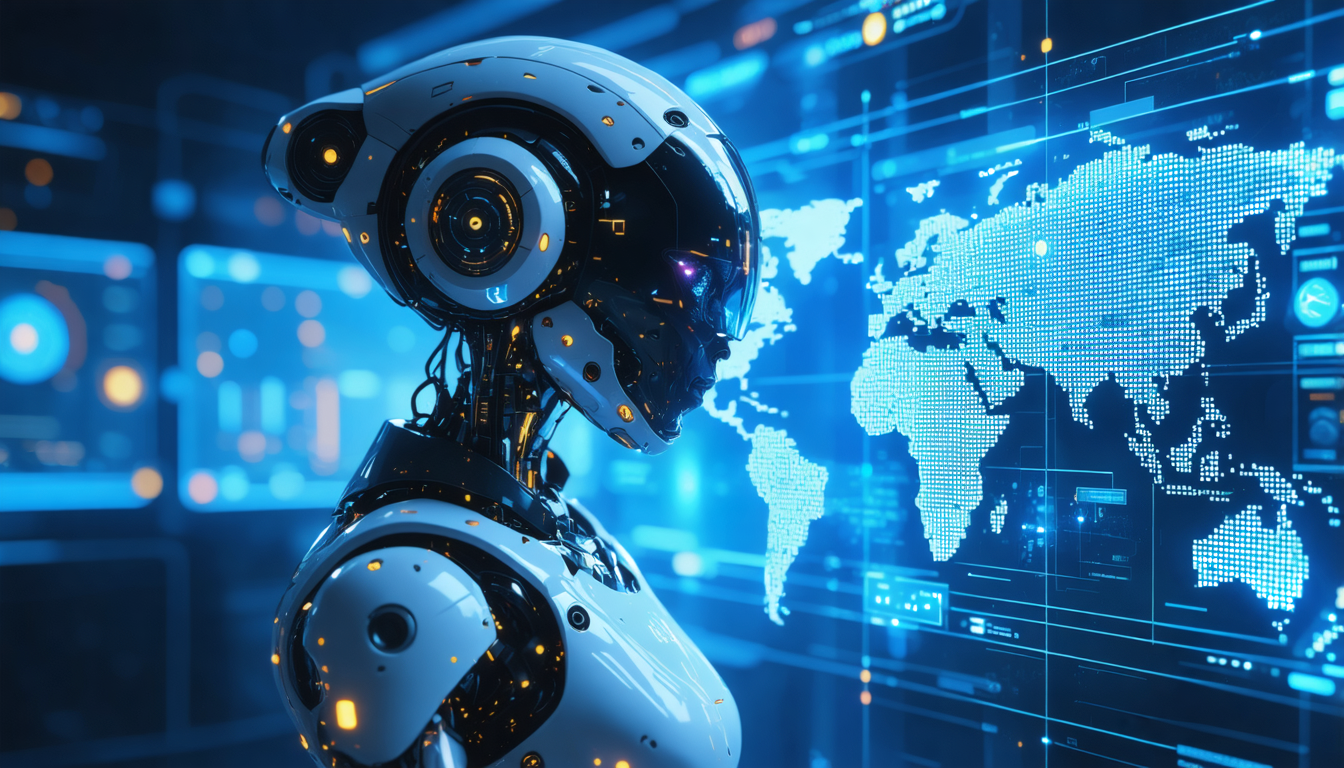
Major threats weighing on autonomous AI agents and associated solutions
Autonomous AI assistants are today privileged targets for cybercriminals. Several types of threats await them:
- Data manipulation: fraudulent modification of input flows to bias agents’ decision-making.
- Agent hijacking: external takeover to execute internal malicious actions.
- Information exfiltration: unauthorized extraction of confidential data via compromised agents.
- Regulatory non-compliance: legal risks linked to failure to respect data protection legal frameworks.
For each threat, WitnessAI proposes robust solutions:
- Continuous monitoring: real-time analysis of behaviors and information flows to detect any anomalies.
- Enhanced authentication: strict access controls and advanced encryption ensuring confidentiality.
- Automated incident management: quick and efficient procedures to respond to detected attacks.
- Audit and compliance: ongoing control of respected standards and preventive alerts on potential deviations.
This comprehensive approach makes WitnessAI a true digital sentinel, enabling companies to prevent, detect, and neutralize threats specific to autonomous artificial intelligence agents.
Integrating AI assistant security into the overall enterprise strategy
To calmly approach the integration of autonomous AI assistants, companies must adopt a holistic approach where security and innovation progress hand in hand. WitnessAI perfectly illustrates this approach by associating cutting-edge technologies with adapted governance principles.
An effective strategy begins with a precise risk assessment related to each AI agent, identifying critical flows, sensitive data, and vulnerable access points. Then, the platform allows continuous monitoring of interactions and automated decisions.
Furthermore, companies must raise awareness among their teams about the specific challenges of this new form of digital autonomy. By training employees to detect anomalies and react to suspicious behaviors, they create a culture of vigilance essential to preventing major incidents.
WitnessAI also supports its clients through regular audits and updates compliant with evolving regulations, thus ensuring proactive and dynamic management of AI agent security. This synergy between technology, training, and governance is a decisive lever for a controlled and secure adoption of artificial intelligence.

Understanding the regulatory and ethical implications of AI assistant autonomy
Due to the rapid expansion of autonomous AI assistants, the international legal framework is becoming more complex. Regulatory authorities are increasing requirements for transparency, fairness, and personal data protection. WitnessAI aligns with this movement by offering a platform compliant with standards such as the European GDPR and various other sectoral legislations.
Companies must therefore ensure that their AI agents do not violate fundamental rights nor promote discriminatory biases. WitnessAI integrates features to automatically audit assistant decisions, guaranteeing ethical and transparent operation.
Moreover, liability in case of error or abuse by an AI agent is a crucial aspect. Securing AI assistants is not just about protecting data but also about clarifying who holds mastery and control over these technologies. This requires comprehensive alert and traceability mechanisms, which not only allow response to incidents but also restore user trust.
In view of these challenges, WitnessAI supports its clients in regulatory compliance while promoting responsible innovation respectful of human rights. This regulatory integration is a key factor to ensure the sustainability of AI assistant use in companies.
The future of autonomous AI assistant security: trends and innovations to watch
At the dawn of 2026, securing autonomous AI assistants is rapidly evolving alongside technological advances. Among the major trends, we note:
- Adaptive intelligence: integration of self-learning mechanisms to more effectively detect anomalies.
- Post-quantum cryptography: preparation for future threats related to quantum computing capabilities.
- Enhanced interoperability: facilitating integration of security solutions with existing IT infrastructures.
- Automated responses: deployment of autonomous systems capable of instantaneously reacting to incidents.
WitnessAI is investing massively in these areas to maintain technological leadership. The startup also works to diversify its partnerships to address the specific challenges of different markets. This implies, for example, collaboration with local players in various regions around the globe to adapt its solutions to particular regulatory and cultural contexts.
Finally, the rise of autonomous AI assistants drives the design of integrated security systems from the outset (security by design). WitnessAI is moving toward deeper integration between AI development and cybersecurity, ensuring from inception that AI agents are designed to be safe, controllable, and auditable throughout their lifecycle.
| Technological trend | Expected impact | Application example |
|---|---|---|
| Adaptive intelligence | Improved anomaly detection | AI agents learning to detect new types of threats |
| Post-quantum cryptography | Protection against future attacks | AI systems protected from malicious quantum computers |
| Enhanced interoperability | Facilitates integration into existing infrastructures | Secure platforms compatible with ERP and cloud |
| Automated responses | Instant reaction to incidents | AI systems capable of neutralizing attacks in real time |