
For several years, the United States has witnessed rapid and massive development of its IT infrastructures, notably with the soaring rise of data centers. These recent years have been marked by an explosion of projects related to cloud computing, reflecting a booming IT market and colossal investments. However, while this momentum seemed unstoppable, an unprecedented wave of cancellations has recently struck these initiatives, upsetting balances and expectations. This phenomenon is not limited to a few isolated incidents but fits into a strong trend, revealing deep tensions between technological development and sustainable resource management.
Specifically, canceled new data center projects have multiplied since 2023, with a spectacular acceleration in 2025. This reality clearly illustrates the challenges faced by the sector, at a time when demand for digital services continues to increase. These withdrawals or abandonments take place in the very heart of areas often subject to significant energy and environmental constraints, thereby exacerbating opposition and controversies. Public debates around energy consumption, water resources, and the ecological impact of these infrastructures are now at the core of concerns and heavily influence the viability and future of ongoing projects.
In this article, we will explore in detail the causes and consequences of this wave of cancellations, highlighting the economic, political, and environmental stakes that are shaping today’s American IT market. Through current data and concrete examples, the aim is to understand why investments in data centers are encountering a major slowdown and how this situation is redefining the strategy of digital players in the United States.
- 1 The economic factors behind the cancellations of data center projects
- 2 The environmental consequences of data centers in sensitive areas
- 3 The political stakes linked to growing contestation of IT projects
- 4 How technology giants adapt their strategies to current challenges
- 5 The national economic impact of IT project cancellations in the medium and long term
- 6 The role of local communities in renegotiating the data center model
- 7 Future perspectives and adaptations for the sustainable development of data centers
The economic factors behind the cancellations of data center projects
The slowdown in the construction of data centers in the United States finds its roots in complex economic issues. Firstly, it is important to emphasize that these infrastructures require not only very heavy initial investments but also considerable operational costs, notably related to energy consumption. Between 2023 and 2025, several projects were interrupted due to a significant increase in electricity bills in the affected areas, which reached levels never seen before.
Bloomberg data published in September revealed a 267% increase in electricity bills in regions near data centers. This inflation directly weighs on operating costs, making some investments less profitable or too risky. The surge in electricity prices cannot be dissociated from pressures exerted by often overloaded local energy networks. For example, a project planned in a Republican county in the Midwest was abandoned after local authorities warned of significant risks of winter power outages that could severely affect the population.
Another economic aspect concerns the management of natural resources, particularly water. Data centers require large quantities of water for cooling their servers. However, several American areas are already facing shortages. Excessive consumption has provoked palpable social tension: residents mobilize and challenge the viability of new infrastructures in their communities. Furthermore, according to Heatmap Pro, nearly 40% of contested projects have this excessive water consumption as the main source of opposition, which often leads to paralysis or cancellation of projects.
Here is a list of the main economic factors encouraging cancellations:
- Spectacular rise in local energy costs, making operations expensive.
- Limited natural resources, especially water availability in sensitive areas.
- Growing social opposition, causing delays and administrative cost overruns.
- Risks of supply interruptions, threatening operational continuity.
- Uncertain legislative environment, with strengthened local regulations facing climate challenges.
The combination of these elements creates a climate of uncertainty for investors and companies specializing in cloud computing and data management. When the profitability outlook deteriorates to the point of suspicion, many projects are simply frozen or abandoned.
The situation in the United States illustrates a complex redefinition of the relationship between technology and the local economy, where hidden costs and community impact become as decisive as technological capability or the global market.
The environmental consequences of data centers in sensitive areas
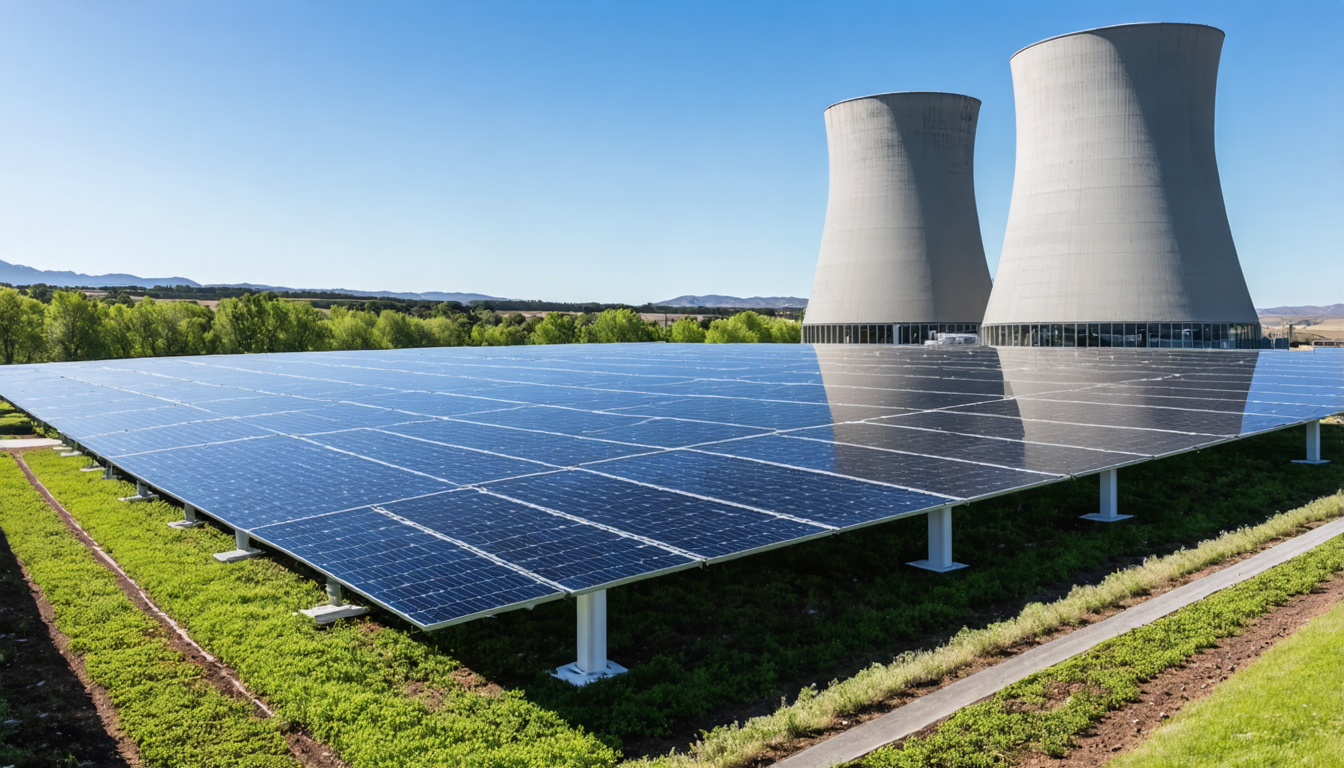
Beyond the economy, one of the major reasons behind this wave of cancellations is the growing environmental impact of data centers. These infrastructures require a colossal amount of energy and water to operate, causing significant effects on local ecosystems and public health. This link between technology and environment has become central in public and political debates, prompting several communities to slow down or even halt ongoing projects.
According to the Environmental Data & Governance Initiative, populations living within 1.6 kilometers of certain centers suffer from air pollution levels higher than the national average. This pollution is mainly explained by the high energy demand, often met by non-renewable sources and an aging grid. Health concerns related to this degradation of air quality are intensifying, strengthening local opposition movements.
Water shortages, exacerbated by cooling needs, are becoming a real headache in several U.S. regions. In the American West, for example, chronic drought worsens these tensions. Many projects have been canceled as soon as they were perceived as threats to the survival of populations and the sustainability of water resources.
The fight for resource preservation takes various forms, such as:
- Mobilizations by environmental groups and residents.
- The introduction of restrictive laws regarding energy and water consumption.
- Imposition of higher taxes on electricity consumed by IT infrastructures.
- Environmental certification programs requiring higher standards for new projects.
- Media campaigns alerting about the local impacts of data centers.
The scale of these reactions shows a profound questioning of the current technological growth model. It also highlights the crucial importance of sustainably integrating ecological issues into the planning of future infrastructures. Thus, the case of Texas, already marked in 2021 by a dramatic energy crisis causing approximately 246 deaths, clearly illustrates what the future could become if resources are not rigorously managed. Yet, despite this awareness, Texas did not record massive abandonments in 2025, likely a consequence of strong political support and a well-established industry, but perhaps also of a different acceptability threshold.
The political stakes linked to growing contestation of IT projects
The contestation of data centers in the United States now goes beyond local groups and environmental activists. It settles in the political arena, modifying the balance of power and prompting public officials to adopt concrete measures. The influence of this opposition is particularly visible in several states where specific legislation has been implemented to limit the energy and water consumption of data centers.
In Minnesota, recently adopted laws impose strict ceilings on resource consumption by new infrastructures, thus increasing pressure on project holders. In New York, an innovative measure introduced a targeted increase in electricity costs for companies in the data center sector, aiming to discourage the uncontrolled proliferation of centers and finance more sustainable alternatives.
Moreover, more than 250 environmental organizations have launched a national campaign demanding a moratorium on any new project, emphasizing the seriousness of climate and public health issues linked to these infrastructures. This questioning has electoral repercussions: in traditionally conservative counties, the rise of environmental concerns has led to a political shift. A striking example is Virginia, where a Democratic candidate won a seat previously held by a Republican party member, thanks to a campaign focused on criticizing the costs generated by data centers.
A summary table of the main measures taken in several key states highlights this evolution:
| State | Political Measure | Impact on Projects |
|---|---|---|
| Minnesota | Law limiting water and energy consumption for data centers | Strengthening environmental standards, slowing plans |
| New York | Increased energy pricing for the sector | Hindrance to investments and search for alternative solutions |
| Virginia | Electoral campaigns focused on data center costs | Political shift favorable to environmentalist candidates |
| California | Partial moratorium on new infrastructures | Temporary freezing of projects, reevaluation of ecological impacts |
This rise of political factors means that technological companies must now deal with a much more complex reality. The era when a simple administrative acceptance was enough to launch a data center is over. Now, it is necessary to anticipate, negotiate, and find compromises with increasingly vigilant and mobilized local actors.
How technology giants adapt their strategies to current challenges
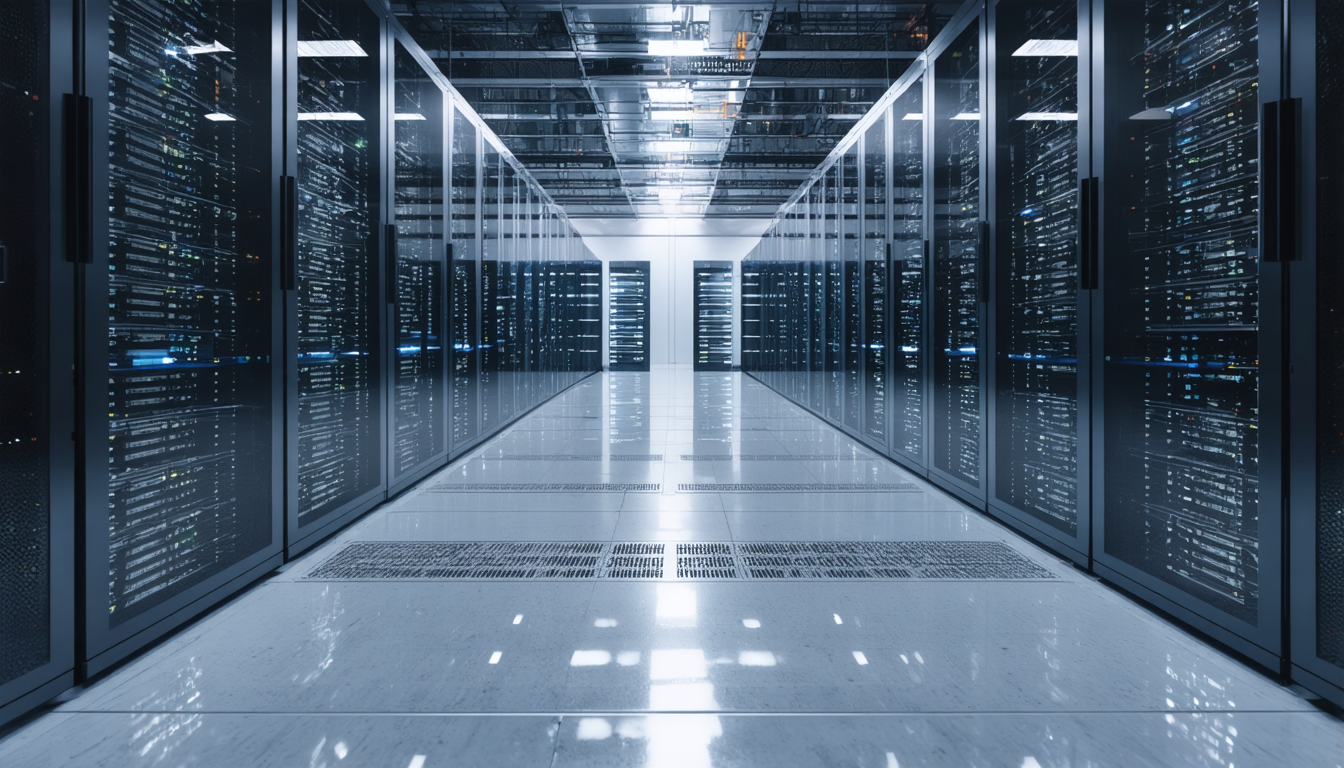
Faced with this critical situation, major digital companies are not standing still. They are seeking to reinvent their approach to continue meeting growing demand while reducing environmental impact and easing social tensions. Microsoft is one of the key players that recently announced a detailed plan aiming to limit the local consequences of its data centers, especially those dedicated to artificial intelligence.
This strategy is based on several essential axes, including energy optimization through more efficient cooling technologies, increased use of renewable energies, and the integration of water recycling systems. Additionally, innovations that allow better data concentration and reduced hardware needs are also being experimented with.
These initiatives fit into a global context where investments are redirected towards more sustainable solutions, often in partnership with local governments, NGOs, and environmental experts. This consideration has become a prerequisite for obtaining construction permits and maintaining company reputations.
Another important facet of the new strategy is transparent and proactive communication with local communities. Several firms have established dialogue forums and environmental monitoring committees to address objections before they escalate into strong opposition. This collaborative model appears promising for reducing the rate of canceled projects.
Here are the main measures adopted by major companies to adapt:
- Massive investment in energy efficiency.
- Transition to renewable energy sources.
- Development of cooling technologies with low water consumption.
- Engagement in dialogue with local communities.
- Close collaboration with authorities to design sustainable standards.
The national economic impact of IT project cancellations in the medium and long term
Repeated cancellations of data center projects have widely perceptible effects on the entire American IT market. Demand for cloud services and IT solutions continues to grow, but the capacity to meet this demand is slowed by environmental and social obstacles. According to Heatmap Pro statistics, canceled projects in 2025 represented a cumulative electric demand estimated at 4.7 gigawatts. This figure corresponds to a modest portion relative to future projections.
BloombergNEF indeed anticipates a national data center consumption approaching 106 gigawatts by 2035. If this trajectory is maintained, the multiplication of local obstacles could slow this growth and generate tension on the capacity for innovation and deployment of technologies. The consequences could unfold in several domains:
- Reduced international competitiveness of American infrastructures compared to more flexible markets.
- Investment slowdowns in cutting-edge technologies for artificial intelligence or cybersecurity.
- Price impacts on digital services for businesses and consumers.
- Potential shortage of physical spaces for data storage.
- Increased delays in the development of new IT services.
These effects expose the United States to a paradoxical situation where IT demand explodes, but local supply struggles to keep up. For IT market actors, it becomes essential to anticipate these constraints to maintain their position globally.
The role of local communities in renegotiating the data center model
An important aspect of the evolution of the data center market is the rise of local communities. Until recently, these communities often suffered the choices of large tech companies without being able to really influence decisions. That time now seems over.
Residents, often helped by environmental associations, denounce increasing electricity bills, water scarcity, and local pollution. These protests are organized through petitions, public hearings, and media campaigns. Heatmap indicates that more than 99 projects out of approximately 770 in planning now face structured opposition, and nearly 40% of them are abandoned due to the persistence of these resistances.
The weight of citizens also expresses itself in media coverage of impacts and pressure exerted on elected officials. Some local officials have taken a more demanding stance, going as far as supporting moratoriums or requesting enhanced environmental audits.
This civic empowerment is a strong signal indicating that the governance of IT infrastructures must evolve towards more participatory and responsible models. The example of Virginia, where the issue of local data center costs swung an electoral seat to a Democrat concerned about the environment, clearly illustrates this transformation.
Future perspectives and adaptations for the sustainable development of data centers
The massive cancellations currently affecting data center projects in the United States are not inevitable but rather a step towards a new way of envisioning technological growth. The integration of environmental and social criteria becomes essential, and some initiatives show the path towards more harmonious development.
Among these prospects, one can cite:
- Technological innovation to reduce energy and water consumption.
- Increasing use of renewable energy, notably solar and wind, integrated directly into infrastructures.
- Public-private partnerships to guarantee rational and equitable use of resources.
- Widespread environmental certifications specific to data centers.
- Enhanced dialogue with local communities to co-construct adapted projects.
These developments mark a major turning point where investments will need to reconcile economic performance, technological innovation, and environmental responsibility. While technological companies play a key role, public policies and civic engagement will remain decisive in shaping the face of tomorrow’s IT infrastructures.