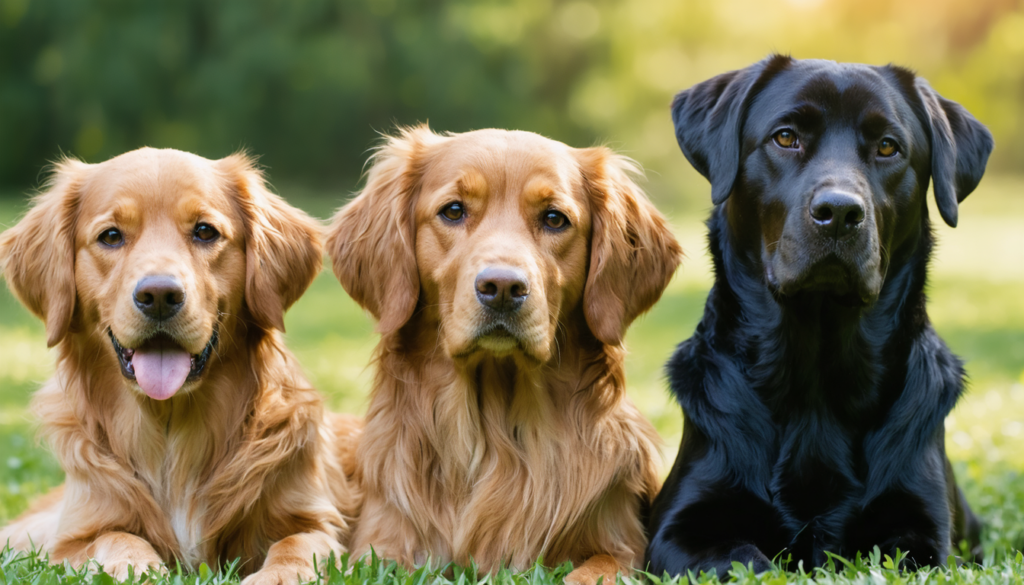
In the vast canine universe, some dogs stand out for their exceptional gentleness, a trait that allows them to integrate easily into family life and offer true comfort to their owners. This gentleness is not a matter of chance, but rather the result of rigorous selection combining genetics and canine education. In 2026, a renowned expert in canine behavior shares with us the secrets of three breeds that perfectly embody this affectionate character. These gentle dogs are not content to be mere familiar companions; they are also sources of happiness and emotional stability, suited as much for large families as for people living alone.
Understanding the specificities of these gentlest dog breeds also means grasping how their temperament facilitates canine education and optimizes their role in society. These four-legged companions, through their balanced canine behavior, demonstrate that kindness is an essential criterion when looking for a loyal friend. Whether in a lively or calm home, selecting dogs with a gentle character guarantees harmonious coexistence and a strong relationship between the animal and its owners. Here is the top 3 breeds that, according to this expert, clearly stand out in this specific field.
- 1 Golden Retriever: the perfect example of a gentle dog with a balanced temperament
- 2 Labrador Retriever: an affectionate and versatile dog for all households
- 3 Cavalier King Charles Spaniel: compact gentleness for smaller spaces
- 4 Understanding common elements among gentle dogs to choose your breed wisely
- 5 Essential tips for a successful adoption of gentle dogs
Golden Retriever: the perfect example of a gentle dog with a balanced temperament
The Golden Retriever is unanimously recognized as one of the gentlest and most affectionate dogs. Originating from the United Kingdom, it was initially bred to retrieve game without damaging it, which explains its delicate temperament and soft mouth. Nowadays, this family dog is appreciated for its naturally kind temperament and soothing canine behavior, making it a preferred choice in the selection of dog breeds suited to families, especially those with young children.
This gentle dog is not just a living stuffed animal: its exceptional patience, remarkable sociability, and sharp intelligence are valuable assets. These qualities allow it to adapt quickly to different environments and respond positively to canine education. For example, in animal-assisted therapy, the Golden Retriever is often used to accompany autistic children thanks to its ability to create a deep and stabilizing emotional bond. Its dog character is thus marked by emotional stability that reassures and calms.
Its familiar behavior is particularly notable for its tolerance toward young children, even those who can sometimes be restless. This makes it an ideal companion for families wishing to include a dog in their daily life without fearing incidents related to aggression or unpredictability. Moreover, its ease of training allows owners to set coherent life rules, thus strengthening mutual trust.
In a summary table of key characteristics, the Golden Retriever displays:
| Characteristic | Level |
|---|---|
| Patience with children | Very high |
| Sociability | Excellent |
| Exercise needs | Moderate to high |
| Ease of training | Very good |
This combination of gentleness, intelligence, and adaptability is the reason why the Golden Retriever is often recommended by experts for anyone seeking an affectionate and reliable dog, capable of integrating harmoniously into modern family life.
Labrador Retriever: an affectionate and versatile dog for all households
The Labrador Retriever naturally shares many qualities with the Golden Retriever, but it has a dog character of its own. This breed, originating from Canada, stands out for its balanced and jovial temperament. The Labrador is a true symbol of loyalty, combining gentleness and energy, capable of adapting to a wide variety of family environments.
Among the most popular gentle dogs in 2026, the Labrador occupies a prominent place especially due to its versatility. Whether living in a city apartment or a house with a garden, this affectionate dog knows how to find its place. Its great intelligence and natural desire to please its owners facilitate its canine education. This explains why it is often chosen for demanding professional missions, such as guide dog for the blind, customs detection dog, or assistance dog.
The canine expert emphasizes that the Labrador tolerates frequent handling by young children particularly well, making it a loyal and reassuring companion for large families. Furthermore, its ability to quickly adapt to various family routines facilitates its integration into blended families or changing lifestyles. Its canine behavior reflects its emotional intelligence, a highly sought-after quality in household dogs.
Here is a detailed list of the main qualities of the Labrador Retriever:
- Natural enthusiasm that makes every interaction joyful.
- Great loyalty that drives it to protect its family.
- Impressive adaptability to different living environments.
- Ease of learning thanks to its quick intelligence.
- Remarkable patience with children and other animals.
The continued worldwide popularity of the Labrador retriever is explained by this unique combination of gentleness and energy, delighting both novices and experienced dog owners alike. It thus constitutes a perfect dog selection for those seeking an active, affectionate, and reliable companion.
Cavalier King Charles Spaniel: compact gentleness for smaller spaces
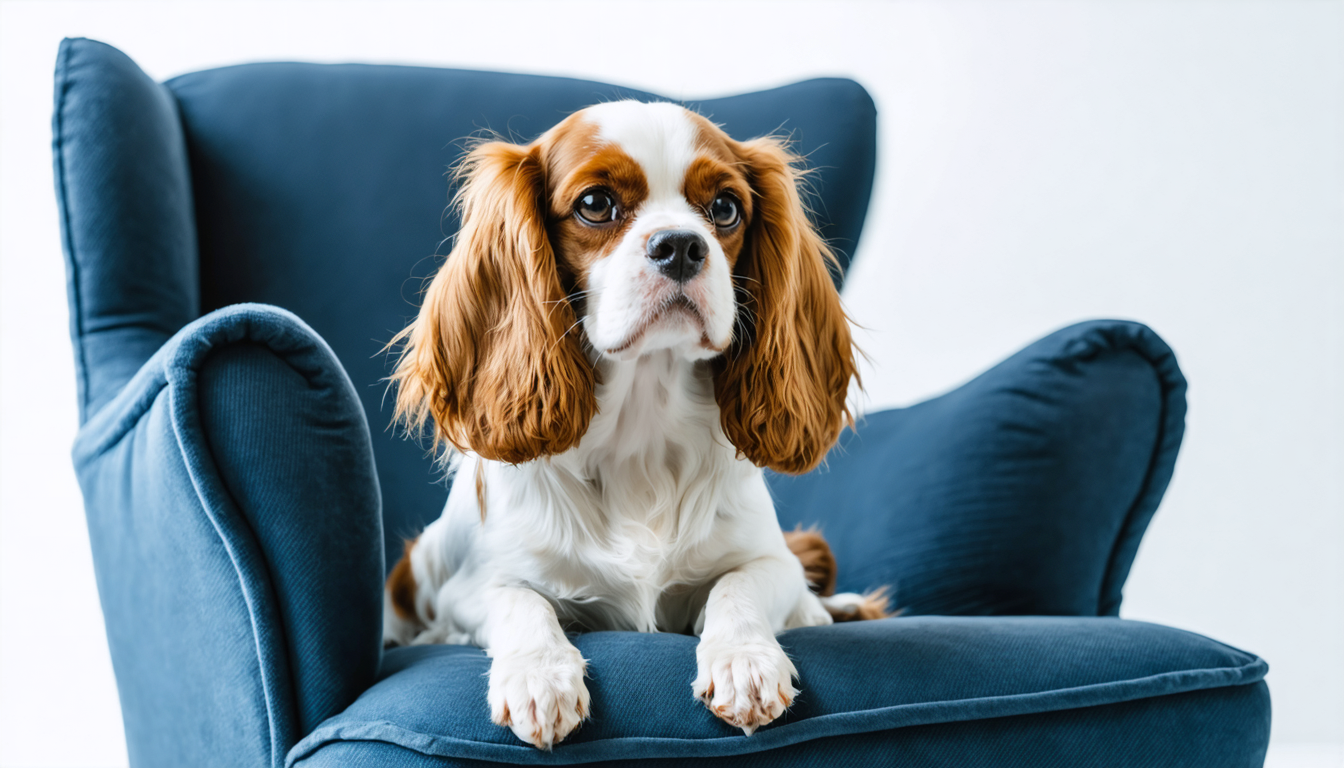
The Cavalier King Charles Spaniel offers another facet of the concept of canine gentleness, demonstrating that size does not determine character. This British breed, specifically bred as a companion dog, stands out for an extremely affectionate temperament and a remarkable ability to accompany its owners in their daily lives. In 2026, this breed is especially appreciated by people living in apartments or seniors, thanks to its calm nature and strong sensitivity to human emotions.
Canine trainers note that the Cavalier King Charles Spaniel possesses a rare sensitivity that allows it to detect emotional variations in its surroundings. It knows how to be present without being intrusive, thus creating a strong but respectful bond with its owners. This behavioral characteristic makes it an excellent emotional support dog for people seeking quiet and constant support.
In addition to its gentle temperament, this affectionate dog presents practical advantages that should not be overlooked, especially for households with limited space. Its moderate exercise needs make it easy to integrate even in urban apartments, while ensuring optimal physical and mental balance.
| Household type | Compatibility |
|---|---|
| Apartment | Excellent |
| Older people | Ideal |
| Families with children | Very good |
| First-time dog owners | Recommended |
The canine behavior of the Cavalier shows that the emotional bond often takes precedence over physical endurance or robustness. Its gentle dog character makes it an ideal choice for a wide range of profiles, including those looking for more than just a pet, but a true loyal and affectionate friend.
Understanding common elements among gentle dogs to choose your breed wisely
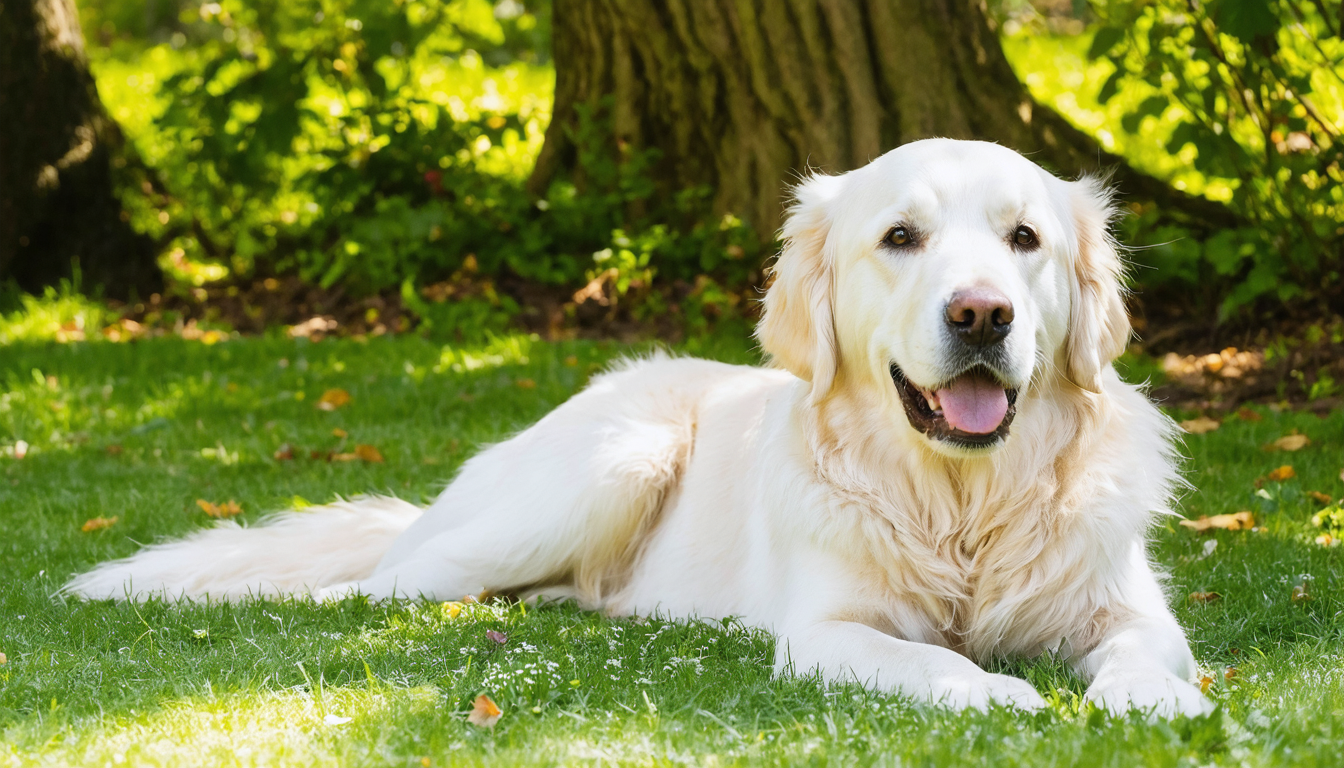
Through the in-depth study of these three breeds, it clearly appears that certain behavioral characteristics frequently recur among gentle dogs. These traits largely explain their affectionate nature and good adaptation to family life. Indeed, these dogs all exhibit low aggression, high sociability, and elevated tolerance toward children and other pets.
Historical genetic selection plays a fundamental role. For several generations, breeders have favored the reproduction of individuals displaying a stable and balanced dog character, which has helped fix these qualities in the genetic heritage of these breeds. At the same time, consistent canine education is essential to strengthen and refine these natural behaviors. Education supports the dog in learning life rules, ensuring a lasting balance between gentleness and respect.
Here are essential common points that explain why these breeds are in the top 3 gentlest dog breeds:
- Ability to understand and respond to human emotional signals: a rare empathy in dogs.
- High tolerance threshold: they withstand noises, sudden gestures, and groups of children well.
- Environmental adaptability: whether living in urban or rural settings, they know how to adjust.
- Sociability with other animals: their canine behavior facilitates coexistence with cats and other companions.
- Emotional stability: indispensable for facing stressful or new situations.
Choosing a gentle dog is not limited to selecting a breed; it is adopting a companion whose temperament aligns with your lifestyle and your ability to commit to its canine education. This prior reflection is the key to a strong, serene, and lasting relationship.
Essential tips for a successful adoption of gentle dogs
Adopting a gentle dog, whether a Golden Retriever, a Labrador, or a Cavalier King Charles Spaniel, requires thorough preparation. Evaluating your lifestyle is a major step. For example, a large dog like the Golden or Labrador requires sufficient space and a commitment to providing regular physical activity. On the other hand, the Cavalier King Charles is perfectly suited to limited spaces and a calmer pace.
The quality of breeding must also be part of the selection criteria. An experienced canine educator strongly recommends favoring serious breeders who select their reproducers as much for their genetics as for their character. Meeting the puppies’ parents or visiting the breeding facility allows observing the family behavior and avoiding unpleasant surprises later.
It is crucial to prepare the dog’s arrival by setting up a dedicated space, planning early social interactions, and choosing a trusted veterinarian. Every family member must be aware of daily responsibilities to guarantee consistency in canine education and a safe environment for the newcomer.
Here is a summarized list of key steps for responsible adoption:
- Sincere analysis of your availability and environment.
- Choice of a professional and recognized breeder.
- Material and emotional preparation for the dog’s arrival.
- Commitment to follow adapted and caring education.
- Respect for the physical and emotional needs of the dog.
Adopting a gentle dog means offering both a welcoming home and patient support, so that the affectionate dog character of the breed flourishes fully. This approach helps build a rewarding relationship and lasting companionship, meeting the expectations of all family members.