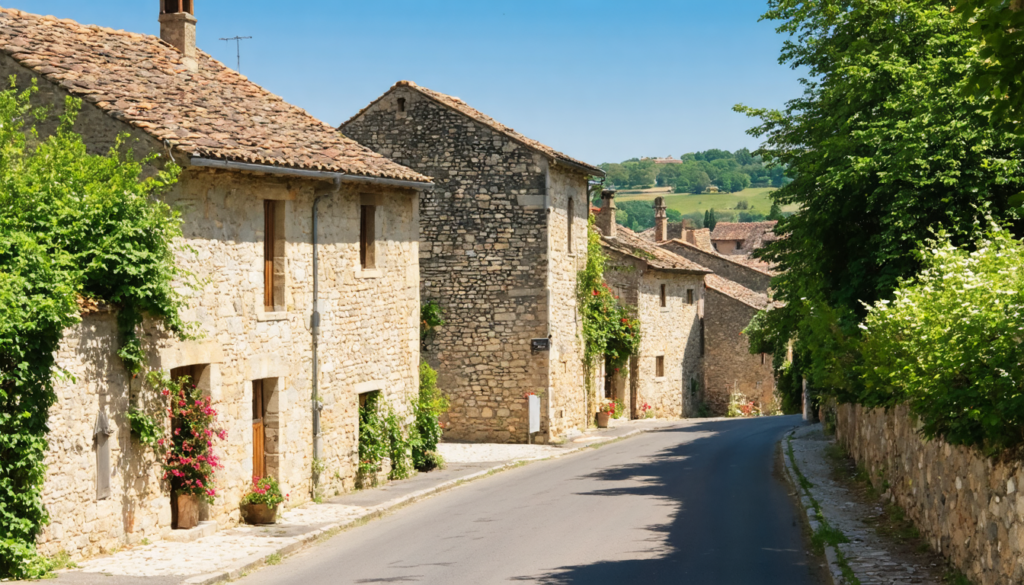
In 2024, a village in the South-West saw its authentic charm and exceptional heritage crowned with the prestigious title of the most beautiful village in France. Nestled in the heart of a region rich in history and varied landscapes, this small haven of peace brilliantly combines tradition and modernity, attracting the attention of both heritage enthusiasts and lovers of nature and culture. This national recognition highlights the local dynamism as well as the commitment of the inhabitants in preserving a unique living environment, where every stone tells a centuries-old story. A true architectural and natural gem, this South-West village embodies what France treasures most in terms of rural heritage.
Beyond its picturesque appearance, this distinction emphasizes a concerted approach around tourist development, the safeguarding of artisanal know-how, as well as the organization of cultural events that punctuate local life. This phenomenon is all the more remarkable as the growing attractiveness of the village goes hand in hand with a strong will for sustainable management, ensuring a tourism experience respectful of the surrounding environment.
In 2026, as the village continues to develop and shine beyond regional borders, its history and traditions remain alive thanks to the collective involvement of its inhabitants. This dynamic perfectly illustrates the richness and diversity of the South-West, a region where the art of living reveals itself through the harmonious blend of heritage, nature, and culture.
- 1 A village with incomparable charm: architecture and heritage at the heart of the South-West
- 2 A privileged geographical location at the heart of remarkable landscapes
- 3 An exemplary commitment from inhabitants for a lively and welcoming village
- 4 Strict criteria for a prestigious label: heritage excellence and local dynamism
- 5 The impact of the title on tourism and the local economy of the South-West village
A village with incomparable charm: architecture and heritage at the heart of the South-West
Located in a preserved natural setting, the village honored with this title benefits from a remarkably well-preserved medieval architecture. The paved streets wind between stone houses with facades in shades of ochre, beige and terracotta, topped with regional characteristic canal tiles. This chromatic harmony, coupled with the authenticity of the materials, gives the village a warm and unique luminous atmosphere, inviting visitors to a true journey through time.
Historical buildings abound: the Romanesque church with finely carved capitals, the ancient market halls, the millenary fortifications, and an emblematic castle trace the thread of a rich history. Every place, from the central square to the public fountains, bears witness to the past and present life of the village, where tradition and modernity meet delicately. The attentive conservation of half-timbered houses, dovecotes, and washhouses reveals an ancestral artisanal mastery that continues today through workshops and local artisans.
The authenticity of the heritage would be nothing without the mobilization of the inhabitants. Their commitment is shown not only in the meticulous preservation of the buildings but also in the transmission of traditional know-how, such as pottery, the making of regional artisanal products, or the restoration of ancient objects. These initiatives enrich the cultural offer of the village and attract quality tourism, curious and respectful of the place.
The deep link between history and daily life is thus one of the pillars explaining the success of the label application. For visitors, this village embodies what one seeks when speaking of the South-West: a subtle mix of charm, authenticity, and art of living.
A privileged geographical location at the heart of remarkable landscapes
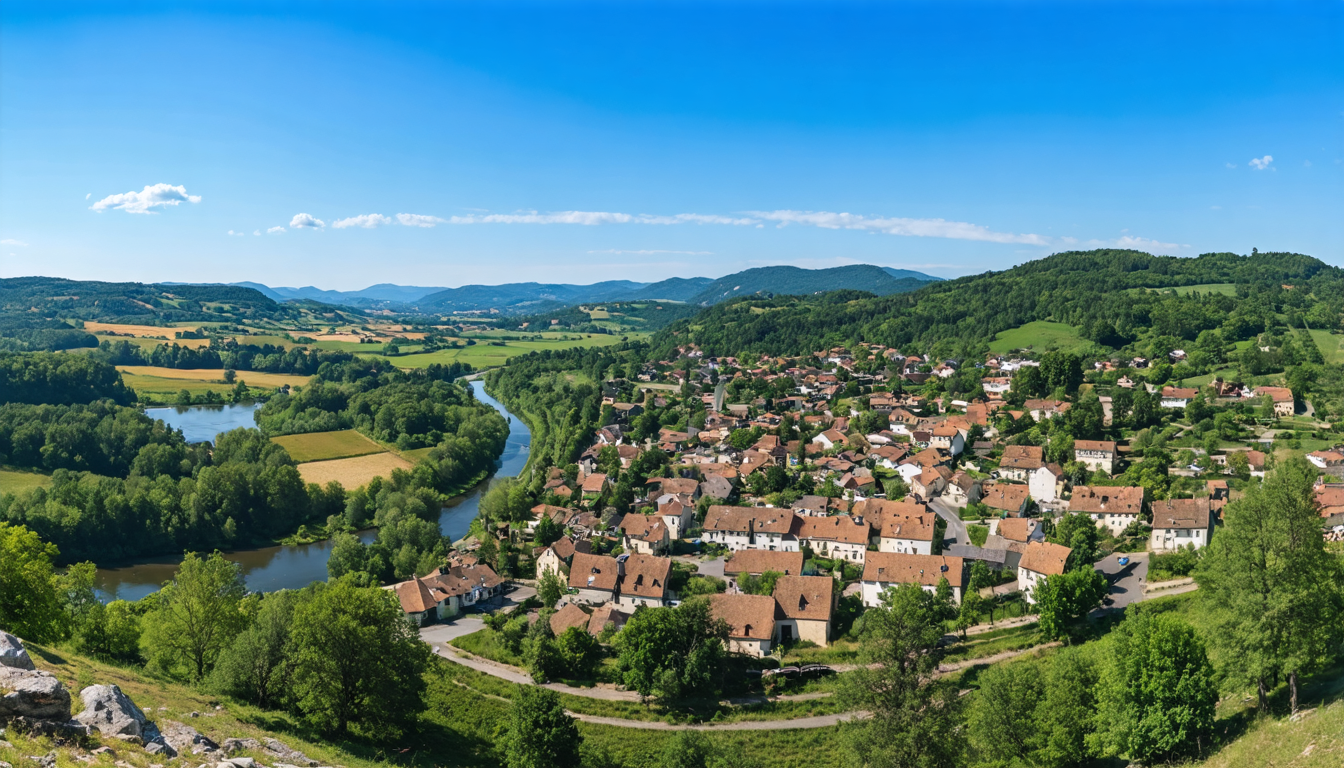
Geography plays a fundamental role in the soul of the awarded village. Situated either on a promontory offering spectacular views of the surrounding countryside or nestled in a lush valley, it benefits from a diverse and preserved natural environment. This position gives it a unique appeal, combining the tranquility of a rural setting with the ecological richness of the South-West.
The surroundings consist of a mosaic of natural environments: oak forests, flowered meadows, chestnut groves, and winding waterways. This ecological variety fosters the development of remarkable biodiversity, notably hosting protected species such as certain birds of prey, rare butterflies, or endemic plants. The village has set up interpretation trails to raise visitor awareness of this natural wealth, thus combining tourism and environmental preservation.
Outdoor activities are particularly developed around the village. The multitude of marked hiking trails allows exploration of panoramic viewpoints while discovering the local flora and fauna. Additionally, horseback riding and cycling complement this offer, as do water sports on nearby rivers. Green tourism here is conceived with a sustainable approach, preserving spaces and promoting a healthy and nature-respecting lifestyle.
More than just a backdrop, the natural setting is integrated into local life and culture. The link between humans and their environment is palpable in traditional festivals linked to the seasons, gastronomy, and artisanal know-how. It is this successful marriage between built heritage and living landscape that consolidates the village’s place among the most beautiful in France.
An exemplary commitment from inhabitants for a lively and welcoming village
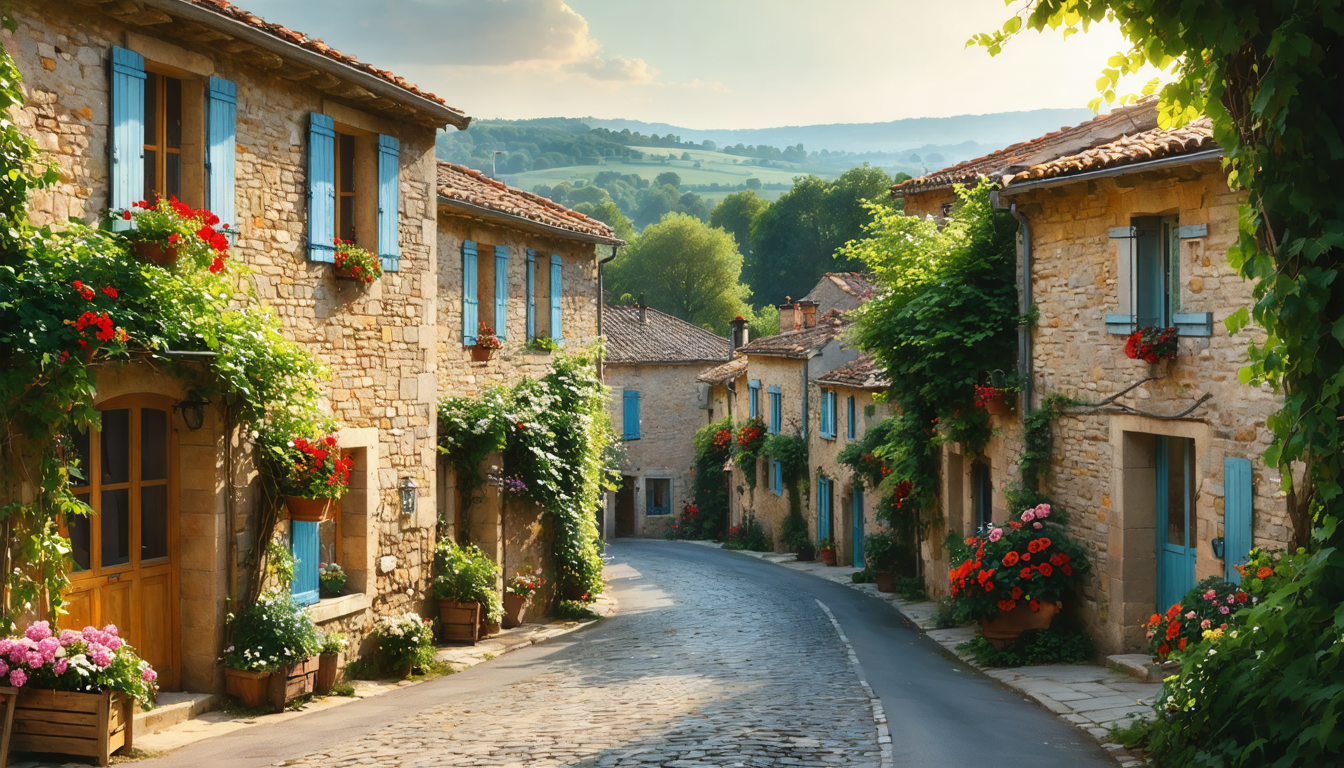
One of the major factors leading to the distinction of this village is undoubtedly the active involvement of its inhabitants. In this land, communal life is driven by a strong collective will to preserve the village’s soul while ensuring its economic and social development.
The scrupulous maintenance of facades, public spaces, and infrastructure is ensured daily by a population attached to its living environment. This vigilance contributes to the quality of reception and the enhancement of spaces, true showcases of the village. Local shops, inns, artisanal workshops, and local producers reflect a dynamic local economy, essential to rural vitality.
Moreover, the inhabitants multiply cultural initiatives. Traditional festivals, fairs, artisanal markets, and concerts in heritage sites punctuate the annual calendar, offering visitors an authentic immersion in the knowledge and customs of the South-West. These events foster exchanges between tourists and locals, strengthening the sense of belonging and intergenerational transmission.
Finally, collaboration with local authorities for sustainable tourism management is exemplary. The shared goal is to welcome visitors under the best conditions while limiting environmental and social impact. This approach thus reconciles economy, heritage, and quality of life, ensuring both the village’s prominence and the preservation of its authenticity for future generations.
List of inhabitants’ commitments to preserve and enliven the village:
- Constant maintenance of buildings and public spaces
- Regular organization of cultural events
- Transmission of ancestral artisanal know-how
- Support for local shops and short supply chains
- Participation in sustainable tourism management
Strict criteria for a prestigious label: heritage excellence and local dynamism
Obtaining the title of the most beautiful village in France is based on a comprehensive and rigorous analysis conducted by a national jury of experts. Each application is evaluated according to a multi-criteria grid assessing both the quality of heritage and the vitality of the village as well as the experience offered to visitors.
| Evaluation Criterion | Weighting | Elements Examined |
|---|---|---|
| Architectural Heritage | 30% | State of conservation, aesthetic coherence, authenticity |
| Natural Setting | 20% | Integration into the landscape, ecological diversity |
| Local Dynamism | 25% | Associative life, shops, cultural activities |
| Tourist Reception | 15% | Infrastructure, accommodations, services, signage |
| Cultural Valorization | 10% | Museums, festivals, traditions, crafts |
The excellence of the awarded village in these fields attests not only to a remarkable overall coherence but also to the capacity to combine heritage preservation and openness to the future. Its success represents a remarkable example for other rural localities seeking to enhance their heritage and dynamism.
The impact of the title on tourism and the local economy of the South-West village
Since receiving this distinction, the village has experienced a true tourism revolution. The influx of visitors has significantly increased, attracting a diverse clientele, ranging from history enthusiasts to families seeking authenticity. This rising attendance generates enthusiasm for the entire local cultural and heritage offer, transforming the territory sustainably.
Recent figures testify to this positive dynamic:
| Sector | Change since 2024 |
|---|---|
| Tourist accommodations | +35% |
| Restaurants and catering | +28% |
| Artisanal shops | +42% |
| Guided tours and cultural activities | +60% |
This economic growth benefits both inhabitants and local actors, strengthening the social fabric and fostering balanced development. However, the growing popularity also raises challenges in managing tourist flows and preserving heritage.
Local authorities have thus established various measures to ensure controlled tourism: geographic distribution of visitors according to seasons, awareness of best practices, and promotion of sustainable tourism. This exemplary model shows how a South-West village can combine attractiveness and respect for its deep identity.