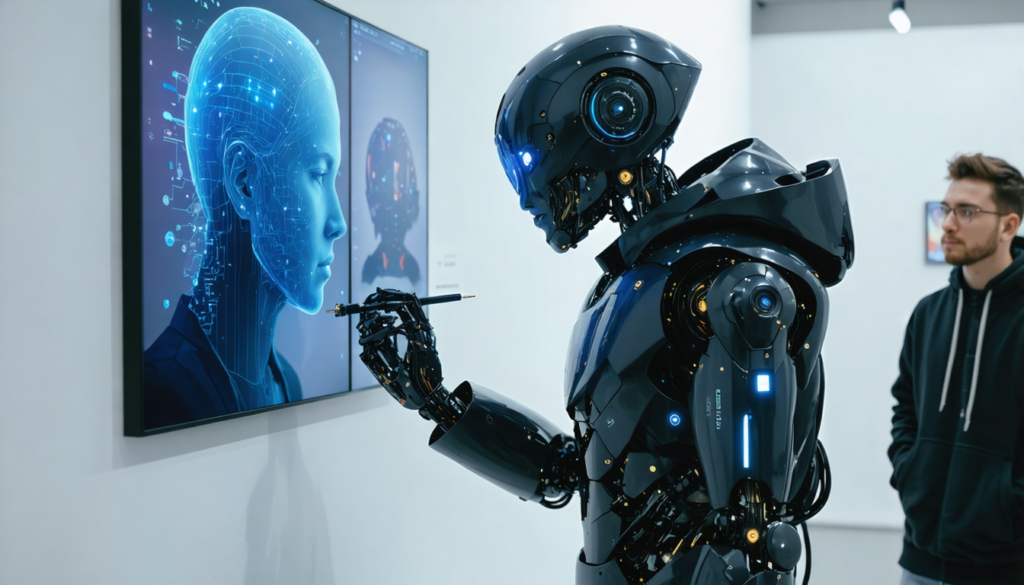
At the dawn of the 2020s, artificial intelligence (AI) established itself as a revolution in many sectors, including artistic creation. This revolution combines fascinating technological innovation and deep concerns for the actors of the artistic world. In 2026, a growing number of artists, musicians, writers, and other creators issued a vibrant and unanimous call: the rise of AI directly threatens human creativity and jeopardizes the very future of art as we know it. This alert is not limited to theoretical debates but is accompanied by mobilizations, legal actions, and specific demands in the face of a new landscape where technology seems to impose itself to the detriment of artists. A major coalition, the Human Artistry Campaign, has raised this alarm bell, denouncing the exploitation of protected works without consent or compensation. A deep tension emerges between innovation and ethics, where the artistic industry fights to preserve its wealth against sometimes unfair appropriation. The balance between progress and respect for creators’ rights is therefore at the heart of this global and crucial debate for the cultural and economic future of our societies.
- 1 The rise of generative AI and its impact on the contemporary artistic industry
- 2 The Human Artistry Campaign: a cry of alarm against organized creative plundering
- 3 The consequences of AI on human creativity and ethics in art
- 4 Lawsuits, regulation, and agreements: the legal battle to protect artists
- 5 The impact of AI on artistic jobs and the creative economy
- 6 Human creativity versus technology: a fragile balance to preserve
- 7 Towards a sustainable regulatory framework: protecting artists while fostering innovation
- 8 Global mobilization: artists, industry, and citizens facing the threatening rise of AI
The rise of generative AI and its impact on the contemporary artistic industry
Generative artificial intelligence, which notably includes models capable of creating images, music, or texts, is experiencing rapid development. In 2026, its capabilities are such that it can produce works almost indistinguishable from those created by humans. This fascinating advancement raises a paradox: is AI a new technological muse or a danger to traditional artists?
AI algorithms are trained on vast databases including existing works. However, this method poses a major ethical problem: these data often include reproductions of protected works, used without permission. The consequence is twofold. On one hand, artists see their creations copied and integrated into the “memory” of AI without any compensation. On the other hand, these artists are sometimes eclipsed by automatically generated results, accessible instantly and at lower cost, which challenges the economic viability of human creation.
In the United States, awareness is palpable, with the creation of the Human Artistry Campaign. This coalition brings together emblematic figures and hundreds of concerned creators. They warn of a progressive “erosion” of the value of their work, reducing creativity to a mere data manipulable by technology. This dynamic also questions the very identity of art at a time when the boundary between human and algorithmic production becomes blurred.
The collision between AI and art thus invites deep reflection: how to integrate these innovative tools without diluting originality or demotivating creators? The success of such a reconciliation requires legislative frameworks, a clearly established ethic, and sustained attention to artists’ rights.
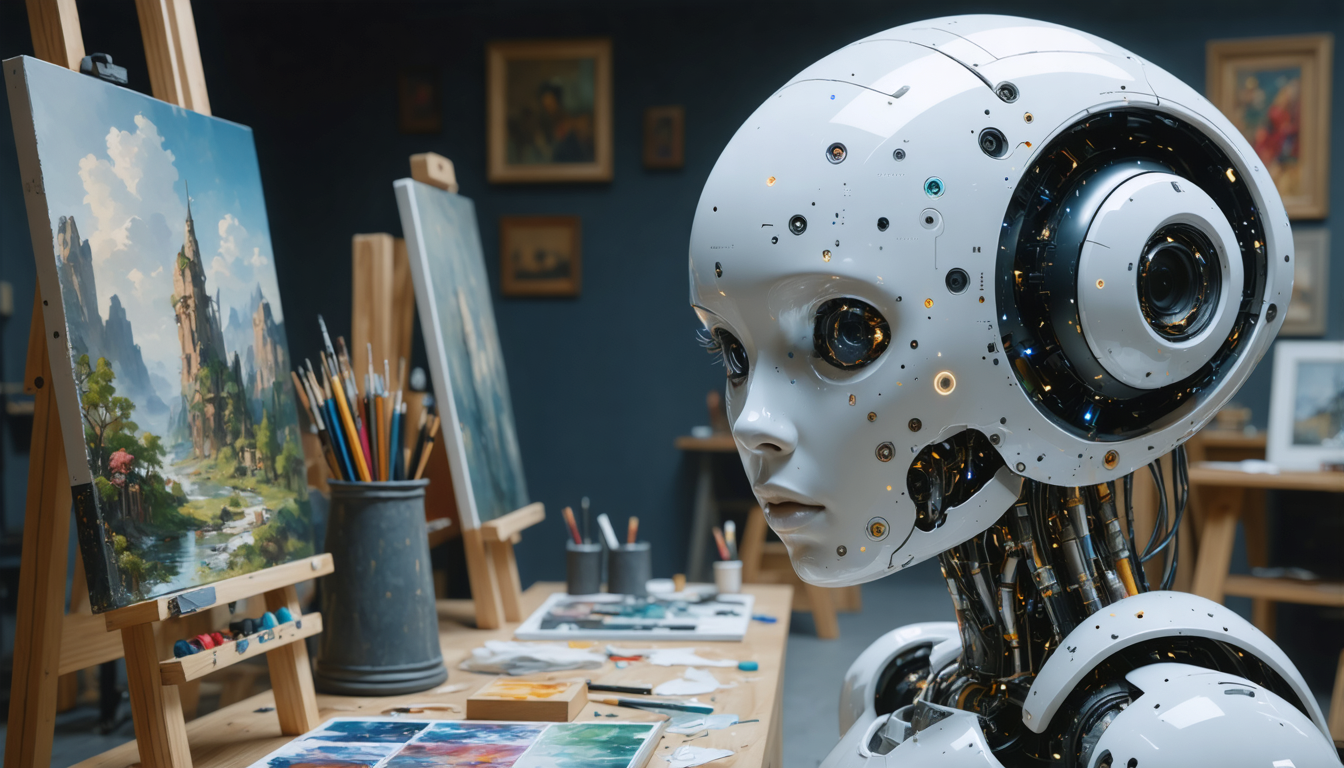
The Human Artistry Campaign: a cry of alarm against organized creative plundering
In January 2026, the Human Artistry Campaign gained considerable momentum. This coalition, born in 2023, includes a large community of artists, musicians, writers, and other cultural actors affiliated with prestigious associations such as the Recording Industry Association of America and the National Music Publishers’ Association. Its message is clear: faced with the rise of AI technologies, works must be protected and the central role of artists recognized.
The core of the fight is the denunciation of massive use of protected artistic works, used to train these machines to create content without requesting permission or paying royalties. In their eyes, this practice constitutes not only a copyright infringement but also a form of intellectual theft. The campaign loudly proclaims: “Stealing is not innovation.” This slogan gathers more than 700 influential personalities, including stars like Scarlett Johansson, Cate Blanchett, or Jennifer Aniston, who call for global awareness.
This mobilization is based on several insightful observations:
- Massive plundering: millions of works are used without consent, destroying the economic value of human creation.
- Societal impact: by trampling artists’ rights, AI threatens employment in the cultural sector and reduces the diversity of artistic expressions.
- The threat to originality: algorithmic imitation risks turning art into mere automated reproduction.
The campaign representatives insist on the necessity to establish strict rules, notably a regulatory framework imposing mandatory licenses for the use of original works. They also propose that artists be able to explicitly refuse the training of their works by these models, thereby retaining control over their creation and their professional future.
In this context, the call launched by the Human Artistry Campaign resonates as a global warning against the uncontrolled industrialization of creativity by AI. It is a fight for respectful coexistence between technological innovation and artistic dignity.
The consequences of AI on human creativity and ethics in art
The massive use of AI in artistic creation now raises profound ethical questions. Beyond the simple respect of copyright, it is the very nature of creativity that is challenged. Can we truly speak of art when a work is conceived or generated by a machine?
For artists like Dr. Moiya McTier, scientific advisor to the Human Artistry Campaign, authentic innovation is born only from “human motivation.” Exploiting the work of other artists to generate profits without recognition or compensation is not progress but a brake on culture. This vision highlights a paradox: even as technology multiplies technical possibilities, it could reduce the diversity and richness of artistic creation.
AI also generates a massive flow of content, often described as “AI residue” by the creators themselves. These works, devoid of soul or depth, contribute to informational saturation. Their multiplication dilutes the quality of available content, which can affect public perception and reinforce misinformation, notably via deepfakes or doctored works that distort the cultural landscape.
In this framework, ethics become a crucial imperative. How to guarantee transparency of the use of works, respect for consent, and balanced distribution of benefits? Collective reflection is necessary to define standards ensuring that AI is a tool serving human creativity, not its substitute or predator.
The challenge is also an important economic and political question: the sustainability of the artistic industry, a major stake for cultural economies worldwide. Letting AI trample on rights and human labor could lead to a general impoverishment, notably in terms of jobs, diversity of expression, and international influence.
Lawsuits, regulation, and agreements: the legal battle to protect artists
Artist mobilization against abusive AI does not stop at declarations or campaigns. For several months, a series of emblematic lawsuits are transforming the legal and economic landscape of the artistic industry. These disputes are seen as turning points in the recognition of rights against technological power.
The most emblematic case is the historic settlement in September 2025, in Bartz v. Anthropic. This decision marks a milestone: Anthropic was ordered to pay a record sum of 1.5 billion dollars to authors whose works had been used without permission during the training of their chatbot Claude. This constitutes the largest judgment ever rendered for copyright infringement on this type of issue.
This case has opened the door to other similar legal actions, notably against giants like Apple, accused of using pirated works to train their AI system.
But the battle is not fought only in courts. In the music industry, examples show that another path is possible. Several licensing agreements have been negotiated between AI companies and major record labels such as Universal Music Group, Warner Music Group, or Merlin. These agreements illustrate that respecting artists’ rights and technological innovation can coexist within a regulatory framework that guarantees creators’ remuneration and the sector’s longevity.
The table below summarizes the current status of major ongoing lawsuits and agreements to date:
| Case / Agreement | Parties involved | Subject | Result / Status | Implications |
|---|---|---|---|---|
| Bartz vs Anthropic (2025) | Authors vs AI company | Unauthorized use of protected books | Settlement at 1.5 billion dollars | Major precedent for copyright protection |
| Class action against Apple | Authors vs Apple | AI training on pirated works | Trial ongoing | Case closely followed by the creative industry |
| Udio / Suno Agreements – Major labels | AI companies and music labels | Licenses for AI training and artist remuneration | Agreements in place | Model of respectful coexistence |
The impact of AI on artistic jobs and the creative economy
The rise of AI in the artistic field disturbs not only creative processes but also has a deep effect on the artistic job market. The progressive mechanization of certain tasks, now performed by software capable of reproducing, modifying, or inventing content, affects several professional categories.
Musicians, painters, writers, screenwriters, and journalists experience a radical evolution of their activity. In some sectors, competitive pressure from automated productions reduces demand for human work.
Moreover, the lack of fair remuneration when works are used to train AI generates a significant loss of income. This may push some talents to abandon their careers or change professions, further reducing cultural diversity and overall expressive richness.
- Direct job loss in certain traditional creative professions.
- Revenue decline linked to the massive spread of automatically generated content.
- Gradual disappearance of certain artistic styles not valued by AIs.
- New competition between humans and machines in artistic proposals.
- Reduced opportunities for young creators due to lack of financial recognition.
This economic shift raises questions about the sustainability of cultural industries. Without safeguards, technological innovation could lead to general impoverishment, ultimately negatively affecting the diversity and quality of productions.
Human creativity versus technology: a fragile balance to preserve
Technology, and more specifically AI, undoubtedly offers powerful levers to amplify human creativity. Software tools for composing, image generation, or scenarios can free artists from previously inconceivable technical constraints. But this collaboration also entails significant risks.
AI can foster a standardization of productions by relying on existing data, thus reproducing widespread patterns and dampening originality. Such a situation leads to a paradox where the more AI progresses, the more diversity could diminish.
Preserving the authenticity and soul of artistic creation then becomes paramount. This implies that artists continue to assert their unique vision, while integrating the possibilities offered by technology as a tool, never an end in itself.
Examples of artists who intelligently incorporate AI show that dialogue between humans and machines is possible, but only if it relies on strong ethical foundations and clear recognition of rights. Thus, it is imperative to reconcile innovation and respect for human values so that technological rise does not lead to the “death of art” but to its renewal.
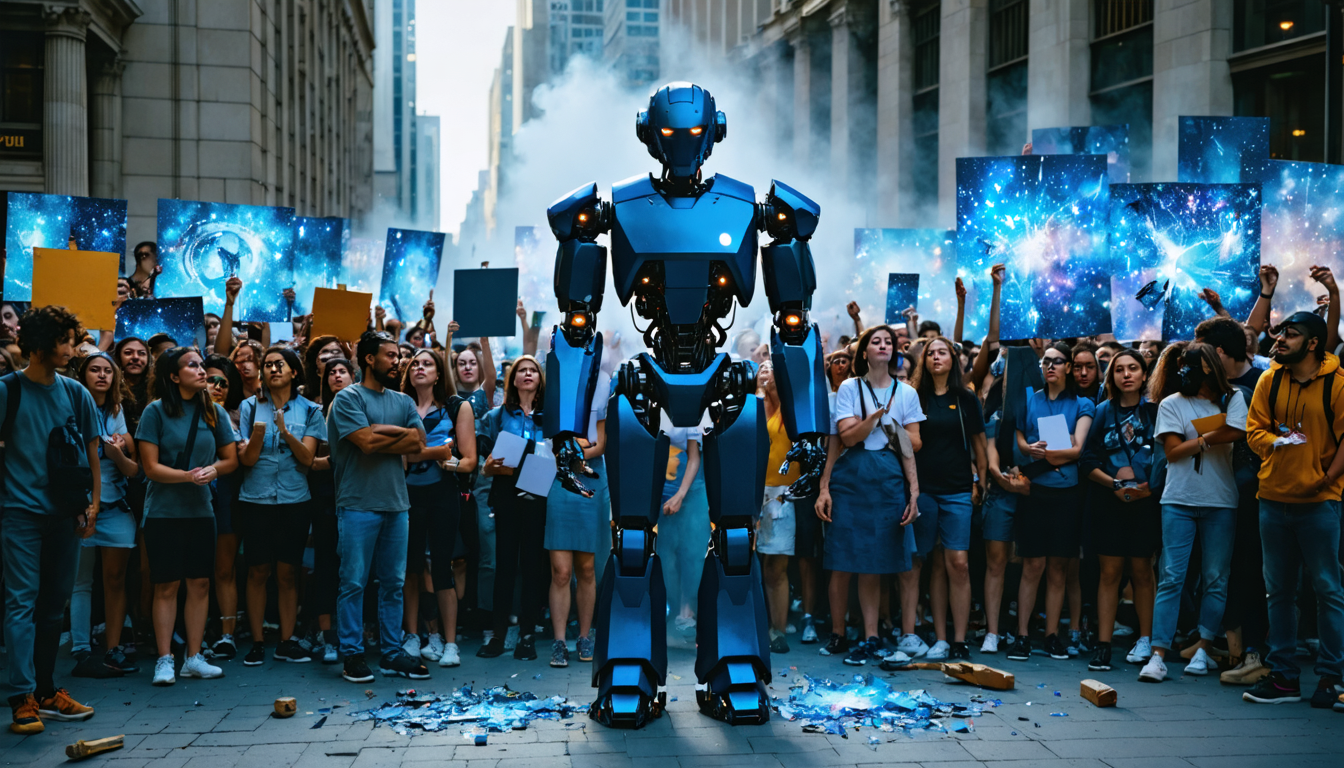
Towards a sustainable regulatory framework: protecting artists while fostering innovation
Several avenues are under study or being implemented to regulate the use of AI in artistic creation. The goal is clear: guarantee respect for creators’ rights while not hindering technological innovation.
Among the most discussed proposals in 2026 are:
- Mandatory licenses: These measures would allow artists to control the use of their works for training AI. They would also ensure fair and transparent remuneration.
- Explicit refusal right: Each creator could decide to exclude their works from databases used by algorithms.
- Increased transparency: Clear traceability of sources used, to inform the public and professionals.
- Ethical standards: Establish standards to guarantee the quality, authenticity, and integrity of AI-generated works.
- Enhanced support for artists: Training and reintegration programs to accompany professionals during this transition.
These measures, far from being ideological, seek to find a balance capable of protecting the creative fabric while allowing technologies to evolve. They demonstrate collective will to support the rise of AI so that it benefits society as a whole and does not sacrifice cultural human capital.
Global mobilization: artists, industry, and citizens facing the threatening rise of AI
Mobilization against the uncontrolled rise of AI in the art world goes beyond U.S. borders. Hundreds of artists worldwide gather to make their voices heard, alerting about risks to cultural diversity and human rights in this new paradigm.
This international movement unfolds through:
- Awareness campaigns on social networks, highlighting the need to respect human creativity.
- Protests and conferences bringing together researchers, creators, and lawmakers to debate the issues.
- Collaborative initiatives between artists and developers to co-create ethical digital environments.
- Political pressure for governments to adopt laws protecting original works.
This dynamic shows that civil society is increasingly aware of the fragility of artistic creations in the face of rapidly advancing technology. It is a genuine fight to define the future of an artistic industry where human creativity remains at the heart of the process.
Why do artists think AI threatens their creativity?
Artists consider that AI uses their works without authorization or remuneration, devaluing human creativity and endangering their employment and recognition.
What solutions does the Human Artistry Campaign propose?
It demands mandatory licenses for the use of works, artists’ right to refusal, and a strict regulatory framework to protect creators while allowing innovation.
What are the economic impacts of the rise of AI in art?
AI causes job losses, decreased income for artists, and reduced cultural diversity, threatening the sustainability of the creative industry.
How does the justice system respond to these issues?
Historic lawsuits such as Bartz vs Anthropic resulted in heavy sanctions and set precedents, while licensing agreements show that compromise is possible.
Can AI be a tool for artists?
Yes, if used ethically, AI can amplify human creativity without replacing it, serving as a collaborative tool respecting creators’ rights.