In the midst of a global digital revolution, the collaboration between the French startup Mistral and the consulting giant Accenture marks a strategic turning point in the development and deployment of artificial intelligence. While thousands of companies are still seeking to move from simple prototypes to large-scale operational solutions, this alliance brings together French technological innovation and international expertise. Sharing a common vision, these two players propel themselves to the heart of a dynamic of massive adoption of personalized AI, driven by tailor-made solutions that take into account sectoral and regulatory specificities. In this context, understanding the stakes, modalities, and impact of this partnership constitutes an essential key to grasp the current evolution of intelligent technologies serving businesses.
For several years, many AI pilot projects have struggled to cross the threshold of experimentation due to a lack of a solid integration and support framework. In 2026, this situation encourages industry players to rethink their market approach, seeking strategic partnerships to offer comprehensive solutions combining advanced technology and operational support. Mistral, through its youth and agility, and Accenture, thanks to its global positioning and methodological expertise, embody a promising model for accelerating digital transformation. This synergy aims to transform artificial intelligence from mere technical curiosity into a true strategic lever capable of generating concrete and measurable results, adapted to the diverse needs of large international groups.
- 1 Personalized AI solutions at the heart of the Mistral-Accenture partnership
- 2 Accenture and Mistral: a strategic alliance to transform AI into competitive advantages
- 3 Regulatory and security challenges in the development of personalized artificial intelligence
- 4 Concrete benefits for companies thanks to the Mistral-Accenture partnership
- 5 Cooperation that fits within a global movement of large-scale AI integration
- 6 Challenges and risks related to the partnership between startup Mistral and Accenture
Personalized AI solutions at the heart of the Mistral-Accenture partnership
At the core of this alliance, the development of artificial intelligence solutions adapted to the business realities of large groups constitutes a major objective. The challenge goes far beyond merely providing generic models. Mistral and Accenture intend to co-design intelligent tools tailored for sectors such as banking, industry, energy, and public administration. This personalization relies on a thorough understanding of business processes, local regulatory constraints, and security imperatives specific to each domain.
For example, in the banking sector, it is not only about deploying predictive analysis models but also about ensuring compliance with European data protection standards and the specific requirements of financial regulators. This dual technical and regulatory requirement necessitates designing integrated and transparent AI architectures capable of interfacing with complex existing systems while guaranteeing the traceability of algorithmic decisions.
In industry, personalized AI must enable optimization of production processes, predictive maintenance of equipment, and the management of international supply chains. Each aspect requires adapting models to take into account environmental specificities, supplier diversity, and sensitivity to security risks.
To meet these expectations, the partnership relies on a pragmatic and collaborative approach. Mistral’s teams bring their expertise in advanced AI model architecture, while Accenture capitalizes on its field knowledge of large-scale deployment and its existing network of international clients. This complementarity allows for quicker delivery of turnkey, integrated, and compliant solutions, thus facilitating adoption by businesses.
Accenture and Mistral: a strategic alliance to transform AI into competitive advantages
The choice of Accenture by Mistral is no coincidence. The consulting firm is recognized for its expertise in digital transformation and the integration of emerging technologies for its clients. By forging this partnership, Mistral benefits not only from major commercial validation but also from an operational lever to support companies in the transition to personalized AI solutions.
The business model of the partnership goes beyond the mere technological aspect: Accenture also becomes a client of Mistral. By internally integrating the developed tools, the firm can test the robustness, reliability, and relevance of solutions under real conditions, thus ensuring continuous improvement and constant adjustment to field needs.
Furthermore, Accenture plans to deploy targeted training and certification programs, ensuring that its clients’ teams acquire an in-depth mastery of technologies based on Mistral’s models. This training component is crucial to overcome the barrier of technical experimentation and encourage sustainable adoption across organizations.
This integrated approach illustrates a strong trend within the sector: innovative startups can no longer settle for offering raw algorithms or platforms. They must design comprehensive offerings, blending technology, human support, and adaptation to regulatory and operational realities. In this context, the alliance between a young French startup and a global consulting player embodies a relevant response to the growing expectations of large companies regarding personalized AI.
Regulatory and security challenges in the development of personalized artificial intelligence
The European regulatory framework surrounding artificial intelligence is tightening, placing data sovereignty and compliance at the heart of concerns for businesses. For Mistral and Accenture, these requirements are not obstacles but drivers of innovation. Designing compliant AI solutions requires rigorous mastery of architectures, algorithmic transparency, and enhanced data security.
For example, regulations such as the European AI Act require that solutions be audited, risks clearly identified, and end-users provided with clear information about automated decisions. These constraints help structure the development of models and guarantee responsible and ethical adoption of AI.
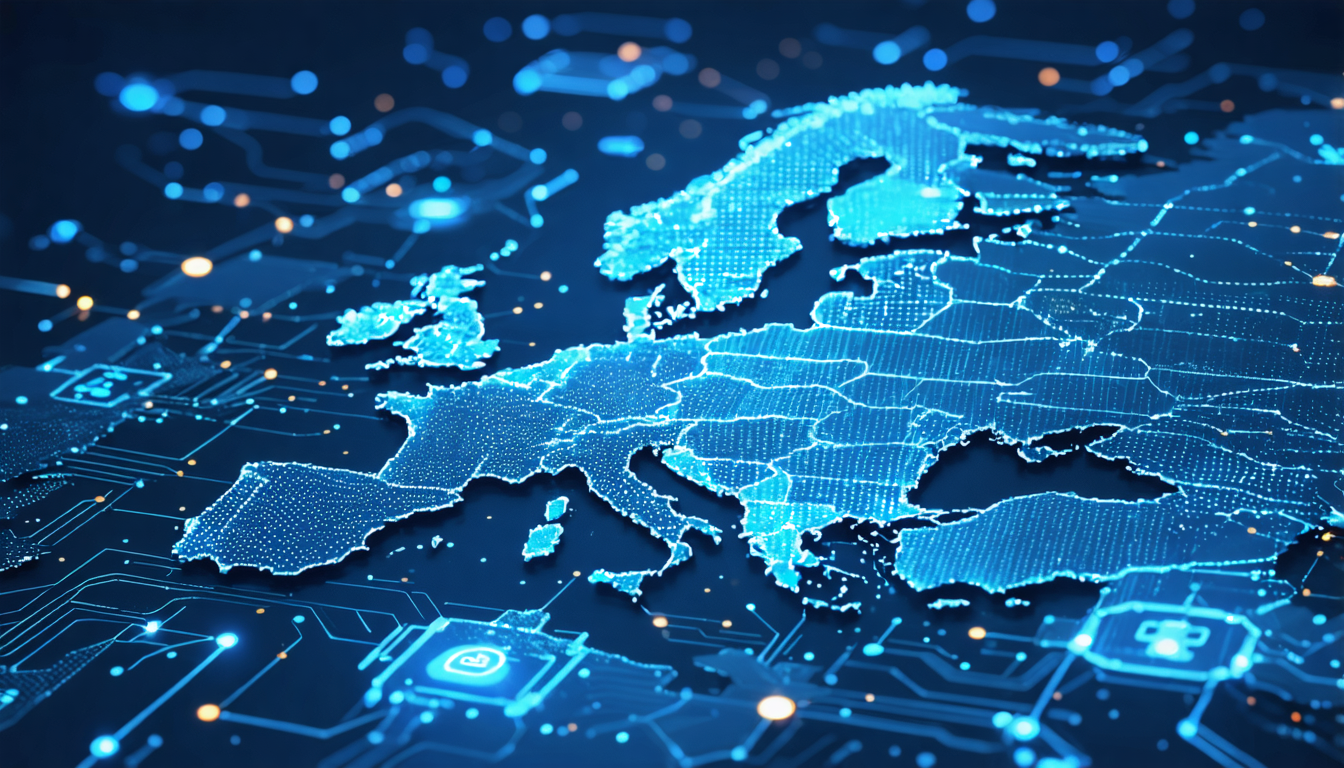
This positioning proves strategic for Mistral, which, with its French base, can meet the specific expectations of large European accounts wishing to avoid dependence on American technologies. Collaboration with Accenture, present on all continents, also enables preparation for global deployments while respecting local legislations—an indispensable balance for controlled international growth.
Security issues also include the protection of sensitive data against cyberattacks, a high-stakes challenge for sectors like energy or health. Developing solutions that naturally integrate these protections strengthens client trust and ensures the sustainability of AI projects.
Concrete benefits for companies thanks to the Mistral-Accenture partnership
Beyond technical and regulatory aspects, this partnership aims to generate tangible impacts for client organizations. Mistral and Accenture thus intend to facilitate the transition of AI from being perceived as experimental to becoming a strategic value-generating tool.
The transformation brought about by personalized artificial intelligence is notably measured by:
- Improved operational efficiency, through intelligent process automation and reduction of human errors;
- Accelerated and optimized decision-making thanks to predictive analytics integrated into information systems;
- Rapid adaptation to market changes via continuously updated models tailored to sectoral contexts;
- Strengthened regulatory compliance energized by the transparency and traceability offered by developed solutions;
- Skills enhancement of teams, thanks to targeted training offered by Accenture, fostering expert use of AI.
These benefits are crucial in a competitive ecosystem where agility and the ability to innovate quickly become decisive levers. To illustrate this efficiency, several jointly conducted pilot projects have already demonstrated notable improvement in key indicators, whether in productivity gains or cost optimization.
To visualize the extent of these benefits, here is a comparative table between the initial state before the implementation of Mistral-Accenture solutions and the results obtained at the end of deployment:
| Criterion | Before AI deployment | After personalized AI deployment | Improvement % |
|---|---|---|---|
| Operational productivity | 100% | 130% | 30% |
| Decision time | 10 days | 6 days | 40% |
| Error costs | 100% | 70% | 30% |
| Regulatory compliance | 60% | 95% | 35% |
| Mastery of AI tools | 30% | 80% | 50% |
Cooperation that fits within a global movement of large-scale AI integration
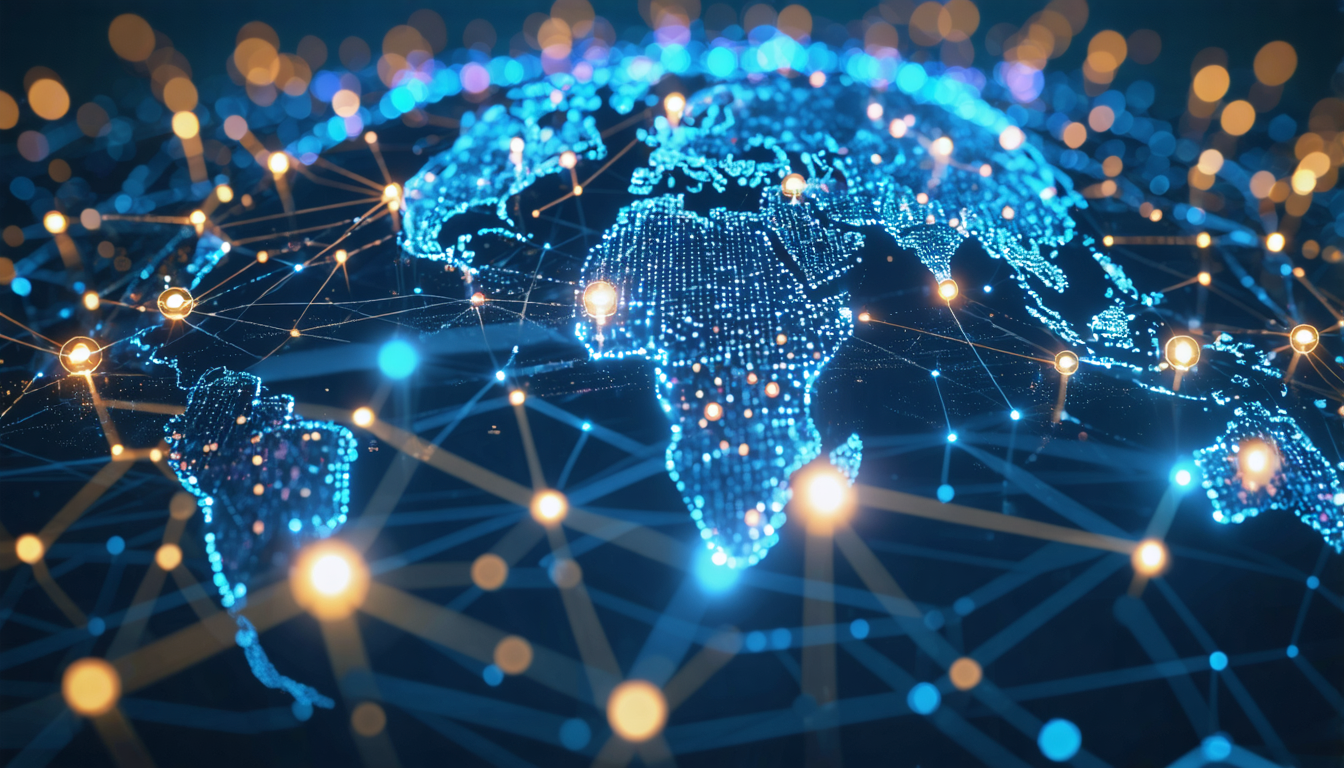
The partnership between French startup Mistral and Accenture fits into a global dynamic where artificial intelligence evolves from a purely experimental domain to a major operational issue at the heart of corporate strategies. This collaboration echoes a recent trend observed among sector giants, who form alliances with consulting firms to accelerate the scaling of AI technologies.
Notably, similar initiatives include the “Frontier Alliance” launched by OpenAI, which brings together major consulting players such as Boston Consulting Group, Capgemini, and McKinsey & Company. Anthropic, on its side, has developed a notable presence thanks to partnerships with Accenture, IBM, and Deloitte. In this context, Mistral clearly positions itself as a serious and legitimate competitor on the international stage.
These networks not only foster the rapid dissemination of innovations but also the pooling of knowledge related to governance, security, and compliance of AI tools. The European dimension of this collaboration strengthens digital sovereignty, a fundamental issue for companies located on this continent.
The growing needs for large-scale personalized AI imply close coordination between technology developers and integrators. This allows clients to benefit from a coherent, secure offering aligned with their business realities, thus limiting risks related to disorderly or fragmented adoption.

While the benefits of this partnership are numerous, it is important not to overlook the risks and challenges inherent in this type of collaboration. One of the primary issues concerns the technological and strategic dependence that may develop between a startup and a large consulting firm. Indeed, this relationship can limit the autonomy of the young company and steer its roadmap according to its partner’s commercial priorities.
A change in Accenture’s commitment or strategy could have an immediate and potentially negative impact on joint projects, slowing down or even halting certain developments. Furthermore, adapting AI models to the requirements and standards of large accounts could reduce Mistral’s capacity for disruptive innovation, forcing it to prioritize robustness at the expense of creativity.
Finally, the sensitive issue of digital sovereignty and the management of strategic data highlights increased complexity. Entrusting a third party with the dissemination and integration of critical technologies exposes a potential risk of dilution of control over sensitive information. This challenge requires the implementation of rigorous control and transparency measures to preserve the confidentiality and independence of innovations.
Constant vigilance is therefore necessary to balance the advantages of rapid and secure adoption with the preservation of agility and innovation that characterize the success of French tech startups like Mistral.