

In a context where artificial intelligence is redefining educational and family practices, the recent statements by OpenAI CEO Sam Altman have shaken the public debate. During his appearance on the Tonight Show set, he candidly stated that it would be almost unimaginable for him to raise a child without resorting to ChatGPT. This remark, blending humor and provocation, raises a crucial question: can child education really do without advanced technologies in our connected world? Altman, an iconic figure of technological innovation, encourages a profound reflection on the interaction between artificial intelligence and parenting. From then on, the growing dependence on tools like ChatGPT to address parents’ daily questions poses the issue of the place of these technologies in learning and educational ethics.
Reactions are strong, oscillating between fascination for innovation and concern about a possible excessive delegation of parental responsibilities to artificial intelligence. These discussions are linked to broader concerns about the impact of AI on the child’s development, socialization, as well as the nature of parental authority in the digital age. Thus, this complex subject lies at the crossroads of ethics, child psychology, and technological advances, inviting a detailed analysis of the challenges related to the use of ChatGPT in the education of the youngest.
- 1 The use of ChatGPT in children’s education: revolution or dependency?
- 2 Sam Altman, CEO of OpenAI: a statement that disrupts traditional parental codes
- 3 Limits encountered in the use of ChatGPT for children’s education
- 4 OpenAI facing the ethical and societal challenges of education with ChatGPT
- 5 Societal impacts of integrating ChatGPT into children’s learning
- 6 How do educators and specialists perceive the use of ChatGPT with children?
- 7 Best practices for integrating ChatGPT into family daily life
- 8 Comparison: advantages and risks of using ChatGPT for parents in 2025
- 9 Frequently Asked Questions and Answers about Children’s Education with ChatGPT
The use of ChatGPT in children’s education: revolution or dependency?
The use of ChatGPT to support children’s education is far from being a mere passing trend. In reality, it is a major evolution that profoundly changes the way parents approach learning and monitoring their children. Through the interactive dialogues offered by ChatGPT, many parents now find immediate answers to varied questions: behavior management, simplified scientific explanations, ideas for educational activities, even nutritional advice. This intensive use illustrates how technology is becoming an almost indispensable companion in the daily management of parenting.
However, this omnipresence also raises a crucial question about emotional and cognitive dependence on artificial intelligence. Sam Altman himself warns that the tendency to rely excessively on a chatbot to resolve queries, sometimes even medical, can be problematic. The risks are multiple: distortion of knowledge, imprecise or inappropriate answers, and above all the loss of an intimate and human relationship in supporting the child. Several recent studies have shown that while AI can enrich the educational experience, it cannot replace the sensitivity, judgment, and experience of parents.
This situation provokes an intense debate among educators, psychologists, and child development specialists: how to integrate technological innovation without sacrificing the fundamental bases of education? One often suggested avenue is to consider ChatGPT not as a substitute, but as a complementary tool, offering additional resources while maintaining strict parental control and constant vigilance regarding the relevance of the information provided.
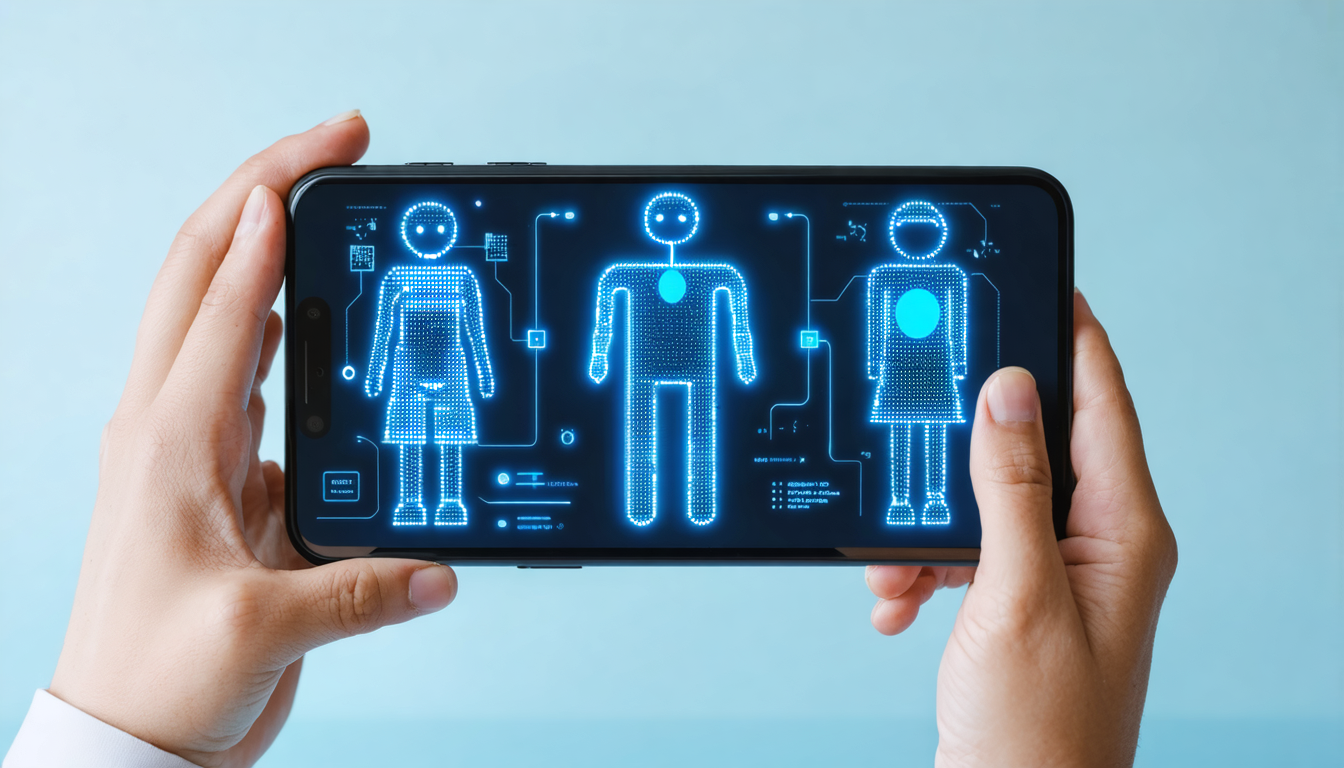
Sam Altman, CEO of OpenAI: a statement that disrupts traditional parental codes
Sam Altman’s statement declaring that he cannot imagine raising his baby without using ChatGPT causes a real earthquake in the parental world. Reflecting a contemporary reality, it illustrates the gradual shift towards co-education with artificial intelligence. For Altman, AI represents a valuable help, a personal assistant always available, capable of instantly answering questions as varied as sleep schedules, dietary recommendations, or techniques for managing crying.
This innovative stance is part of a dynamic of technological innovation serving parenting, where the boundary between human and digital becomes blurred. Yet, this approach is not unanimous. Several psychologists and pediatricians warn of the risk of dehumanizing essential educational interactions for the child’s fulfillment.
The central question raised by this statement is therefore whether artificial intelligence, despite its remarkable advances, is able to assume part of the responsibility linked to education, particularly in transmitting values, socio-emotional development, and emotional support. For Altman, using ChatGPT is like having a counselor available at any time, which meets a growing need among modern parents, often faced with situations requiring quick and reliable answers.
Limits encountered in the use of ChatGPT for children’s education
Despite the enthusiasm generated by ChatGPT, several studies point out notable limitations of its use in the family educational context. A 2024 study conducted by the University of Kansas revealed sometimes significant errors in the answers provided by the AI on questions related to child health or development. Some errors, although minor, can mislead stressed and vulnerable parents.
These failures illustrate one of the main challenges of artificial intelligence in this context: the inability to fully grasp the individual complexity of each child. AI processes general data, often sourced from the internet, which limits its discernment in personalized and emotionally nuanced situations. For example, it cannot perceive a child’s nonverbal cues or adjust its advice according to a specific family environment.
The dangers of excessive trust in ChatGPT’s answers are therefore real. A misinterpretation or erroneous advice could not only cause stress but also poor management of critical situations, notably in health or child psychology matters.
Educators strongly recommend using these tools with caution and never substituting their expertise for that of qualified professionals. This calls for increased vigilance on the part of users and OpenAI, which must strengthen parental control mechanisms and prevent any inappropriate use of its AI.
OpenAI facing the ethical and societal challenges of education with ChatGPT
The rise of ChatGPT in households raises fundamental ethical and social responsibility questions for OpenAI. The CEO, aware of the stakes, has announced the upcoming implementation of parental control devices designed to protect children from risks associated with unsupervised use. This safeguard system aims to limit access to potentially harmful content while promoting educational use adapted to each age group.
This is a major innovation in the field of educational technologies, aiming to reconcile openness of knowledge and protection of the most vulnerable. However, the company faces distrust from many parents and experts who point to the difficulty of fully controlling algorithms in situations as sensitive as education.
Beyond parental control, OpenAI has also undertaken deep reflection on algorithmic transparency and the integration of ethical values in the training of ChatGPT. Ensuring a responsible and beneficial use of artificial intelligence for children’s education is now a major priority for the company.
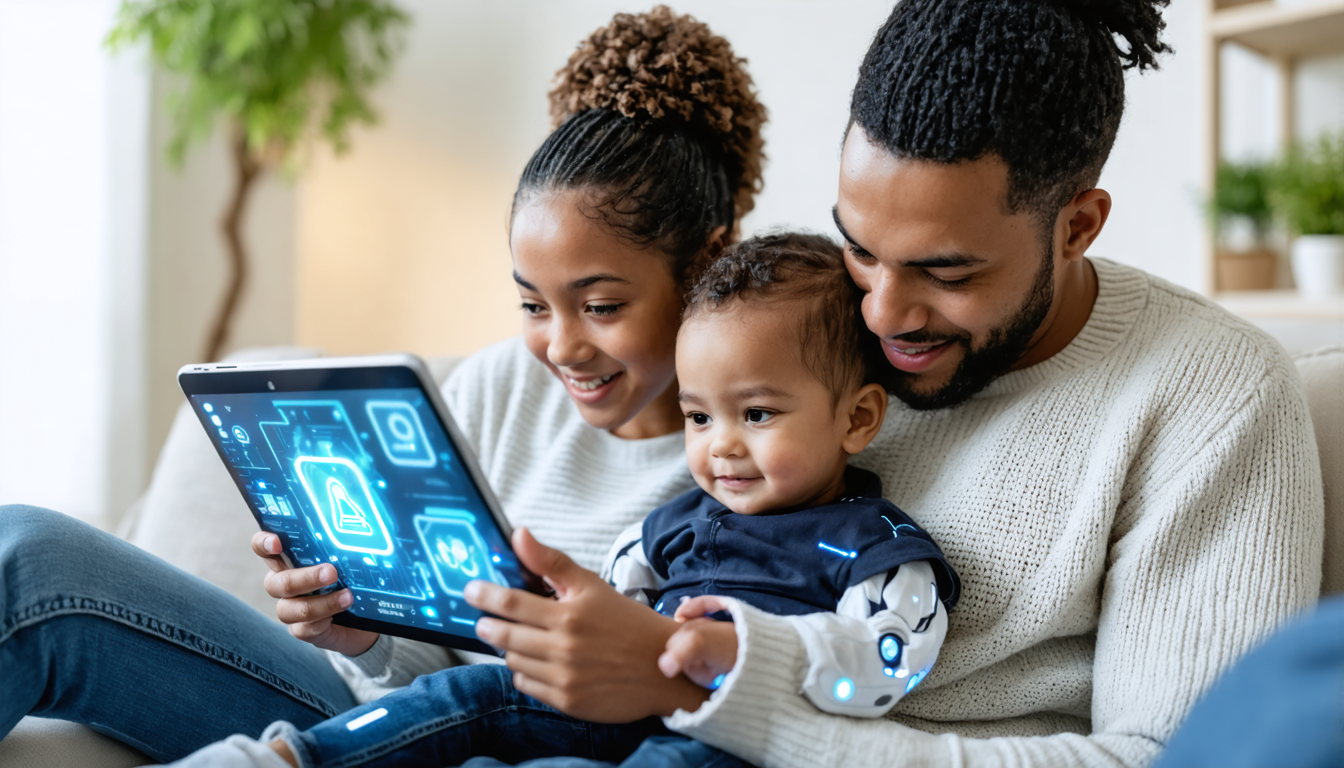
Societal impacts of integrating ChatGPT into children’s learning
The integration of ChatGPT into home educational activities profoundly modifies social behaviors and family dynamics. Children now grow up in an environment where technology is omnipresent, influencing their relationship with knowledge, authority, and communication. This situation leads to a reconfiguration of interactions between parents and children, as well as a change in traditional learning methods.
A notable effect is the reduction in direct exchange time between parents and children on certain questions, replaced by online consultations with ChatGPT. This phenomenon can affect the building of the emotional bond, which is fundamental for the child’s psychological development. Furthermore, it alters the perception of parental authority, which can be challenged if the child consults AI to validate or contradict a given point.
Moreover, a risk of educational divide appears. Families with the technical and cultural means to use ChatGPT effectively can benefit from a clear advantage, while others, less equipped or informed, are marginalized. This point reinforces the need to develop public policies ensuring equitable access to innovations while raising awareness of their limits.
How do educators and specialists perceive the use of ChatGPT with children?
Education professionals, psychologists, and pediatricians express heightened vigilance regarding the growing use of ChatGPT in education. Many acknowledge that AI offers useful support, notably as a 24/7 accessible resource, capable of assisting parents with simple and repetitive questions. However, they emphasize the need not to prioritize the tool to the detriment of the human bond and attentive observation of the child.
Experts also report cases where the use of ChatGPT has helped improve the understanding of complex subjects for children facing difficulties, stimulating their curiosity and facilitating their learning. This potential is undeniable and valued as progress. Nevertheless, they warn against the habit of automating everything, which could hinder the development of critical thinking and creativity in young people.
To reconcile innovation and educational ethics, many specialists recommend defining precise usage frameworks, combining human intervention with technology to optimize learning without sacrificing essential emotional and social dimensions. In this sense, AI education becomes a major challenge for schools, parents, and institutions.
Best practices for integrating ChatGPT into family daily life
To make the most of artificial intelligence in children’s education while avoiding pitfalls, here are some recommendations based on recent studies and feedback from parents and professionals:
- Limit use to informative questions so as not to substitute parental or professional judgment.
- Systematically verify advice with specialists, especially for medical or psychological topics.
- Encourage open dialogue between parents and children about information obtained via ChatGPT to strengthen common understanding.
- Use the chatbot as a playful support to stimulate curiosity and learning, without making it an exclusive source.
- Define dedicated times for interaction with AI to avoid excessive dependence.
- Maintain screen-free activities essential for the child’s motor, creative, and social development.
Adopting these best practices helps build a harmonious educational environment where technology complements without overwhelming the parent-child relationship.
Comparison: advantages and risks of using ChatGPT for parents in 2025
To better understand the implications of using ChatGPT in education, a summary table of benefits and potential dangers highlights current debates.
| Advantages | Risks |
|---|---|
| Instant access to a large knowledge base | Error in advice, especially on health |
| Availability 24/7, quick response to overwhelmed parents | Excessive dependence and loss of parental autonomy |
| Interactive educational support promoting playful learning | Reduction of essential human interactions |
| Possible personalization of answers according to age | Lack of consideration for emotional and family context |
| Encouragement of curiosity and experimentation | Access inequalities linked to technological resources |
Frequently Asked Questions and Answers about Children’s Education with ChatGPT
Using ChatGPT for medical questions should remain limited and does not substitute for the opinion of a health professional. It is essential to consult a pediatrician for any serious question.
How to prevent my child from becoming dependent on AI?
Clear limits must be set, screen-free activities encouraged, and an open dialogue about AI use maintained to frame its use in a balanced way.
Can ChatGPT replace the expertise of an educator?
No, AI is a complementary tool that facilitates access to information but cannot replace the judgment, experience, and human intervention of an education professional.
What are the educational benefits of ChatGPT for children?
ChatGPT can stimulate curiosity, help understand complex concepts, and offer interactive educational support, fostering more engaging learning.
How does OpenAI protect children using ChatGPT?
OpenAI implements parental controls and works to integrate ethical standards to ensure safe and appropriate use in children’s education.




