
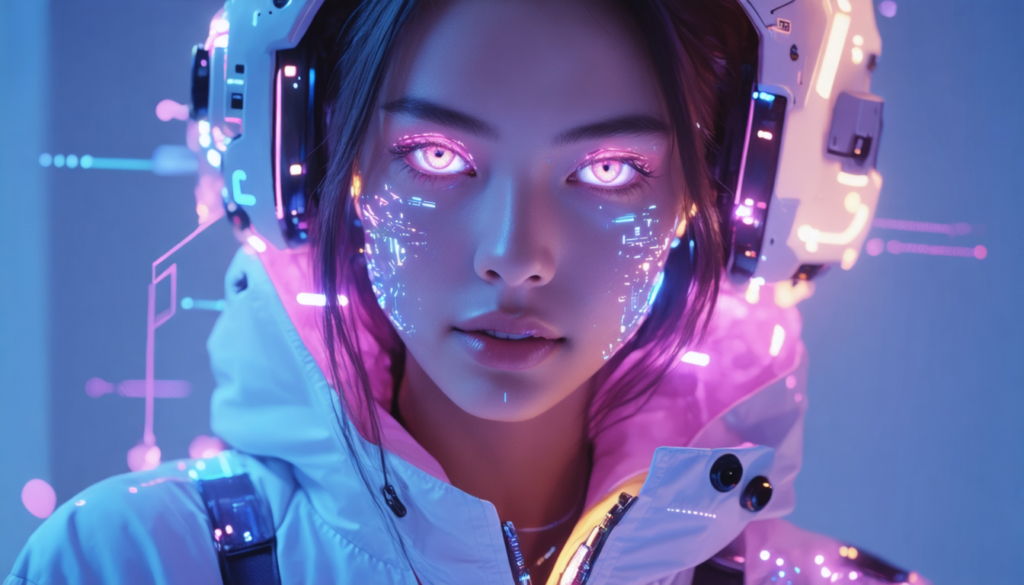
With the skyrocketing rise of artificial intelligence in 2026, creating personalized avatars from simple photos has become a practice accessible to everyone, with no exception for technical skills or financial investment. Whether it is to animate your presence on social networks, refine your professional image, or enrich your digital projects, free online generators allow you to transform your snapshots into unique digital representations. More than just a simple gadget, this tool is becoming established as a creative standard that takes personalization to a level never reached before.
In this practical guide, we will explore in detail the various methods to create a free and effective personalized avatar from your photos. Thanks to advances in AI-assisted photo editing tools, it is now possible to shape an image that looks like you while playing with styles, expressions, and moods, in a way previously reserved for professional graphic designers. Moreover, these solutions simplify the process to the maximum, with an intuitive interface and fast rendering, perfectly meeting the growing digital personalization needs of the public in January 2026.
This phenomenon is not limited to the world of video games or virtual reality. It concerns both professionals who want to adopt a coherent visual identity on LinkedIn and influencers looking to stand out on TikTok or YouTube. Let’s discover together the potentials, the tools, as well as the best practices to adopt to create a digital avatar that sets you apart while respecting privacy constraints and usage rights.
- 1 Why choose to create a personalized avatar from your photos for free
- 2 The different free methods to create a personalized avatar from your photos
- 3 Popular mobile applications for simple and free avatar creation in 2026
- 4 Online AI avatar generators: advanced customization and quality results
- 5 Animated avatars with HeyGen: an innovation for videos and interactive communication
- 6 The impact of 2D and 3D avatars and their role in advanced creative projects
- 7 Practical tips to optimize the creation of a quality personalized avatar
- 8 Future perspectives: personalized avatars and artificial intelligence in 2026 and beyond
Why choose to create a personalized avatar from your photos for free
The transformation of a photo into a personalized avatar via a free online tool today meets multiple challenges, far beyond simple aesthetics. This approach is part of an increased desire to master one’s digital identity, a phenomenon especially marked in 2026. In a world where online life plays a central role, controlling the image one broadcasts has become crucial.
For example, many content creators prefer to use an avatar instead of a real photo to preserve their anonymity while maintaining a strong visual link with their audience. This allows developing a recognizable brand image without exposing one’s private life. Moreover, in a professional context, some companies encourage their employees to adopt an avatar for their LinkedIn profiles or presentations, to instill a modern and coherent style while remaining professional.
One of the major advantages lies in the creative freedom offered. Indeed, an avatar is not limited to faithfully reproducing a photograph. It allows experimenting with different graphic styles – cartoon, realistic, artistic, futuristic – and distributing these choices according to platforms and objectives. For example, an entrepreneur who wants a minimalist and elegant avatar for her professional communications but a colorful and dynamic design for her personal networks.
Furthermore, creating avatars through free tools greatly simplifies the approach. No more photo sessions, complicated tinkering, or meticulous retouching. Wherever you are, all you need is a clear photo and access to an online generator to get nearly professional quality results in a few minutes. This speed of execution is particularly valuable for those who manage multiple social accounts or who wish to frequently renew their digital image.
Finally, in January 2026, the rise of AI avatars continues to gain importance in videos, animations, or interactive projects. These personalized visuals can serve as virtual spokespersons, animated avatars for tutorials, or to create immersive spaces in the worlds of gaming or e-learning, making the experience even more engaging. Transforming a photo into a personalized avatar thus opens up unprecedented creative perspectives.
The different free methods to create a personalized avatar from your photos
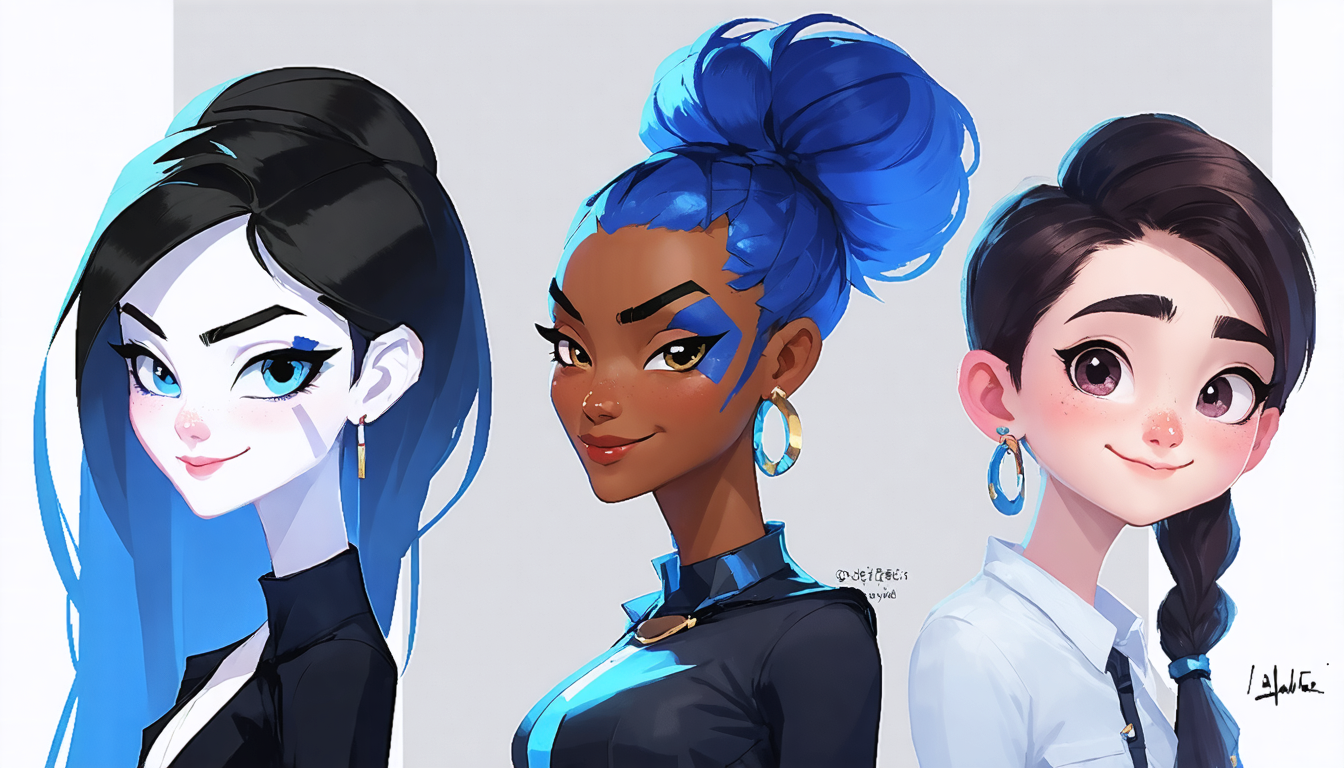
The world of free tools for creating avatars from photos is now vast and diverse, offering several approaches depending on your expectations and level of requirement. In January 2026, three main families of tools are clearly distinguished, each adapted to specific needs:
- General public mobile applications, easy to access and often equipped with intuitive interfaces, allow you to quickly create an avatar from a selfie or an imported photo. These applications generally offer preset and limited styles, as well as basic customization (hair color, accessories). Ideal for quick and fun creation.
- Online AI avatar generators step up with a fine analysis of facial features, capable of interpreting and reproducing varied expressions or artistic styles. They suit a more elaborate rendering, especially for creators wanting a faithful but customizable avatar perfectly adapted to their digital brand image.
- Advanced solutions like HeyGen exploit AI to generate dynamic avatars specially designed for video. These avatars can speak, move, and express emotions, which is perfect for interactive content, professional presentations, or tutorials. They offer a real advantage in terms of engagement and immersion.
To choose the appropriate tool, it is therefore necessary to precisely assess your need: basic use on social networks, creating a complete visual identity, or interactive video production. The right method will allow you to save time while benefiting from real personalization adapted to your profile.
Here is a practical table summarizing the characteristics of the methods mentioned:
| Method | Customization | Complexity | Recommended use | Limitations of free versions |
|---|---|---|---|---|
| Mobile applications | Basic (preset styles, limited accessories) | Very simple | Social profiles, messaging, quick creation | Frequent watermarks, limited choices, low resolution |
| Online AI generators | Advanced (multiple styles, expressions, adjustments) | Moderate | Creators, freelancers, small businesses | Creation limitations, advanced styles sometimes paid |
| Dynamic AI tools (HeyGen) | Highly advanced (animation, video-ready) | Moderate to complex depending on features | Videos, presentations, e-learning | Rarely fully accessible in 100% free version |
Popular mobile applications for simple and free avatar creation in 2026
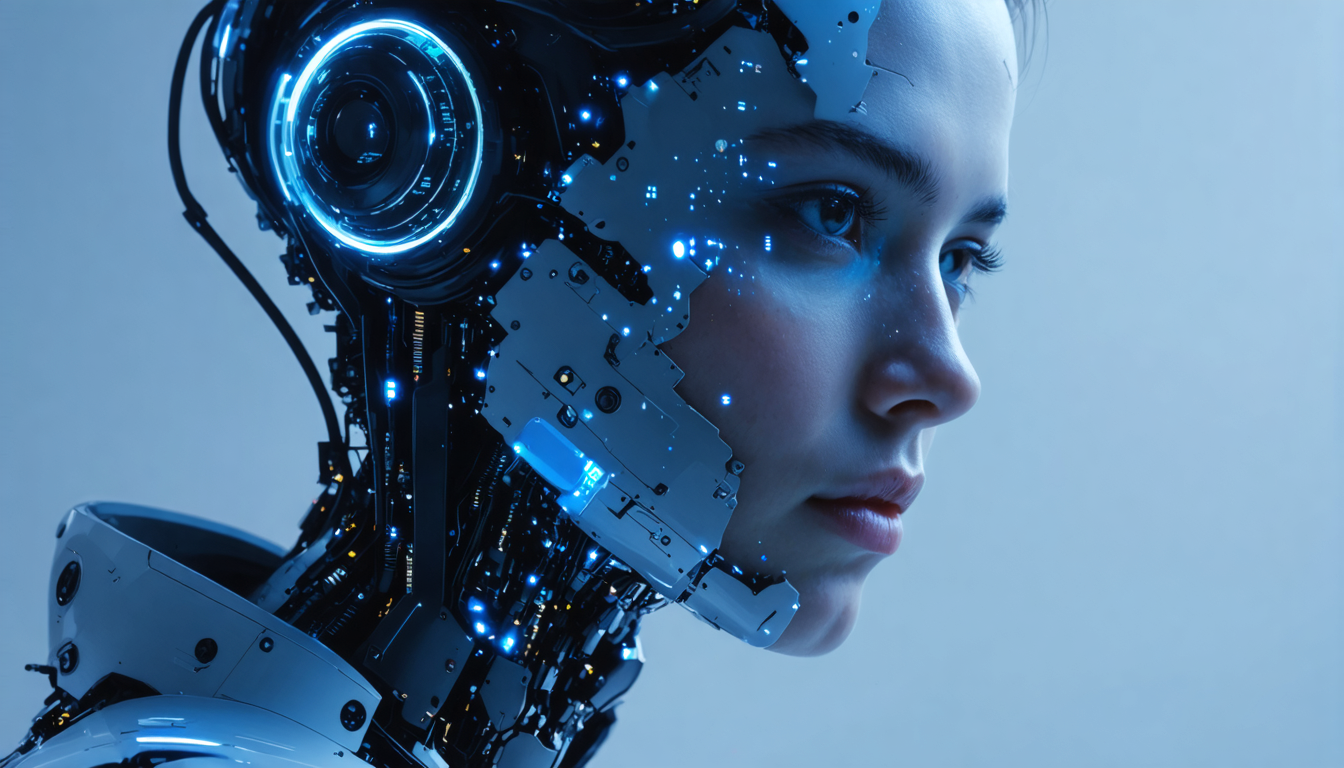
In January 2026, several mobile applications dominate the market for free avatar creation from photos. Their main appeal lies in their immediate ease of use and quick obtaining of a visually satisfying result.
Bitmoji by Canva is among the references. This application allows designing an avatar by precisely reproducing your look: hairstyle, facial features, clothes, and much more. Thanks to its varied options library, you can create an avatar that really looks like you, without any graphic skills.
On the other hand, Zmoji is known for its very expressive cartoon-style avatars. It offers customizable options and good integration with social networks, thus facilitating daily use on messaging apps or in your posts. Despite being free, a premium subscription sometimes offers more graphic elements, but the standard version remains largely sufficient for a first avatar.
Voilà AI Artist attracts users looking for a more artistic rendering. The application transforms your photo into an avatar in various styles: painting, sketch, or comic strip effect. These creative options are very popular to stand out on Instagram or TikTok.
These applications perfectly embody simplicity and accessibility, but it is good to keep in mind that customization remains limited to standard models. For more advanced uses, other solutions should be favored.
Online AI avatar generators: advanced customization and quality results
Avatar generators based on artificial intelligence offer an unprecedented level of customization, often accessible via a simple web browser, without download. In 2026, these tools use powerful algorithms capable of deeply analyzing the uploaded photo to create a very faithful or stylized rendering according to the user’s preferences.
For example, platforms like Artguru invite the user to upload their photo then, through a detailed description in natural language, to define the avatar of their dreams. The AI interprets this text to generate an image that corresponds not only to the face but also to the desired atmosphere – elegant, casual, futuristic, etc. This process combines ease of use with advanced creativity, particularly appreciated by digital content creators.
Another recently popular tool is Fotor, which integrates avatar creation into its photo editing suite. This service offers the possibility to generate an unlimited number of avatars from photos, with several modification and retouching options. It caters both to individuals and influencers who want to frequently vary their online image.
This generation of tools also offers a major advantage: compatibility with different resolutions and formats, which is essential for professional uses (websites, digital business cards, LinkedIn profiles, etc.). They also guarantee respectful handling of personal data thanks to strengthened privacy policies, meeting users’ increased sensitivity on the internet at this time.
Using an online AI avatar generator means adopting a powerful tool capable of merging your photos with a unique visual style, while increasing your digital visibility and recognition.
Animated avatars with HeyGen: an innovation for videos and interactive communication
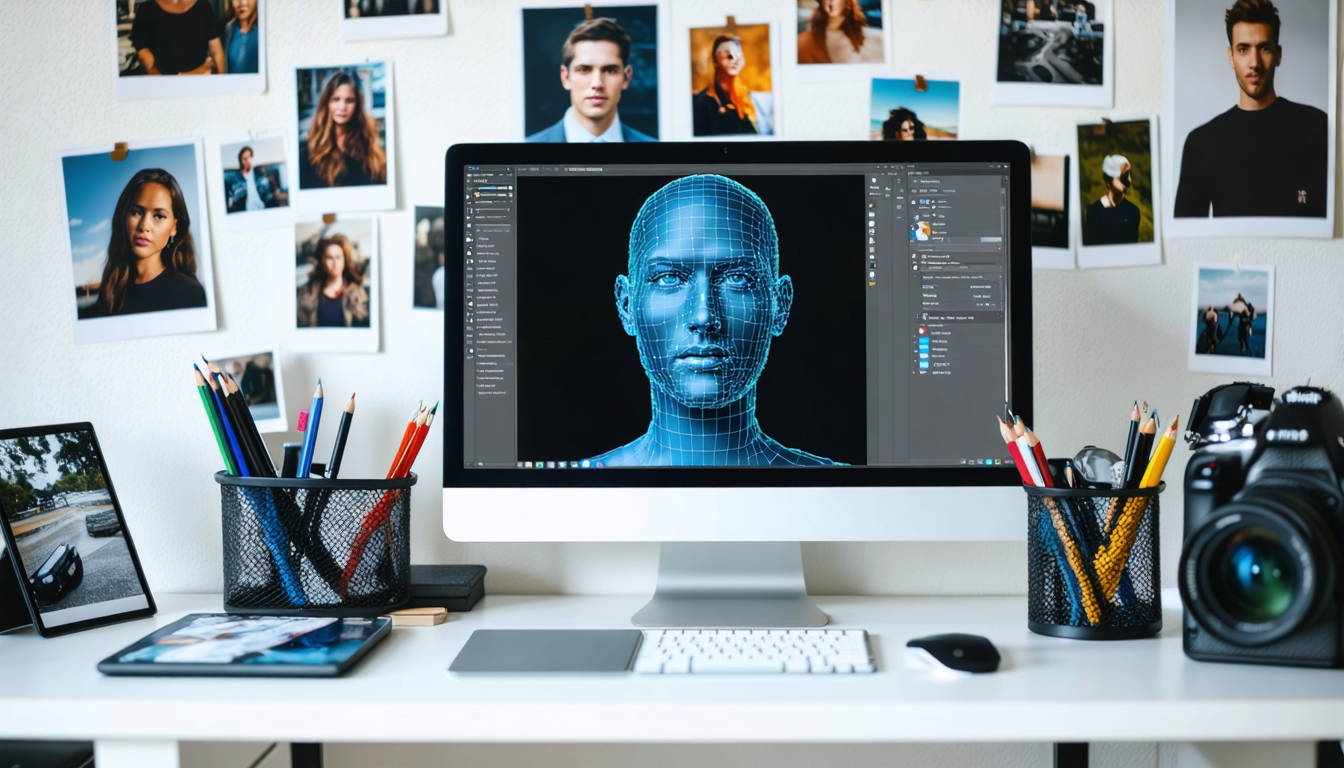
The rapid evolution of AI avatars now leads to surpassing the static image. HeyGen, for example, is a revolutionary platform for creating animated and realistic avatars from a photo, adapted to the needs of digital communicators in 2026. It specifically targets video presentations, animated tutorials, and interactive exchanges, where the avatar becomes a true virtual interlocutor.
HeyGen’s strength lies in its ability to generate avatars capable of synchronizing their facial expressions, head movements, and speech with an audio recording or a written script. This radically transforms the way video content is created, removing the need to record images oneself or hire an actor.
This technology has become essential for online trainers, marketers, but also influencers. For example, a fitness coach can use HeyGen to make personalized videos without appearing physically. This use of a virtual avatar also facilitates translation and adaptation of content into several languages while maintaining strong visual coherence.
For the average user, HeyGen’s intuitive interface allows quickly producing an animated avatar in a few clicks, without advanced technical knowledge. The platform guides step-by-step through the stages, from photo import to video clip generation.
Of course, full access to certain features may require a subscription, but a free or trial version allows testing this promising innovation at low cost, thus strengthening the growing appeal around interactive avatars in 2026.
The impact of 2D and 3D avatars and their role in advanced creative projects
The distinction between 2D and 3D avatars is becoming clearer, responding to varied requirements depending on uses. In 2026, 2D avatars remain very popular for social networks, forums, or online chats. They are easy to create and integrate, perfect for fast and stylized personalization.
However, 3D avatars are seeing growing adoption, notably in the sectors of video, streaming, or immersive experiences. They allow smooth animation, precise appearance control, and the possibility to interact in complex virtual environments. Content creators and video game developers capitalize on these avatars to offer more immersive and engaging experiences.
A strong trend is the combined use of these technologies to create hybrid universes where an avatar switches from a 2D style for social networks to a 3D version in streaming or augmented reality. HeyGen illustrates this enthusiasm well by offering avatars capable of being adapted in multiple formats.
Creating these advanced avatars often requires more advanced technical skills or paid services. However, some innovative free platforms are beginning to democratize these tools, making dynamic and personalized avatar design possible for a wider audience.
This development opens new perspectives for digital communication, experiential marketing, and even online training, where the presence of an animated avatar significantly increases attention and message retention.
Practical tips to optimize the creation of a quality personalized avatar
Creating a successful avatar does not only depend on the chosen tool but also on the quality of the original photo and certain good habits to adopt. Here is a list of essential recommendations to make the most of your free avatar creation process in January 2026:
- Choose a clear and bright photo: good exposure and a well-framed face will greatly simplify the AI analysis and improve rendering quality.
- Opt for a neutral or slightly smiling expression: this ensures a stable base for harmonious avatars, avoiding strange distortions.
- Avoid busy or too dark backgrounds: favor a plain background which facilitates the recognition of face contours.
- Try several tools: testing different platforms allows comparing styles and features and choosing the one that best fits your project.
- Check usage rights: even if the creation is free, make sure the obtained avatar can be used in the intended context, especially commercial or professional.
- Favor suitable formats: depending on use (social profile, video, printing), choose the appropriate resolution and size to maintain good image quality.
Following these tips will avoid unpleasant surprises and make your avatar more authentic and representative of your personality. As for customization, don’t hesitate to play with the proposed options and adapt the style to your digital identity, depending on the evolution of your networks or content.
Future perspectives: personalized avatars and artificial intelligence in 2026 and beyond
The year 2026 marks a pivotal stage in the development of personalized avatars, thanks to an increasingly effective combination of AI, graphic technologies, and intuitive interfaces. The future looks rich in innovations aimed at further improving user experience while expanding creative possibilities.
Expected trends include the generalization of interactive dynamic avatars capable of responding in real time, reading emotions, or even customizing their behavior according to the interlocutor’s profile. This evolution would radically transform digital communication and online interactions, bringing avatars and human beings closer than ever.
Furthermore, platforms integrating avatar creation directly into augmented reality or metaverse environments are emerging, allowing users to navigate and evolve with their personalized virtual double. This democratizes access to immersive universes while facilitating identity continuity between the physical and digital worlds.
Lastly, the ecosystem of free tools continues to expand, supporting both amateur and professional creativity through better accessibility. Technical advances in image processing and AI should also improve avatar fidelity, stylistic diversity, and make them more intuitive to manipulate.
Personalized avatars are no longer a passing fad but are establishing themselves as an essential pillar of digital communication and identity construction in the contemporary digital landscape — a visual and interactive revolution underway.
How to create a personalized avatar for free from my photos?
You can use mobile applications or online AI generators that analyze your photo and automatically generate an avatar in different styles, all free of charge. Tools like Bitmoji, Artguru, or Fotor are recommended for easy starting.
What are the criteria for obtaining a quality avatar?
Use a good quality photo with a well-lit face, a natural expression, and a simple background. Testing several generators will help you choose the one that best fits your expectations in terms of customization and style.
Can I use my personalized avatar for commercial purposes?
It depends on the terms of use of the chosen platform. It is important to check if commercial usage rights are included in the free version or if a subscription is necessary for professional use.
What are the advantages of animated avatars with HeyGen?
HeyGen allows creating animated avatars synchronized with an audio track or script, offering a dynamic solution for creating explanatory videos, tutorials, or interactive presentations, while requiring little technical skill.
What is the difference between 2D and 3D avatars?
2D avatars are flat images suitable for social networks and forums, while 3D avatars allow immersive and interactive animation, mainly used in videos, streaming, and virtual environments.




