
The choice between a new car and a used car represents a real challenge for buyers in 2025. While the automotive budget remains a central concern, the cost differences between these two options go far beyond the simple purchase price. The rapid depreciation of new vehicles contrasts with the immediate savings offered by used cars, but a thorough examination of expenses related to maintenance, car insurance, and vehicle financing reveals a complex landscape. In a context where technological innovations evolve rapidly and ecological constraints influence fiscal policies, every purchase decision requires careful consideration of the long-term impact. This debate, whether for a novice or experienced motorist, must integrate not only the financial aspect but also the reliability, safety, and resale value of the vehicles.
At the heart of many discussions, the immediate appeal of the used market attracts due to accessibility helping to acquire more efficient or better-equipped models for a given budget. However, the temptation of new cars, synonymous with reassuring warranties and advanced technologies, remains strong. The essential question remains: which of these options guarantees the best long-term savings? Let’s explore each key factor to illuminate this crucial choice.
- 1 The initial purchase cost and vehicle depreciation: the weight of the first investment
- 2 Maintenance and repairs: is it better to prioritize the peace of mind of new or accept the hazards of used?
- 3 Car insurance comparison and taxation: how do these costs influence long-term savings?
- 4 Fuel consumption and automotive technologies: sustainable savings thanks to new cars?
- 5 Reliability, safety and resale value: the final act of long-term savings
The initial purchase cost and vehicle depreciation: the weight of the first investment
The purchase price is often the first criterion in a car buying project, especially when the goal is to control one’s automotive budget. In this context, the used car has an undeniable advantage: it allows access to a wider range of vehicles for a much lower price than a new vehicle. For example, for the price of an entry-level new city car, it is common to find a well-equipped compact sedan on the used market, with several years of history.
This price gap is largely explained by vehicle depreciation, an inevitable phenomenon where a new car quickly loses a major part of its value. On average, it is estimated that within the first year, the depreciation reaches -20% to -25% of the purchase value. After 3 years, it can rise to -40% or even -50%, and after 5 years, the loss can exceed -60%. This table highlights a hidden essential cost to consider in any car purchase.
| Period | Average depreciation of a new vehicle |
|---|---|
| After 1 year | -20% to -25% |
| After 3 years | -40% to -50% |
| After 5 years | -55% to -65% |
This sharp decline is explained by several factors, notably being the first owner and the loss of “new” value. Conversely, buying a used car, especially after the first three years, allows the new owner to avoid this rapid drop. The vehicle undergoes slower depreciation during its remaining life, thus optimizing the later resale value.
To illustrate, imagine Claire, who hesitates between a new car priced at 25,000 euros and a three-year-old used car at 16,000 euros. Even if the purchase difference is clear, she must consider the rapid depreciation of the new car, which will reduce its value to about 12,500 euros after three years. Over the same period, the used car will lose much less value, making the overall purchase more economical in the long term. The choice is therefore crucial to avoid an initially advantageous investment turning into a financial loss.
Finally, the impact of this depreciation must be integrated into a global vision of the automotive budget. This cost amortized over several years influences all other charges and budgeting decisions related to the vehicle.
Maintenance and repairs: is it better to prioritize the peace of mind of new or accept the hazards of used?
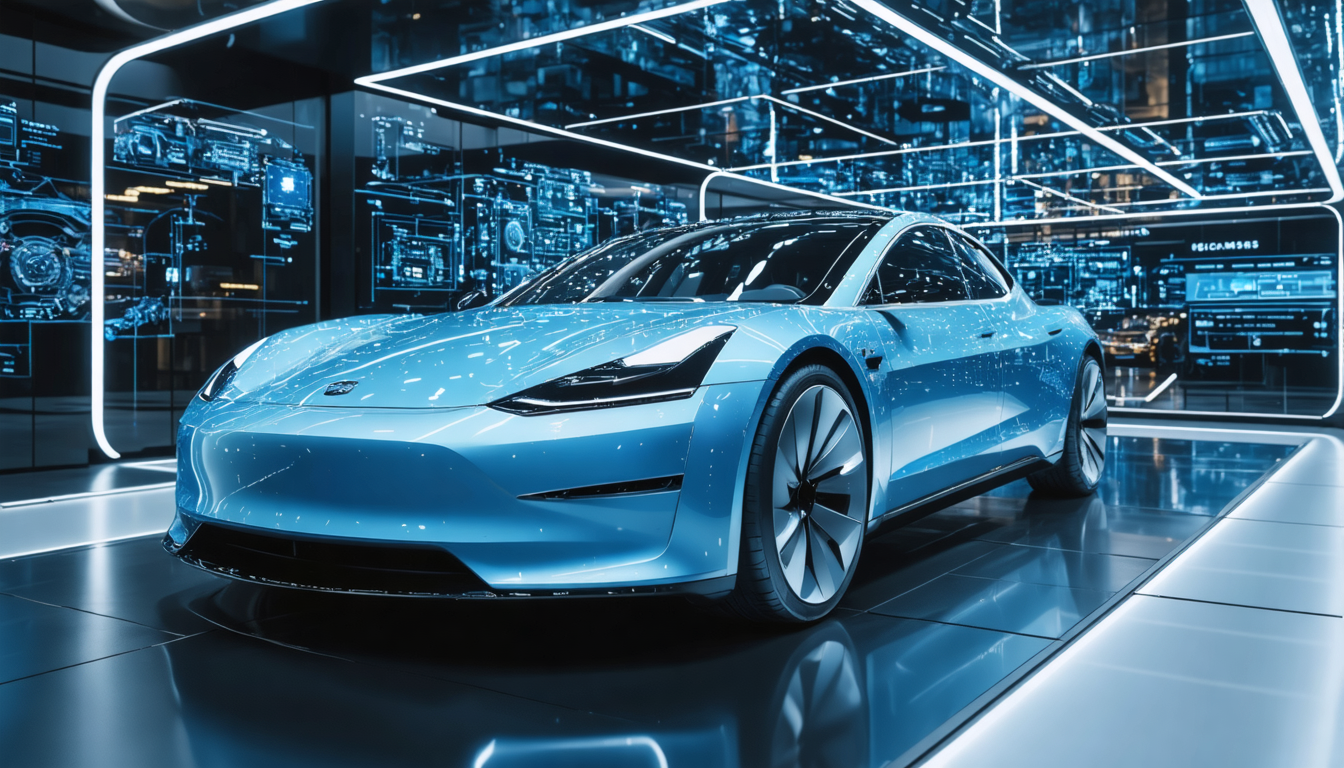
Maintenance is a major expense in the cost of a car, especially for those aiming to make long-term savings. A new car benefits from a significant advantage through the manufacturer’s warranty, generally offered between two and seven years depending on the brand. This protection covers potential mechanical and electrical breakdowns, thus limiting the risk of unforeseen expenses. During this period, the owner only pays for routine maintenance, rigorously prescribed in the maintenance logbook, as well as technical inspections, which are postponed until the fourth anniversary of the vehicle.
This peace of mind translates into better control of maintenance costs, with clear visibility on future expenses to be committed. Additionally, new vehicles include more durable parts and benefit from the latest technical innovations, often reducing the frequency of interventions.
Conversely, a used car entails a higher level of risk. After the warranty period, often limited or nonexistent, the new owner bears the full cost of repairs, which can quickly escalate depending on the condition and history of the vehicle. Certain elements such as the clutch, timing belt, or shock absorbers require special attention. Regular overhauls of brakes, tires, and other wear parts are necessary to ensure the car’s safety and longevity.
Repairs on an older car can represent a significant burden which, accumulated over several years, undermines the expected savings at purchase. Hence the importance, when buying used, to favor a model known for its reliability and whose previous maintenance has been rigorously followed. For example, some German or Japanese vehicles are known for their robustness, which is an essential criterion to consider when choosing a used vehicle.
- Advantages of maintenance on new cars: Warranty covering breakdowns, fewer unforeseen costs, planned routine maintenance, deferred technical inspection.
- Risks with used cars: Absence or expiration of warranty, potentially costly wear parts, unexpected repairs, dependence on maintenance history.
- Advice: Choose a reliable model with a complete file to control maintenance costs in the long term.
This choice between peace of mind and hazards well illustrates the buyer’s dilemma aiming to optimize their automotive budget while minimizing the risk of unexpected expenses that could jeopardize their long-term savings goal.
Car insurance comparison and taxation: how do these costs influence long-term savings?
Beyond the purchase price and maintenance, car insurance constitutes a significant part of the automotive budget. The financial scale of insurance varies according to the vehicle’s value. Logically, a new car requires a higher premium, often associated with a recommended comprehensive coverage, which substantially increases the annual cost.
On the other hand, a used car with a lower market value can be insured with more basic formulas, such as third-party or extended third-party insurance. This flexibility allows a significant reduction in premiums, potentially representing several hundred euros in savings over a year. These savings, spread over the usage duration, help offset the higher risk of maintenance costs on the used car.
| Criterion | New car | Used car |
|---|---|---|
| Insurance premium | Higher (comprehensive coverage recommended) | Lower (intermediate formulas possible) |
| Ecological penalty | Applicable at first registration | Not applicable (already paid by the first owner) |
| Registration tax | Calculated on fiscal horsepower | Often reduced by half for vehicles over 10 years old |
While insurance is often more expensive for a new vehicle, automotive taxation, notably the ecological penalty, can increase the cost at purchase. This penalty applies to new vehicles depending on their CO2 emission levels and can reach several thousand euros, sometimes even tens of thousands, for very powerful models. A used car has an advantage here: this penalty has already been paid at initial registration, which facilitates access to more powerful vehicles at a lower cost.
To complete this picture, the registration tax is generally higher for a new vehicle, calculated according to fiscal horsepower, while discounts or reductions are often applied for vehicles over ten years old, thus limiting costs for used cars. These fiscal aspects must be anticipated to accurately estimate the long-term savings related to buying a vehicle.
Fuel consumption and automotive technologies: sustainable savings thanks to new cars?
Energy efficiency represents a significant expense item to integrate into the calculation of the total cost of using a car. New vehicles benefit from the latest technological advances: optimized engines, consumption reduction devices such as “start and stop,” improved aerodynamics, and hybrid or electric powertrains. These innovations often allow a significant reduction in fuel consumption, a considerable advantage for drivers covering long distances.
For example, a driver traveling 20,000 km annually could save several hundred euros per year in fuel thanks to a more efficient new model, an improvement particularly noticeable on sedans and SUVs. This saving on the fuel budget can sometimes offset the initial extra cost, especially in a context where fuel prices remain variable and sometimes high.
Conversely, a used vehicle, which may be 5 to 10 years old or more, has higher consumption due to less technologically advanced engines. Even if the gap may seem small on city cars, it becomes more noticeable on larger vehicles and older thermal engines. It is therefore advisable to analyze technical data sheets and consumption tests before purchase to avoid hidden expenses.
These innovations not only concern energy savings but also essential areas such as active safety and overall durability, which also influence, albeit indirectly, costs and comfort of use.
- Advantages of new vehicles: reduced consumption, new powertrains, reduced pollutant emissions.
- Disadvantages of used cars: sometimes outdated technology, higher consumption, increased pollution.
- Recommendation: consider the total cost of use and consider a new or recent model for high-mileage drivers.

Reliability, safety and resale value: the final act of long-term savings
To conclude this analysis, it is essential to consider the reliability and safety offered by the vehicle, as well as its ability to retain value over time. New cars now incorporate advanced active and passive safety technologies: autonomous emergency braking, lane keeping assist, blind spot detection and multiple airbags, which significantly enhance occupant protection.
These elements are a major asset, although they do not directly translate into immediate savings. In terms of reliability, some new vehicles may also present defects related to their novelty, sometimes requiring an adaptation period and recourse to after-sales service.
Conversely, the used market offers models that have proven their robustness over many kilometers and years. A well-selected and maintained used car can offer impressive reliability, rivaling that of a new car. The key lies in the choice of model and thorough examination of its history.
When it comes time to resell, the resale value completes this economic cycle. A new vehicle undergoes a rapid negative evolution, often losing more than half its value within five years. Whereas a used car sees its depreciation significantly slow after the first years. Thus, reselling a bought used car can generate a particularly competitive total cost of ownership.
That is why the decision between new and used should be considered globally, integrating all factors of the automotive budget. For example, Julien, who prioritizes resale value and reduced ancillary costs, may choose a reliable and fuel-efficient used car, while Sophie, seeking new technology and peace of mind, will opt for a new car despite the significant depreciation.