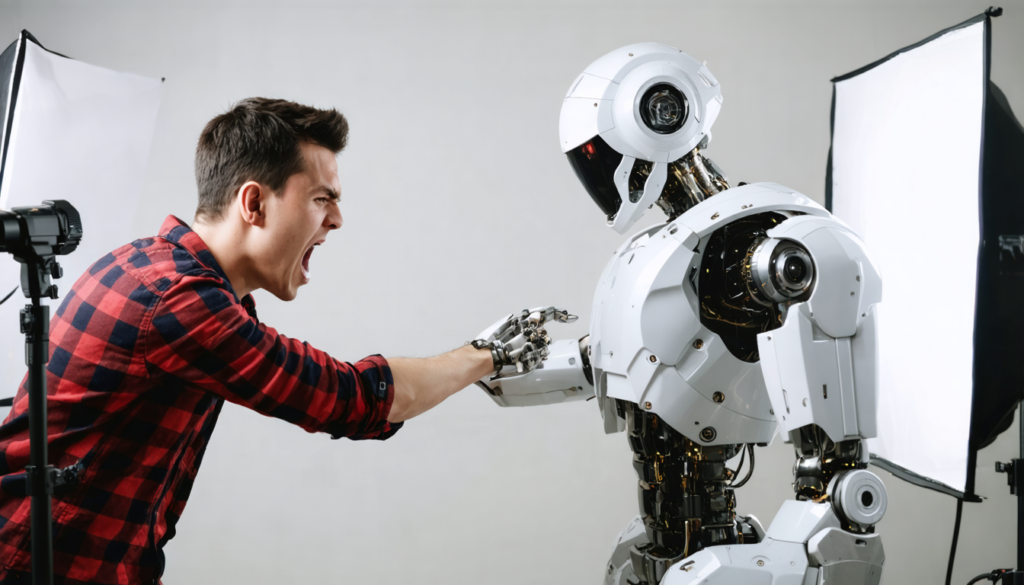
In a world where influencers often dictate the agenda of conversations on social networks, few manage to capture as much attention as iShowSpeed. Known for his explosive reactions and overflowing energy, Darren Watkins Jr., aka iShowSpeed, took a new controversial step last September. During a highly anticipated live broadcast, the American influencer found himself at the center of a major controversy following a violent interaction with a humanoid robot named Rizzbot. The latter, a star in its own right on social networks, was mistreated before the eyes of millions of viewers, triggering a torrent of criticism and legal proceedings.
The event highlighted not only the unpredictable behavior of the influencer but also the issues related to the protection of advanced technologies in a rapidly expanding digital universe. Between viral videos, heated debates on responsibility and ethics, and heavy financial consequences for the company behind the robot, this case perfectly illustrates the possible abuses when the excitement of social networks meets sensitive innovations. As the spotlight turns to iShowSpeed, questions about the limits to be set in these strange but widely followed interactions are piling up.
- 1 iShowSpeed and Rizzbot: an explosive encounter under high tension on social networks
- 2 Material and technical damage suffered by Rizzbot: a detailed analysis
- 3 Judicial reaction and legal stakes surrounding the assault on a humanoid robot
- 4 Major financial consequences for Social Robotics following the assault
- 5 The decline and relaunch of Rizzbot’s popularity after the criticism
- 6 The controversial behavior of iShowSpeed: a look at his career and controversies
- 7 Ethical debates on violence towards humanoid robots in digital entertainment
- 8 How social networks and virality amplify the controversy around iShowSpeed
The unexpected collaboration between iShowSpeed, one of the most prominent influencers in 2025, and Rizzbot, an ultra-connected humanoid robot, was initially promised as a moment of unprecedented entertainment. Broadcast live, this meeting raised many expectations, bringing together two different worlds: that of colorful streaming and that of social robotics.
Rizzbot, designed and marketed by Social Robotics, is a rising star on digital platforms. This robot, endowed with a provocative personality, had already accumulated several hundred million views on TikTok and Instagram, attracting a massive community thanks to its striking sketches and mechanical charisma. The idea of a show mixing the raw and unpredictable energy of iShowSpeed with Rizzbot’s capabilities initially surprised but promised hilarious scenes.
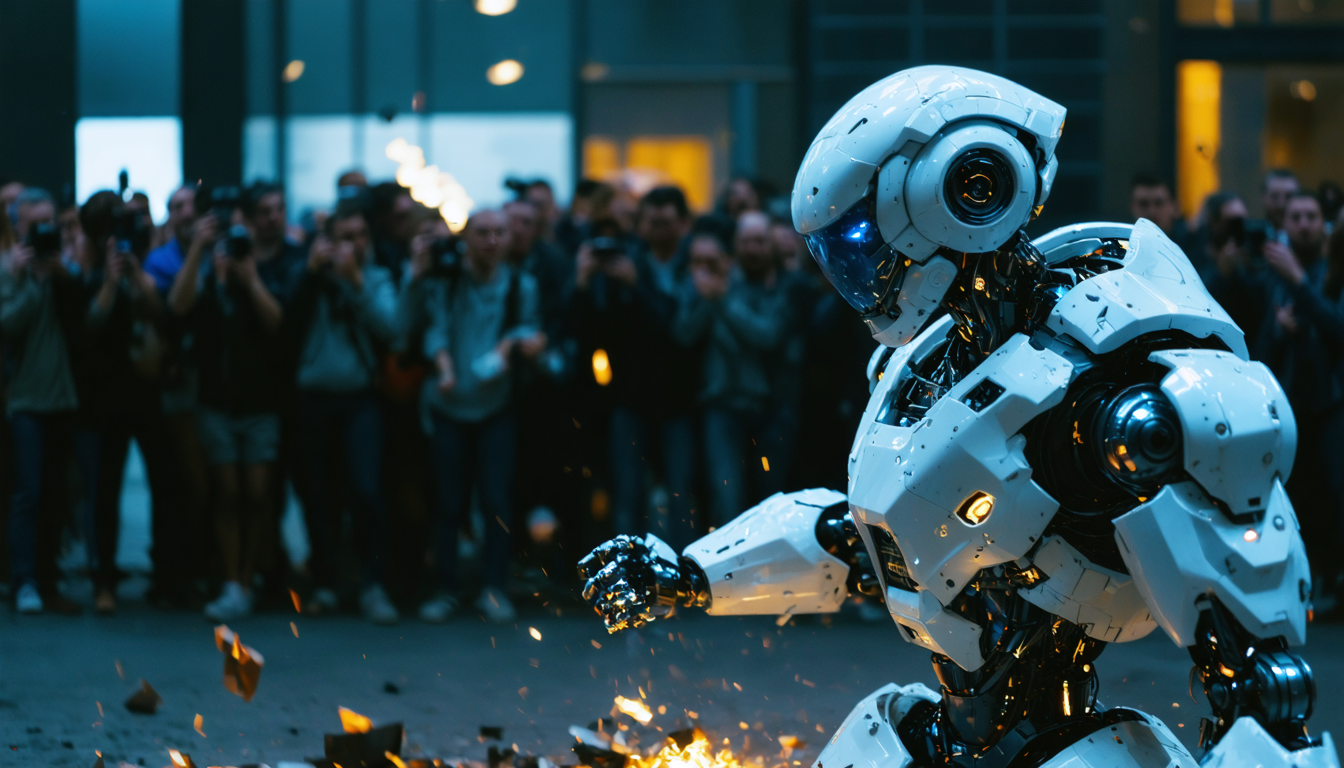
However, what was supposed to be a lighthearted moment turned into a disturbing spectacle. Soon, iShowSpeed went from playful interaction to violent gestures, striking the robot in the face, strangling it, and throwing it to the ground. The online viewers, watching live, were shocked by this scene, triggering a tsunami of questions: how far can provocation go when it comes to humanoid robots?
- More than 50 million subscribers for iShowSpeed across different platforms
- More than 1 million subscribers for Rizzbot
- 800 million cumulative views for the robot before the incident
- A live broadcast with several million simultaneous viewers
| Key Events | Description | Immediate Impact |
|---|---|---|
| Live launch | Announcement of the collaboration between iShowSpeed and Rizzbot | Strong online enthusiasm, high anticipation |
| Start of the assault | iShowSpeed hits and mistreats the robot several times | Massive shock among spectators, immediate virality |
| Intervention by Social Robotics | The company declares irreversible damage to Rizzbot | Initiation of anticipated legal proceedings |
This viral scene not only shocked the public but also triggered a chain reaction, highlighting the responsibilities of influencers and the fragility of these technologies that are sometimes too humanized to tolerate violence.
Material and technical damage suffered by Rizzbot: a detailed analysis
At the heart of the controversy, the question of damages inflicted on the humanoid robot Rizzbot is crucial. Social Robotics, a pioneering company in social robotics, published detailed technical reports outlining the extent of the injuries, confirmed by the Austin police following an on-site inspection.
The main damages concern the robot’s mouth and neck, sensitive areas that include several crucial sensors for expression and communication. These mechanical injuries affect not only the aesthetics but also the vital functions related to interactivity and robot performance.
The technical report also highlights that:
- The front sensors, essential for detecting interactions with the environment, are out of service.
- The audio and video ports have suffered several malfunctions, preventing smooth communication.
- The locomotion system has been affected, rendering the robot unable to maintain an upright posture.
These facts show that Rizzbot can no longer fulfill its original function and requires a complete overhaul. Social Robotics estimates the repair costs at several tens of thousands of dollars, not even counting losses caused by the forced interruption of its activities.
| Damaged Areas | Affected Function | Technical Consequences |
|---|---|---|
| Mouth and neck | Facial expression, voice communication | Partial loss of ability to speak and imitate emotions |
| Front sensors | Environmental detection and analysis | Limited interaction, defects in facial recognition |
| Audio/video ports | Data transmission | Disturbed exchanges, inability to start broadcasts |
| Locomotion system | Mobility and posture | Instability, inability to walk straight |
In a context where humanoid robots are also commercial products and digital creatures, these damages pose not only an image problem but also a direct threat to Social Robotics’ business model.
Judicial reaction and legal stakes surrounding the assault on a humanoid robot
Faced with this filmed and widely shared assault, Social Robotics quickly considered legal action to defend its interests. The complaint filed with the Austin authorities directly targets iShowSpeed, as well as his management company and one of his producers present at the event.
The accusations are multiple:
- Significant material damage caused deliberately.
- Financial loss due to the robot’s inability to operate.
- Failure in duty of care and contractual responsibility.
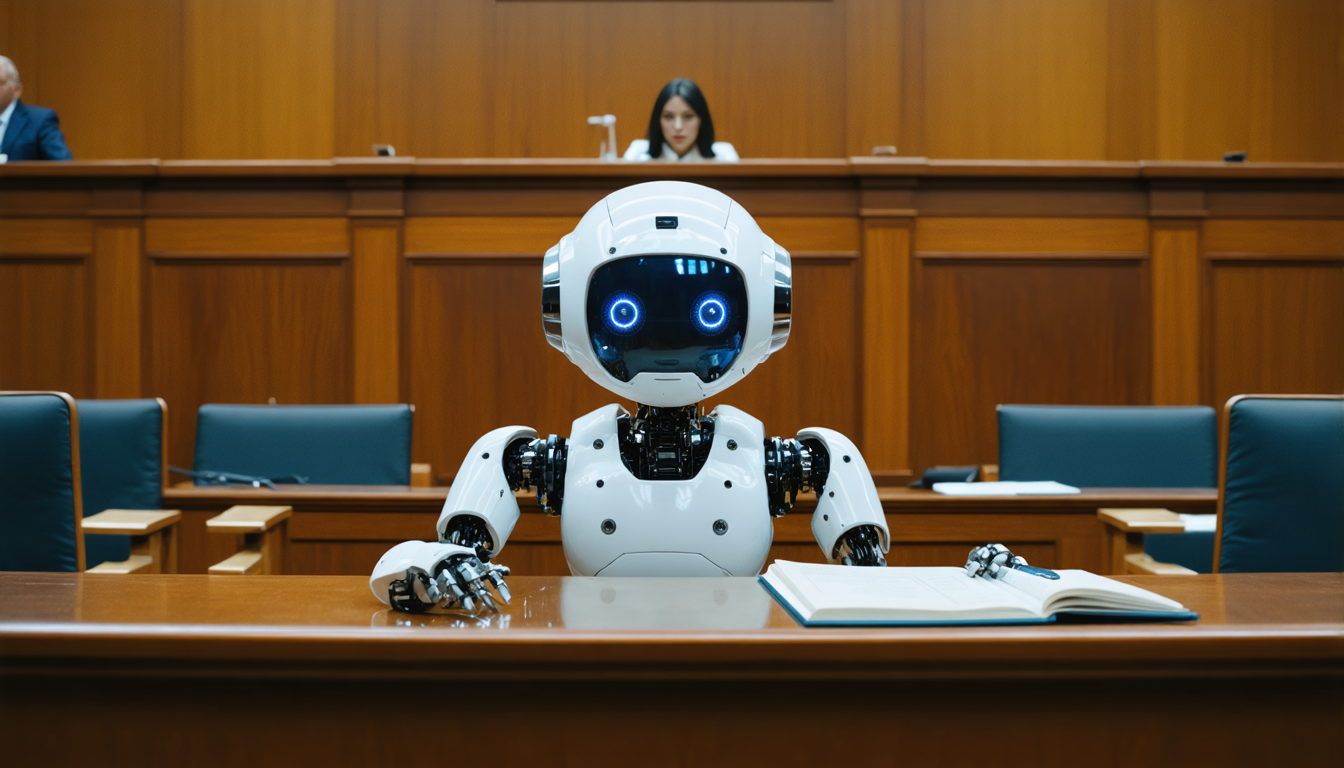
Social Robotics’ lawyers emphasize that the video constitutes overwhelming evidence and that no prior agreement was given to commit such acts. The situation raises an innovative legal question: to what extent does a robot, although inanimate, benefit from legal protection against human aggression?
Several complex legal points then emerge:
- Legitimate recognition of the robot as protected intellectual and physical property.
- Possible civil liability for intentional damages.
- Possibility of recourse for indirect commercial damage related to the drop in activity.
For iShowSpeed, this procedure marks a turning point in his career, already dotted with high levels of controversy. The influencer must now manage legal pressure in addition to the return of harsh criticism of his behavior.
| Parties Involved | Role | Potential Legal Responsibilities |
|---|---|---|
| iShowSpeed (Darren Watkins Jr.) | Main influencer, author of the assault | Direct liability for material and financial damages |
| Mixed Management | Management company | Liability as representative of career management |
| Event producer | Organizer & live supervisor | Liability in case of breach of supervision and prevention |
Major financial consequences for Social Robotics following the assault
Beyond the physical damage to the robot, Social Robotics is suffering a series of deep economic losses. The Rizzbot robot, buoyed by its online popularity, represented a significant source of revenue thanks to various advertising partnerships and media contracts.
The incident caused:
- The immediate cancellation of advertising contracts with giants like CBS and the content channel MrBeast.
- The suspension of planned TV projects and viral collaborations involving Rizzbot.
- A collapse in audience and sponsor confidence.
This sudden upheaval results in estimated financial losses reaching several hundred thousand dollars or more, considering the affected long-term commercial potential. This crisis also impacts the company’s image, which must now manage crisis communications while projecting recovery strategies to avoid losing its market.
| Loss Items | Type of Loss | Financial Estimate |
|---|---|---|
| Canceled advertising contracts | Immediate revenue loss | $150,000 |
| Suspension of media projects | Missed opportunities | $200,000 |
| Audience decline | Brand devaluation | $100,000 |
| Robot repair costs | Exceptional expense | $50,000 |
For Social Robotics, the coming months will be crucial to repair not only Rizzbot but also its reputation and financial outlook. A team has just been formed to prepare the robot’s return to the networks under improved conditions.
The decline and relaunch of Rizzbot’s popularity after the criticism
Before the incident, Rizzbot was a viral sensation with hundreds of millions of views on various social platforms. After reaching an impressive peak audience, iShowSpeed’s attack caused a brutal collapse.
Key figures before and after the incident:
- 600 million TikTok views in one month before the assault
- 200 million Instagram views over the same period
- Immediate loss of more than 70% of the audience post-incident
- Complete halt of new content production for several weeks
This drop deeply affected marketing strategies and associated revenues. To compensate, the company implemented an ambitious recovery plan based on:
- The recruitment of a new team dedicated to social and digital robotics
- A redesign of Rizzbot with the integration of new movements and advanced features, including original dance routines
- A series of targeted promotional campaigns to regain the lost audience
Soon, Rizzbot will be back on the digital scene sporting a new image with its famous Nike sneakers and a cowboy hat straight out of a stylized campaign. This reboot attempt will rely on strengthened communication to turn the negative affair into an opportunity for renewal.
| Before the incident | After the incident | Recovery strategy |
|---|---|---|
| Maximum audience and exponential growth | Audience collapse and interruption | Aesthetic overhaul and new features |
| Multiple advertising partnerships | Loss of contracts and trust | Intensified advertising campaigns |
| Viral and sought-after content | Temporary production halt | Recruitment of marketing and tech experts |
The controversial behavior of iShowSpeed: a look at his career and controversies
Beyond this specific incident, iShowSpeed is far from a novice in controversy. Darren Watkins Jr. built a colossal reputation, notably thanks to his exaggerated reactions and theatrical interactions during gaming sessions on Twitch and YouTube. With more than 50 million subscribers and six billion cumulative views, the influencer is a phenomenon in this regard.
Several episodes have marked his career:
- Live crises causing abrupt stream shutdowns.
- Public confrontations with other internet figures, often passionately relayed by his millions of fans.
- Accusations of inappropriate or even racist behavior, fueling debates on influencer responsibility.
His participation in the 2024 Streamer Awards earned him several prizes, paradoxically strengthening his visibility and aura despite (or because of) these controversies. His wild style, marked by screams and barking on the net, does not leave anyone indifferent and strongly divides the community.
This behavior, sometimes described as “absurd but effective,” gives iShowSpeed an unavoidable presence in the digital landscape, but also exposes him to the risk of media disaster, as evidenced by this incident with Rizzbot.
Ethical debates on violence towards humanoid robots in digital entertainment
The scene where iShowSpeed mistreats Rizzbot raises a fundamental question about the ethical limits in the treatment of humanoid robots, now almost public figures or digital celebrities. This gray area between technology, property, and quasi-living entity is increasingly the subject of debate among experts and the general public.
Different angles are highlighted in these discussions:
- Legal protection of robots against physical aggression, raising unprecedented questions as their autonomy and artificial personality advance.
- The role of influencers and their ability to influence behaviors, weighing their responsibility in spreading violent acts, even towards machines.
- The societal impact of repeated exposure to violence against humanoid entities, with a risk of normalization or acceptance of aggressive behaviors.
As social robotics gains ground, a thorough reflection on the rules to be established in this new universe mixing entertainment, innovation, and morality is necessary.
| Points of Debate | Arguments for Regulation | Risks without Clear Ethical Framework |
|---|---|---|
| Legal protection of humanoid robots | Recognition of robots as sensitive and intelligent goods | Abusive use, unpunished mistreatment |
| Influencers’ responsibility | Encouragement of good conduct and respect for technologies | Normalization of violence in popular content |
| Societal impact | Reduction of negative effects on social perception | Increase in behavioral aggressiveness |
The incident with Rizzbot quickly became a viral video, driven by iShowSpeed’s huge audience and the speed of social networks. This phenomenon perfectly illustrates how a bad action, filmed and broadcast in real time, can generate a global shockwave.
On platforms like YouTube, Twitch, and soon Kick, the video generated:
- Millions of shares and comments in a few hours.
- Intense debates between supporters and detractors of the streamer.
- A multiplication of remixed and parodied clips, which contributed to both virality and controversy.
The intensity of reactions on social networks forced the creator to interrupt certain live broadcasts after waves of insults and severe criticism. This case highlights the double-edged power of social networks in shaping influencers’ reputations: they can both build and destroy in moments.
| Facets of Virality | Consequences | Usual Actions |
|---|---|---|
| Real-time broadcasting | Rapid spread of controversy | Stream interruptions, crisis management |
| Massive user engagement | Polarizations and animated debates | Comment moderation, public responses |
| Creation of derivative content | Strengthening of negative notoriety | Image repair campaigns |