
While Apple unveiled iOS 26 with great fanfare at WWDC in June 2025, the initial enthusiasm quickly gave way to a web of uncertainties and dissatisfaction. This update, which was supposed to mark a turning point with its new Liquid Glass design and major technological advances, now struggles to convince a large portion of iPhone users. Less than four months after its official release in September, the majority still remain loyal to iOS 18, considered more stable and familiar. This inertia raises deep questions about the real performance of this latest update, its persistent bugs, as well as Apple’s communication strategy in the face of an increasingly demanding user community. How can this hesitation be explained and what are the consequences for the future of Apple’s mobile operating system?
The year 2026 thus opens with a delicate situation for the Apple firm, which sees its image as a technological leader tarnished by targeted criticisms of iOS 26. At the same time, the update adoption dynamic presents unprecedented anomalies in Apple’s recent history. Diving into data from real-world use and user feedback, this article explores the deep reasons behind this wave of dissatisfaction, the impacts on device performance, and the growing concern within the brand regarding the reception of its innovations. A detailed analysis highlighting the challenges Apple must face to regain trust and ensure the sustainability of its mobile ecosystem.
- 1 Adoption of iOS 26: key figures and comparison with previous versions
- 2 Impact of the new Liquid Glass design on user perception
- 3 Recurring bugs and performance issues hinder the update
- 4 Underlying reasons for dissatisfaction: technical and strategic analysis
- 5 Consequences for Apple: between concerns and new challenges
- 6 Evolution prospects and recommendations for users
- 7 Lessons learned from the iOS 26 experience for Apple’s future
Adoption of iOS 26: key figures and comparison with previous versions
Traditionally, major iOS updates see rapid adoption, often exceeding 70% of compatible devices within months of their release. However, iOS 26 is a striking exception. According to recent Statcounter data, whose analysis is based on web usage but broadly reflects update trends, only 16.3% of iPhones are already running iOS 26 or one of its variants. This fraction breaks down into 10.6% for iOS 26.1, 4.6% for iOS 26.2, and only 1.1% for the original 26.0 version. Conversely, the older version, iOS 18, still overwhelmingly dominates with 64.59% of users, of whom 33.83% remain on version 18.7.
This contrast is all the more surprising as it occurs less than four months after the official launch. Several factors may explain this reluctance. First, the increasing complexity of the functions integrated in iOS 26 makes the transition less obvious for many users, especially those reluctant to change their digital environment. Moreover, the Liquid Glass design, which was meant to revolutionize the interface, has elicited mixed reactions. Some users report a visually heavy effect, affecting readability and ease of use, which slows down adoption.
For better perspective, here is a comparative table of the standard adoption rates of major iOS versions and the current situation:
| iOS Version | Period after launch | Average adoption rate | Current adoption rate (2026) |
|---|---|---|---|
| iOS 12 | 4 months | 72 % | — |
| iOS 15 | 4 months | 75 % | — |
| iOS 18 | 4 months | 68 % | 64.59 % |
| iOS 26 | 4 months | 70 % (expected) | 16.3 % |
The difference is striking, and it calls into question the strategies Apple has accumulated to facilitate updates, both on the user and developer sides.
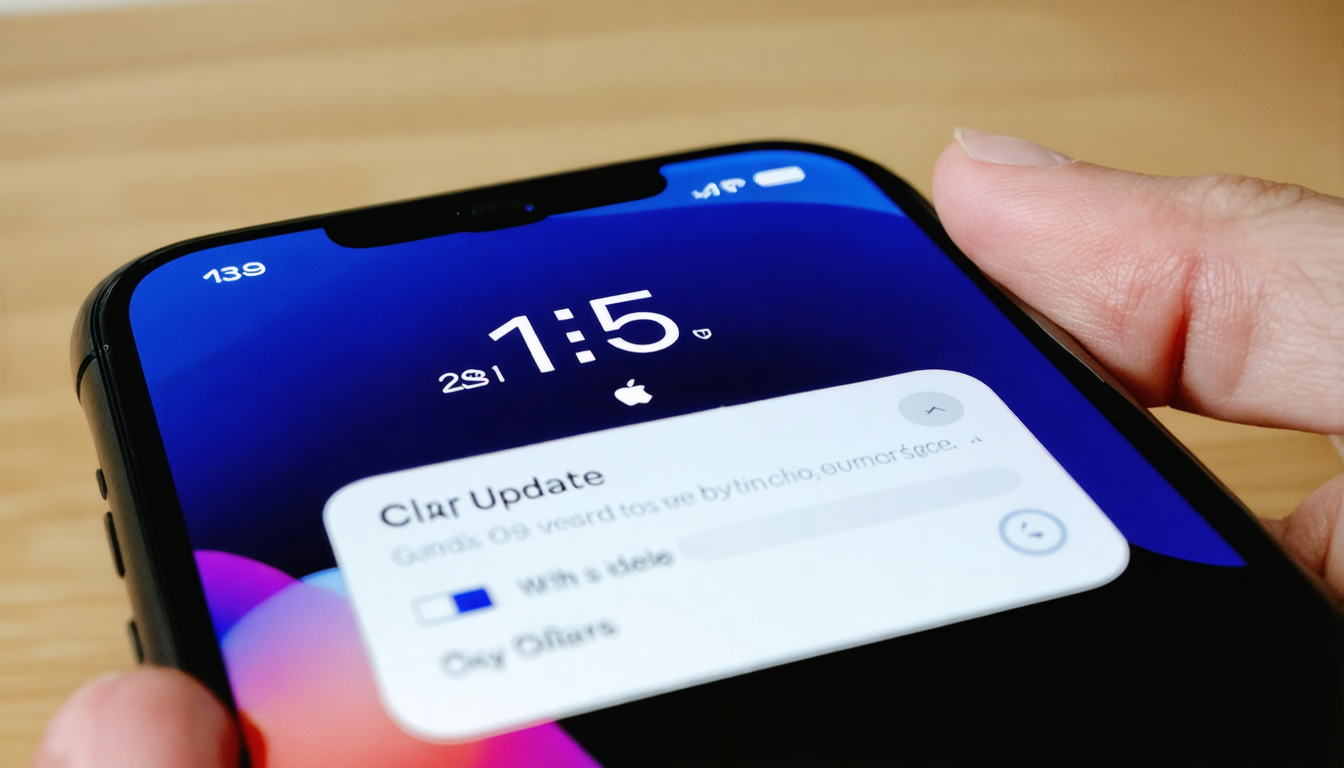
Impact of the new Liquid Glass design on user perception
One of the most striking elements of iOS 26 is the shift to the “Liquid Glass” design. This ambitious interface aims to offer a new smooth and elegant visual experience. However, this aesthetic transformation has not been met with unanimous approval. Several testimonies from users and developers paint a contrasted picture between innovation and rejection.
The Liquid Glass design relies on transparent elements, blur effects, and dynamic animations that theoretically should make the interface more modern and immersive. But in practice, this visual language seems to pose real problems:
- Reduced readability: Text fields and buttons on transparent backgrounds can lead to difficulties distinguishing information, especially in bright conditions or for people with visual impairments.
- Increased complexity: The abundance of dynamic effects slows navigation for some users who prefer simplicity.
- Higher performance demands: Some older iPhones struggle to support these smooth animations, causing slowdowns and localized overheating.
- Fragmented user experience: Some third-party apps do not yet properly adapt to the new design, causing visual inconsistencies or display bugs.
This radical change recalls the mixed reception of the minimalist design introduced in 2013 with iOS 7. At the time, some purists regretted the excessive simplicity, while others praised the graphical boldness. With iOS 26, Apple faces resistance of the same kind, exacerbated by the multiplication of use cases and the growing demand for immediate efficiency in interactions.
For example, Marie, a digital marketing consultant, says: “I love technology, but since I installed iOS 26, I find that reading notifications takes longer. The transparent backgrounds create a visually too heavy effect; it’s tiring over time.” Comments like this have become common on dedicated forums, where the notion of new aesthetics clashes with practical usability.
Recurring bugs and performance issues hinder the update
Beyond the design-related criticisms, iPhone users also report significant malfunctions with iOS 26. This accumulation of bugs contributes to growing dissatisfaction and exacerbates concerns about the operating system’s stability. Here are the main problems reported since the release:
- Red tint on some photos: An unprecedented bug affects image rendering in the gallery, altering color quality and fidelity.
- Reduced battery life: Several testimonies report abnormal battery consumption linked to poorly optimized background processes.
- Occasional slowdowns: On older compatible iPhone models, the interface lacks fluidity, especially when opening heavy applications.
- Unstable connections: Recurrent network incidents have been observed, affecting both Wi-Fi and 5G, disrupting daily use.
- Synchronization issues: Some users have difficulties synchronizing their iCloud data, causing significant frustration.
This bug table reflects a poorly controlled update by Apple, which usually ensures robust main versions before broad deployment. The accumulation and variety of complaints help justify a low adoption rate, with users preferring to delay their switch to iOS 26 rather than endure these inconveniences.
To better grasp the magnitude of the situation, here is a synthetic comparison of major problems and their frequency according to a survey conducted among several thousand users:
| Problem | Frequency (%) | User impact |
|---|---|---|
| Red tint on photos | 23 % | High |
| High battery consumption | 31 % | Medium to high |
| Interface slowdowns | 19 % | Medium |
| Unstable connections (Wi-Fi/5G) | 15 % | High |
| Problematic iCloud synchronization | 12 % | Medium |
Underlying reasons for dissatisfaction: technical and strategic analysis
Beyond visible symptoms, the wave of dissatisfaction generated by iOS 26 invites deeper reflection on the causes. Technically, the complexity of integrating new features and the Liquid Glass design may have exceeded the usual deployment pace capabilities. Notably, the pressure to deliver an innovative version quickly seemed to take precedence over an extensive testing phase, a standard usually expected from Apple.
Furthermore, the iOS 26 operating system introduced numerous changes in development frameworks, forcing app developers to rethink certain interactions. This technological leap caused inconsistencies between native experience and third-party applications, degrading the entire ecosystem.
On the strategy side, Apple appears faced with a dilemma: how to amortize the innovation effort without alienating users attached to their familiar environment? The saturation of updates, with annual successive major versions, erodes users’ enthusiasm and patience.
Breaking down the key factors:
- Premature innovation: The radical design deserved a longer maturation phase to limit bugs and inconsistencies.
- User fatigue: The high frequency of updates intensifies a form of saturation, encouraging restraint in adoption.
- Difficulties for certain models: Performance varies according to iPhone models, penalizing many users.
- Communication and expectations: Marketing promises sometimes seem out of touch with real experiences, fueling disappointment.
This combined dynamic shapes the atmosphere of concern prevailing today at Apple and within its user base. The upcoming appointment with corrective updates and subsequent versions will be crucial to restore trust.
Consequences for Apple: between concerns and new challenges
Apple is suffering the collateral effects of this slowed adoption and massive dissatisfaction. The brand, long associated with exemplary reliability in its updates, sees its image tarnished. This results in:
- Loss of user trust: Negative experiences lead some to delay updates, or even consider switching ecosystems.
- Impact on developers: Volatility around the iOS 26 environment complicates app planning and compatibility management.
- Commercial repercussions: Lower adoption means missed opportunities for Apple, especially in monetizing services linked to system novelties.
- Increased internal pressure: The update team must redouble efforts to quickly fix bugs and optimize performance.
For example, an internal study reported by some media reveals that the adoption rate is monitored daily by executives, who fear a long-term erosion of user loyalty. Several teams are now mobilized to improve the stability of the upcoming iOS 26.3 version, planned in the coming weeks.
Evolution prospects and recommendations for users
Faced with this situation, Apple must adapt and adjust its strategy. Several areas of improvement appear essential to regain lost ground:
- Strengthening testing phases: Increasing open beta versions to capture more qualified user feedback.
- Better optimization for older models: Adjusting Liquid Glass effects and animations to ensure a smooth experience on all compatible devices.
- Transparent communication: Informing users more clearly about changes and known issues to limit frustration.
- Reducing the frequency of major updates: Allowing users to fully enjoy stable versions before adopting new features.
- Focus on accessibility: Improving interface readability and offering options to customize display according to needs.
For users, waiting for at least one important patch before switching to iOS 26 seems wise, especially to avoid bugs related to battery life and synchronization issues. Staying on iOS 18 remains a viable option for those seeking stability, even if it no longer benefits from the latest features.
This table highlights the good practices currently recommended:
| User advice | Description | Benefits |
|---|---|---|
| Wait for the corrective version | Delay the initial iOS 26 update | Limits bugs and performance issues |
| Use iOS 18 | Stay on the stable and proven version | Ensures better stability and battery life |
| Follow community feedback | Consult forums and reviews before changing | Better anticipation of potential problems |
| Install secondary updates | Quickly apply security patches and improvements | Maintains security and enhanced performance |
Lessons learned from the iOS 26 experience for Apple’s future
The iOS 26 episode offers Apple a unique learning opportunity. It highlights the risks linked to rushed innovation and confirms the importance of balancing technological ambition with user satisfaction. The brand must reconcile these two demands if it wants to maintain its role as a leader in the mobile industry.
Several lessons can be drawn:
- Importance of an extended beta phase: To minimize functional errors before wide deployment.
- Responsiveness to feedback: Quickly considering user experiences to guide fixes.
- Increased customization: Offering users the freedom to adapt the interface according to their personal preferences.
- Managing expectations: Adjusting marketing communication to avoid amplifying the gap between promises and reality.
- Harmonized ecosystem: Working closely with third-party developers to ensure a smooth and consistent experience.
If Apple knows how to leverage this experience, iOS 26 could become a springboard toward more controlled and better accepted innovations. Technology must remain at the service of a smooth and pleasant user experience, not the opposite.