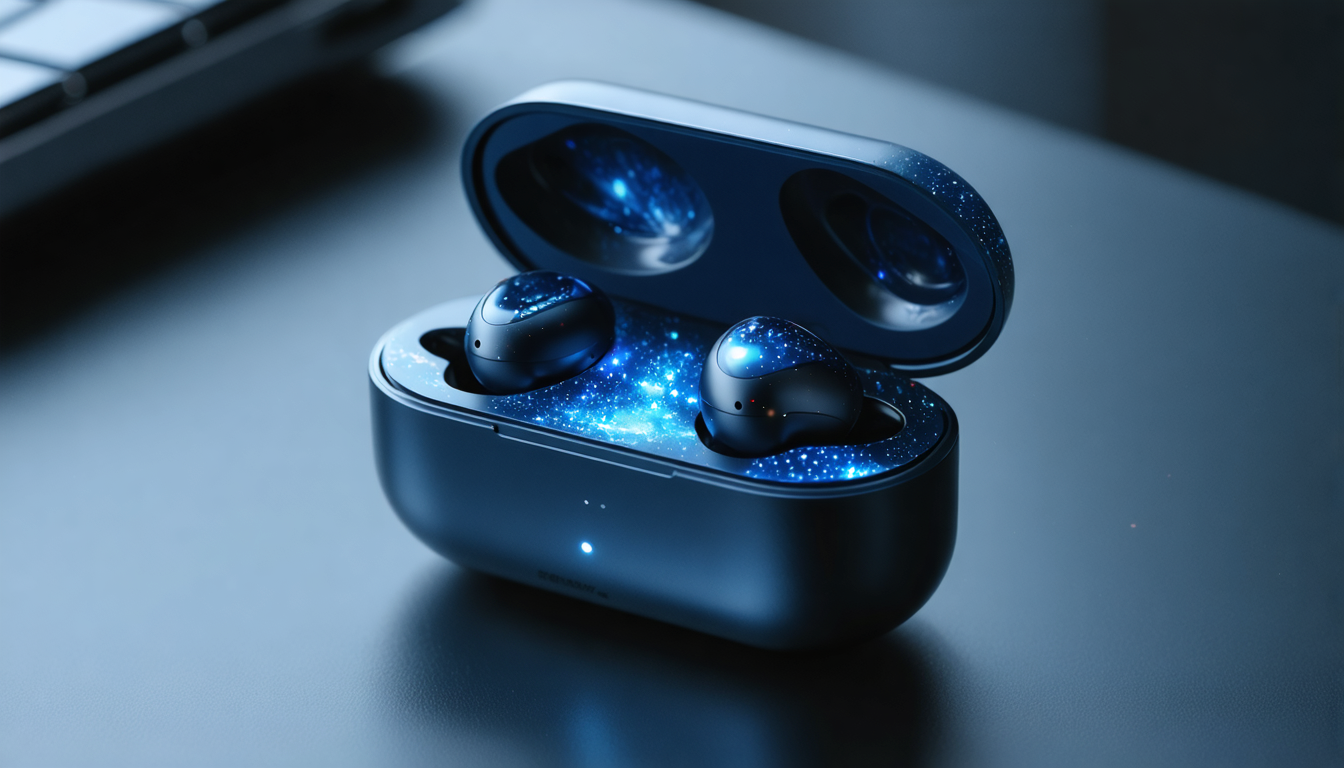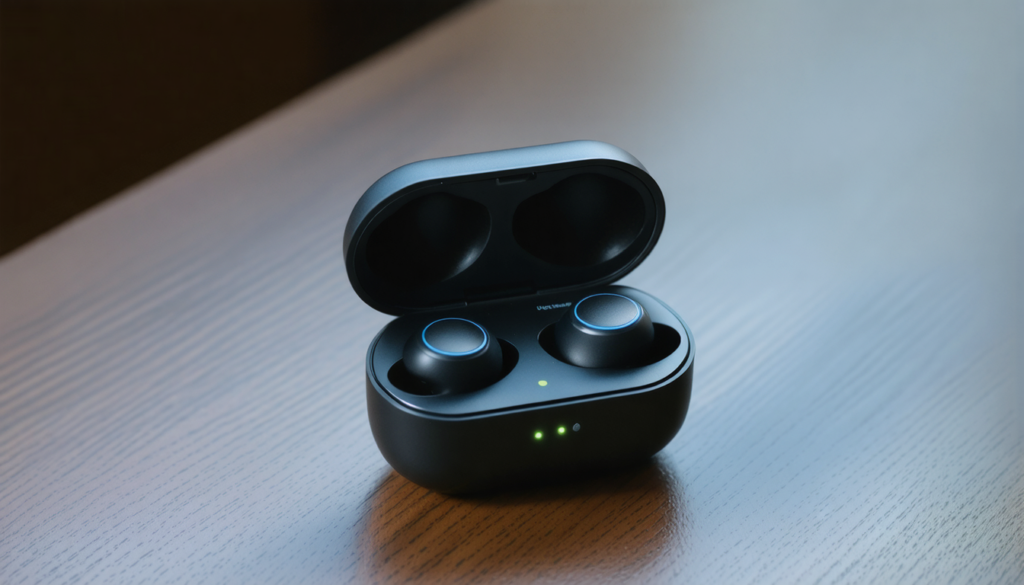
A few days before the highly anticipated Galaxy Unpacked, expectations around the Galaxy Buds 4 are at their peak. Samsung seems determined to make a strong impression with this new generation of Bluetooth earbuds, offering a renewed design and improved ergonomics to address the numerous criticisms made against the Galaxy Buds 3. However, a crucial recently revealed detail disrupts this appealing picture: the apparent disappearance of a locating feature that would allow users to easily find their earbuds in case of loss. While Apple’s AirPods 4 have widely popularized this feature, could its absence be a disadvantage for Samsung? This promising yet controversial leak raises many questions about Samsung’s ability to seriously compete with the American giant in the wireless headphone market in 2026.
Indeed, beyond simple sound quality, the battle now revolves around the overall user experience, the little details that make daily life easier. The management of touch gestures, prolonged comfort for long listening sessions, and especially the peace of mind offered by the quick location of the earbuds are all elements that heavily influence purchasing decisions. Can the Galaxy Buds 4 combine comfort and innovation to dethrone the AirPods 4? The debate is open, and the first leaks already offer a fascinating preview of the stakes. Let’s dive together into this detailed comparison that outlines the fierce competition in the high-tech Bluetooth earbud field at the beginning of 2026.
- 1 A redesigned design for unprecedented comfort and ergonomics with the Galaxy Buds 4
- 2 Galaxy Buds 4: what audio experience and connectivity in a saturated market?
- 3 The disappearance of the locating feature: a handicap compared to the AirPods 4?
- 4 Comparison of key features between Galaxy Buds 4 and AirPods 4
- 5 User expectations around Galaxy Unpacked: hopes and frustrations
- 6 Galaxy Buds 4 facing the competition: a rapidly evolving Bluetooth earbud market
- 7 A promising future for the Galaxy Buds 4 despite posed challenges
A redesigned design for unprecedented comfort and ergonomics with the Galaxy Buds 4
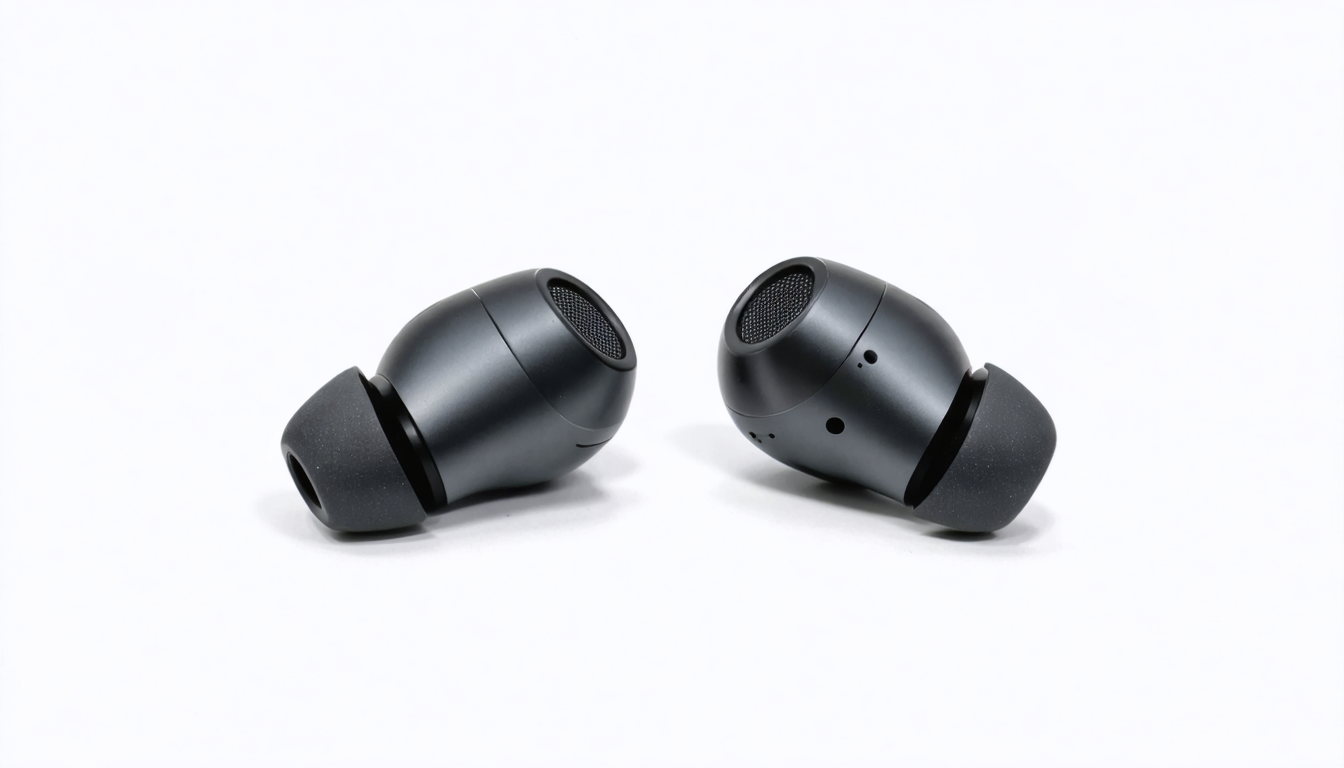
Samsung seems to have taken user feedback from the Galaxy Buds 3 seriously by completely revisiting the design of its new Galaxy Buds 4. The South Korean brand would abandon the famous angular stem noticeable on the previous generation in favor of a more classic, slightly rounded and discreet shape, closely resembling the most appreciated models on the market.
This aesthetic change is not limited to a mere style choice. The modification of this shape primarily aims to offer better ergonomics, especially to improve handling and ease of use. Touch gestures, sometimes criticized on the Buds 3 for their imprecision or execution difficulty, should become more intuitive thanks to a design now allowing easy mastering of pinch or swipe commands. These more natural interactions could really make a difference for users who wear their earbuds for several hours a day, whether at work, on the move, or during sports sessions.
Audio comfort is not left behind since the Galaxy Buds 4 line would adopt open tips for the standard model, approaching the sensation offered by the AirPods 4, ensuring natural ear ventilation without completely isolating external noises. Conversely, the Galaxy Buds 4 Pro retain silicone tips to allow more effective noise isolation, responding to a growing demand from users seeking a more intimate sound environment.
Moreover, Samsung would seek to simplify the tip attachment system, often judged complex in previous versions. A welcome innovation since this is a major source of irritation reported by consumers. Easier and faster adjustment of the tips could significantly improve the daily user experience.
These developments reflect Samsung’s clear intent to position itself in a premium segment where usability quality matters as much as technological performance. The improvement of tactile ergonomics and the care given to comfort perfectly illustrate this commitment. The duel with the AirPods 4 will not be solely based on the technical sheet but also on this usage feeling that makes all the difference over time.
Galaxy Buds 4: what audio experience and connectivity in a saturated market?
In the Bluetooth earbud field, sound quality remains a fundamental criterion to attract a demanding audience. Samsung continues to invest in audio technology to offer a clear, balanced, and immersive sound, with good bass and midrange management for a rich and pleasant listening experience across different music genres.
The Galaxy Buds 4 would rely on an improved chip and refined drivers, which could significantly enhance sound fidelity compared to the Galaxy Buds 3. These earbuds are expected to support advanced codecs, such as AAC and aptX, to guarantee efficient wireless transmission with low latency, a crucial factor for gamers and video enthusiasts.
Regarding connectivity, Samsung leverages its Galaxy ecosystem by ensuring smooth integration with its smartphones and tablets, but also a multi-point connection that allows easy switching from one device to another without tedious disconnection. This cross-platform compatibility is a real asset against Apple, whose AirPods 4 are optimized mostly for iOS devices but remain functional on Android with certain limitations.
Another technical advance present in the Galaxy Buds 4 would be active noise cancellation (ANC) for the Pro model, enabling deeper sound immersion and effective suppression of surrounding noises. This system is especially appreciated in public transport or noisy environments where concentration or simple disconnection is necessary.
This audio technology, combined with improvements in battery management and autonomy, could be a strong argument for hesitant consumers. Samsung would thus be aiming for a perfect balance between sound performance, user comfort, and reasonable autonomy—factors that, combined, are powerful leverage in the final choice.
List of main audio and connectivity advantages of the Galaxy Buds 4
- Support for advanced codecs: aptX, AAC for better audio transmission
- Active noise cancellation (ANC) on the Pro model
- Multi-point connection to facilitate use across multiple devices
- Perfect integration with the Samsung Galaxy ecosystem
- Improved drivers for more faithful sound reproduction
- Extended autonomy allowing several hours of continuous listening
The disappearance of the locating feature: a handicap compared to the AirPods 4?
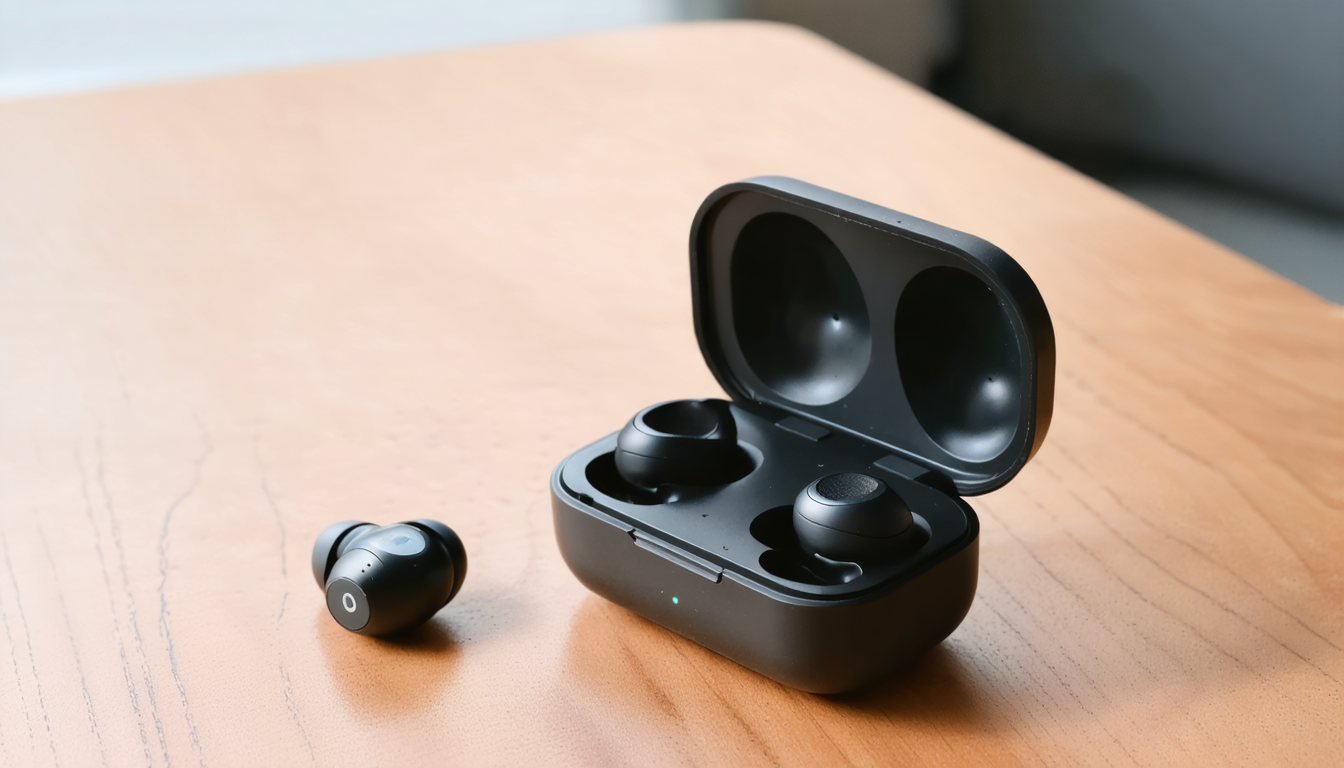
The biggest question currently surrounding the Galaxy Buds 4 concerns the apparently confirmed removal of the locating function via a speaker integrated into their charging case. This highly valued feature, already widely adopted by Apple with its AirPods 4, allows not only to quickly find earbuds thanks to a ringtone emitted by the case but also, in the Pro versions, precise guidance via apps.
According to recent leaks, the speaker grille, supposed to be integrated into the Buds 4 case, would have been removed, freezing any possibility of making the device ring in case of loss. This represents a real regression compared to the Galaxy Buds 3, which also did not have as elaborate a system as that of the AirPods 4 in this regard. Among users, this finding mode has become a key purchasing criterion, as it addresses a frequent problem: the easy loss of small wireless earbuds.
To illustrate the issue, take the example of Clara, a young dynamic executive often on the move. She listens to her podcasts with her earbuds in the metro but frequently forgets where she places them afterward. Thanks to the AirPods 4 locating feature, she can trigger a ringtone from her phone and quickly find her lost case. Without this option on the Galaxy Buds 4, Clara would have to rely on her memory or risk an additional purchase, which is a notable disadvantage.
This technical element, which might seem secondary at first glance, profoundly influences the user experience. When Apple manages to secure this feature, it turns a small fragile accessory into a reassuring product. Samsung could therefore suffer from this choice, especially since competitors, including Sony and Bose, offer advanced locating solutions, thus complementing the already tense market landscape.
However, it is possible that Samsung has developed other alternatives to make up for this gap, such as a system integrated into their Galaxy apps, but nothing concrete has been confirmed yet. As it stands, this absence could weigh heavily against the Galaxy Buds 4 compared to the AirPods 4 among the most pragmatic consumers.
Comparison of key features between Galaxy Buds 4 and AirPods 4
| Feature | Galaxy Buds 4 | AirPods 4 |
|---|---|---|
| Design | Classic shape with improved ergonomics, open or silicone tips depending on version | Iconic design with short stem, open tips |
| Sound quality | Improved audio, support for aptX and AAC codecs, ANC on Pro | Clear sound, natural balance, ANC on Pro |
| Battery life | Several hours of listening, case with fast charging | Similar battery life, advanced wireless charging |
| Locating | Locating feature absent (according to leak) | Advanced locating feature with ringing and precise guidance |
| Connectivity | Multi-point, Galaxy Ecosystem integration | Optimized for iOS, limited functionality on Android |
This table clearly illustrates where the Galaxy Buds 4 excel, especially in comfort and technology, and where the competition maintains a clear lead, particularly in the management of practical everyday functions. The duel is no longer played only on sound quality but on the intelligence and relevance of the embedded features.
User expectations around Galaxy Unpacked: hopes and frustrations
On forums and social networks, reactions to this mixed leak show an audience both enthusiastic and worried. Many users expect an improved product after the perceived mistakes on the Buds 3, especially in terms of comfort and ergonomics. The translucent case, supposed to be more compact and more aesthetic, pleases the eye, but the potential disappearance of the locating option raises real concerns.
This absence sparks passionate debates on Reddit or Twitter about what really makes a difference in a wireless headset today: should we favor a product with high sound performance and optimized comfort, or should we prioritize the security and practicality offered by locating? For many, this is not a theoretical debate but a major usage criterion that influences their loyalty to a brand.
These exchanges also reveal heightened expectations related to Samsung’s strategy. For some, the brand probably wanted to balance production cost and functionality, hoping that advances in other areas compensate for this removal. Others think of a possible software addition later, via an update, but remain cautious before committing to a purchase.
In any case, the impact of these reactions ahead of Galaxy Unpacked will probably push Samsung to highlight, during the official announcement, the more tangible benefits of the Galaxy Buds 4 and clearly explain its choices to reassure and convince a demanding audience.
Galaxy Buds 4 facing the competition: a rapidly evolving Bluetooth earbud market
The wireless earbud market in 2026 is extremely competitive. The product must no longer just offer good sound quality but must bring a complete, smooth, and pleasant user experience. Each brand seeks to gain market share in an now mature industry where innovation is measured by small details and practicality.
Samsung is also investing massively in new technologies, such as biometric tracking via earbuds or improving noise reduction algorithms. These advances allow integration of functionalities going far beyond simple music listening, transforming Bluetooth earbuds into genuine personal assistants.
Alongside the Galaxy Buds 4, players like Sony, Bose, Jabra, and Apple continue developing solutions combining premium audio quality and connected services. The role of the ecosystem is more decisive than ever, and the Galaxy Buds 4 should indeed play the card of total integration with Galaxy smartphones to attract a loyal audience.
In this, Samsung could well pull its weight in the Android world, where the Buds line remains a reference. However, Apple’s marketing strength and its lead on locating features continue to weigh heavily in the balance, sometimes conditioning the final purchasing decision.
A promising future for the Galaxy Buds 4 despite posed challenges
As the official announcement approaches, the Galaxy Buds 4 embody a key product for Samsung in its 2026 audio strategy. By betting on a design that is both more comfortable and more functional, the brand directly addresses the needs of modern consumers who primarily prioritize the broad user experience.
However, the apparent removal of the locating feature remains a black mark that could complicate the conquest of new customers, particularly those accustomed to the advantages offered by AirPods 4. Samsung’s ability to offset this removal with other innovations, whether in terms of connectivity or interactions, will be crucial.
In summary, the Galaxy Buds 4 could prove to be a serious threat to Apple, not only thanks to their intrinsic qualities but also because they contribute to the premiumization of wireless headphones under Android. Their real effectiveness and commercial success will therefore depend as much on technical quality as on user perception around this critical absence. One thing is certain: the battle for leadership in the Bluetooth earbud sector will more than ever be played on the intelligence of everyday usage.