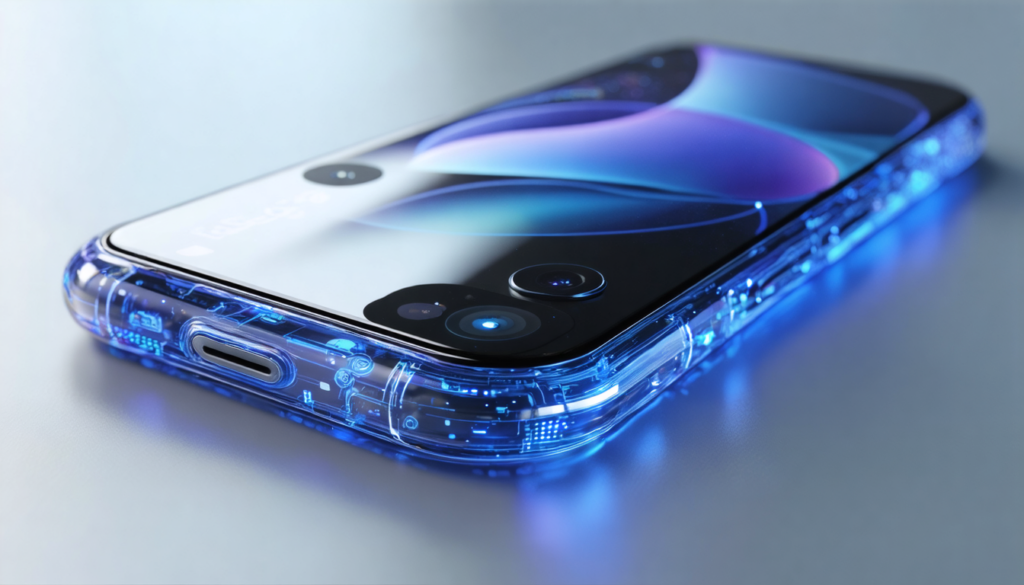
Apple is about to mark a major turning point in the history of its smartphones with an exclusive leak about the iPhone 20. Expected as a worthy tribute to the 20th anniversary of the very first iPhone, this model promises a spectacular break with the aesthetic codes established for years. While criticism is being heard about the almost systematic resemblance between each new generation of iPhone, this new technical and aesthetic step is generating immense enthusiasm in the world of mobile technology.
The recently revealed information describes a futuristic smartphone, with a brand-new design combining fully curved glass, ergonomic innovation with the complete removal of physical buttons, and advanced integration of cameras under the screen. More than a simple evolution, Apple’s iPhone 20 is announced as a true revolution in high-tech trends, setting new standards of design and features for all future smartphones.
At the same time, these revelations contribute to fueling the debate on the impact of innovations in the mobile industry, the quest for aesthetic perfection, and the need to rethink the user experience. Apple, embarking on this adventure, seems ready to disrupt not only the design of its products but also to impose a new vision of mobile technology that could well redefine market expectations for the coming years.
- 1 A revolutionary design for the iPhone 20: between break and innovation
- 2 Advanced technologies integrated into the iPhone 20: towards a futuristic smartphone
- 3 Challenges related to the curved screen and under-display sensors
- 4 A new ergonomics: towards the disappearance of physical buttons on Apple smartphones
- 5 The place of the iPhone 20 in high-tech trends and its market impact
- 6 The iPhone 20, a symbolic leap in Apple’s roadmap towards 2027
- 7 User feedback and expectations facing these exclusive leaks
- 8 The future of mobile technology according to Apple: what impact after the iPhone 20?
A revolutionary design for the iPhone 20: between break and innovation
For several years, criticism towards Apple has reproached the brand for a certain monotony in the design of its iPhones. Despite significant improvements inside the devices, the external appearance remains continuous, resulting in a striking resemblance from one generation to the next. The iPhone 20 seems determined to overturn this observation with a truly novel design, worthy of a symbolic anniversary.
Apple’s previous mistakes, deliberately cautious in the evolution of its devices, seem about to be erased. The first leaks speak of a curved screen extending over all four sides of the smartphone, a first for the American company. This bold choice not only explores new aesthetic possibilities but also optimizes display space to the extreme, offering total immersion to the user.
This innovation is not limited to the curved glass but also disrupts the very structure of the device. In the interest of lightness and elegance, Apple would consider replacing the recently introduced titanium frame with a thinner metal ring, positioned centrally. This structural refinement helps create an almost entirely glass silhouette, enhancing the effect of a smartphone almost sculptural, at the border between technology and artistic design.
Functionally, the complete disappearance of physical buttons marks a radical turning point. The development team would have patented a new technology allowing the integration of touch-sensitive areas directly on the chassis. This innovation, beyond a simple style effect, invites rethinking the interaction between the phone and its user, making contact more fluid, intuitive, and refined.
Finally, the removal of the Dynamic Island, iconic since the iPhone 14, would be compensated by the integration of a front camera and Face ID sensors directly under the screen, thus eliminating any visual interruption on the front. A technical feat still unprecedented in Apple smartphones, clearly redefining the concept of a “full screen”.
Advanced technologies integrated into the iPhone 20: towards a futuristic smartphone
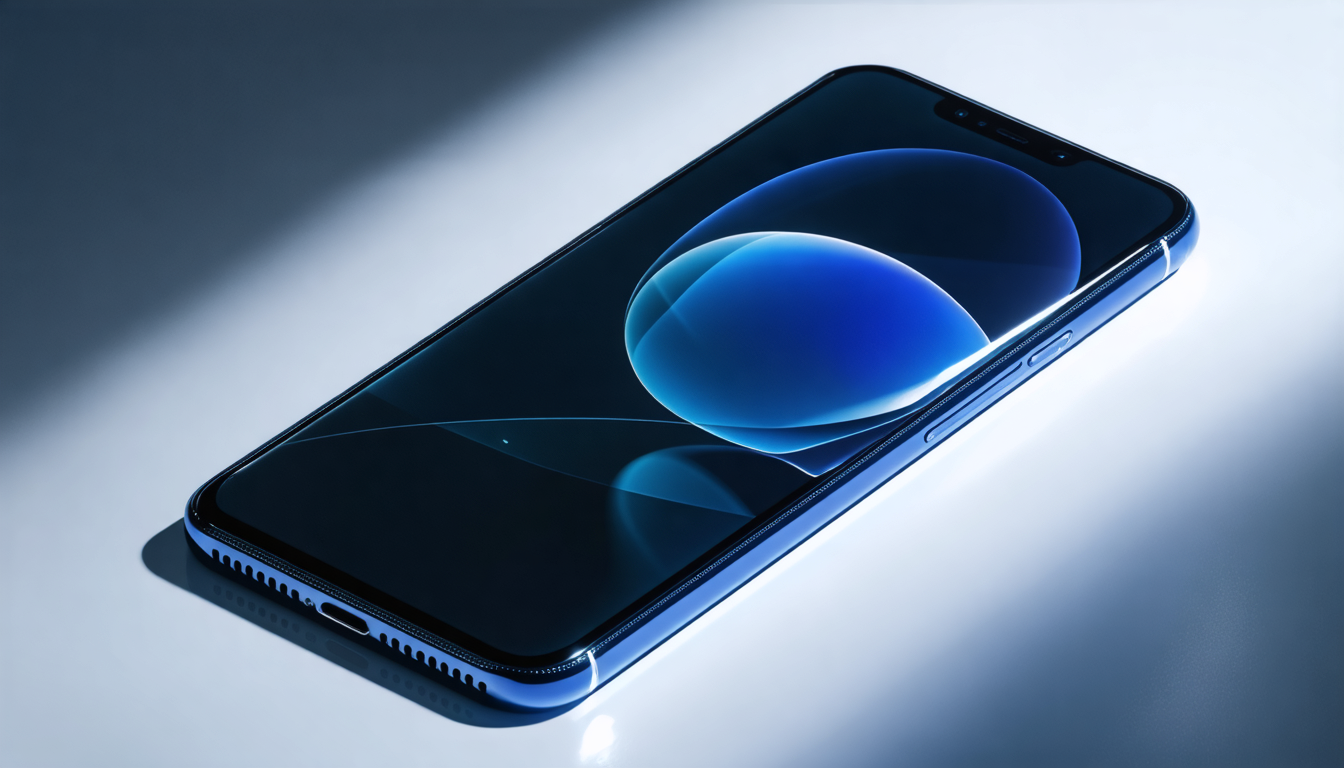
Innovation is not limited to an aesthetic change. The iPhone 20 could embody a true technological revolution, connecting hardware and software advances to offer an unprecedented user experience. The integration of a curved screen fully covering the front is accompanied by an enhanced biometric recognition system, with a camera and sensors integrated under the screen.
This under-display technology, although experimented by some competitors like Samsung, has never achieved satisfactory image quality. Apple seems determined to overcome these limits by improving the transparency of the OLED panel as well as the software processing capacity to offer a photographic and facial recognition experience as efficient as with traditional systems.
The disappearance of physical buttons is also accompanied by haptic touch zones integrated into the central metal frame. This will allow the user to feel a precise vibrational feedback during operation, simulating the classic physical click. This advanced haptic technology promises a more natural and intuitive use, while reducing risks related to the mechanical fragility of classic buttons.
The technical work does not stop there: advances are expected in materials with the gradual abandonment of titanium in favor of a lighter and thinner metal, ensuring a better grip and an ultra-modern visual aspect. This lightness will be accompanied by increased resistance thanks to the use of new composites for the curved glass, thus limiting the often denounced vulnerability of this type of screen to shocks and scratches.
Beyond ergonomics, internal power will not be left behind. The iPhone 20 should host a new-generation chip optimized to handle the technical complexity of sensors integrated under the screen and offer extreme fluidity in all applications, including games and augmented reality. The processor should also manage better autonomy, compensating for the increased consumption linked to advanced features.
The bet taken by Apple with the edge-to-edge curved screen of the iPhone 20 raises several technical and practical issues. This screen, covering all four sides of the phone, promises unparalleled visual immersion but faces significant constraints.
First, the intrinsic fragility of the curved glass remains a sensitive point. By increasing the exposed surface, this type of screen is more likely to crack during a fall or violent impact. On the other hand, applying effective screen films or protections is more complex, as the curvature complicates uniform attachment without bubbles or peeling.
Apple will therefore have to compete with its competitors who have already tried the experience and who have encountered higher breakage rates on their smartphones equipped with similar screens. To overcome these problems, the company could integrate unprecedented technologies in terms of protective materials or mechanical glass protection mechanisms.
Regarding the cameras and sensors hidden under the screen, the stakes are equally important. The so-called “under-display” technology remains fragile in terms of visual quality. The light signal captured by the sensors must pass through several screen layers, which impacts photo sharpness and facial scan accuracy.
Apple will have to demonstrate thorough software and hardware optimization to achieve results worthy of its reputation. This will notably involve adjusting the transparency of the OLED pixels and planning powerful corrective algorithms to compensate for any distortion or loss of brightness.
Finally, success on this front would pave the way for the complete removal of notches or screen holes, thus offering a true uninterrupted screen and a totally immersive visual experience, in line with the most fashionable high-tech trends.
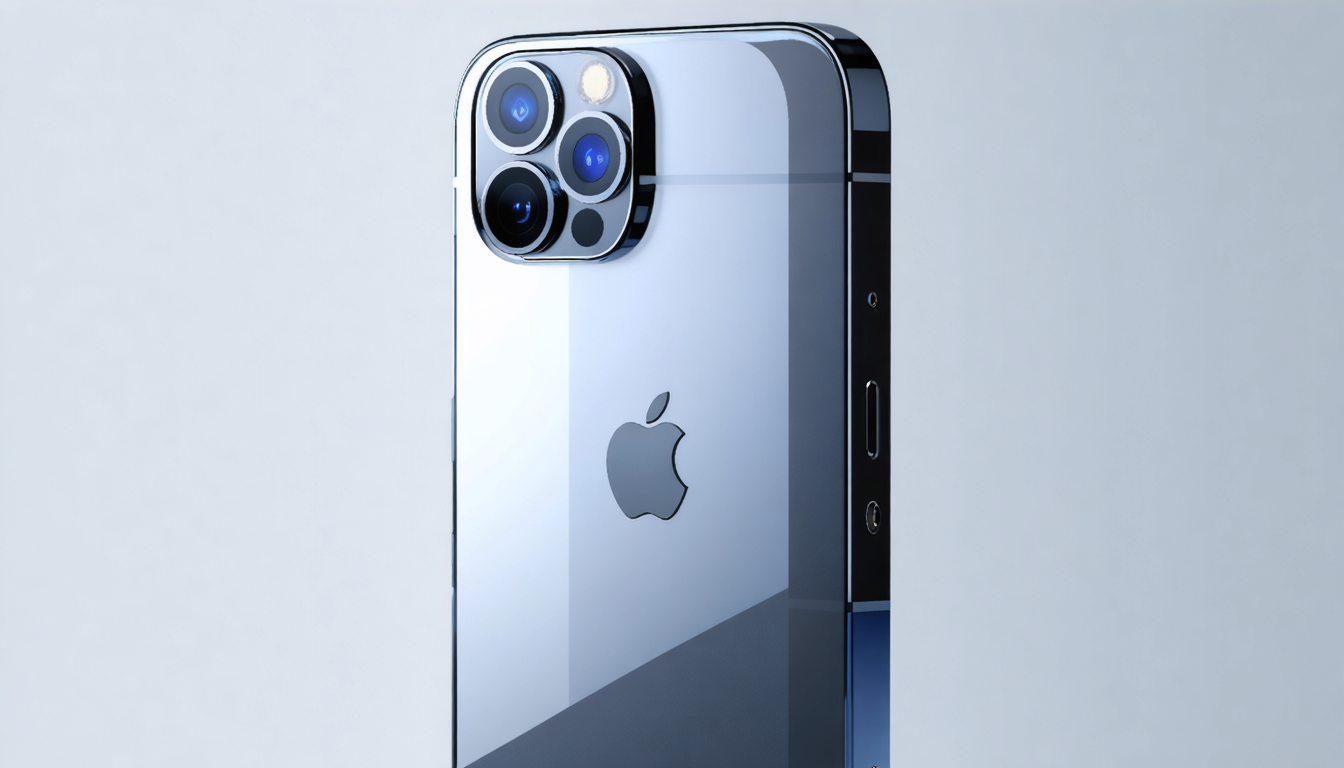
The complete removal of physical buttons on the iPhone 20 symbolizes a new philosophy for Apple. Beyond a simple appearance effect, this transformation aims to redefine the way the user interacts with their smartphone. This evolution is part of a broader approach of purification and technological minimalism.
The volume buttons, power, and other traditional controls will be replaced by sensitive touch zones integrated into the chassis. Thanks to haptic technology, these zones will offer tactile feedback simulating the real pressure of a physical button, thus preserving the familiar sensation while innovating.
This change could also improve the device’s durability. Physical buttons are often a source of mechanical failure after a period of intense use. The disappearance of moving parts could thus reduce the risk of failure and make the phone more robust over the long term.
Furthermore, this technological advance allows better waterproofing, making the iPhone 20 potentially more resistant to water and dust. The need for enhanced certification in this area fits perfectly with modern consumer expectations and contributes to better device longevity.
Finally, this new ergonomics also redefines the layout and the overall design of the smartphone, removing the button bulk that previously impacted the thinness of the object. The new design is therefore both functional and aesthetic, reinforcing the idea of a futuristic smartphone crafted for excellence.
The place of the iPhone 20 in high-tech trends and its market impact
The iPhone 20 is part of a crucial phase where the major brands in the sector must renew themselves facing ever fiercer competition and consumers eager for innovation. This exclusive leak around a revolutionary design and cutting-edge technology demonstrates Apple’s will to regain control of the market by imposing a new aesthetic and functional standard.
Contemporary smartphones, despite impressive performance, sometimes struggle to surprise with their design or uses. The iPhone 20, featuring a fully curved glass front and without a single button, promises a unique experience, more immersive and more intuitive. An initiative intended to strengthen Apple users’ loyalty and also to attract a new clientele looking for technological exclusives.
In the context of current high-tech trends, this graphic and ergonomic innovation aligns with the growing demand for minimalist, more harmonious products, combining visual beauty and practicality. Moreover, the leak about the removal of the Dynamic Island, replaced by an under-display integration technology, perfectly illustrates the concern for perfect integration and a smoother user interface.
This strategy fits into the race for the futuristic smartphone where the boundary between mobile device and connected everyday object blurs. Apple, with this unprecedented design, clearly moves towards a new era where aesthetics no longer confines itself to the visual aspect alone but also becomes a signature of technological performance. The market response to this bold bet could sustainably influence the next generations of smartphones.
The iPhone 20, a symbolic leap in Apple’s roadmap towards 2027
The development of the iPhone 20 takes place within an ambitious roadmap Apple is preparing for the years to come. After several years of relative continuity with models quite close to each other, this anniversary smartphone is presented as a major milestone in the brand’s product strategy.
Analysts compare this potential launch to a revolution comparable to the one caused by the iPhone X ten years ago, which had shifted the range into the era of edge-to-edge screens and advanced facial recognition. The iPhone 20 is not meant to simply follow a linear evolution but to perfect the user experience with striking innovations, including the disappearance of most visible interruptions on the screen and a complete overhaul of the physical structure.
This roadmap does not stop at the iPhone 20. According to reports, Apple is also preparing other major innovations, such as a foldable model planned for 2026 and increasingly efficient OLED screens for other ranges. However, this launch remains the flagship event, the symbol of a renewal on the brand’s most successful segment.
The fact of “skipping” a model number, jumping directly from iPhone 18 to 20, reflects the strategic importance of this launch. It is therefore not just a new generation but a true breakthrough in the history of mobile technology. This decision could also have a powerful marketing impact, reinforcing the perception of rupture and exclusivity around the iPhone 20.
| Year | Key Event | Main Innovation | Market Impact |
|---|---|---|---|
| 2007 | Launch of the first iPhone | Multitouch capacitive touchscreen | Creation of a new smartphone segment |
| 2017 | Launch of the iPhone X | Edge-to-edge screen, Face ID | Design revolution and biometric functions |
| 2026 | Planned launch of the foldable iPhone | Flexible screen and new form | Opening of a new market for Apple |
| 2027 | Planned launch of the iPhone 20 | Buttonless design, integral curved screen | Redefinition of aesthetic and technological standards |
User feedback and expectations facing these exclusive leaks
Despite the responsiveness of fans and experts, this wave of exclusive leaks around the iPhone 20 generates as much enthusiasm as questions. Apple users are naturally demanding and attentive, particularly regarding the feel and robustness of devices.
The total disappearance of physical buttons raises questions about ergonomics and tactile experience quality. While haptic technology promises to compensate for the loss of button sensation, some users remain cautious about its real effectiveness in daily life. It is a change not seen since the arrival of touch itself with the first iPhone.
Additionally, the fragility of curved screens also worries part of the community, aware of risks linked to breakage. Apple will have to convince through innovations in terms of durability and protection to reassure its customers, under threat of seeing this innovation slowed down by these potential flaws.
For many observers, this radical change reignites the dialogue between Apple and its user base, forcing the brand to demonstrate that innovation can go hand in hand with reliability. Expectations are therefore very high, and the coming months will be crucial to confirm or refute these expectations with official announcements and field tests.
The future of mobile technology according to Apple: what impact after the iPhone 20?
The iPhone 20 not only represents a step in the evolution of Apple smartphones but also an important milestone in the broader vision the company develops for tomorrow’s mobile technology. This model, with its unprecedented design and integrated technologies, could lay the foundations for the future of mobile devices far beyond simple telephony.
The disappearance of physical buttons and under-display integration testify to a desire to streamline the user experience and move towards a more fluid and immersive interface. This path seems to announce the potential rise of advanced gesture interaction, or even a future interface integrating augmented reality and artificial intelligence for an even more natural use.
Similarly, mastering the curved screen and component miniaturization could open new perspectives for more compact devices while maintaining a maximum display size. One can imagine future uses in gaming, mobile cinema, communications, or even connected health.
Finally, the iPhone 20 could be the cornerstone of an evolution towards hybrid objects, combining smartphone, smartwatch, and other wearable devices into a single coherent and merged ensemble. This trend is already observed in some technological projects and could see new momentum thanks to Apple’s innovations.
- Fully curved design for an immersive visual experience
- Removal of physical buttons in favor of haptic touch zones
- Invisible camera and sensors integrated under the screen
- Innovative materials and composites for durability
- New generation chip optimized for augmented reality
- New interaction modes based on gesture and touch