At the dawn of 2026, digital identity continues to redefine itself, gradually moving away from simple static photos to open up to dynamic and personalized virtual representations. Creating an avatar from an image embodies this major transformation, offering the possibility to design a digital double perfectly faithful to oneself while integrating realistic animations. Thanks to technological advances in artificial intelligence, this approach has become democratized and is becoming an indispensable tool whether for marketing professionals, content creators, or users simply wishing to enrich their online presence. This guide dives into the mechanisms, tools, and best practices to fully master avatar design from images in 2026, a skill now essential for navigating virtual reality and immersive digital interfaces.
The technology driving this evolution relies notably on sophisticated computer vision algorithms coupled with deep learning networks capable of analyzing every detail of a photo pixel by pixel. They uncover the underlying structure of a face, its expressions, its skin texture, to recreate an animated and realistic 3D model. However, successfully achieving this transformation requires meticulous preparation, especially the choice of a high-quality source photo and proper lighting. Additionally, powerful tools such as HeyGen now allow animating the mouth, synchronizing the voice, and even cloning intonation for an almost human rendering, revolutionizing the use of avatars in both professional and personal contexts. This process paves the way for a new era of communication where your digital double becomes a living extension of yourself, multiplies your expression opportunities, and facilitates interactions in an increasingly connected and virtual world.
- 1 Understanding the technology behind avatar creation from image
- 2 Optimizing the source photo: the fundamental step for a successful digital double
- 3 HeyGen: a key reference for avatar creation from image
- 4 Professional and marketing use cases of digital avatars
- 5 Exploration of the latest innovations in 3D avatar creation and virtual reality
- 6 Ethical and privacy challenges related to avatar creation from image
- 7 Future perspectives: towards total immersion thanks to your digital double
- 8 Practical advice and common mistakes to avoid when creating a digital avatar
Understanding the technology behind avatar creation from image
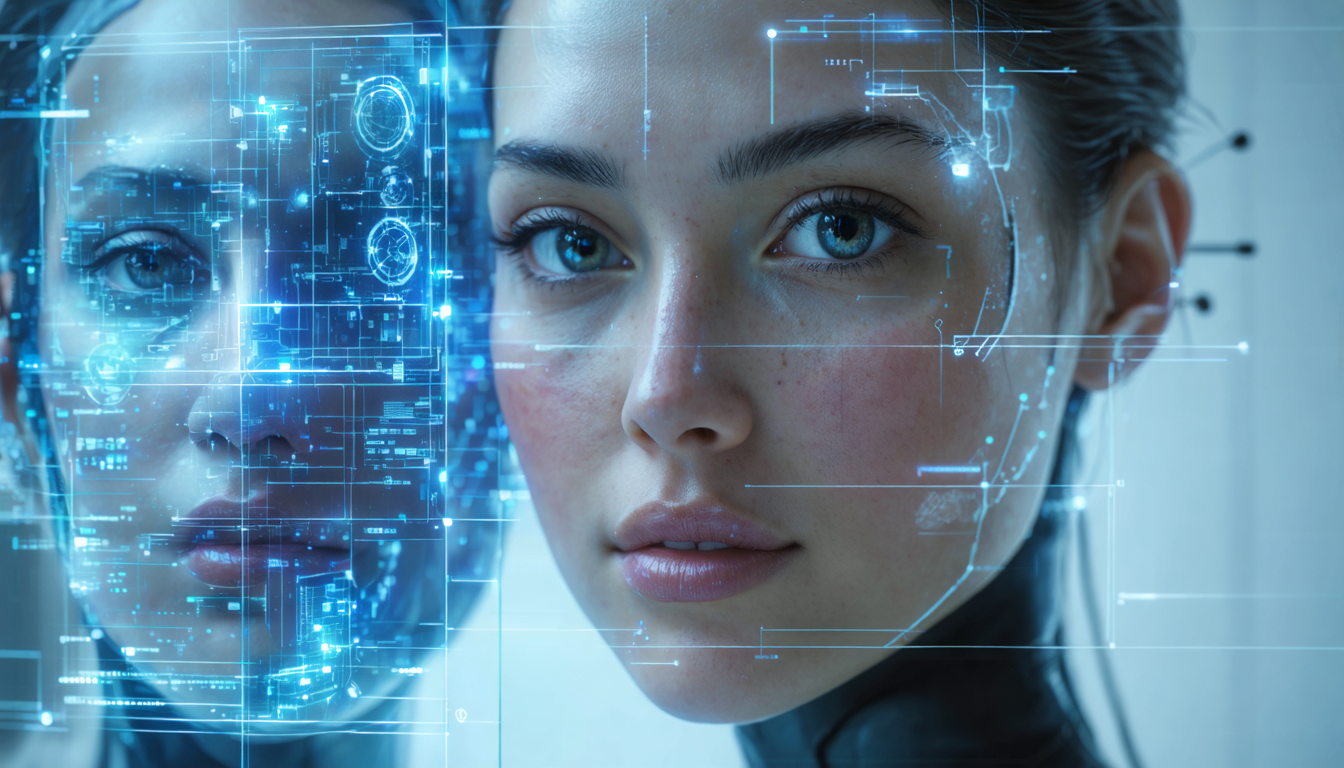
The advent of hyperrealistic digital avatars from a simple photo does not stem from magic but rather from a complex alliance between computer vision, artificial intelligence, and 3D modeling. Indeed, the main engine behind this success lies in generative adversarial networks (GAN) and deep learning. These algorithms have the ability to deeply analyze a photo, extract the geometry of the face, and generate an animated digital double capable of mimicking human facial expressions and movements.
The process begins with a pixel-by-pixel analysis of the image, identifying key points such as the position of the eyes, the shape of the lips, or the bone contours. This critical step aims to create a facial “heat map” which then serves as the foundation for animating the model. This map also includes micro-expressions that bring a living dimension to the digital double, allowing the simulation of a natural smile or frown. Without such analysis, the animation would risk appearing stiff and artificial.
Mastering these technologies allows a major step forward in avatar design, adding crucial details for realism, such as skin texture, shadows cast by light, or subtle reflections. This finesse of execution can adapt to various styles, ranging from total realism to more stylized or artistic renderings depending on the project. For example, some companies create avatars for marketing uses, combining authenticity with graphic elements to effectively capture the target audience’s attention in an image-saturated environment.
This technology also impacts virtual reality and immersive environments, where avatars serve as interfaces for more natural interactions. A well-designed avatar responds in real time to the emotions and expressions of its user, facilitating communication in virtual contexts such as online conferences or virtual trade shows.
With this in mind, current technologies now allow generating, from a 2D image, an animated 3D model capable of enriching your digital identity, making avatar creation a key skill to adapt to spectacular evolutions in the digital sphere.
Optimizing the source photo: the fundamental step for a successful digital double
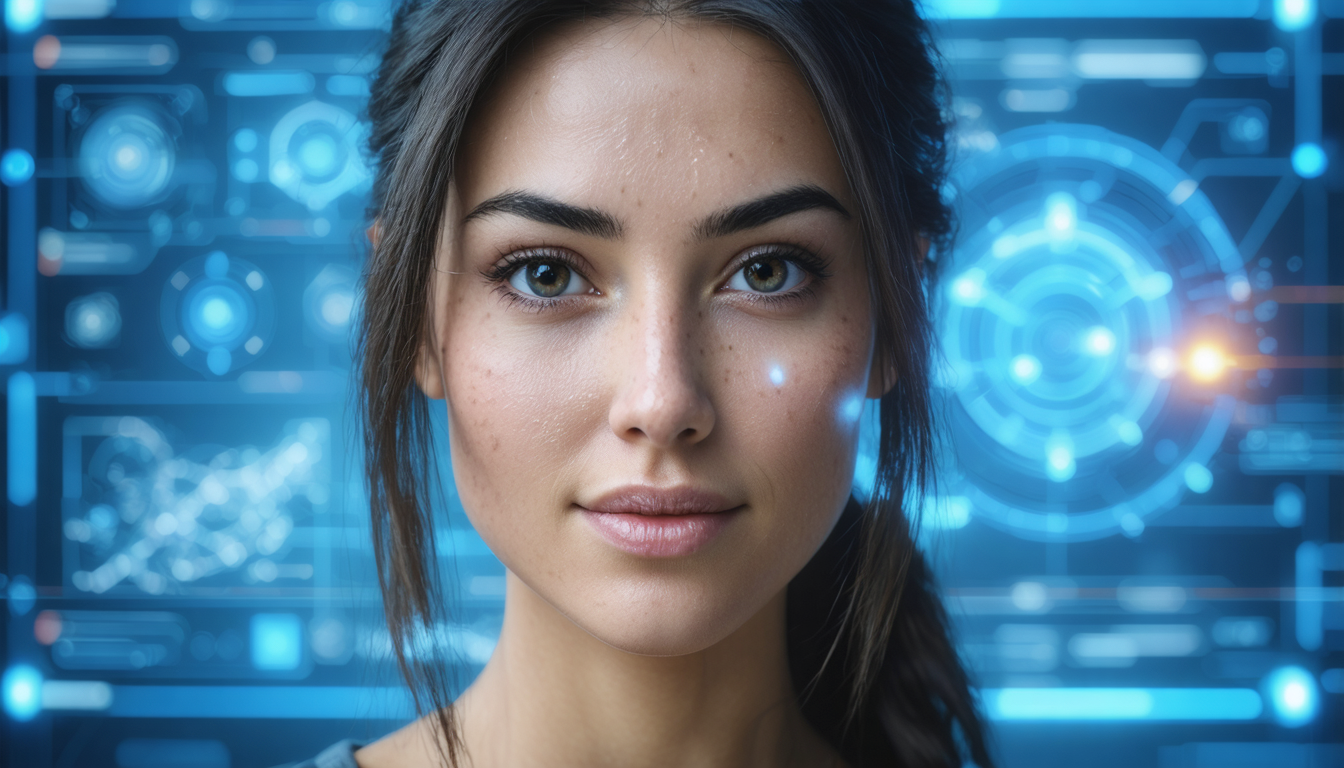
The first reflex to design a quality digital avatar starts with rigorous preparation of the photo that will serve as the base. The quality of this image is a determining factor because it directly influences the final result in terms of realism and animation fluidity.
Soft, uniform frontal lighting is essential. It prevents marked shadows that can blur the identification of features and affect the interpretation of textures by algorithms. The brightness must be sufficient to reveal facial details without creating overexposed areas, which could cause the loss of crucial information for AI. For example, a photo session near a window with diffuse natural light often produces the desired effect.
The resolution and sharpness of the image are also critical. High definition allows artificial intelligence to capture fine micro-expressions such as the slight curve of a lip or subtle eye squint, indispensable for creating an expressive and convincing avatar. The latest smartphones now include portrait modes specially adapted to this type of photo, thus facilitating the creation of high-quality digital doubles.
The posture and shooting angle should favor a nearly frontal position, with a gaze directed toward the camera. This straight posture facilitates the calculation of facial symmetry, an essential tool for precisely modeling movements. A tilted face or profile pose can disturb the heat map and alter the avatar’s final quality. A neutral expression, with the mouth closed, simplifies lip synchronization during the animation phase.
Finally, the background often plays an underestimated role. A plain, preferably neutral background prevents the software from confusing scenery elements with the facial or hair contours. This setup guarantees clean cutouts during later adjustments.
Avoiding certain accessories is also advisable. Thick-framed glasses, bulky jewelry, or hats can cause artifacts, especially during face movement processing. Presenting a clear face ensures optimal processing.
Here is a reminder of best practices for the source photo:
- Soft and uniform frontal lighting
- High resolution and sharp image
- Frontal position with gaze toward the lens
- Neutral expression, mouth preferably closed
- Plain and neutral background
- No heavy accessories (glasses, jewelry)
Following these tips maximizes the quality of the digital double and avoids most interpretation errors during avatar creation.
HeyGen: a key reference for avatar creation from image
Among the many tools available on the market in 2026, HeyGen stands out as a true leader in designing avatars from images. This innovative tool combines technical precision and ease of use, meeting the most demanding expectations for both beginners and professionals.
HeyGen excels particularly in animation and lip synchronization, a crucial point to make the digital double appear credible during speech. The analysis of the text provided by the user allows HeyGen to align lip movement in real time with synthesized speech, making the artificial nature of the avatar almost imperceptible.
It also offers a rich library of synthetic voices covering many languages and tones, thus providing great flexibility depending on the usage context. Even better, the ability to clone one’s own voice is a major asset to authenticate digital identity, strengthening the feeling of personalization and immersion.
The interface is designed to generate professional videos in just a few minutes once the photo is uploaded, a significant time saver that considerably reduces the usual costs related to classical video production.
HeyGen thus establishes itself as a key solution both for marketing campaigns, where sending personalized video messages on a large scale becomes possible, and for online training, in which an avatar can deliver educational content without requiring the physical presence of a trainer.
In summary, the combination of cutting-edge technology and user-centric ergonomics makes HeyGen a preferred choice for designing realistic and expressive avatars, an essential element of digital communication in 2026.
Professional and marketing use cases of digital avatars
The digital avatar created from a photo is no longer limited to playful expression or simple entertainment. In 2026, it establishes itself as a true strategic lever for companies wishing to modernize their communication.
The online training sector perfectly illustrates this potential. An animated avatar can present teaching modules, easily update content, and repeat endlessly without fatigue or energy loss. This approach generates substantial savings on video shooting and staff costs. Moreover, learners benefit from a personalized experience thanks to the avatar’s ability to adapt its speech to different audiences.
In marketing, the creation of personalized avatars offers a powerful way to capture consumers’ attention in an information-saturated environment. Video campaigns with a digital double capable of interacting, answering questions, or adopting targeted speech multiply engagement rates. For example, some major e-commerce players use these animated avatars to welcome site visitors with a unique and inviting presentation that replaces the classic text chatbot.
Social networks also provide a fertile ground for this type of innovation. Content creators can automate video publishing via their avatar, thus maintaining constant interaction with their community without necessarily exposing themselves physically. This saves time and ensures consistency in the digital identity despite a high publication pace.
Here is a list of key sectors where avatar from image has taken a significant place:
- Online training and education
- Digital marketing and advertising
- E-commerce and interactive customer service
- Social networks and entertainment
- Virtual presentations and conferences
Avatars thus shape more human interactions, even remotely, while generating economies of scale and great usage flexibility over time.
Exploration of the latest innovations in 3D avatar creation and virtual reality
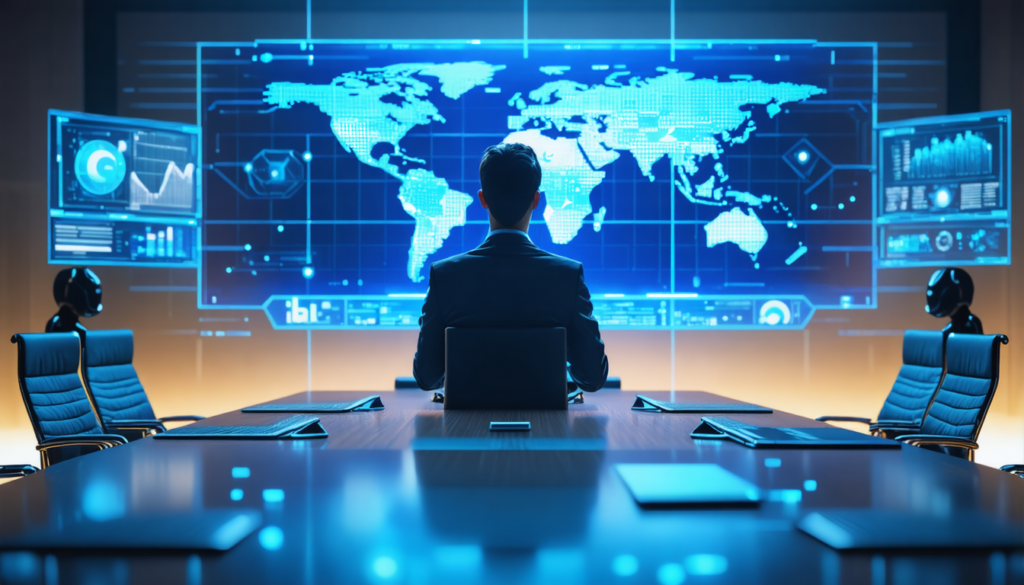
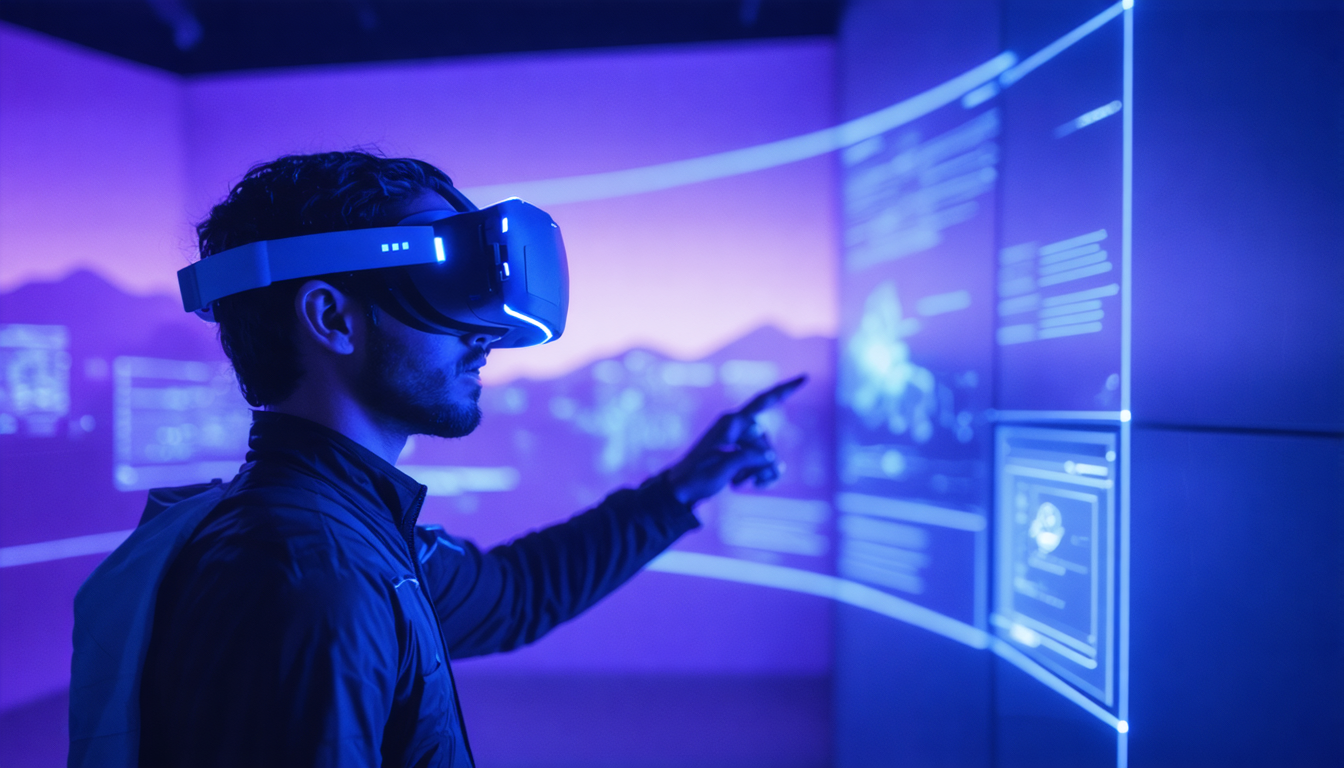
Digital avatar creation is rapidly evolving towards ever more sophisticated three-dimensional models that fit perfectly into virtual reality (VR) and augmented reality (AR) environments. In 2026, this convergence accelerates new possibilities for immersive interaction.
Advances in 3D modeling facilitate the conversion of a simple photo into a complete virtual character, capable of moving freely in a digital space. Facial expressions and body movements are captured thanks to sensors or cameras, thus creating a realistically animated digital double from the initial static data.
Creating these 3D models no longer requires the intervention of specialized teams or long hours of work. Thanks to artificial intelligence and automated tools, professionals and individuals alike can design an immersive avatar quickly, which can then be integrated into video games, virtual reality platforms, or advanced video conferencing applications.
For example, in the medical field, ultra-realistic 3D avatars now allow simulating virtual consultations where the patient interacts with a digital double of the doctor in a secure virtual environment.
Moreover, increasing compatibility between different digital ecosystems promotes the use of unified avatars, which can be taken from one platform to another, thus ensuring continuity of digital identity in various social or professional contexts.
This table summarizes the main features of innovations in 3D avatars and virtual reality:
| Feature | Description | Application example |
|---|---|---|
| Automated 3D modeling | Transformation of 2D images into animated 3D avatars | Virtual social network platforms |
| Facial expression synchronization | Real-time capture and replication of emotions | Virtual medical consultations |
| Multiplatform compatibility | Use of the same avatar in various VR/AR environments | Professional gaming and metaverse |
The rise of these innovations confirms that avatar design no longer limits itself to a simple visual identity but extends towards a complete and interactive digital presence.
The multiplication of digital avatars also raises complex questions around privacy and ethics. In 2026, as the use of personal images to create digital doubles becomes widespread, data protection becomes a crucial issue.
One major risk is the malicious use of generated avatars without consent. For example, creating a digital double from a photo uploaded without authorization could infringe on privacy or be used for fraudulent purposes, such as identity theft or the spread of fake video news.
In addition, voice cloning and faithful reproduction of expressions raise questions about manipulation and the truthfulness of digital content. How can one ensure that an avatar is not used to propagate statements its real user would never make?
Companies and developers must adopt a strict transparency policy on the use of biometric data involved in avatar creation. This involves clear consent systems, opt-out options, and enhanced security of information.
The legislative framework is already starting to adapt to this new reality with the emergence of international standards regulating the creation and exploitation of digital doubles. These rules aim to ensure a balance between innovation and respect for fundamental rights.
It is also essential for users to fully understand the usage terms of avatar platforms and be vigilant when sharing personal images online.
Future perspectives: towards total immersion thanks to your digital double
As 2026 witnesses the emergence of ever more powerful technologies, the future of digital avatar creation promises continuous evolution towards increasingly immersive and personalized experiences. The digital double no longer limits itself to a simple visual representation but becomes a virtual extension endowed with artificial intelligence capable of adapting to various contexts.
Integrated virtual and augmented reality systems will soon allow everyone to move within virtual spaces with an avatar faithfully reflecting their emotions and behavior, greatly enhancing the quality of human interactions at a distance. This symbiosis between AI and avatars opens the way to uses in education, health, collaborative work, and even entertainment, with avatars able to react autonomously.
Furthermore, personalization will be pushed to its peak thanks to the learning capabilities of artificial intelligences. Your digital double will be able to adopt your communication style, anticipate your needs or preferences, or even evolve independently in some virtual environments. These developments will be accompanied by tools facilitating the design and rapid updating of your avatars for an increasingly intuitive daily use.
Ambitious projects are already being tested where digital doubles serve as guides or personal assistants in virtual universes, accompanying the user with an unprecedented level of attention and adaptation. Thus, the boundary between real and virtual gradually fades, offering a new dimension to digital identity.
Ultimately, creating an avatar from an image in 2026 is much more than a simple technological innovation: it embodies a cultural and social revolution that redefines our relationship with self-image and communication in an increasingly connected world.
Practical advice and common mistakes to avoid when creating a digital avatar
In your process of creating an avatar from an image, it is common to make some mistakes that may compromise the quality of the final result. Anticipating these pitfalls and adopting good practices therefore guarantees success for a successful digital double.
Among the most widespread errors, choosing a low-resolution or poorly lit photo is often fatal. A blurry or dark shot prevents AI from capturing essential details for modeling, leading to an avatar lacking realism and expressiveness. Do not underestimate the importance of a clean and well-framed photo.
Another major pitfall lies in using unsuitable accessories. For example, thick-framed glasses hinder eye tracking and cause artificial blinking. Likewise, bulky jewelry or extravagant hairstyles can add problematic areas during cutout and animation. Therefore, favor a simple and natural look to maximize avatar fidelity.
Framing can also be a source of errors: a photo taken at a three-quarter or profile angle complicates the symmetrical reproduction of facial measurements. Maintaining a frontal posture is almost mandatory. Similarly, avoid overly marked expressions or wide smiles that make lip synchronization more difficult.
Finally, make sure to check the compatibility of chosen platforms with the resolution and format of your image. Some solutions impose technical limits which, if not respected, degrade quality or prevent final export.
In summary, here are the key tips to remember:
- Select a high-resolution and well-lit photo.
- Choose a frontal pose and a neutral expression.
- Avoid bulky accessories (thick glasses, heavy jewelry).
- Use a plain background and avoid disruptive elements behind.
- Check the technical requirements of the chosen platform.
By applying these recommendations, each step of avatar creation from image will be optimized for a faithful, expressive, and professional digital double.
What is the minimum recommended quality for the source photo?
It is recommended to use a high-resolution photo, ideally above 1080p, with uniform and frontal lighting to ensure optimal avatar rendering.
Is it possible to personalize the voice of your avatar?
Yes, some tools like HeyGen allow you to clone your voice or use a wide range of synthetic voices to fully customize your avatar.
What are the main professional uses of digital avatars?
They are used for online training, personalized marketing communication, social media management, virtual presentations, and even interactive customer service in e-commerce.
How to ensure confidentiality during avatar creation?
It is important to choose platforms that guarantee secure processing of biometric data, with transparent policies and informed user consent.
Does avatar from image work with any photo?
The success of the avatar always depends on the quality of the source photo, its resolution, lighting, and face position. A poorly taken photo can harm the fluidity and realism of the avatar.