
An intriguing video recently broadcast on platform X highlighted one of the most unexpected phenomena at the Indian border. In a harsh, desert landscape, the silhouette of a humanoid robot was filmed by Indian soldiers, triggering a series of questions and hypotheses within the international community. Combining technological advances and geopolitical tensions, this discovery quickly sparked keen astonishment and a lively debate on the true nature of this mysterious object. Appearing in the immediate vicinity of the Line of Actual Control (LAC) between India and China, this robot seems straight out of a science fiction story, but it could well represent a significant innovation in the field of border surveillance and security.
Indeed, the appearance of this humanoid robot on one of the world’s most sensitive borders raises important questions about the evolution of military technology and artificial intelligence. It is no longer just a local issue but an event whose repercussions could profoundly disrupt how countries manage their territorial security. The video, although short, is the starting point of a true mystery that fuels speculations, doubts, and concerns alike. Moreover, this situation occurs at a strategic moment when innovations in humanoid robots, especially in China, are rapidly expanding, with highly ambitious deployment projects underway.
The discovery of this robot at the Indian border thus adds a new dimension to current debates on the use of autonomous technologies in border control. It highlights a form of innovation that could transform human interactions in conflict zones and border areas. While some observers see in this object proof of a major technical evolution, others remain cautious, emphasizing the lack of official information and the difficulty in distinguishing reality from science fiction. In any case, the events that followed this discovery clearly upset all expectations, opening the way to a new era where humanoid robotics penetrates increasingly into contemporary geopolitical issues.
- 1 The circumstances of the discovery of the humanoid robot at the Indian border
- 2 International reactions to the discovery of the presumed Chinese spy robot
- 3 Technological ambiguity: autonomous robot or simple surveillance device?
- 4 UBTech Robotics and the deployment of Walker S2 robots on the Sino-Vietnamese border
- 5 The impact of humanoid robotics on global border security
- 6 Ethical and geopolitical challenges related to the use of humanoid robots at borders
- 7 Indian innovations in low-cost humanoid robots
- 8 Current technical challenges for true autonomy of humanoid robots
- 9 Future perspectives: towards widespread integration of humanoid robots at borders
The circumstances of the discovery of the humanoid robot at the Indian border
The encounter with this humanoid robot was not the result of a concerted search but rather a chance capture by patrolling soldiers. The video, shot at high altitude, shows a stationary humanoid-shaped object placed at the heart of the desert landscape on the Indo-Chinese border, already a highly strategic area known as the Line of Actual Control. This zone, often the scene of Sino-Indian tensions, is an area of high vigilance with multiple military patrols. The presence of a robot in this context immediately caused a shockwave.
In this remotely captured video, the camera gradually zooms in on the silhouette, accentuating the mystery surrounding it. Motionless and robotic, the strange object was quickly interpreted by the soldiers as a possible Chinese spy robot, dedicated to monitoring sensitive areas, although this interpretation remains unconfirmed by official authorities to this day. This phenomenon has sparked a wave of online reactions, ranging from fascination and curiosity to distrust. Indeed, Indian internet users widely shared and commented on the video, fueling an intense debate about the intentions behind this installation.
It is interesting to note that neither Indian nor Chinese authorities have issued any official statement regarding this robot. This lack of unofficial confirmation reinforces the mystery and leads to speculations about its true function. Some specialists even suggest that it could be a simple fixed surveillance platform equipped with cameras rather than a truly autonomous robot.
- Amateur video of 34 seconds filmed by Indian soldiers on patrol
- Presence of the robot at the Line of Actual Control (LAC), a contested zone
- Skepticism about the robot’s real autonomy and nature
- Rumors of a Chinese spy device operating remotely
- Absence of official communication from Beijing and New Delhi
| Element | Description | Impact |
|---|---|---|
| Location | Line of Actual Control between India and China | High military tension zone |
| Filmed Object | Immobile humanoid robot with human shape | Raises questions about the use of advanced robotic technology |
| Reactions | Wide media coverage on Indian social networks | Amplification of public and geopolitical debate |
| Verification | Lack of official confirmation | Maintains the mystery around the object |
This discovery has caused a global stir, sparking growing curiosity and encouraging closer attention to the progress of humanoid robotics and its potential uses in sensitive contexts such as international borders.
International reactions to the discovery of the presumed Chinese spy robot
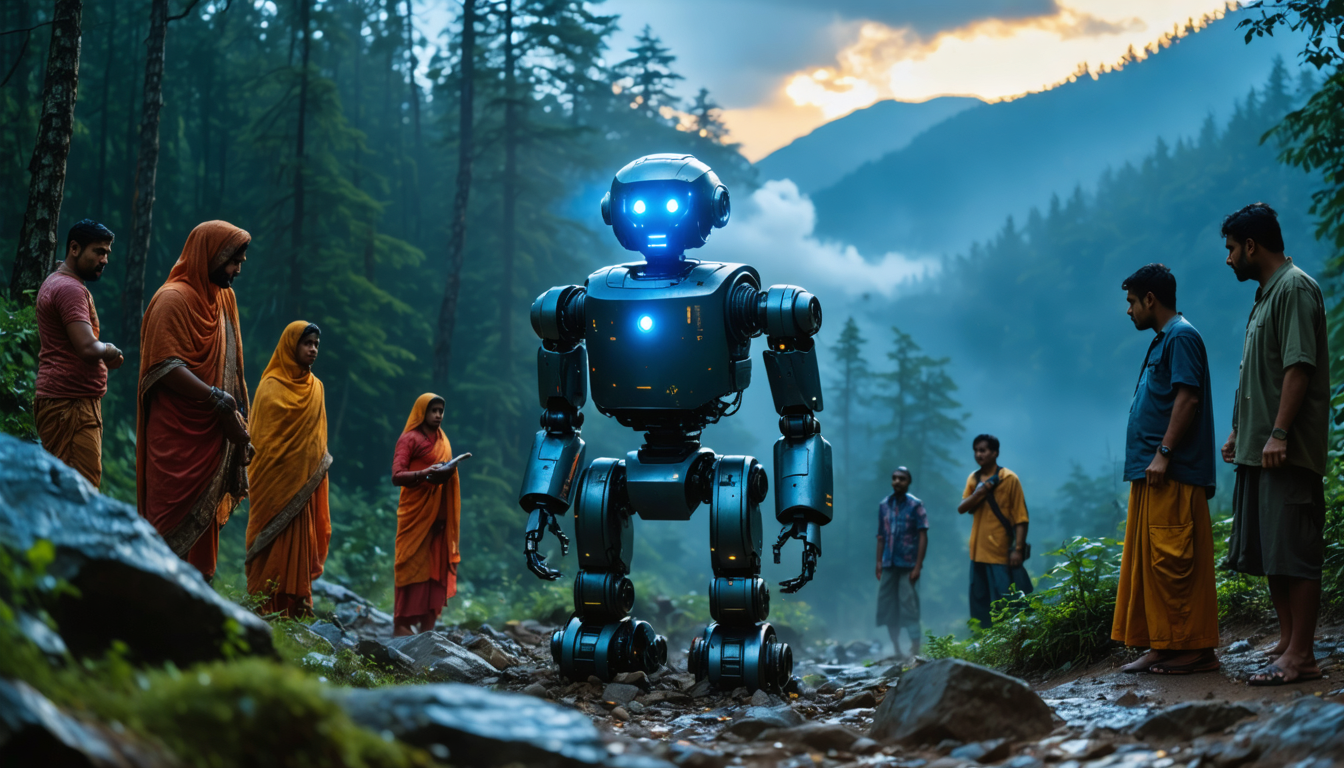
The release of this video had an instant effect on the international scene. Faced with what they consider a possible technological breakthrough at the Indian border, several countries expressed their surprise and interest, while others voiced security concerns. The discovery led to a genuine upheaval in collective feelings regarding the use of autonomous robots in sensitive border areas.
In India, this appearance revived old fears linked to ongoing tensions with China. The idea that a “spy robot” might be deployed to ensure continuous surveillance strengthened the perception of a technological escalation in territorial control. The debates extended well beyond military circles to reach the general public, media, and security experts. The confrontation between innovation and sovereign control is more than ever under the spotlight.
Internationally, several analysts highlighted the importance of this technological innovation, placing it within the broader context of humanoid robot development. The deployment of such devices to monitor borders could redefine military strategy and diplomacy around tension zones. Some experts mention a possible arms race in robotic systems, especially in Asia, where technology is rapidly advancing.
- Reality of a new form of technological war
- Fear of increased surveillance with autonomous robots
- Debate on sovereignty and respect for borders
- Pressure on the international community to regulate the use of AI in military environments
- Renewed interest in civilian and industrial applications of humanoid robots
| Actor | Reaction | Potential Consequence |
|---|---|---|
| India | Alarmism and heightened vigilance at the border | Strengthening of human and technological military measures |
| China | Diplomatic silence and vague official politics | Possible gradual strategy of robot use at the border |
| International community | Calls for dialogue on ethics and regulation | Development of international agreements on military robot use |
| Media | Amplification of coverage and public debates | Influence on public opinion and foreign policy |
This sequence also resurrected debates according to which humanoid robots and border surveillance could soon become the norm, raising ethical and political questions.
Technological ambiguity: autonomous robot or simple surveillance device?
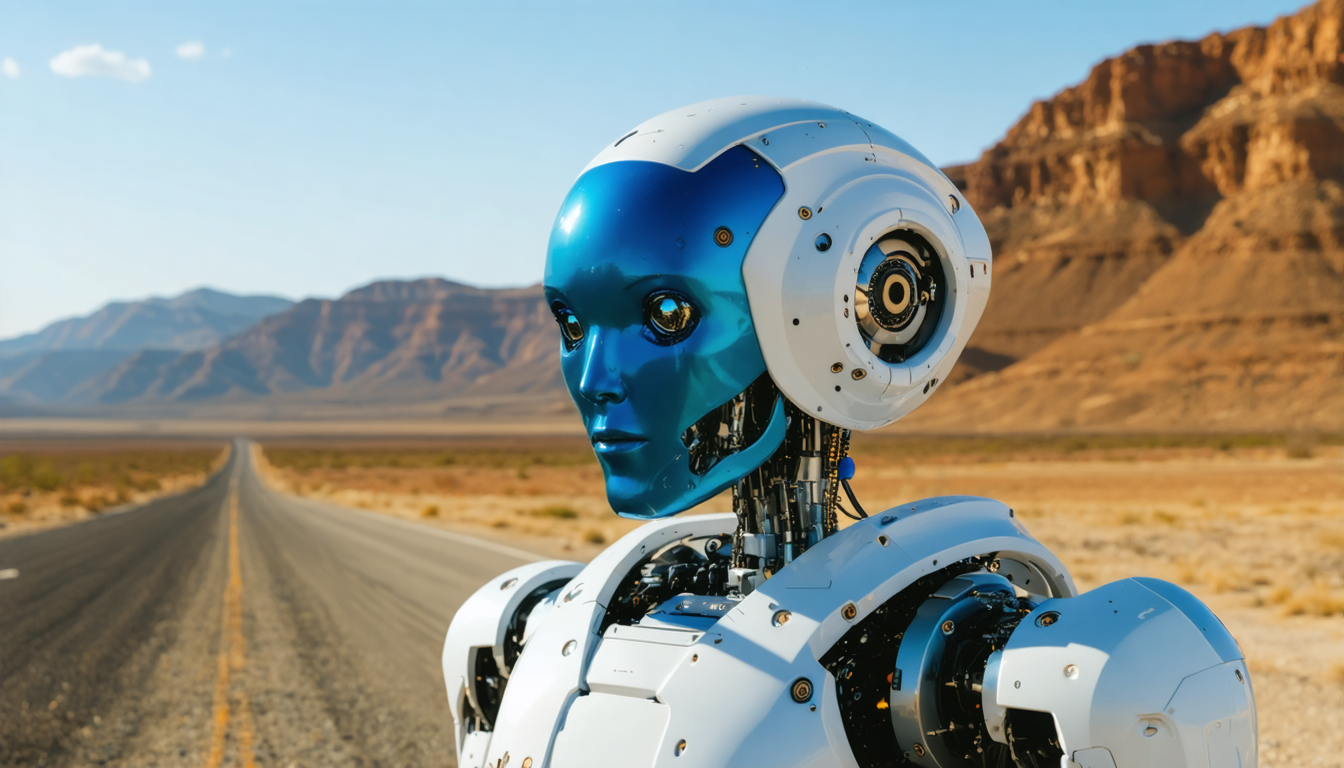
At the heart of the mystery surrounding the discovery lies the fundamental question of the object’s true nature: is it an autonomous humanoid robot capable of patrolling independently, or a simple static device equipped with cameras for surveillance? This question divides both experts and the general public, fueling a complex but crucial technical debate.
On one hand, some observers argue that the technological sophistication reflected by the humanoid silhouette would correspond well to the progress made by major Chinese companies in robotics. The manufacturer UBTech Robotics, for example, recently launched its Walker S2 model, a humanoid robot designed for inspection and control in industrial and border areas, notably integrating a modular battery system and advanced mobility capabilities.
However, the absence of concrete elements and the static nature of the filmed robot call this hypothesis into question. Several internet users have suggested that the object might be a fixed surveillance device, a “platform” equipped with cameras and sensors but without real autonomy or decision-making capacity. This hypothesis is supported by the lack of demonstrated actions in the video and the difficult context for robotic movement in a high-risk area.
- Arguments for an autonomous humanoid robot: mobility, recent technological innovation, known projects
- Arguments for a static device: immobility, technical simplicity, passive surveillance function
- Consequences in terms of defense: active robot vs passive surveillance
- Psychological impact on troops and local populations
- Influence on technological warfare and military doctrine
| Criterion | Autonomous Humanoid Robot | Static Surveillance Device |
|---|---|---|
| Mobility | Advanced mobility, dynamic patrolling | Fixed, no movement |
| Main function | Inspection, surveillance, interaction | Video surveillance, data collection |
| Technology used | Advanced AI, modular batteries | Cameras, passive sensors |
| Visibility of actions | Visible actions, movements | Apparent immobility |
| Military involvement | Active participation in patrol | Passive observation |
The evolution of humanoid robots shows constant progress but also current limitations requiring a cautious reading of these images and announcements. In any case, this ambiguity highlights the growing complexity of modern military robotics.
UBTech Robotics and the deployment of Walker S2 robots on the Sino-Vietnamese border
Alongside the questions raised at the Indian border, China has officially announced an important advance in humanoid robot technology. UBTech Robotics, based in Shenzhen, has announced the imminent deployment of its Walker S2 robots on the Sino-Vietnamese border starting December 2025.
This project constitutes a world first in terms of industrial and security integration, where humanoid robots are expected to operate in challenging environments to perform technical inspections and ensure surveillance. The Walker S2 is designed to carry out repetitive and inspection tasks in factories and industrial zones, particularly in the steel, copper, and aluminum sectors.
- Humanoid robot equipped with modular batteries for extended autonomy
- Inspection capabilities in sensitive industrial areas
- Large-scale pilot deployment project on the Sino-Vietnamese border
- Goal of improving operational efficiency and reducing human risks
- Official Chinese communication on this technological innovation
| Feature | Description | Importance |
|---|---|---|
| Model | Walker S2 | Latest from the UBTech Robotics range |
| Deployment zone | Sino-Vietnamese border | High surveillance environment |
| Functions | Industrial inspection, surveillance | Optimization of security operations |
| Technology | Modular batteries, artificial intelligence | Increased durability and energy efficiency |
| Deployment | December 2025 | Imminent start of a pilot project |
This deployment on the Sino-Vietnamese border is all the more significant as it could inspire similar uses elsewhere, including at the Indian border, reinforcing the growing role of robotics in managing sensitive zones. To follow trends and understand issues related to humanoid robotics, explore this article on the new era of AI robots.
The impact of humanoid robotics on global border security
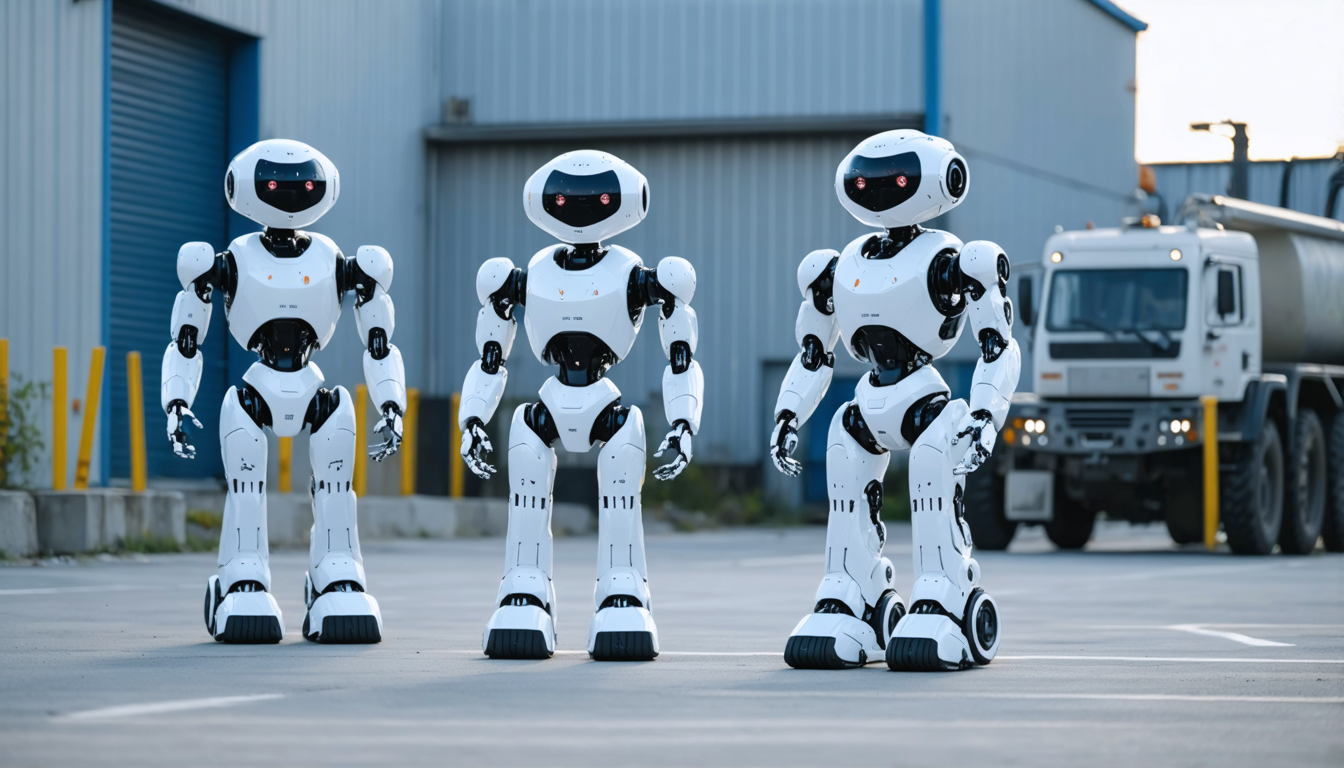
The emergence of humanoid robots in border surveillance operations marks a radical transformation of security practices. Beyond the Indian border, this technology tends to be integrated into an increasing number of countries, aiming for greater efficiency and risk reduction for soldiers and human agents.
The advantages of humanoid robots in terms of security are manifold. They can operate in dangerous environments, collect real-time information through their sophisticated sensors, and react instantly to unforeseen situations. Their ability to cover long distances without fatigue represents a major asset in monitoring vast and difficult-to-access areas.
- Continuous surveillance without breaks or fatigue
- Reduced human risks in dangerous zones
- Real-time data collection thanks to advanced sensors
- Possibility of rapid and targeted intervention
- Strengthened deterrence against illegal incursions
| Benefits | Description | Example |
|---|---|---|
| Endurance | Continuous operation day and night | Robot patrol over long distances |
| Safety | Limits troop exposure to physical risks | Operations in conflict zones, mines |
| Speed | Instant detection of suspicious activities | Monitoring key border points |
| Information | Real-time transmission to command centers | Coordination of human interventions |
| Deterrence | Visible presence deterring offenders | Reduction of intrusion attempts |
Border security is therefore evolving toward an increasing symbiosis between advanced technologies and human capacities, illustrated by concrete examples such as those presented in this analysis on everything about humanoid robots.
The growing use of humanoid robots within border zones raises many ethical and geopolitical challenges that call for in-depth reflection. The deployment of robotic devices in the sensitive context of international relations requires the establishment of clearly defined legal frameworks to avoid unintentional escalations.
At issue is the robots’ ability to act autonomously, raising the complex question of responsibility in the event of an incident. Who would be held accountable if a robot causes a diplomatic incident or violates international law? Moreover, the prospect of these robots being used for offensive actions heightens global fears.
Another major challenge is transparency. The lack of official communication, as observed in the Indian border case, maintains suspicions and can exacerbate tensions. International control and dialogue mechanisms are necessary to regulate and limit military uses of these emerging technologies, particularly in sensitive border regions.
- Liability in case of error or accident
- Risks of uncontrolled escalation between nations
- Lack of transparency in military programs
- Challenges respecting international humanitarian law
- Calls for strict international regulations
| Issue | Impact | Possible Solutions |
|---|---|---|
| Robot autonomy | Decisions without direct human control | Maintaining strict human oversight |
| Program opacity | Suspicion increased tensions | Transparency and independent verification |
| Offensive use | Military escalation | International limitation agreements |
| Legal responsibility | Legal confusion | Clear legal framework |
| Ethics | Public debate and morality | Civil society involvement |
These considerations are notably highlighted in in-depth analyses on the illusion of autonomy of humanoid robots and their real impacts.
Indian innovations in low-cost humanoid robots
Faced with foreign developments, India does not remain on the sidelines of the robotic revolution. Local engineering teams have developed innovative humanoid robot models made from recycled and low-cost materials. These prototypes, although less sophisticated than their foreign counterparts, integrate unique features such as a simulated “beating heart,” aimed at humanizing the robot and facilitating its social acceptance in civilian environments.
These initiatives demonstrate India’s innovative capacity in a sector dominated by powers like China and the United States. They open promising prospects, particularly for civilian, educational, or medical applications, in addition to possible security uses. The development of low-cost robots is essential in a country with heterogeneous resources, where technological democratization is a major challenge.
- Use of recycled materials to reduce costs
- Features focused on human interaction
- Multiple applications: medical, educational, security
- Potential for massive low-cost deployment
- Contribution to national technological sovereignty
| Feature | Description | Potential |
|---|---|---|
| Cost | Low thanks to use of recycled materials | Technological democratization |
| Functionality | Simulation of a “beating heart” and interaction | Increased social acceptance |
| Use | Civilian and security fields | Versatility |
| Development | Local Indian project | Strengthening technological sovereignty |
More details are available in this investigation on India’s AI humanoid robot with a beating heart and its unique characteristics.
Current technical challenges for true autonomy of humanoid robots
Despite impressive progress in humanoid robotics, achieving true and reliable autonomy remains a major challenge. Robots deployed in hostile or isolated environments, such as border zones, must overcome several technical obstacles, from difficult energy supply to complex real-time data management.
One major difficulty lies in energy autonomy. Batteries must provide prolonged operating time, which is not yet fully mastered despite innovations such as the modular systems integrated into the Walker S2. Likewise, data processing from sensors requires high computing capabilities, often limited by the need to carry minimal loads to maintain robot mobility.
- Energy management for extended autonomy
- Real-time processing of border data
- Physical robustness against extreme climatic conditions
- Interaction with the environment and adapted reactions
- Maintenance and repair in isolated areas
| Technological Challenge | Impact | Explored Solutions |
|---|---|---|
| Energy autonomy | Limited operation time | Modular batteries, fast charging, solar energy |
| Data processing | Reactivity and decision-making | Embedded AI, secure cloud computing |
| Environmental resistance | Reliability in difficult terrain | Reinforced materials, waterproofing |
| Interaction | Adaptation to environment | Advanced sensors, machine learning |
| Maintenance | Continuous availability | Remote diagnostics, fast repair protocol |
These technical constraints partly explain why, despite enthusiasm, humanoid robots are advancing but still far from invading everyday life. They also reflect the ongoing efforts by major players in the sector.
Future perspectives: towards widespread integration of humanoid robots at borders
The gradual deployment of humanoid robots, such as those developed by UBTech or in India, heralds a new era where these machines could become key actors in border surveillance. In the near future, one can imagine systems combining AI, robotics, and global communication for fully automated management of sensitive zones.
However, this widespread integration would require international coordination and robust legal frameworks to avoid conflicts and ensure collective security. Interoperability among different robotic systems, protection of collected data, and usage standards will be decisive aspects.
- Large-scale deployment in various border zones
- Improvement of AI and autonomy capabilities
- Adaptation to international regulatory requirements
- Strengthening multinational cooperation
- Consolidation of a common ethical and legal framework
| Element | 2030 Perspectives | Expected Impact |
|---|---|---|
| AI Technology | Advanced AI with reliable autonomous decision-making | Proactive and reactive surveillance |
| Deployment | Humanoid robots on all sensitive borders | Enhanced security and conflict reduction |
| Regulation | Clear and accepted international standards | Risk of escalation limited |
| Interoperability | Harmonized and interconnected systems | Coordinated and efficient management |
| Social acceptance | Transparent and ethical integration | Reduced resistance and fears |
To fully understand these issues, it is essential to regularly follow developments in the field, notably through specialized sources such as this detailed article on humanoid robots powered by artificial intelligence.