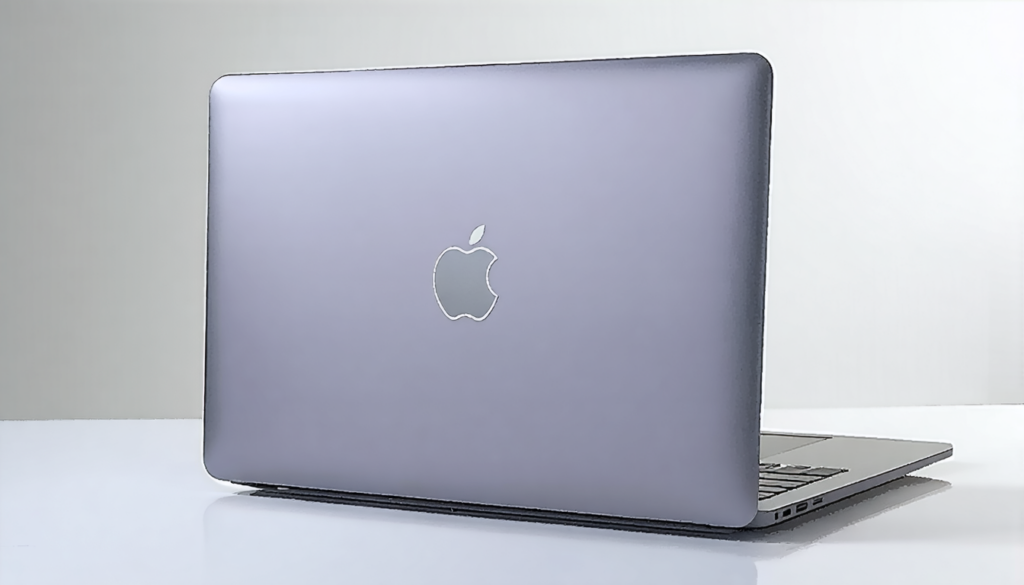
The launch of a MacBook presented as “affordable” stirred up the web and users awaiting a low-priced Apple laptop. However, the surprise was considerable when the announced price turned out to be higher than expected, dashing the hopes of consumers hoping for a truly accessible entry-level model. With a recently recalibrated price positioning around 700 to 750 dollars, the new MacBook moves away from the symbolic 599 dollar threshold that had previously circulated. This announcement illustrates a complex economic reality affecting overall technological production, impacting areas such as RAM, batteries, and supply chains. Consumers, while appreciating innovation and design, are now faced with a tough choice between cost, performance, and mobility.
By analyzing in detail the multiple facets that led to this turnaround, it becomes possible to better understand Apple’s strategies in the face of global market conditions. Could this apparent price retreat signal a paradigm shift in how Apple designs and positions its products? Or is it still a necessary choice in a context where technological innovation and component quality inevitably come with rising costs? Between consumer expectations, performance challenges, and industrial constraints, the debate is more open than ever around this MacBook that aims to be affordable but surprises with its high price.
- 1 Apple and the quest for an affordable MacBook: between dream and economic reality
- 2 Why does Apple’s affordable MacBook surprise with its high price despite its positioning?
- 3 The design and technology of the new MacBook: innovation versus cost
- 4 How the market reacts to the MacBook with a surprising price
- 5 Advantages and disadvantages of the high-priced MacBook in the affordable category
- 6 Apple facing competitive challenges: the battle of affordable laptops
- 7 Perspectives and implications for the consumer: what future for the affordable MacBook?
Apple and the quest for an affordable MacBook: between dream and economic reality
Apple’s desire to offer a more accessible MacBook had raised many expectations in 2025 and 2026. The rumor of an entry-level model priced around 599 dollars echoed as a real revolution in the Apple universe, often seen as a brand positioned in the high-end with high prices. This scenario could have disrupted the laptop market by directly confronting Apple with Chromebooks and entry-level Windows PCs.
However, the economic reality largely tempered this enthusiasm, with a price revision that places this ultra-light and innovative MacBook at a higher price level. The announcement just below 750 dollars represents a break from initial hopes and recalls the challenges faced by the Cupertino firm to maintain its margin while offering a machine satisfactory in terms of both performance and design.
This dynamic is all the more striking as the Apple MacBook Air M1, once a reference in Apple’s “affordable category,” is already available at prices that can sometimes compete with this new model through promotions. The price gap between these two machines significantly influences consumer purchasing decisions, who must now consider the trade-offs between lightness, power, and cost.
One of the keys to success for this MacBook is its A18 Pro chip, originally from the iPhone, designed to offer an unprecedented balance between energy efficiency and computing power. Its more compact design with a slightly smaller screen compared to the classic MacBook Air promises better portability, meeting the specific needs of students, freelancers, and mobile users. This technical and aesthetic positioning is appealing but raises the question of fair value against a price considered by some as too high for an “entry-level.”
Why does Apple’s affordable MacBook surprise with its high price despite its positioning?
The main challenge Apple faces is the significant increase in material and manufacturing costs. These costs directly influence the final price and cannot be ignored in a sustainable business logic. Among them, the rise in RAM prices is particularly notable. While Apple hoped for stabilization thanks to increased supply in China, the global geopolitical and economic context has led to saturation of local suppliers and a refocus on the Chinese domestic market.
As a result, pressure on RAM prices continues, and the impact on laptop production costs is felt sharply. This increase affects not only Apple but also all players in the technology sector, thereby reinforcing the price pressure felt by end consumers.
Another major factor is the surge in cobalt prices, an essential component of the lithium-ion batteries that equip MacBooks. The Democratic Republic of Congo, the main global supplier, has drastically limited its exports and established a quota system to regulate the market. In a few months, the price of cobalt has risen by more than 150%, causing a 10 to 15% increase in battery module costs, just for the beginning of the year.
These two key elements, memory and battery, combined with global logistical constraints, significantly contribute to cost increases. Apple, known for the quality and reliability of its products, did not want to sacrifice these aspects, which partly explains the choice to price its affordable MacBook higher than initially expected.
| Factor | Impact on cost | Consequence on the MacBook’s final price |
|---|---|---|
| Increase in RAM price | 20% to 30% increase in memory costs | Significant increase in production price |
| Surge in cobalt price | Cobalt price multiplied by 2.5 in one year | 10-15% increase in battery cost |
| Pressure on the supply chain | Component supply constraints | Delays and cumulative extra costs |
The complexity of these factors explains why the initially envisaged price of 599 dollars could not be maintained without compromising quality or performance. Those expecting a very low-priced MacBook will now have to adjust their expectations and choose between compromises and innovation.
The design and technology of the new MacBook: innovation versus cost
Apple has undeniably worked on a very refined design for this MacBook intended to expand its user base. The thinner and lighter chassis than the current MacBook Air offers better portability, essential for mobile workers and students. The integration of an A18 Pro chip, generally used in iPhones, demonstrates a desire to combine performance and energy efficiency. This innovative technological approach reduces consumption without sacrificing the power needed for daily tasks, promising extended autonomy on a more compact battery.
However, this transition to more mobile components also imposes technical choices that impact the user experience. The MacBook adopts a slightly smaller screen and uses an LCD panel, less costly to produce than the sophisticated Retina screens equipping high-end models. This concession reveals a clear compromise between price and visual richness.
Moreover, using a chip from the A series may raise questions about software compatibility and the ability to handle intensive workloads. Apple must demonstrate that this “affordable” laptop is not limited to basic use and can compete with models equipped with M1 or M4 chips. The technological bet is clearly ambitious as it must appeal to a market seeking good performance without overshadowing the Premium range.
This approach illustrates a strategy that goes beyond mere pricing: it is about innovating by targeting a specific segment while controlling economic constraints. Apple thus commits to a path where differentiation through design and technology becomes a strong lever to ensure commercial success.

How the market reacts to the MacBook with a surprising price
The reaction from consumers and industry experts is very mixed following the announcement of the MacBook with a price significantly higher than expected. While some admire the technical innovation and refined design, others point to a pricing strategy that is hardly compatible with an “accessible” segment.
Many users from the student community or small businesses hoped to find in this product a credible alternative to Chromebooks, known for their low costs and ease of use. However, with a price hovering around 700 to 750 dollars, the MacBook enters a competitive price zone where the choice between performance, operating system, and budget becomes complex.
The MacBook Air M4, officially sold at 999 dollars but frequently offered with discounts, remains an attractive choice for consumers, especially those who can benefit from student offers. This factor therefore reduces the new model’s room for maneuver, which must both justify its cost and appeal to an audience sensitive to its weight and latest innovations.
Critics also highlight that the reduced price gap shows a form of internal cannibalization: by making it difficult to separate the “affordable” range from the “classic” range, Apple could confuse its own customer segments. This raises questions about the coherence of its strategy to cover the entire market with clearly differentiated offers.
Despite this, the arrival of this MacBook marks an interesting step in the democratization, or at least diversification, of Apple’s offering. It presents a new face of Apple technology, lighter, more mobile, but also confronted with cost imperatives.
Advantages and disadvantages of the high-priced MacBook in the affordable category
To better understand the stakes of this MacBook, it is useful to outline the strengths and limitations of this model, which seeks to position itself between innovation, design, and cost. Here is a list of the main observed advantages and disadvantages:
- Advantages: ultra-thin and light design, facilitating portability for mobile users.
- Advantages: use of the A18 Pro chip, typical of iPhones, guaranteeing a balance between performance and low consumption.
- Advantages: lower price than the MacBook Air M4 retail price, even if the gap is reduced.
- Disadvantages: price higher than the early rumors, disappointing for budget-conscious buyers.
- Disadvantages: screen size and quality inferior compared to high-end models.
- Disadvantages: possible limitation of performance on demanding tasks due to the mobile-oriented chip.
- Disadvantages: risk of cannibalization of sales of other more expensive MacBooks.
This assessment helps to better frame future consumer decisions and rethink Apple’s strategies in the face of diverse needs and expectations. Each buyer must evaluate their priorities between cost, power, battery life, and form factor.
Apple facing competitive challenges: the battle of affordable laptops
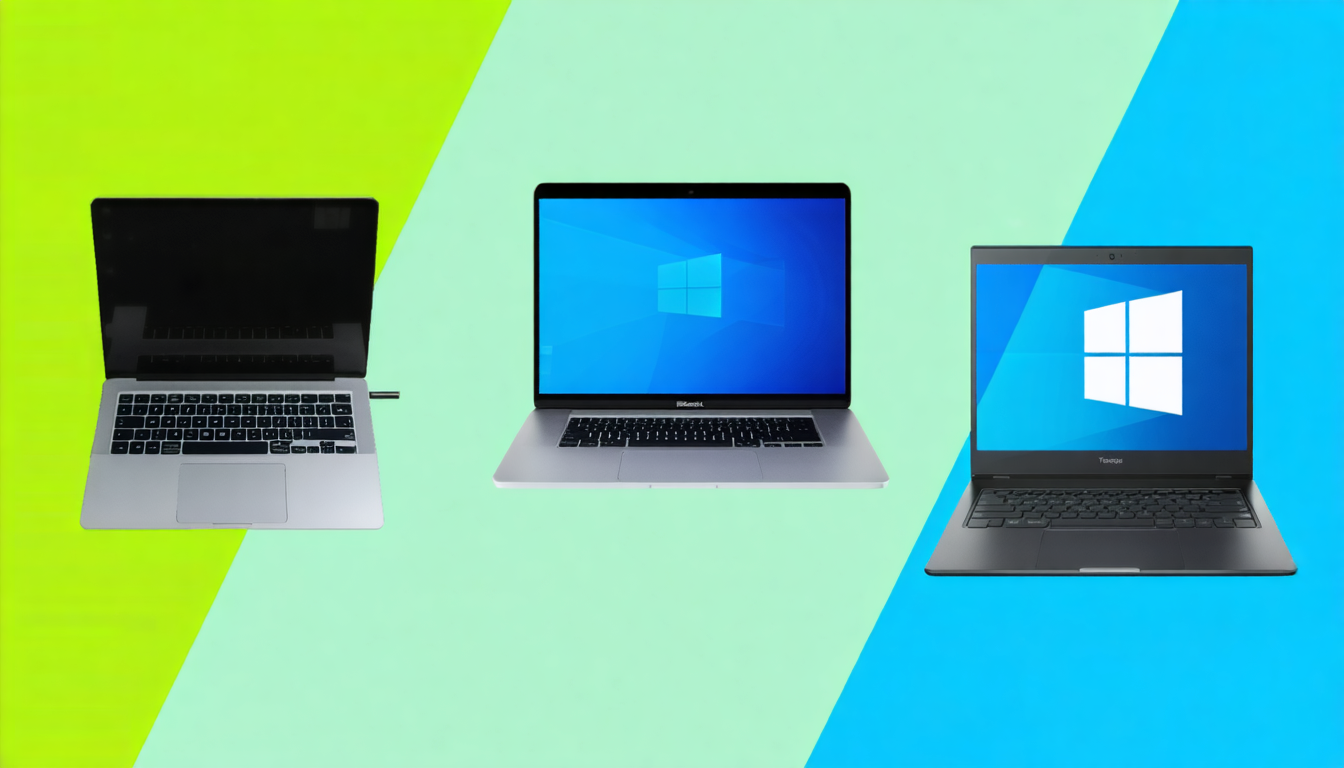
The entry-level laptop market is increasingly contested with the rise of Chromebooks and low-cost Windows models. Apple, until now little involved in this price segment, seeks to expand its presence without compromising its image of quality and innovation.
This approach fits into a declared willingness to broaden the customer base, notably attracting young users and professionals seeking a mobile and modern solution. The A18 Pro chip, combined with a lighter design, marks an attempt to bring Apple technology to a wider audience.
In comparison, Chromebooks, despite their ultra-competitive price, remain limited by their operating system and often basic hardware. Windows PC manufacturers also enter the competition by offering products at tight prices with better software compatibility, but generally at the expense of design and Apple’s smooth ecosystem.
Apple thus relies on its expertise in innovation and software optimization to differentiate itself. However, the unexpected price increase complicates this strategy by making the MacBook less immediately accessible. Success will therefore depend on a subtle balance between adapted performance, perceived quality, and refined commercial strategy.
Perspectives and implications for the consumer: what future for the affordable MacBook?
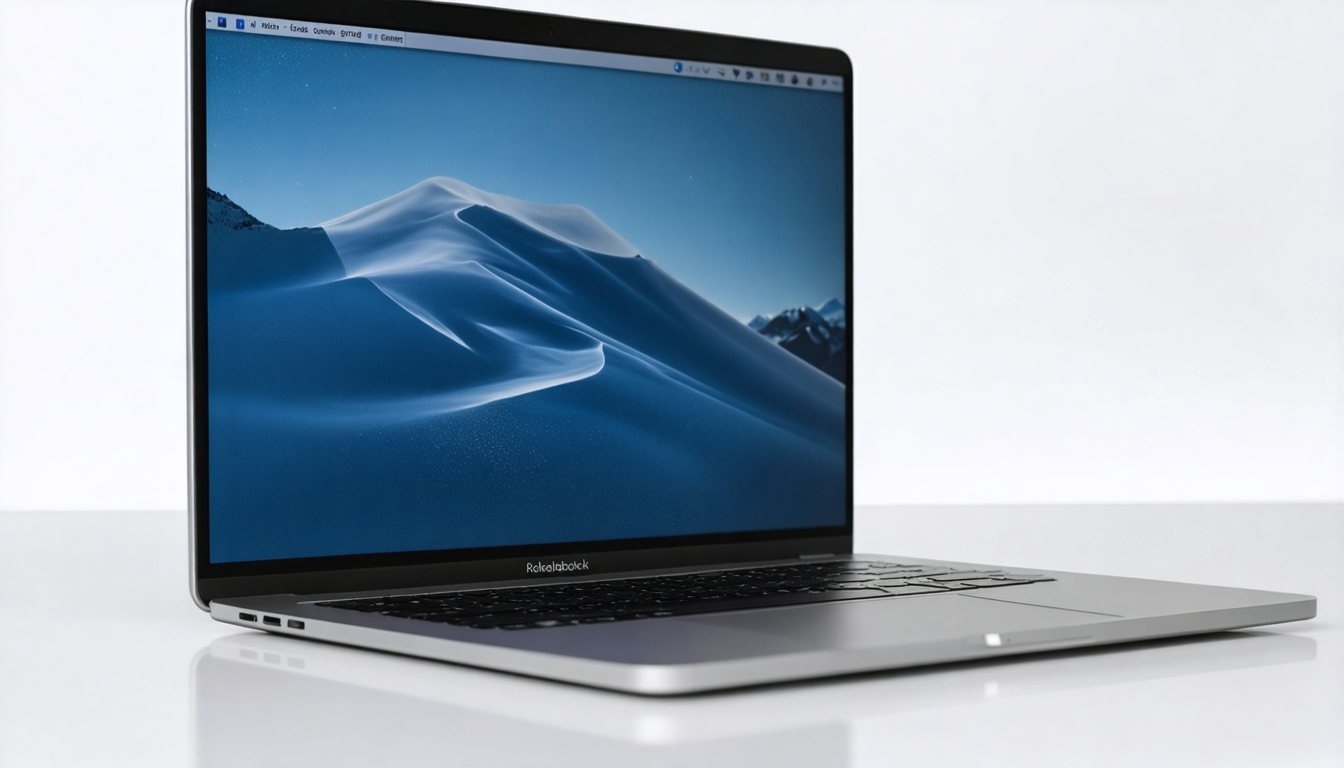
With this surprising pricing, what future is shaping up for this affordable MacBook at the heart of Apple’s strategy? The consumer must now more carefully assess their uses, technological expectations, and overall budget.
Concessions on screen size or chip type can be accepted by some provided they have a light, performing product integrated into a recognized ecosystem. On the other hand, the price jump, even if still lower than certain premium models, can dampen the enthusiasm of the most budget-conscious.
The evolution of the technological market and geopolitical context, especially regarding raw materials, remains a crucial parameter. Apple could adjust its strategy depending on these factors’ evolution, perhaps one day reconsidering a truly low-cost range.
For now, this intermediate MacBook crystallizes the debate on the fair price of modern technologies, between innovation and accessibility. The final purchase decision rests on a fine appreciation between the advantages offered and the sacrifices made, a now more complex equation than hoped.