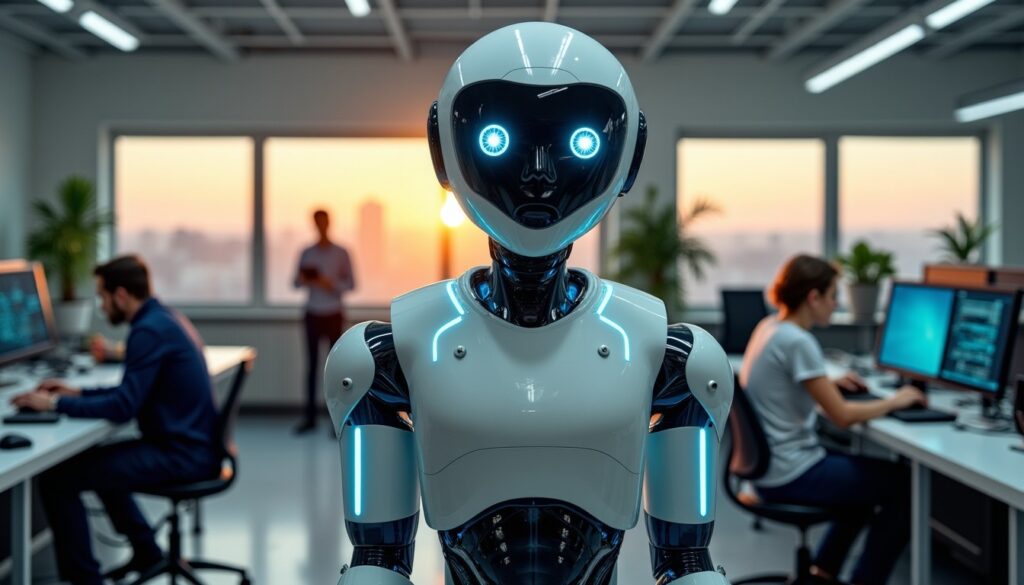
The partnership between Google and Boston Dynamics, unveiled at CES 2026 in Las Vegas, marks a major milestone in the development of robotics and artificial intelligence. By combining Boston Dynamics’ expertise in designing agile humanoid robots with Google DeepMind’s advanced artificial intelligence, this duo opens the doors to a new era where machines no longer just execute commands but understand, decide, and interact autonomously with their environment. This collaboration is based on the Atlas robot, an icon of mobile robotics, now enhanced by the Gemini Robotics AI Foundation models, recognized for their multimodal cognitive abilities.
This marriage of technology and innovation promises not only to revolutionize industries, especially the automotive sector where Hyundai plays a key role as the majority shareholder of Boston Dynamics, but also to redefine the standards of artificial intelligence applied to humanoids. The implications of this alliance go far beyond simple physical robotics: they lay the groundwork for smooth and secure interaction between humans and machines, while raising crucial questions about regulation and the ethical use of these cutting-edge technologies.
- 1 Strategic alliance between Google DeepMind and Boston Dynamics: a synergy for revolutionary artificial intelligence
- 2 Major technological advances brought by the Atlas robot in modern industry
- 3 Atlas and Gemini: artificial intelligence at the service of an exceptional robotic body
- 4 Industrial deployment of Atlas: Hyundai, driving a robotic revolution in factories
- 5 Security and ethical challenges in the face of the rise of intelligent humanoid robots
- 6 The societal impact of artificial intelligence in humanoid robotics
- 7 Future perspectives: toward intelligent and omnipresent robotics in our daily lives
Strategic alliance between Google DeepMind and Boston Dynamics: a synergy for revolutionary artificial intelligence
The fusion of expertise between Google DeepMind and Boston Dynamics constitutes an unprecedented advance for the field of robotics. Boston Dynamics has long been synonymous with innovation in mobile robots, particularly its humanoid robot Atlas, distinguished by its unmatched agility and physical flexibility. On the other hand, Google DeepMind, as a leading laboratory in artificial intelligence, has developed impressive cognitive models such as Gemini Robotics AI Foundation, capable of interpreting complex data in diverse environments.
This association plans to combine these complementary strengths to create a robot capable of autonomous understanding and actions, able to adapt to unprecedented situations rather than just performing pre-programmed tasks. The visual and linguistic capabilities of the Gemini models, integrated into the robust and agile body of Atlas, aim to produce a machine endowed with genuine decision-making intelligence. In other words, this partnership aspires to equip Atlas with an “ultimate brain,” capable of learning, evaluating, and reacting.
The initial research phases, launched as early as 2026, consist of testing a new fleet of Atlas robots powered by these Gemini models, with the ultimate goal of deploying these humanoids in industrial environments, starting with Hyundai automotive factories. More than just a technological demonstration, this strategy clearly expresses the will to anchor the revolutionary artificial intelligence in the real and productive world.
Major technological advances brought by the Atlas robot in modern industry
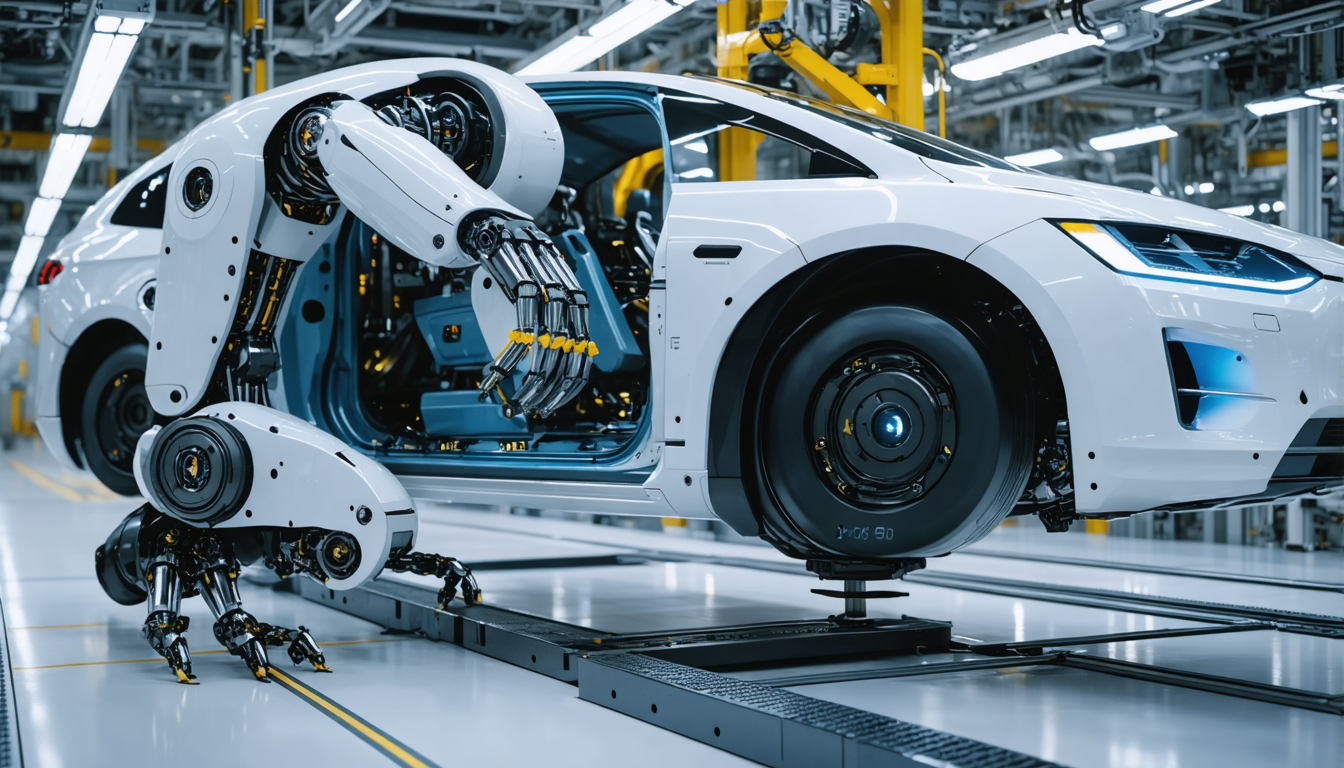
The Atlas robot, with its reputation for robotic athleticism, pushes the limits even further thanks to the integration of GEMINI artificial intelligence developed by Google DeepMind. Its highly mechanized body enables dynamic balance movements, jumps, runs, and precise handling, but the most significant contribution lies in its cognitive ability to analyze and anticipate complex situations.
Industrials, especially in the automotive sector, see in this technology an unprecedented opportunity to automate a variety of tasks ranging from logistics to manufacturing, including maintenance. For example, an Atlas robot equipped with Gemini can detect a missing part in an assembly line, identify the problem, and adjust its action without direct human intervention. This instant adaptation radically changes the way industrial systems operate.
Here is a list of the main features and improvements that this robot brings to the industrial sector:
- Autonomous decision-making: Real-time task analysis with tailored adaptations.
- Advanced sensory capabilities: Multiperspective vision and enhanced tactile detection.
- Human interaction: Smooth communication thanks to Gemini language models.
- Exceptional mobility: Movement in complex or unsuitable environments for traditional machines.
- Increased safety: Integrated monitoring systems and emergency stop mechanisms.
This array illustrates the scope of development brought about by the convergence of mechanical and cognitive technologies. Industry therefore benefits from technology capable of evolving not only mechanically but also intelligently.
Atlas and Gemini: artificial intelligence at the service of an exceptional robotic body
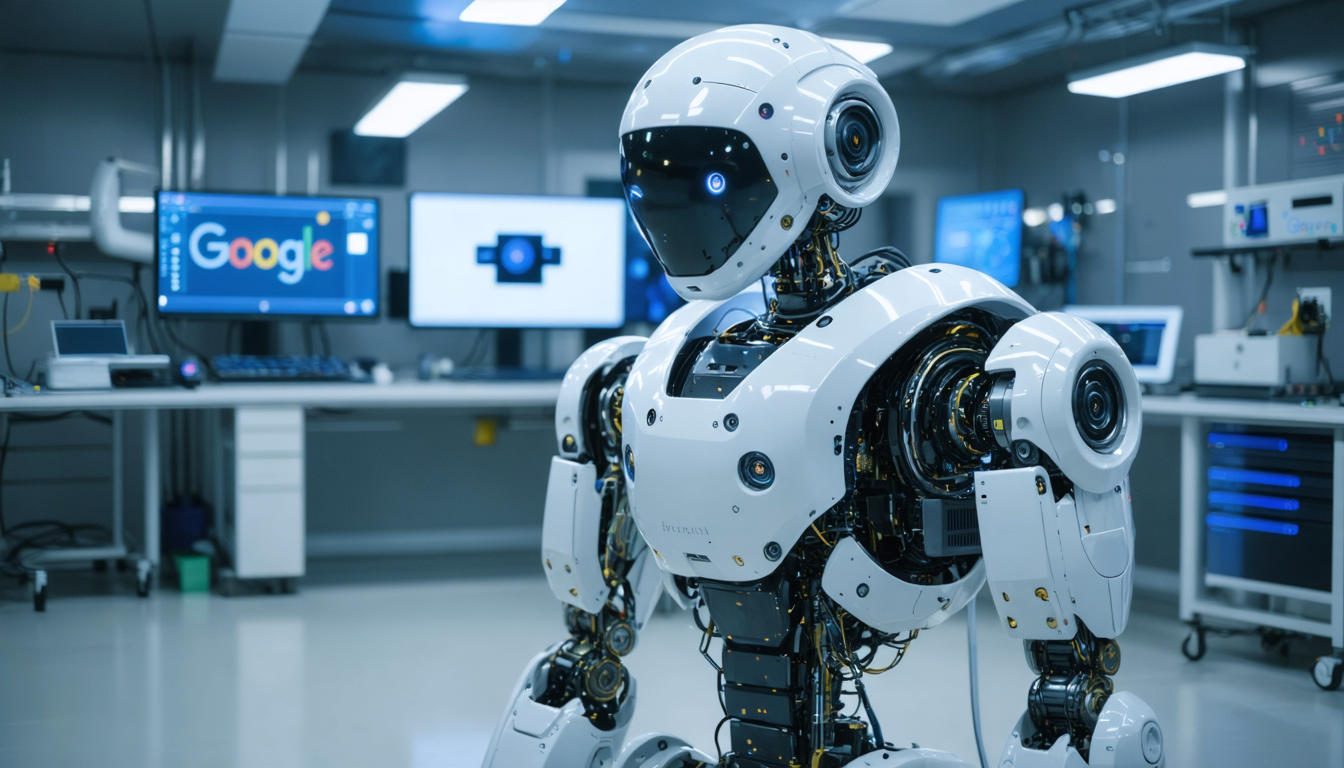
Boston Dynamics has always been recognized for its mechanical prowess, with an Atlas capable of performing impressive physical feats. However, this physical power now requires an intellectual counterpart to become truly functional in an industrial and social setting. This is precisely what Google DeepMind offers with its Gemini Robotics models.
The Gemini Robotics models rely on multimodal artificial intelligence, capable of simultaneously processing visual, auditory, and linguistic information. For Atlas, this means that beyond moving or manipulating, the robot can understand complex commands, interpret ambiguous situations, and adjust its actions in real time. For example, in a human assistance scenario, Atlas can anticipate an operator’s needs and react proactively.
This intelligence also means that the robot can evolve through continuous learning. The Gemini models allow the integration of new data from field interactions, thus reinforcing the relevance and reliability of decisions. Moreover, this AI is designed to guarantee safety, thereby avoiding errors that could endanger humans or damage infrastructure.
A comparative table of capabilities before and after Gemini integration into Atlas:
| Capabilities | Atlas Robot (before AI Gemini) | Atlas Robot (after AI Gemini) |
|---|---|---|
| Adaptation to environment | Preprogrammed, limited to known scenarios | Real-time analysis, can handle the unexpected |
| Communication | Limited to simple commands | Complex conversation, natural language understanding |
| Decision making | Execution of planned actions | Autonomous choice and dynamic adjustments |
| Sensory capabilities | Basic vision, minimal tactile detection | Multimodal vision, extended perception |
| Learning | Nonexistent or manual | Continuous machine learning |
These concrete evolutions allow us to imagine humanoid robots more naturally and intelligently integrated into our professional—and soon personal—daily lives.
Industrial deployment of Atlas: Hyundai, driving a robotic revolution in factories
Hyundai, through its majority stake in Boston Dynamics (88% of shares), is a key player in this alliance and in the deployment process of the Atlas robot enhanced by Gemini. The goal is clear: to industrialize and mass-market this robot in factories, with a priority on the automotive sector. The mechanical performance combined with artificial intelligence makes it possible to envisage more efficient and flexible processes.
This industrial turn also involves the transformation of the human workforce. Rather than replacing operators, Atlas is to complement teams by taking charge of repetitive, dangerous, or physically exhausting tasks. Curtains, heavy assembly, inspections in hostile environments are now missions assigned to Atlas robots.
Example of a Hyundai factory integrating Atlas:
- Humanoid robots handle parts in tight spaces where traditional automated vehicles cannot access.
- Human operators collaborate with Atlas to optimize assemblies, where speed and precision must coexist.
- Thanks to Gemini AI, each robot adapts its behavior based on specific conditions and temporal constraints.
This deployment is not only a question of technology but also of change management: employee training, safety protocols, and new modes of human-robot interaction.
Security and ethical challenges in the face of the rise of intelligent humanoid robots
The spectacular advance of intelligent humanoid robotics also raises fundamental questions about security guarantees and ethical frameworks. How can we ensure that machines capable of acting and deciding will not pose unexpected risks to humans?
Google and Boston Dynamics work together on protocols aimed at limiting risky behaviors, notably by integrating emergency stop systems and software and hardware safety barriers. But beyond these technical aspects, the question of usage remains central:
- Regulation of applications: Defining clear limits regarding the use of humanoid robots, especially in sensitive sectors such as defense or surveillance.
- Transparency of decisions: Ensuring that decisions made by AI are traceable and explainable.
- Job protection: Preserving a balance between automation and human employment, fostering harmonious coexistence.
- Responsibility: Clarifying legal responsibility in case of incident involving an autonomous machine.
The development of this innovative technology cannot ignore these debates, which are essential to building a sustainable and ethical future for humanoid robots.
The societal impact of artificial intelligence in humanoid robotics
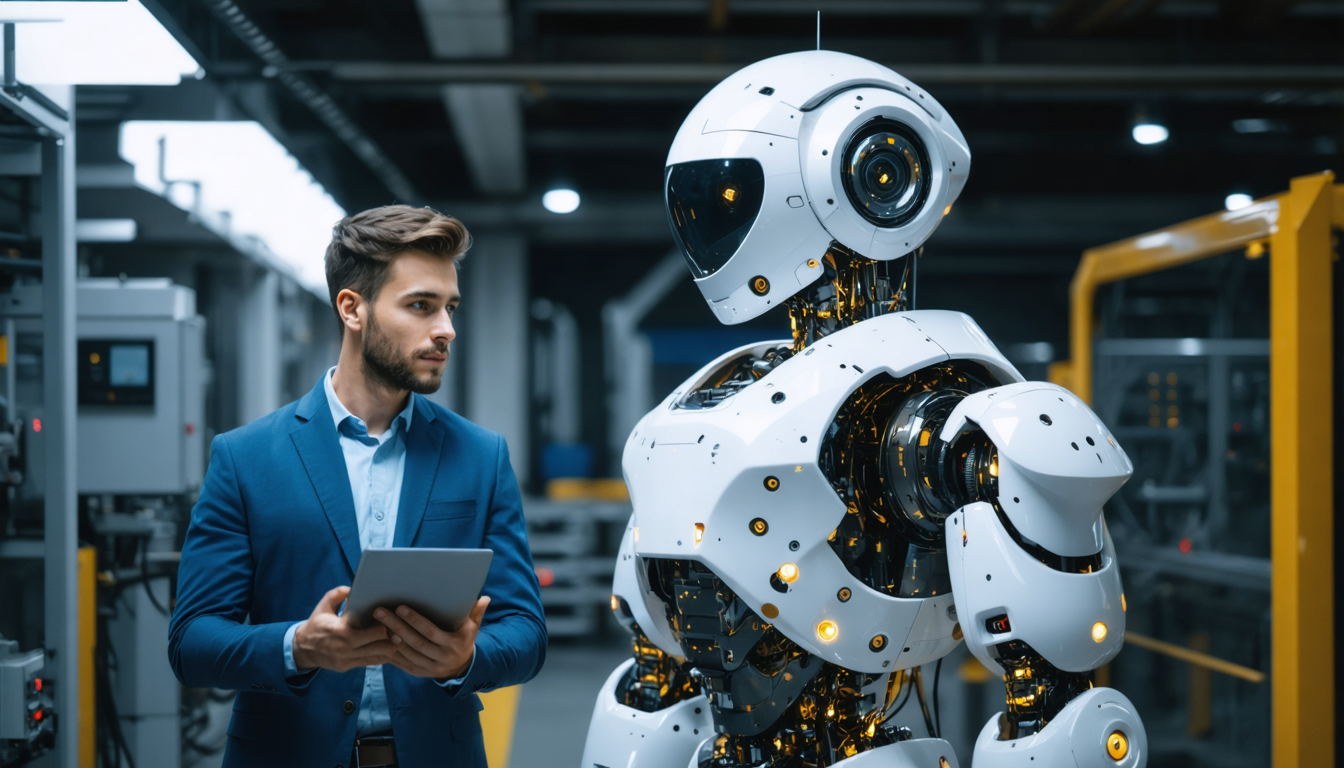
The integration of AI models like Gemini into humanoid robots disrupts not only industrial practices but also social and cultural relationships linked to technology. This evolution changes our relationship with the machine, moving from passive tools to dynamic partners capable of dialoguing with us.
Applications in the field of personal assistance are particularly promising. Imagine robots able to support elderly people or people with disabilities by adapting their actions to specific needs detected in real time. This progress supports a more human vision of technology, with more empathetic and personalized interactions.
On a broader level, this revolution challenges the way societies envision work, productivity, and even creativity. By adopting intelligent robots, humans could free themselves from physical constraints or repetitive tasks to focus on value-added activities, open to innovation and collaboration.
A historical perspective shows that every major technological advance has led to profound social transformations, often accompanied by challenges but also unprecedented opportunities to rethink economic and human models.
Future perspectives: toward intelligent and omnipresent robotics in our daily lives
The alliance between Google and Boston Dynamics creates a precedent for the future of robotics. Ultimately, the integration of advanced artificial intelligences into humanoid robots could make it possible to envisage domestic, rural, or urban applications that still seem today to belong to science fiction.
The goal is to achieve machines capable of understanding the nuances of human language, adapting to daily unpredictable events, and cooperating with humans in all domains. Whether in healthcare, education, logistics, or even space exploration, these robots will be able to replace or accompany humans in a smooth and natural way.
This vision also raises technical challenges related to the miniaturization of components, energy management, and smart infrastructures to support these robots. Nevertheless, the rapid progress suggests a future where intelligent robotics will be an essential component of our daily environment.