
The artificial intelligence revolution is upheaving not only our digital daily lives but also the very foundations of global energy consumption. In 2026, Google, one of the undisputed leaders of this revolution, faces an unprecedented challenge: powering its numerous AI centers while adapting to a growing energy shortage. As the needs for computing power and speed explode, these vast data centers, true digital brains, demand a reliable, sustainable energy source, but also one capable of meeting modern environmental ambitions.
To counter this energy abyss, Alphabet, Google’s parent company, recently launched an ambitious strategy focused on direct control of its energy infrastructures. The acquisition of Intersect, a specialist in data centers coupled with energy production, perfectly illustrates this strategic shift. This multi-billion-dollar operation aims not only to secure supply but also to fundamentally rethink energy governance in the face of growing demand—a critical issue in the fight against climate change.
Beyond the simple acquisition, the Californian giant integrates technological innovations such as advanced geothermal energy, long-term storage, and decarbonized nuclear energy to meet massive electricity needs. In a context where every watt counts, Google bets on self-production of energy driven by artificial intelligence itself, thus ensuring precise and responsive management, while reducing its dependence on the traditional grid. How is this large-scale energy reorganization structured? What specific levers are activated to adapt distribution and reduce costs? This strategic path places Google at the forefront of the energy transformation of tomorrow’s digital infrastructures.
- 1 The rise of AI centers: a major energy challenge for Google
- 2 Intersect: Google’s strategic ally to master its energy infrastructures
- 3 Limits of the traditional electric grid facing the explosion of AI needs
- 4 Google, pioneer of energy efficiency for its AI centers
- 5 The role of nuclear energy in Google’s energy strategy
- 6 Economic and environmental stakes of the energy challenge for AI centers
- 7 Perspectives and upcoming innovations to meet the energy challenges of AI centers
The rise of AI centers: a major energy challenge for Google
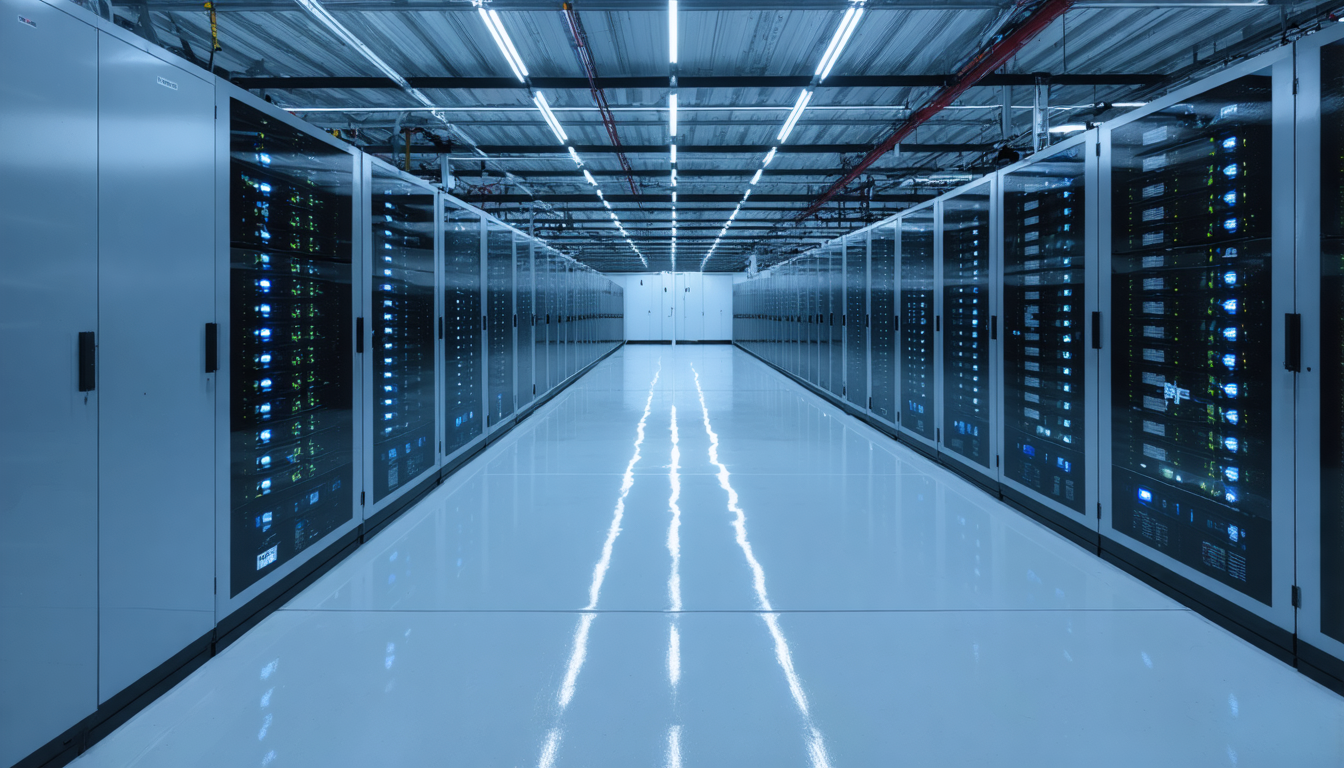
For several years, the exponential demand for artificial intelligence has imposed rapid and continuous growth of AI centers, which are at the core of cloud computing and the digital services offered by Google. These centers host ultra-powerful servers that analyze terabytes of data, train complex models, and instantly respond to billions of queries. But this computing power comes at a cost: behind every algorithm lies colossal energy consumption that often exceeds that of small towns.
Faced with this reality, Google must constantly adapt to the dual challenge of infrastructure performance and durability. The explosion of “AI-as-a-service” usages, which make AI solutions accessible to everyone, sharply increases the load on servers and consequently on data centers. The growth of this demand requires an immediate and ongoing energy resizing. But the electric grid is reaching its limits, and the energy shortage is intensifying, especially in strategic regions for Google’s operations such as Texas or California.
To understand the weight of this consumption, we must consider that servers run 24/7, 365 days a year, in air-conditioned and secure environments, with essential energy redundancy. This organization leads to needs that can reach several gigawatts for a single site. Consequently, the carbon footprint related to the operation of these AI centers has become a target of criticism, pushing Google to reconsider its priorities toward better energy efficiency and renewable sources adapted to this rapid increase in load.
Historically, Google committed to a carbon neutrality policy, but the dramatic increase in energy demand linked to AI calls these goals into question. In 2022, the company had already doubled its electricity consumption in four years, a trend that could accelerate if no radical transformation is undertaken. This situation highlights the importance of rethinking the energy architecture of AI centers to avoid bottlenecks related to shortages and ensure the viability of these infrastructures in the long term.
Intersect: Google’s strategic ally to master its energy infrastructures
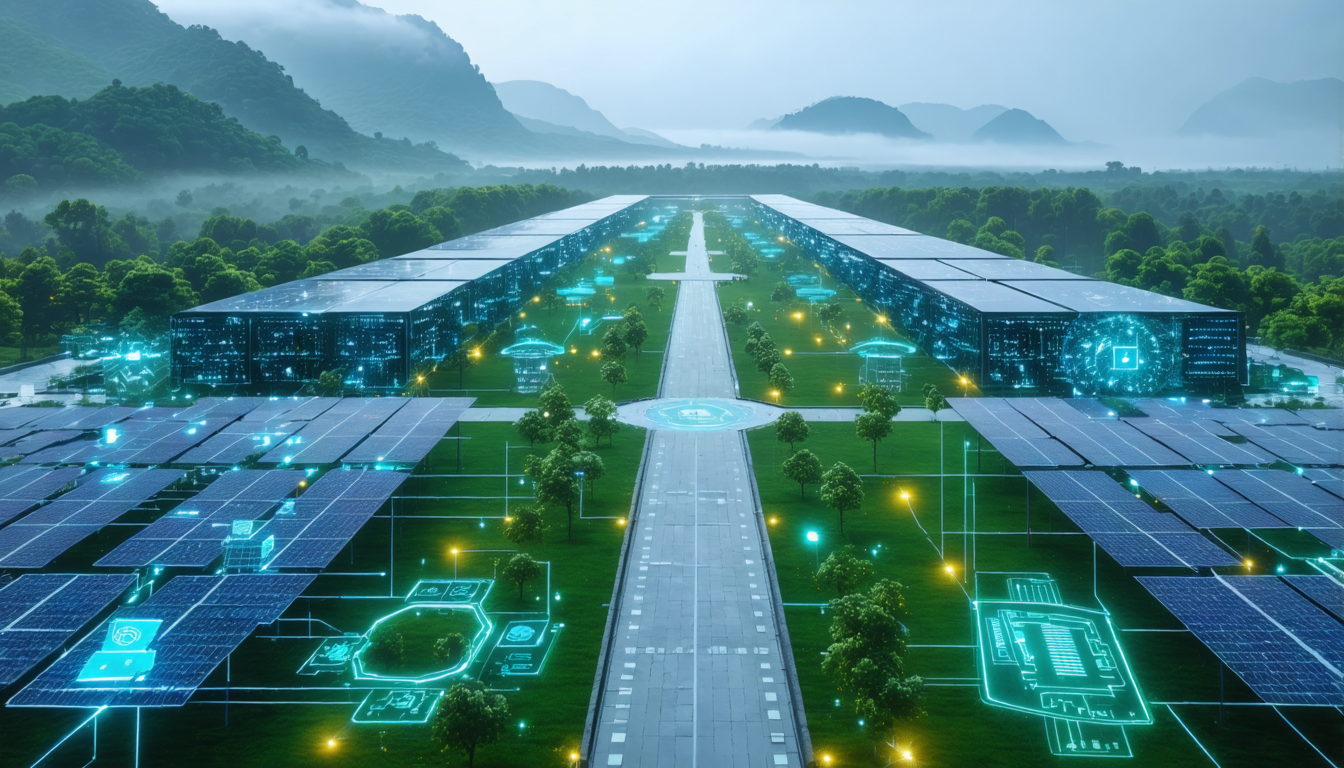
To address these structural constraints, Alphabet has chosen to invest heavily in the full acquisition of Intersect, a key player in the convergence between energy production and data center operation. Founded in 2016, this company quickly established itself thanks to its integrated projects combining power plants and data centers, notably in the United States.
Intersect represents a very significant energy portfolio, valued at several gigawatts distributed between ongoing projects and others in development phases. This strategic positioning allows Google to have direct control over the energy used, thus limiting its dependence on the traditional grid often subject to fluctuations in availability and price. This control is all the more critical in a context of energy shortage marked by demand that could exceed regional supply capacities in the coming years.
The acquisition, estimated at $4.75 billion, is expected to close in the first half of 2026. Google thus integrates a new entity led by Sheldon Kimber, who will continue to lead operations with a certain autonomy. This independence helps preserve Intersect’s culture and technical expertise while fully benefiting from Alphabet’s resources and experience to accelerate self-production energy projects adapted to the growing needs of AI centers.
An obvious example of this synergy is the ongoing project in Haskell County, Texas, where a data center and power plant are designed simultaneously. This integrated approach reduces commissioning delays while easing stress on regional grids. The proximity between IT infrastructures and energy sources thus represents a concrete embodiment of more sustainable, agile, and responsive management in the face of energy uncertainties.
Energy self-production and flexibility at the heart of Intersect’s strategy
According to Sheldon Kimber, the future of AI centers depends on their ability to locally produce adapted, flexible, and reliable energy. Half of the needs could thus be covered by renewables combined with flexible backup sources such as natural gas paired with carbon capture and advanced electric storage systems. This hybridization ensures continuous supply even during unfavorable weather conditions or grid fluctuations.
The innovative solution highlighted by Intersect combines several levers:
- Advanced geothermal energy for continuous and stable production.
- Long-duration storage via batteries and other technologies to smooth consumption peaks.
- Use of gas with CO2 capture, significantly reducing the overall carbon footprint.
- Real-time optimized control of energy production via embedded artificial intelligence.
This strategy differs from simple reliance on only intermittent renewables by providing flexibility and resilience necessary for the operation of critical infrastructures in the long term. It also emphasizes that smart, decentralized energy management becomes an essential vector to meet the energy challenge posed by the relentless growth of AI.
Limits of the traditional electric grid facing the explosion of AI needs
Despite continuous progress in electric grids, energy consumption linked to artificial intelligence highlights several structural limitations of the traditional system. These constraints directly impact Google’s ability to rapidly deploy the AI centers needed to support its services.
First, the energy shortage particularly affects key regions for Google. Phenomena such as scheduled outages, saturation of existing lines, or dependence on non-sustainable fossil energies complicate supply continuity. When demand peaks exceed grid capacity, AI centers risk slowdowns, interruptions, and increased operational costs.
Second, the volatility of electricity rates adds a major uncertainty factor. In some areas, fluctuations are so pronounced that financial planning becomes risky. This variability encourages Google to seek alternatives to limit this exposure, notably through self-production or long-term energy contracts with independent suppliers. This approach aims to secure stable costs, essential for an actor whose competitiveness also depends on controlling energy expenses.
Finally, although essential for sustainability, the transition to renewables also poses challenges in terms of infrastructure and intermittency. Google must therefore adopt a multipolar approach, combining green energies with flexible solutions and storage to ensure continuity, efficiency, and stability of AI centers operating without interruption.
Example of California: a microcosm of national challenges
California, a pilot state for technologies and renewable energies, is also a good example of these challenges. The massive shift to renewables in an already saturated electric grid causes unexpected fluctuations, pushing Google to invest in on-site energy self-production solutions. For example, some Californian data centers now benefit from solar panels coupled with batteries to reduce grid calls during peak hours.
In response, Google implements advanced energy monitoring through artificial intelligence, capable of anticipating and adjusting consumption or production based on actual needs and grid conditions. These adaptations illustrate a new form of energy management, where AI is both a consumer and an actor in sustainability.
Google, pioneer of energy efficiency for its AI centers
The Californian giant does not limit itself to securing its supply. It is also committed to continuous improvement in energy efficiency, aware of climatic and economic challenges. Several concrete initiatives illustrate this strategic orientation.
Among key measures, Google works on optimizing center operating algorithms, drastically reducing unnecessary consumption. For example, server cooling is a major source of energy expenses: by combining smart sensors, data analytics, and optimized cooling systems, the company has succeeded in lowering the energy bill of its centers.
The automatic detection of energy-intensive behaviors, dynamic adjustment of loads according to times of day, and the implementation of microgrids within sites are all levers tested to maximize energy yield. Particular attention is given to battery management to make the best use of stored energy, especially during off-peak hours.
The table below summarizes some key actions undertaken by Google to optimize the energy management of its AI centers:
| Action | Description | Expected Impact |
|---|---|---|
| Smart cooling | Use of sensors and AI to adjust air conditioning | Reduction of 20 to 30% of consumption related to cooling |
| Dynamic load management | Adaptation of consumed power according to activity | Better distribution and decrease of energy peaks |
| Internal microgrids | Localized production and storage for partial autonomy | Reduction of dependence on the traditional grid |
| Predictive energy analysis | AI steering consumption in real time | Cost optimization and improved sustainability |
The role of nuclear energy in Google’s energy strategy
Among the adopted energy innovations, the use of nuclear energy, often seen as controversial, becomes a key element in Alphabet’s strategy. Indeed, the ability to provide stable, powerful, and decarbonized energy makes this source a precious ally to power AI centers, the operation of which tolerates neither significant outages nor fluctuations.
Google has already announced partnerships with advanced nuclear energy producers, with projects planned notably in Tennessee. This direction responds to the necessity of having a reliable energy base to support growing demand while respecting commitments regarding sustainability. Contrary to some received ideas, new generations of reactors are designed to be safer, scalable, and with an extremely low carbon footprint.
This decision fits within an energy agility logic where diversification of sources and the combination of renewables, storage, and nuclear allow Google to ensure a constant supply adapted to its specific needs. By doing so, the company paves a way that could influence the entire digital technologies sector toward more balanced and climate-respectful consumption.
Economic and environmental stakes of the energy challenge for AI centers
The exceeding of traditional energy limits by AI-related needs generates dual pressure: economic and environmental. For Google, succeeding in reconciling exponential growth and planet preservation requires an innovative approach touching both energy management and infrastructure sizing.
The financial risk associated with this transition is considerable. Massive investment in purchasing and developing clean capacities costs billions, a period during which Google must continue operating its infrastructures. Controlling costs related to energy price volatility is also a priority to maintain the competitiveness of offered services, especially against less virtuous competitors or those subject to different regulations.
From an environmental point of view, AI centers’ energy consumption represents a significant share of CO2 emissions in the digital sector. Investments aimed at controlling this footprint must also meet the expectations of consumers, investors, and regulatory institutions pushing for more transparency and concrete actions.
The success of Google’s energy plan relies on a combination of factors:
- Technological innovation to design more economical and flexible infrastructures.
- Control of energy sources through self-production and strategic partnerships.
- Transparency and communication around efforts to reduce the carbon footprint.
- Dialogue with regulators to anticipate and incorporate legislative developments.
These dynamics illustrate the complexity of issues around energy shortage and the way Google continuously adapts its infrastructures to meet the dual demands of performance and sustainability.

Perspectives and upcoming innovations to meet the energy challenges of AI centers
The road is still long for Google and the tech sector, but current efforts already signify a profound transformation of the energy paradigm. Tomorrow’s AI centers will be ever more powerful but also smarter in their consumption.
The coming years could see the emergence of innovations such as:
- Autonomous energy grids integrated on sites, capable of self-managing and optimizing production and consumption in real time.
- Next-generation energy storage combining ultra-efficient batteries, hydrogen, or other clean energy vectors.
- AI models dedicated to energy management anticipating not only demand but also environmental and economic fluctuations.
- Strengthened partnerships with the public and private sectors to accelerate the scaling up of renewable and nuclear infrastructures.
Furthermore, growing awareness of the energy consumption of digital technologies fosters a collective consciousness. Users, as well as developers and technical decision-makers, now incorporate the “energy” dimension at every stage of the design and use of artificial intelligences. This cultural shift is essential to ensure a sustainable future balanced between technological innovation and available resources.