
The Nantes real estate market is experiencing a mixed evolution in June that challenges both buyers and investors. While one might expect uniformity in trends, the reality paints a more complex picture. While house purchase prices are undergoing a significant decline, apartment prices continue their rise, reflecting a profound shift in urban dynamics and residents’ expectations. This phenomenon is explained by several factors: the densification of the outskirts, changes in interest rates, increased demand for collective housing from young professionals and students, as well as new investment strategies. The rental market also plays a contrasting role with stable rents for houses and a slight increase for apartments, highlighting pressure on certain sectors. This key period provides many lessons on how Nantes positions itself in the face of contemporary economic and social challenges, offering both opportunities to seize and pitfalls to avoid. Navigating these variations thus requires a fine analysis and an informed choice, especially in the evolving context of the Loire metropolis.
- 1 In-depth analysis of purchase price trends in Nantes in June
- 2 Rental real estate trends in Nantes: stability and pressure on the apartment market
- 3 Nantes neighborhoods at the heart of the real estate dynamics: where to invest or rent in June?
- 4 Investment strategies and rental profitability in the current Nantes context
In-depth analysis of purchase price trends in Nantes in June
The Nantes real estate market reveals this June a particularly marked transformation between the house and apartment segments. Opening a more nuanced diagnosis, data from multiple real estate agencies like ORPI, Nestenn, or Styl’Immo testify to a significant decline in house prices, which now stand at 3,999 € per square meter, recording a notable drop of more than 7% compared to the previous month. This downturn is notably explained by the increasing densification of peripheral areas, offering a greater choice of properties in these sectors, which rebalances supply against more cautious demand. On the other hand, although mortgage interest rates remain relatively stable, their high level forces many buyers to slow down their steps or revise their financial ambitions downward, thus temporarily cutting the upward momentum that this segment had experienced in recent years.
Conversely, the trend in the apartment segment shows strong vitality, with a price increase to 3,319 € per square meter, or +3.9% in one month. This progression reflects a marked interest from first-time buyers and investors, attracted by the centrality and amenities offered by these properties. The scarcity of new housing in the center, combined with sustained demand from young professionals and students, maintains lasting tension on this market. Dynamic neighborhoods, often served by transport infrastructure and economic hubs, thus become favored targets, reinforcing a very clear geographical segmentation. As a result, the gap between house prices and apartment prices narrows significantly, going from 1,124 € to only 680 € per square meter.
This adjustment in values calls into question the classic real estate purchase strategies. Until now, the house was the accessible dream for many households, especially families, but the ongoing correction reduces this advantage. Apartments, now on the rise, capture a narrower market share, with prices reflecting a premium product in an urban setting. For a buyer, this new situation requires a thorough reflection on priorities: space and living environment or proximity and value growth potential. Anticipating future market developments, as well as constantly monitoring key indicators, becomes essential to optimize a real estate project in Nantes.
Rental real estate trends in Nantes: stability and pressure on the apartment market
The Nantes rental market maintains a slower pace than sales, with notable differences between houses and apartments. House rents remain stable, holding at around 13.10 € per square meter. This apparent calm results from a balance between supply and demand, with a predominance of families seeking tranquility, proximity to schools, and outdoor spaces. Furthermore, faced with uncertain purchase prices and fluctuating economic prospects, some landlords prefer to ensure steady profitability by maintaining a stable rent. This strategy contributes to tenant retention, often under long-term contracts, particularly in the outskirts where house comfort remains a major asset.
Conversely, apartment rentals are going through a dynamic period with a moderate rent increase, rising from 14.50 € to 14.60 € per square meter, indicating increased competition and sustained demand. This tension mainly comes from migration flows composed of students and young professionals, attracted by university hubs, start-ups, and cultural establishments. The relative lack of new rental housing available in central neighborhoods intensifies competition, pushing prices upward. Moreover, shorter stays related to professional mobility promote rapid turnovers, which heighten pressure on landlords to offer suitable and attractive properties.
The most sought-after areas for apartment rentals remain downtown, neighborhoods near the Faculties, Chantenay, and the île de Nantes. These sectors benefit from optimal transport links, architectural diversity, and a dense commercial fabric. Conversely, the outskirts, more accessible, continue to attract family clientele sensitive to outdoor spaces and a more balanced quality-price ratio. This diversity allows clear segmentation of the rental market, essential to guide choices according to profile and needs.
| Property type | Average rent in May | Average rent in June | Change |
|---|---|---|---|
| House | 13.10 € | 13.10 € | 0.00 % |
| Apartment | 14.50 € | 14.60 € | +0.69 % |
Faced with these developments, local real estate agencies recommend remaining vigilant and proactive, especially for future tenants who must monitor listings and react quickly to the publication of attractive properties. This pressure for reactivity now constitutes an essential parameter to secure a rental in Nantes’ tight neighborhoods.
Nantes neighborhoods at the heart of the real estate dynamics: where to invest or rent in June?
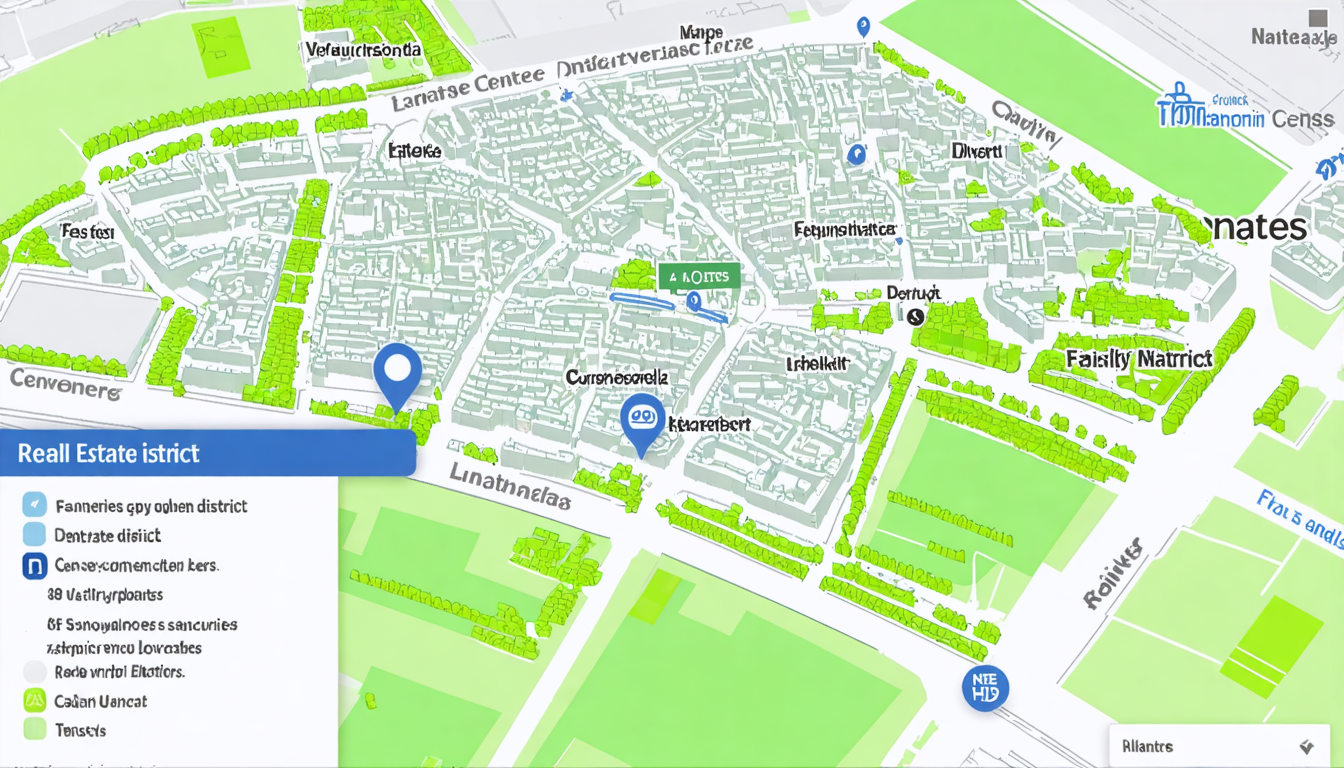
The Nantes metropolis develops a particularly contrasted real estate geography, which deserves careful examination for anyone wishing to engage in a purchase, rental, or investment project. Downtown and immediate neighborhoods, especially around the Faculties and on the île de Nantes, remain at the center of desires, prized for their accessibility, infrastructure, and richness of cultural and economic offerings. This is where apartment prices soar the most, as they respond to strong and varied demand, ranging from students to executives in professional mobility.
In the outskirts, notably in East Nantes and more residential areas, houses retain a strong appeal among families seeking space and calm. This contrast creates a fragmented yet complementary real estate landscape, where each profile finds a match for its expectations. Furthermore, certain new neighborhoods, such as Île Beaulieu or Malakoff, appear as fertile grounds for the settlement of young professionals, with recent programs tending to renew both new and renovated older housing supply.
This qualitative diversity is also accompanied by a strict segmentation of prices, which evolve according to the proximity of amenities, schools, transport, and employment zones. The choice of a neighborhood is no longer limited to a simple equation between budget and space but extends to an analysis of medium-term value growth potential and quality of life. Particularly attentive investors thus favor areas in transition, where urban renewal or the arrival of innovative infrastructure suggests a lasting rise in real estate values.
- Central neighborhoods: attractive for apartment rentals and urban logistics
- Immediate outskirts: favor family houses and stable rents
- Urban renewal zones: offer interesting investment opportunities in the medium term
- Student neighborhoods: strong rental tensions, ideal for investors targeting a flexible and dynamic clientele
Investment strategies and rental profitability in the current Nantes context
In the current situation marked by differentiated fluctuations between houses and apartments, investors must refine their approach to maximize profitability and secure their assets. The average gross profitability in Nantes reaches about 3.9% for houses, while that of apartments is more attractive, around 5.3%, which explains the preference for collective housing on the rental market. However, this average masks strong disparities depending on location, property condition, and the targeted clientele type.
A precise market segmentation is therefore essential. Renovated old housing in dynamic neighborhoods often offers a good compromise, allowing one to play on resale value while benefiting from regular rental demand. At the same time, new properties, although more expensive, attract thanks to their standards and energy performance guarantees, appealing to a clientele seeking comfort and environmental certifications.
The concrete example of Anaïs, a young professional recently arrived in Nantes, illustrates this approach well. She invested in a T2 apartment in Saint-Félix, relying on advice from reputable agencies and rigorous monitoring of trends via specialized platforms. By choosing a property to renovate, she increased the gross profitability to over 6% after works, thus significantly exceeding the local average. This type of strategy, combining relevant geographic choice and value-added through renovation, is an effective way to take advantage of the specificities of the Nantes market.
| Property type | Average price per m² | Average rent per m² | Theoretical gross profitability |
|---|---|---|---|
| House | 3,999 € | 13.10 € | 3.9 % |
| Apartment | 3,319 € | 14.60 € | 5.3 % |