
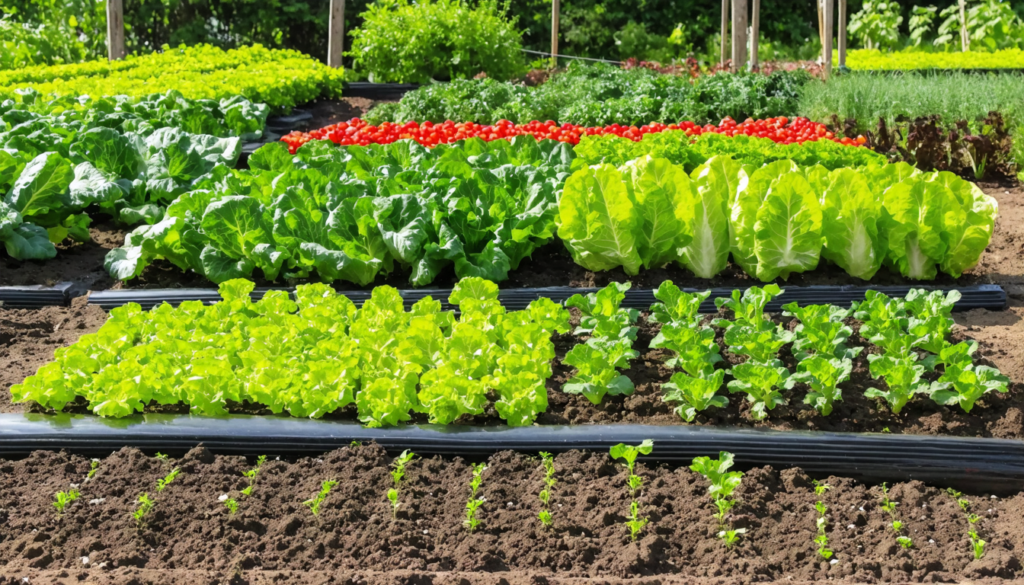
As environmental concerns and the search for sustainable agricultural techniques intensify in 2025, an ancient rural practice resurfaces with an unexpected strength: the “water of renewal.” This poetic term refers to vegetable cooking water, long neglected and discarded, but now recognized by agronomic science for its profound virtues on the natural fertility of soils and the vitality of crops. Originating from the traditional agricultural practices of former French peasants, this simple and economical method revives the symbolism of soil renewal while embodying responsible and innovative water management. The dialogue between ancient knowledge and modern understanding unveils an unsuspected treasure, both ecological and practical, inviting amateur gardeners and farmers to rethink their daily actions.
In a context where the scarcity of water resources poses significant challenges, the reuse of this nutrient-rich water emerges as a striking example of circular optimization. Beyond a mere recovery gesture, it is an entire tradition revived that calls for combining water saving, soil enrichment, and respect for ecosystems. This return to ancestral techniques perfectly illustrates how modern agroecology builds upon empirical observations of the past to create sustainable solutions adapted to contemporary issues.
- 1 The historical roots of the “water of renewal”: a forgotten treasure of former peasants
- 2 Composition and agronomic virtues of the “water of renewal” recognized by science
- 3 Comparison between “water of renewal” and chemical fertilizers: environmental and agronomic impact
- 4 Eco-responsible water and living soil management thanks to vegetable cooking water
- 5 Using the “water of renewal” today: practical guide for sustainable gardening
The historical roots of the “water of renewal”: a forgotten treasure of former peasants
In the French countryside of yesteryear, the peasant way of life was deeply marked by careful attention to every available resource. Water, a vital resource, was the subject of a genuine circular economy long respected. Among the transmitted practices, the recovery of vegetable cooking water held a privileged place. Without modern analytical tools, former peasants had observed with rigor and patience the benefits of this water on their plants.
This tradition was based on simple observations: watered with this so-called “living” water, crops such as lettuce or strawberry plants developed healthier and more vigorous growth. From generation to generation, this practice was perpetuated as a tacit know-how, intrinsically linked to water management on farms and in vegetable gardens. The reuse of this water also testified to a philosophy of optimization where nothing was to be wasted.
These methods, although modest in appearance, were part of a vast network of traditional agricultural practices focused on respect for nature and soil health. They foreshadowed what we now call sustainable agriculture, combining resource economy, improvement of natural fertility, and support for biological cycles. This peasant wisdom has passed through the centuries into households, where families cooked their vegetables knowing that the water collected at the end of cooking would be carefully preserved and reused.
Moreover, this resource was not limited to a simple hydric function. It represented a true nutritional broth, rich in elements essential to plants. In its natural and liquid form, it promotes a soil renewal with lasting effects. At a time when agronomic science is beginning to explore these practices with fresh eyes, it reveals that beyond an economic gesture, the “water of renewal” embodies a forgotten chapter of our agricultural heritage.
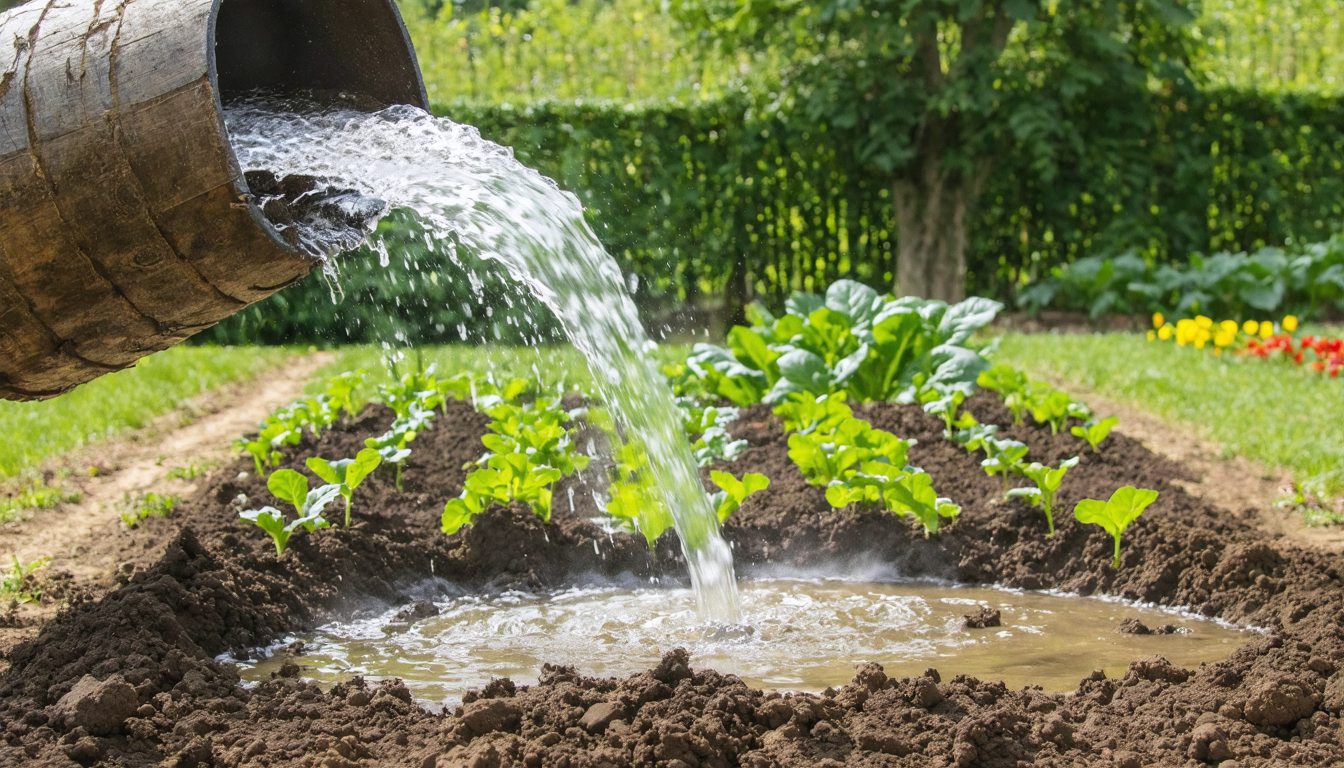
Composition and agronomic virtues of the “water of renewal” recognized by science
The very essence of this miraculous cooking water lies in its unique composition. When vegetables simmer in their water, they release precious nutrients, transforming this liquid into a natural concentrate of minerals and trace elements. Contemporary agronomic science has scrutinized these waters thoroughly to identify the beneficial molecules for soils and plants.
Analyses reveal that it mainly contains:
- Potassium, essential for flowering, fruiting, and regulating osmotic pressure in plant cells.
- Phosphorus, a major nutrient for root development, promoting anchorage and vigorous growth of plants.
- Calcium, which strengthens cell wall structure and increases the resistance of plant tissues against external aggressions.
- Magnesium, the cornerstone of the chlorophyll molecule, indispensable for photosynthesis.
- Iron and zinc, involved in enzymatic functions and overall plant health.
The concentration of these elements varies depending on the cooked vegetables. For example, the cooking water of green vegetables (beans, spinach) presents a significant mineral load, while that of potatoes contains a notable amount of starch, which gives it herbicidal properties when used warm. This diversity opens a strategic dimension: by alternating the vegetables cooked, the soil receives a varied and natural cocktail of nutrients.
To better understand, here is a comparative table of nutrients according to the type of cooking water:
| Type of cooking water | Main nutrients | Beneficial effects |
|---|---|---|
| Potato cooking water | Starch, potassium | Natural herbicide, resistance stimulation |
| Green vegetable cooking water (beans, spinach) | Potassium, calcium, magnesium, iron | Strengthening, increased growth, better harvests |
| Carrot and other root vegetable cooking water | Phosphorus, potassium, calcium | Root development, soil structure improvement |
This balanced composition is responsible for the positive effects observed on soils and plants. The water acts as a liquid organic fertilizer with gradual release, avoiding risks of overdose and pollution linked to chemical fertilizers. This finding, corroborated by several agronomic studies, places this ancestral know-how within a rigorous scientific approach, legitimizing its widespread use in sustainable agriculture.
Comparison between “water of renewal” and chemical fertilizers: environmental and agronomic impact
In the current debate on ways to improve soil fertility, the use of chemical fertilizers remains largely dominant. However, their limits, particularly regarding ecological impact and sustainability, are now well documented. The “water of renewal” thus presents itself as a natural and accessible alternative option, within everyone’s reach.
Here is a concise comparison between this ancestral method and the classic use of synthetic NPK (nitrogen, phosphorus, potassium) fertilizers:
| Criterion | Cooking water (“Water of renewal”) | Chemical fertilizer (NPK type) |
|---|---|---|
| Cost | Free — valorization of an internal resource | High cost, dependence on industry |
| Origin | 100% natural, from cooked vegetables | Industrial synthesis, sometimes impactful |
| Impact on soil | Promotes biodiversity and microfauna, improves soil structure | Can acidify the soil, impoverish microbial fauna |
| Risk of overdose | Very low, mild and gradual effect | High, risk of “burning” plants |
| Availability of nutrients | Gradual and balanced release | Rapid action but often too targeted and harsh |
Beyond these criteria, the use of cooking water fully fits within a logic of sustainable agriculture and resource preservation. By gently nourishing the soil, it encourages a harmonious functioning of the earth ecosystem, summoning microorganisms, earthworms, and symbiotic fungi. This approach avoids the deleterious effects of chemical inputs on soil health and reduces dependence on often costly products.
This vision aligns with recent agroecology trends that value natural fertility through environmentally respectful practices. Water of renewal is one of the most concrete and easy-to-adopt examples, combining efficiency and ecological ethics, without any equipment or additional expenses.
Eco-responsible water and living soil management thanks to vegetable cooking water
The current context, marked by increasing water stress and heightened vigilance over soil quality, gives a particular relevance to the “water of renewal.” By reusing this water, gardeners and farmers adopt a wise water management that significantly reduces waste.
Collecting vegetable cooking water may seem trivial, but this gesture symbolizes a strong commitment to reasoned consumption. In an average household, this represents several liters of water saved each week, preventing water from entering and polluting domestic drainage circuits. This reuse therefore fits within a dynamic of ecological responsibility, combining energy savings and resource preservation.
Moreover, this water acts as a natural amendment. The sugars, starch, and other organic matters it contains feed the soil microfauna, stimulate bacterial and fungal activity, and improve water infiltration and retention capacity. This soil, regaining its vitality, becomes more aerated and fertile, providing plants with an environment conducive to their sustainable development.
Here is a list of direct benefits for the soil and its micro-ecosystem:
- Feeds beneficial bacteria and fungi
- Promotes the presence and activity of earthworms
- Improves soil structure and porosity
- Increases water and nutrient retention capacity
- Strengthens soil resistance to climatic stresses
A living soil is the foundation of a flourishing and resilient garden. Thus, integrating this water into the watering routine is not limited to nourishing the plants; it is an act of balance and harmony with life. This practice fully fits within the modern current of agroecology, advocating symbiosis between humans and their environment.
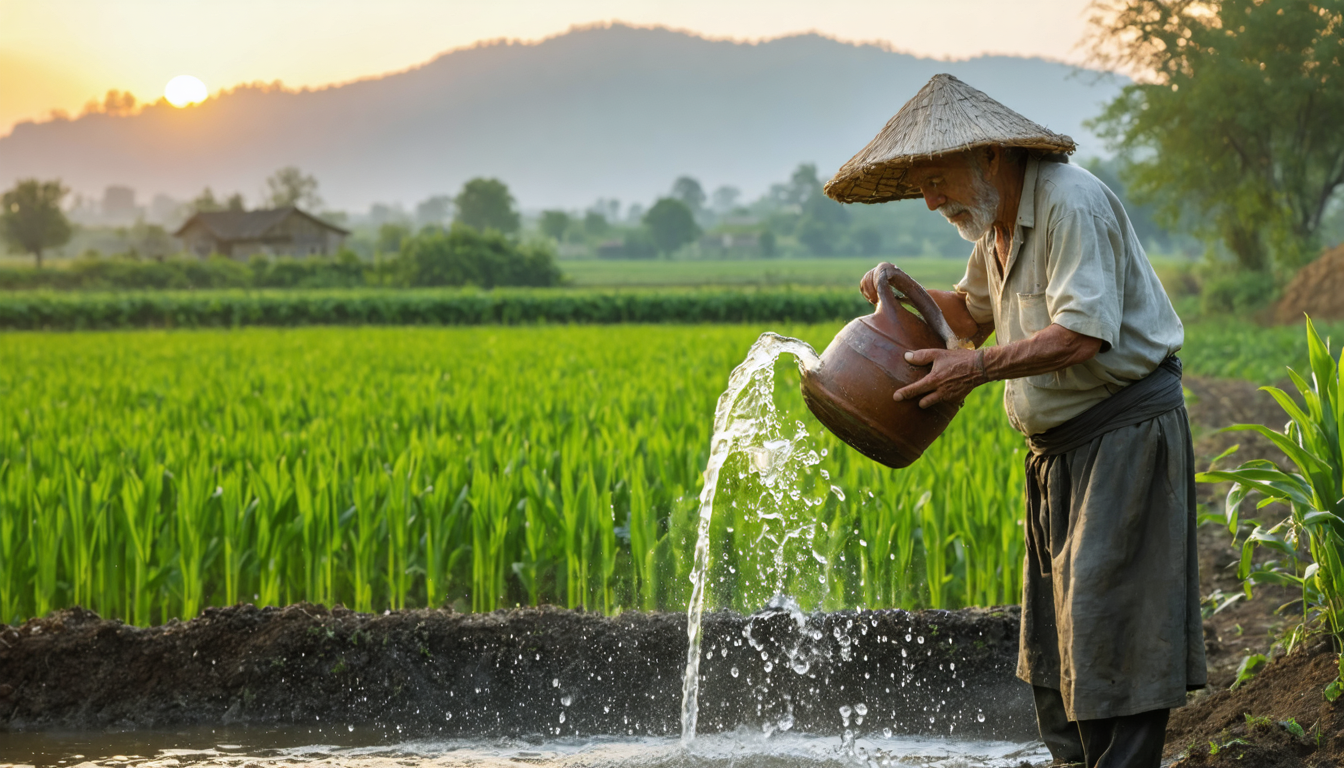
Using the “water of renewal” today: practical guide for sustainable gardening
Adopting this method imbued with peasant traditions is within everyone’s reach. Its ease of implementation makes it a must for those wishing to combine traditional agricultural practices and environmentally respectful innovations.
Simple steps to valorize your cooking water
- Collection: after cooking (potatoes, carrots, beans…), pour the hot water into a clean container without adding salt or seasoning.
- Cooling: let the water reach room temperature to avoid burning plant roots during watering.
- Short-term storage: use this water quickly, ideally within 24 to 48 hours to avoid fermentation and bad odors.
- Targeted watering: favor application at the base of plants rather than on leaves to limit risks of fungal diseases.
Some additional tips:
- Never use salted water or water containing seasoning residues.
- Varying the cooked vegetables provides the soil with a multitude of nutrients.
- Sensitive plants such as young seedlings, strawberry plants, or nutrient-demanding vegetables will particularly benefit from this supply.
- Limit storage to preserve quality and avoid unpleasant odors.
This small ritual of the modern gardener renews an ancestral know-how while embedding the act of gardening in a sustainability and eco-responsibility approach. It demonstrates how the fusion between ancestral methods and agronomic science enriches our relationship with nature and our daily practices, for a harmonious balance between traditions and innovations.




