
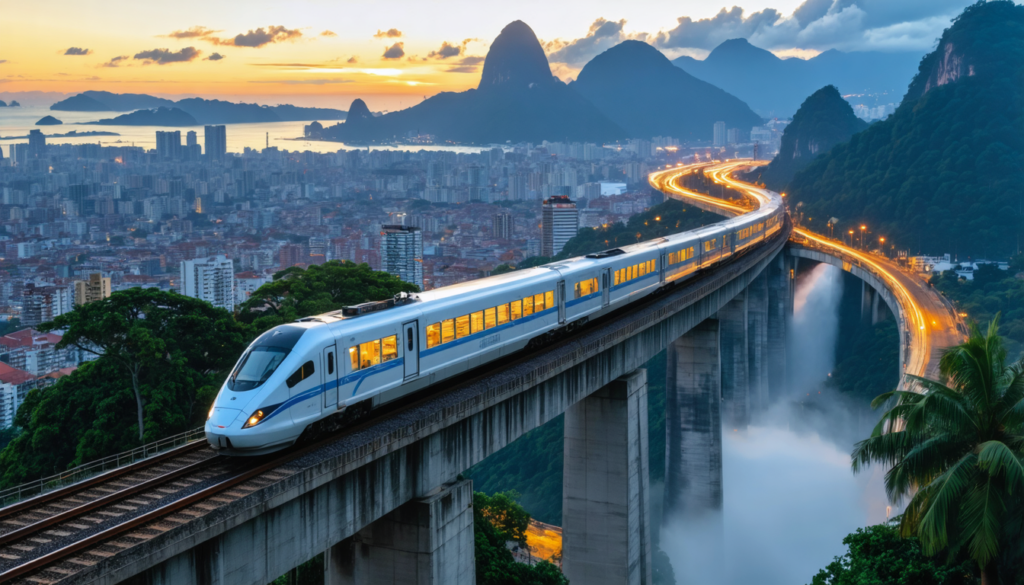
A true turning point is taking shape in the landscape of rail transport in South America with the ambitious and innovative project of an ultra-fast train connecting the two major metropolises, Rio de Janeiro and São Paulo, in just 90 minutes. This rapid connection, the result of a major technological innovation, promises to revolutionize sustainable mobility on a continent often faced with significant logistical challenges. This high-speed train not only accelerates travel between these economic hubs; it embodies a profound transformation of infrastructures and lifestyles, rethinking how populations and businesses interact in this region.
The project, which is expected to come to fruition by the end of the decade, is poised to be a catalyst for growth and modernity, both for Brazil and for South America in general. The promise of drastically reducing travel time between these two cities addresses a pressing demand for smoother, less polluting, and economically stimulating mobility. Between technical advances, environmental challenges, and industrial shifts, this new rail era establishes itself as a model to follow, highlighting the essential importance of modern infrastructures in the global competition for sustainable development.
- 1 An iconic project: the launch of the ultra-fast train in South America
- 2 The strategic route and key cities served by the high-speed connection
- 3 Cutting-edge technologies serving the ultra-fast train in South America
- 4 Economic and environmental stakes carried by the new rapid connection
- 5 An industrial revolution for South America: reviving the local rail industry
An iconic project: the launch of the ultra-fast train in South America
This ultra-fast train, whose service is planned around 2032, marks a historic milestone for South America. Long lagging behind Europe and Asia in terms of high-speed rail, the region is finally welcoming cutting-edge infrastructure that will meet the growing needs of its metropolises. Indeed, Rio de Janeiro and São Paulo concentrate a significant share of Brazil’s population and economic activity, making it a critical corridor for any transport infrastructure project.
The construction of this line will be a colossal undertaking, requiring public-private partnership tenders, complex land management, as well as the realization of engineering structures such as tunnels and viaducts. All stages aim to ensure sustainable and efficient operation, with particular attention paid to environmental impact. The program thus includes rigorous technical studies and impact analyses phases, guarantees of development respectful of the local ecosystem.
This project is not limited to connecting two points on a map but fits into a global vision of socio-economic transformation, which should strengthen the urban and regional fabric by facilitating exchanges and invigorating activities. Already today, the prospect of shortening travel time to 90 minutes between these two urban giants generates great enthusiasm, bearing hopes for mobility that is faster, more efficient, and clearly more environmentally friendly.
The strategic route and key cities served by the high-speed connection
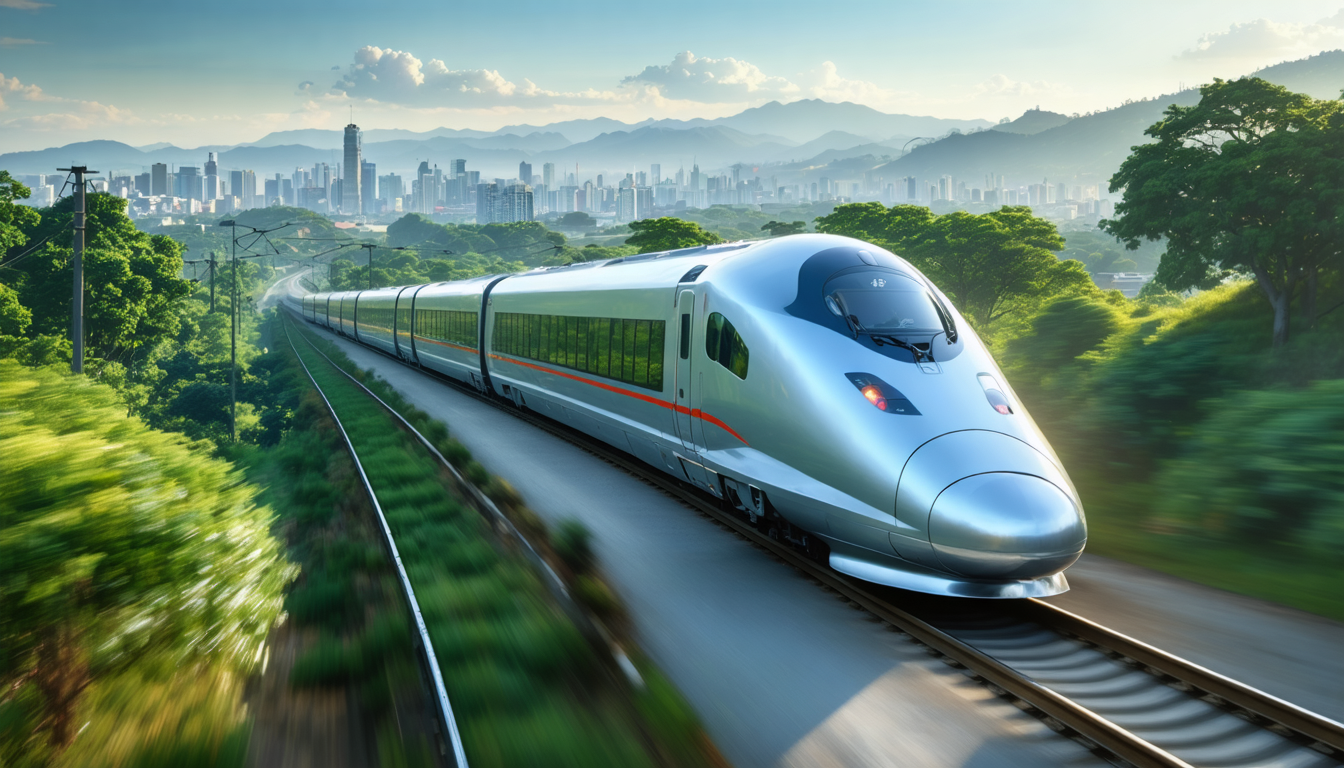
The new high-speed line will extend approximately 420 kilometers, directly connecting the central stations of Rio de Janeiro and São Paulo, two major urban centers whose connectivity is vital for the region. This rapid link aims to replace a hyper-busy corridor characterized by dense air traffic and congested roads, where current travel times fluctuate between 3h30 and up to 6h depending on the mode used and traffic conditions.
Beyond the main metropolises, the project foresees a potential extension towards the city of Campinas, located about one hundred kilometers from São Paulo. This extension is not insignificant: Campinas is a key technological hub, hosting notably high-tech industries and one of Brazil’s busiest freight airports. As an essential element of economic integration strategy, this extension will strengthen connectivity and enhance the region as a pole of innovation and commerce.
The stations designed for this project will not be mere stops; they will become integrated multimodal hubs, facilitating connections with existing urban networks and hosting various services for both business travelers and tourists. This dimension reflects the desire to sustainably improve the quality of life of populations by providing modern, efficient, and accessible infrastructure.
The table below highlights the comparison between the different modes of transport currently available and the future high-speed train connection:
| Mode of transport | Travel time (center to center) | Estimated cost (one way) | Carbon impact (per passenger) |
|---|---|---|---|
| Ultra-fast train | 1h30 | Moderate | Low |
| Plane (air bridge) | 3h30 (with transfers and waiting) | High | High |
| Car | 5h to 6h (without traffic jams) | Moderate | Very high |
| Coach | 6h to 7h | Low | Moderate |
Cutting-edge technologies serving the ultra-fast train in South America
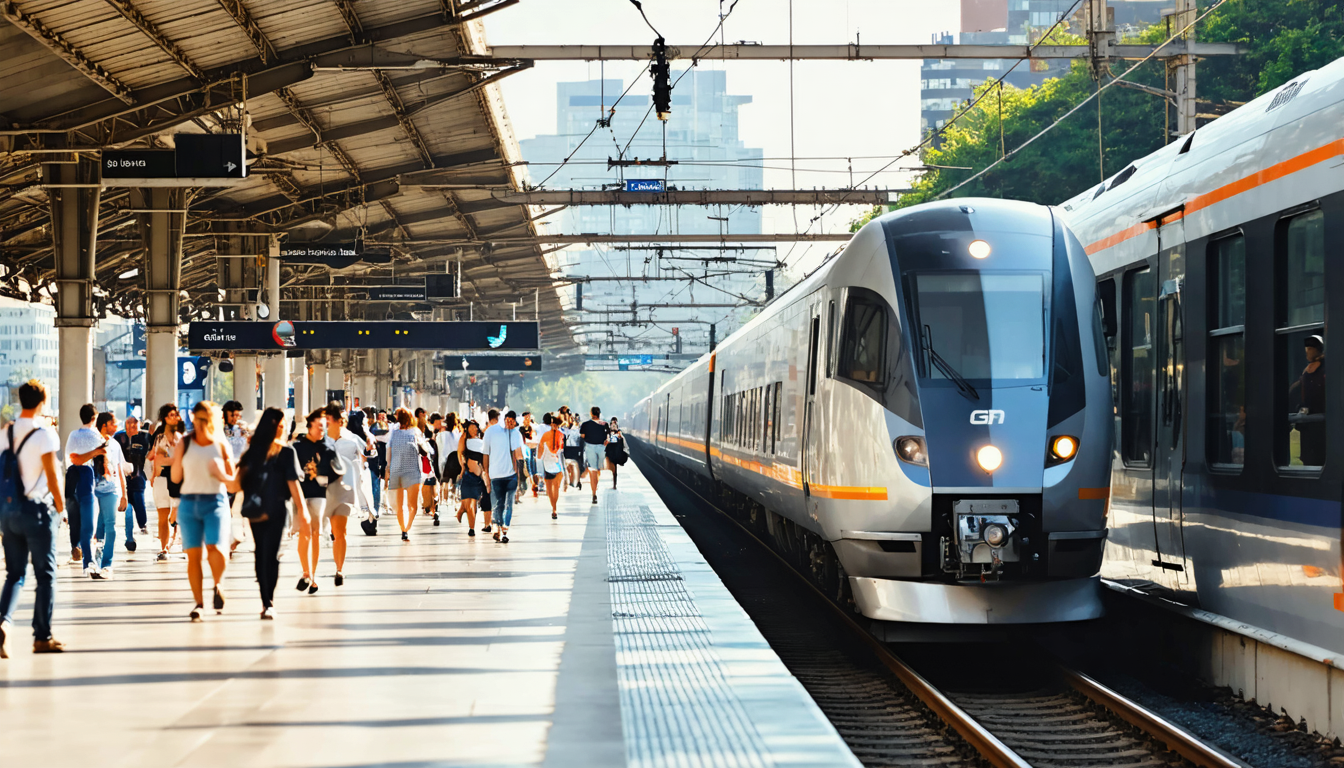
To achieve such a short travel time, this ultra-fast train relies on cutting-edge technological innovation. Developed with the latest advances in railway engineering, it combines powerful motorization, optimized aerodynamics, and sophisticated safety systems. The trainsets are capable of exceeding 300 km/h in commercial speed, ensuring smooth and secure transport.
The level of comfort offered to passengers is also at the heart of the project. The interior of the trains features spacious areas, ergonomic seats equipped with USB plugs, as well as high-speed internet connection available throughout the journey. This modern comfort makes the trip not only a rapid transit but also a pleasant experience, adapted to the needs of both business travelers and tourists.
The infrastructures themselves incorporate major innovations. The dedicated tracks are designed to ensure optimal stability at high speeds, coupled with intelligent signaling systems that provide dynamic traffic management and prevent any incidents. The entire line will also benefit from automated preventative maintenance, strengthening service reliability and longevity.
This dual innovation – rolling stock and infrastructure – places this ultra-fast train among the most advanced worldwide, while being adapted to the geographical and climatic specificities of South America. This ability to combine technical performance and comfort is a major lever to attract users and ensure an efficient transition to this sustainable mode of transport.
Economic and environmental stakes carried by the new rapid connection
The commissioning of this high-speed link represents not only a technological advance but also a real economic driver for the region. During the construction years, thousands of direct and indirect jobs will be created, stimulating the labor market in various sectors related to construction, logistics, and engineering.
Once operational, the line will encourage increased tourism and facilitate business travel, bringing labor markets closer and boosting commercial exchanges. The possibility to travel in only 90 minutes between Rio and São Paulo could even alter real estate dynamics and urban planning practices across the corridor, promoting integrated and coherent development policies.
Beyond financial benefits, the environmental dimension is a pillar of this project. The ultra-fast train provides an alternative to significantly reduce the carbon impact of travel compared to flights and cars. This modal shift will contribute to decreasing air and noise pollution, thus improving the quality of life for residents while respecting Brazil’s international commitments in the fight against climate change.
- Creation of thousands of jobs in construction and operation
- Boosting tourism and business exchanges between metropolises
- Significant reduction of greenhouse gas emissions
- Decongestion of roads and airports between Rio and São Paulo
- Better urban integration thanks to multimodal stations
An industrial revolution for South America: reviving the local rail industry
The launch of this ultra-fast line is not simply an infrastructure project; it is a strong signal for the revival of the rail industry in South America, particularly in Brazil. For several decades, the country prioritized road traffic, neglecting the maintenance and development of its railway networks. This technological turning point is an opportunity to reverse this trend.
The technical complexity and high requirements of the rolling stock will accompany a massive transfer of skills to local engineers, technicians, and operators. This upskilling will create a national rail industry capable of designing, building, and maintaining high-speed systems. Partnerships with international companies have already been initiated to ensure an effective transfer of know-how.
In the medium term, this dynamic should encourage the emergence of new railway projects across the continent, inspired by the successes and expertise gained from this line’s realization. It is already possible to envision a future integration of networks between South American capitals, thus accelerating the region’s economic and cultural unification.
In summary, this ultra-fast train opens a new era for rail transport in South America, synonymous with technological innovation, challenges overcome, but also promises for sustainable, economical, and environmentally respectful mobility.




