

The bank card, a true key to our daily life, is now established as the preferred tool for settling all our transactions, whether in-store, online, or even abroad. In 2024, for the first time, card payments surpassed cash payments in France, illustrating the ubiquity and trust placed in this small plastic object. Yet, behind its apparent simplicity lies advanced technology, with the electronic chip forming the beating heart, ensuring banking security and smooth transactions. While the validity period of cards often sparks curiosity, notably due to their frequent renewals, the fight against fraud remains a major challenge for banks and users. Between innovative methods and practical necessities, the bank card continues to evolve to anticipate threats while adapting to the needs of an increasingly connected world. Let’s dive into the fascinating secrets of your bank card to better understand the protection that ensures trust with every payment.
- 1 The mysteries of the electronic chip: technology and security at the heart of your bank card
- 2 Validity period of the bank card: an essential asset for security and innovation
- 3 The fight against bank card fraud: staying vigilant against modern threats
- 4 Towards a more discreet and modern bank card: trends and design innovations in 2025
- 5 Major French banks and their key role in the security and innovation of bank cards
The mysteries of the electronic chip: technology and security at the heart of your bank card
Since its adoption in France in the 1970s, the electronic chip has radically transformed the way we conduct our secure transactions. Invented by Roland Moreno, this small electronic chip is now integrated into over 100 million cards in circulation, becoming the central element against the growing risks of card fraud. But what exactly is the role of this chip, and what innovations enable it to be both powerful and reliable against hacking attempts?
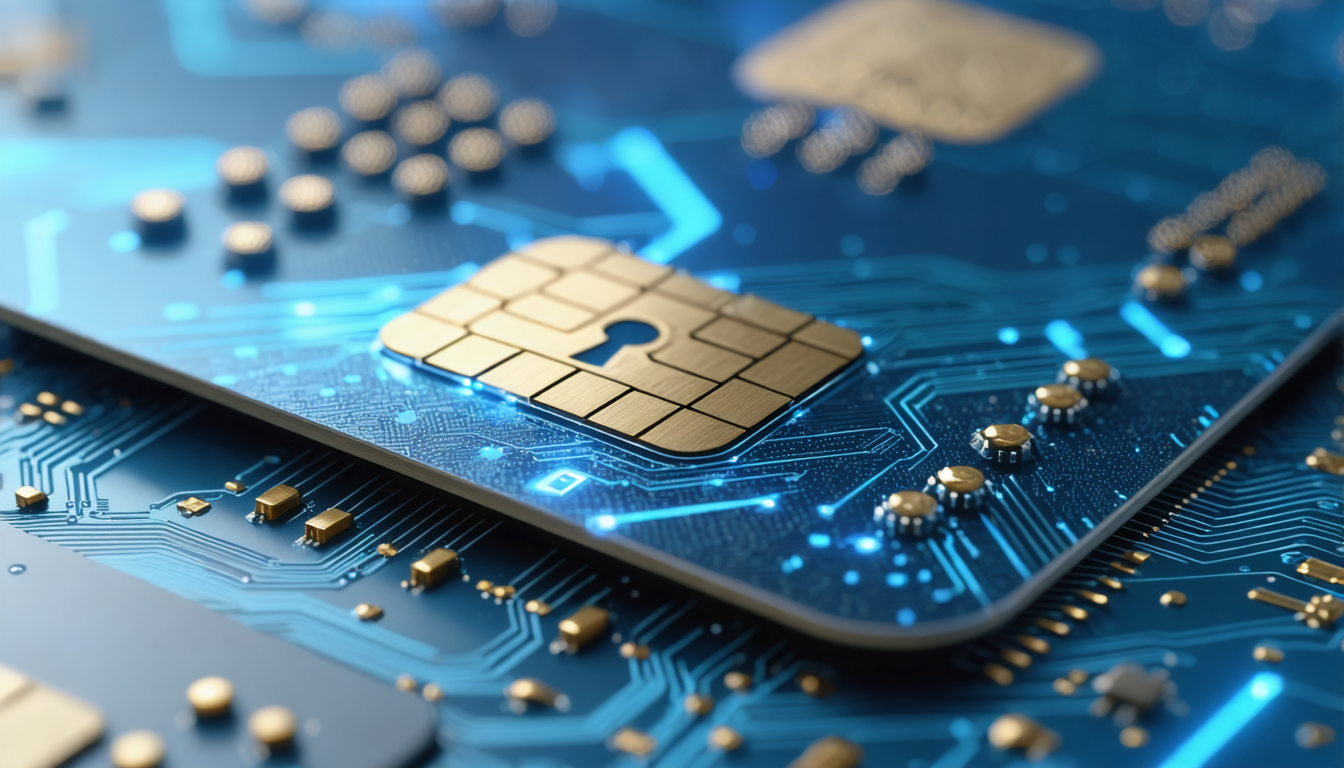
The chip contains a miniature microprocessor capable of storing encrypted data, as well as complex encryption keys it uses to authenticate each transaction. This capability is essential because it guarantees that only valid information and the legitimate cardholder can trigger a payment. Unlike the magnetic stripe, which is much more vulnerable, the chip offers active defense, making any copying or duplication extremely difficult. The chip does not operate with an internal battery but draws its power through contact with the payment terminal. This operation often explains why sometimes you need to rub your card or remove and reinsert it to restart communication in case of a faulty reading.
Contactless payment: a practical and secure revolution
The arrival of NFC (Near Field Communication) technology enabled a major evolution: contactless payment. Thanks to an antenna integrated into the card, simply approaching it to the terminal validates the transaction, without physical insertion, usually for amounts under 50 euros in 2025. This mode simplifies purchases, reduces card handling, and thus limits the risks of chip wear. But beware, this speed can also be a gateway for fraud if certain precautions are not respected.
| Bank card element | Main function | Recent innovation |
|---|---|---|
| Contact chip | Authentication and encryption of transactions | Enhanced cryptographic keys |
| NFC antenna | Fast and secure contactless payment | Unlimited amounts on certain terminals |
| Embossed area | Raised numbers for physical identification | Gradual disappearance in favor of digital printing |
| Magnetic stripe | Traditional data reading | Gradual obsolescence due to low security |
These elements reflect an ongoing evolution, adapting the bank card to new technical and security challenges. The cryptography aspect, in particular, is continuously improved, as attackers double their ingenuity. By comparison, the magnetic stripe is gradually disappearing because its data is static and easily captured by skimming devices.
Validity period of the bank card: an essential asset for security and innovation
Look at your bank card: you will necessarily find a validity period that most often ranges between 3 and 5 years. This figure is not only administrative: it responds to security needs, material wear, and the integration of technological innovations. Why do banks choose this periodicity and what impact does it have for the user?
From a material standpoint, the card undergoes constant wear. Its integrated plastic, electronic chip but also the magnetic stripe and contact area deteriorate over time. A worn card is less reliable, likely to malfunction during payments, or even compromise data reading. Periodic renewal thus allows anticipating these problems. At the same time, banks take advantage of renewal to integrate advances, notably in cryptography, more resilient chips, or even the integration of new features such as increased contactless limits.
Comparative table of validity periods according to major French banks
| Bank | Average validity duration | Renewal procedure |
|---|---|---|
| Société Générale | 4 years | Automatic renewal, home delivery |
| Caisse d’Épargne | 3 years | Notification sent via SMS or email, possibility of pickup at branch |
| LCL | 5 years | Early sending two weeks before expiration |
| Banque Populaire | 3 to 5 years depending on contract | Client’s choice at subscription |
Moreover, this periodicity gives the user a regular opportunity to check that their card meets their needs, to evaluate their banking fees, or even to consider changing their banking offer. When one knows the grip of hidden costs or vaguely defined limitations in some contracts, this vigilance makes all the sense.
Some options, like anticipating renewal or modifying limits, appear as beneficial improvements in 2025, enhancing the management of personal payment systems. Controlling the validity period thus combines practical well-being and enhanced security.
The fight against bank card fraud: staying vigilant against modern threats
Technical progress is not enough to eradicate card fraud, a persistent threat whose complexity grows with the massive use of these digital payment methods. The deployment of electronic chips and contactless payment is a crucial advance, but faced with sophisticated scams, banks and users must combine their efforts.
For example, one classic method, skimming, consists of illicitly copying magnetic stripe data. The chip being more secure thanks to its cryptographic keys, its use reduces this risk but does not entirely eliminate frauds, which shift toward social engineering or phishing. It is essential, especially with the increase in online transactions, to carefully verify websites, ensuring they use a secure HTTPS protocol. Moreover, protection of data like the cryptogram and PIN code remains paramount.
Essential habits to avoid fraud in 2025
- Never disclose your PIN code or cryptogram, even during suspicious calls or messages.
- Immediately report any loss or theft via mobile banking apps or by phone.
- Regularly monitor your statements to identify any unknown transactions.
- Temporarily disable contactless payment in case of theft or risky situations.
- Avoid suspicious websites and prefer recognized platforms for online shopping.
- Carefully destroy expired cards to avoid any risk of data recovery.
Faced with the rise in fraud, every user must be an actor in their security. Banks invest in advanced monitoring systems, as well as prevention guides to raise maximum awareness. Active collaboration between all will help preserve trust in payment methods in 2025 and beyond.
Towards a more discreet and modern bank card: trends and design innovations in 2025
With evolving needs and technologies, the design of the bank card is no exception. We are currently witnessing an aesthetic and functional revolution, inspired by the desire to further strengthen banking security while improving practicality. In 2025, cards are simplifying in appearance, while adopting sleeker formats, sometimes making certain elements almost invisible.
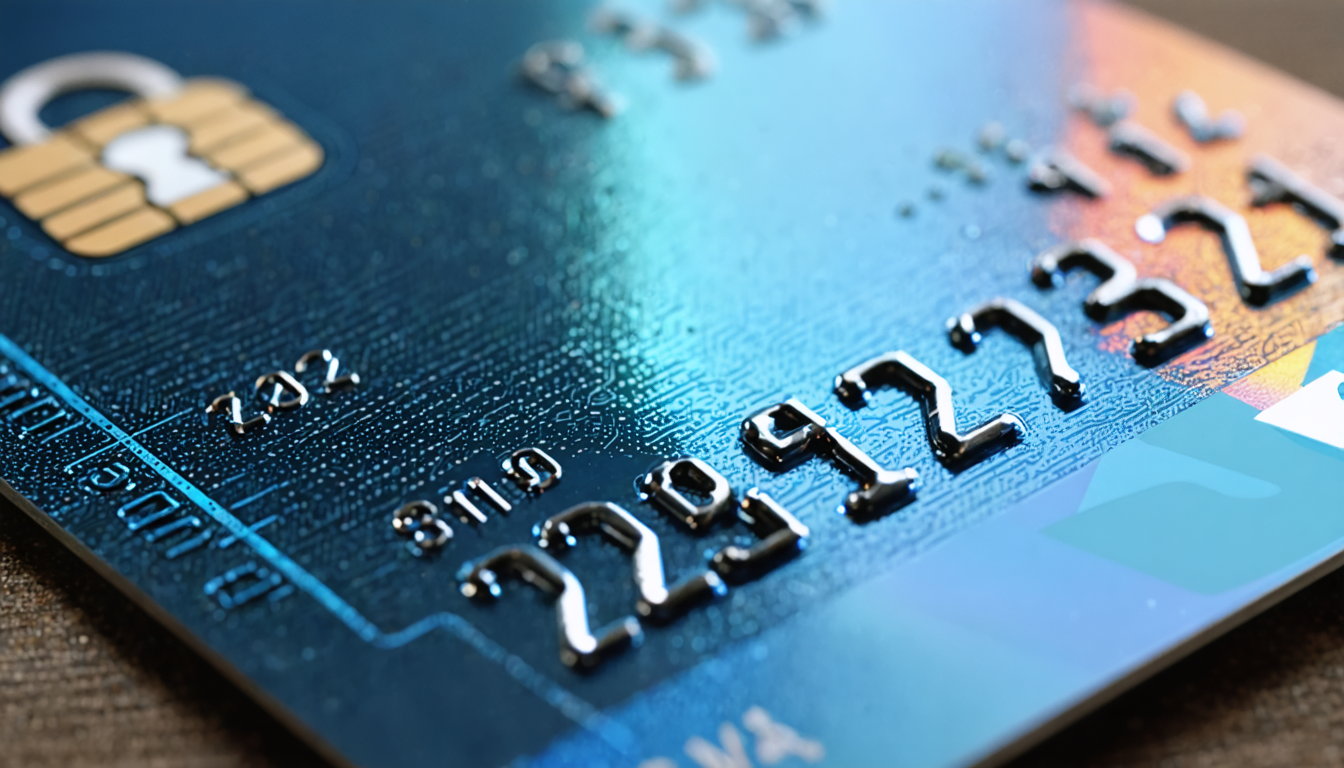
The gradual disappearance of embossed numbers, replaced by flat prints, helps limit the risks of fraudulent copying. The reduction of the visible surface of the chip, which sometimes becomes a simple golden dot, better conceals sensitive information. The signature, formerly a required element on the back of the card, tends to disappear, replaced by the PIN code or more secure biometric systems.
Finally, the magnetic stripe, once omnipresent, is gradually fading to make room for more advanced and less easily falsifiable technologies. This evolution also corresponds to the rise of mobile and contactless payments, which could one day render the physical card obsolete. However, in transportation, everyday purchases or abroad, the card remains a solid reference for millions of users.
| Element | Old models | Recent models |
|---|---|---|
| Visible chip | Large and silver-colored | Miniaturized, limited contact |
| Numbers | Embossed (raised) | Flat printed or absent |
| Magnetic stripe | Present and dark | Often removed |
| Signature | Area on the back | Removed on some models |
Major French banks and their key role in the security and innovation of bank cards
Banks such as Banque Populaire, Crédit Agricole, Société Générale, Caisse d’Épargne, BNP Paribas, LCL, or Hello Bank! play a major role in shaping modern payment solutions. Their work is not limited to issuing cards but encompasses continuous innovation, fraud prevention, and customer support. In 2025, their commitment is illustrated by powerful IT tools and mobile services that improve payment management and enhance security.
For example, LCL and Hello Bank! offer online interfaces or applications allowing temporary card blocking, limit modification, or real-time expense tracking. These innovations facilitate a rapid response in case of suspected fraud, a key factor in limiting damage. Moreover, these banks closely collaborate with international networks Visa, Mastercard, and American Express to adopt the latest security standards, notably tokenization and integrated biometric systems.
Customer services dedicated to fraud prevention, reinforced by artificial intelligence, automatically detect suspicious behaviors, blocking illicit attempts before they even occur. This heightened vigilance is an essential shield in the endless war against card-related scams. Furthermore, offline and online awareness programs help inform customers of best practices, reinforcing a collective culture of vigilance.
These joint efforts between technology and humans make the bank card an ever safer tool. The link between validity period, electronic chip, and fraud prevention then takes on its full meaning, drawing a trajectory where trust remains at the center of concerns.




