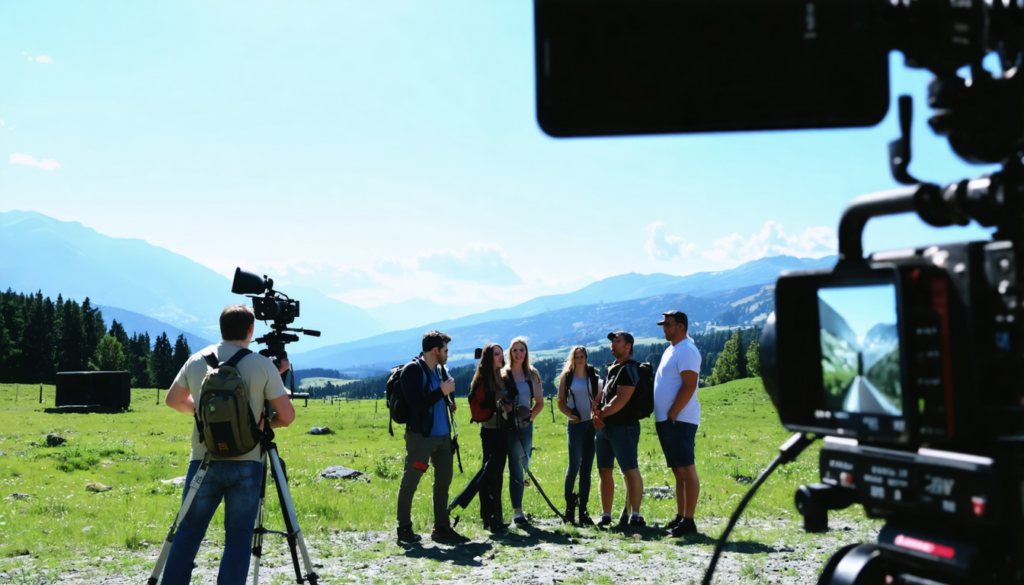
Cinema has always held a deep fascination by transporting us to imaginary worlds, past eras, or extraordinary universes. In 2025, this magic is now also experienced through a tangible form of adventure: discovering filming locations. This trend, called film tourism or “set-jetting,” appeals to an increasingly broad audience, drawn by the desire to immerse themselves in the real settings where the stories of their favorite films and series were written. The global success of sagas like The Lord of the Rings, Harry Potter, or Game of Thrones has transformed simple sites into iconic destinations, sparking enthusiasm never before seen for film tourism that invites exploring behind the scenes of the seventh art.
Beyond simple sightseeing, this mode of travel embodies an emotional quest, a way to live cinema intensely, as close as possible to its spatial roots. Fans, whether passionate amateurs or curious novices, today seek to feel this unique alchemy between fiction and reality, between cinematic narrative and personal experience. Social networks play an essential role, spreading these visual adventures and inspiring new waves of travelers to embark on these fascinating journeys. Thus, tourism reinvented by cinema breathes life back into places that sometimes seemed forgotten and offers enthusiasts a new way to connect with global culture.
Film tourism, a growing phenomenon reinventing the discovery of filming locations
Far from being a fleeting trend, film tourism asserts itself as a form of travel in its own right, combining passion for cinema and the desire to explore. Why does this immersive vocation attract so much? Because allowing everyone to walk in the footsteps of a hero or settle on the actual sets of a shoot profoundly transforms the way we experience the story. This experience goes beyond simply seeing a set: it invites an emotional connection with a work, a form of real escape where imagination finds a tangible extension.
The rise of “set-jetting” perfectly illustrates this trend. This term, a fusion of “set” (film set) and “jet-setting” (traveling), took off thanks to phenomenal franchises. Take for example Harry Potter: the charm of the London studios and the Scottish landscapes of the Glenfinnan Viaduct attracted millions of admirers, transforming anonymous sites into iconic places. Similarly, the series Game of Thrones transformed the city of Dubrovnik into a must-see, capitalizing on the show’s worldwide success to boost cultural tourism around King’s Landing.
This phenomenon does not stop there. The traveler’s approach itself evolves: the goal is no longer just to admire a spectacle, but to participate in an active adventure, an immersion in a known universe, to be able, for example, to relive cult scenes or simply feel the magic of the place that served as a set. This intimate link with the film or series nurtures a genuine enthusiasm that transcends geographical borders to transform sometimes little-known landscapes into real destinations to explore.
The rise of film tourism is also explained by its democratization. Specialized agencies now offer turnkey thematic tours, simplifying logistics and guaranteeing a successful immersive dive. This development opens the door to a broader audience, no longer limited to cinema lovers but including those seeking originality, culture, and adventure. Finally, social networks amplify this momentum, allowing each visitor to share their experience in real time, encouraging others to follow the path traced by their heroes on the big screen.
Destinations turned cult thanks to film tourism
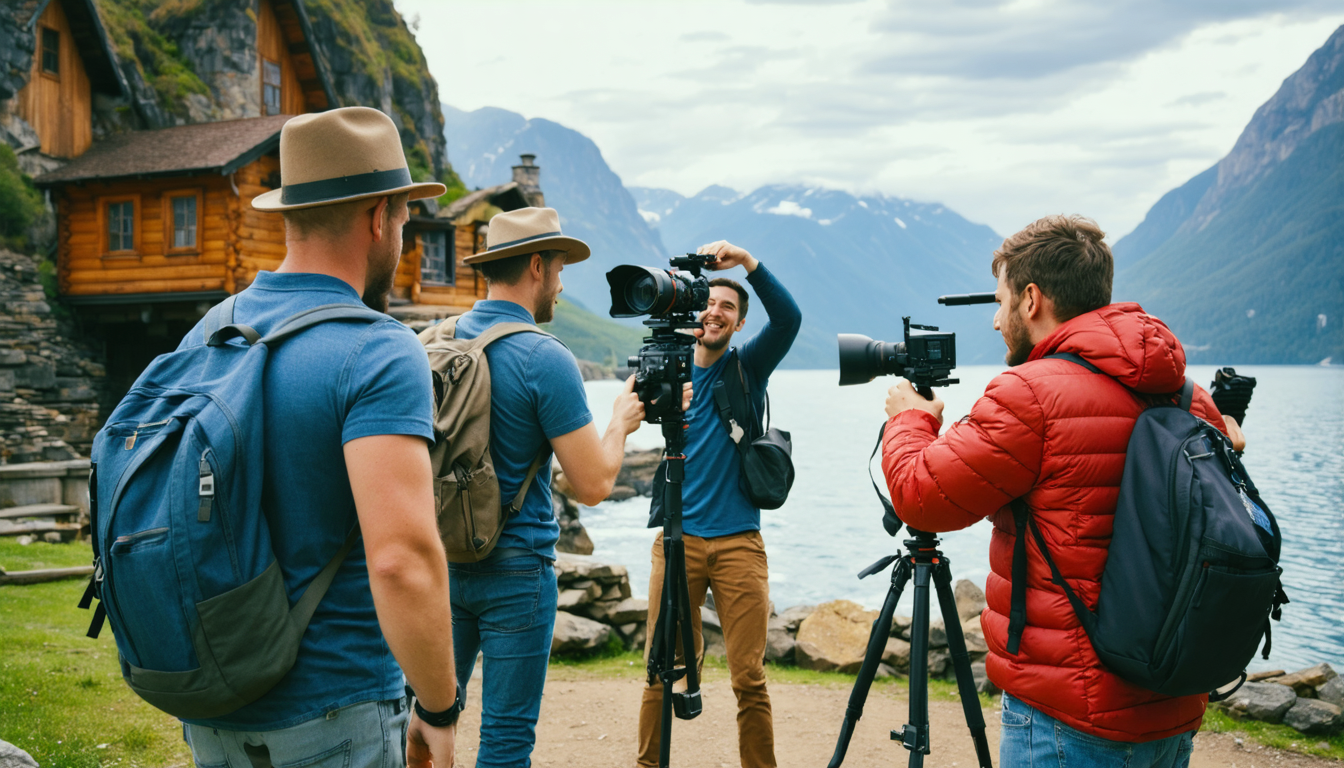
The globe now abounds with places that have gained worldwide fame essentially through their appearance in successful films or series. Their notoriety has turned into a real tourist attraction force, helping to redraw the global tourism map. The magic of cinema is no longer limited to dark theaters; it is physically embodied in sites millions of travelers dream of discovering.
New Zealand is undoubtedly the most emblematic case: its grand landscapes embodied Middle-earth in the Lord of the Rings trilogy. The village of Hobbiton, specially built for filming and carefully preserved since, now attracts a continuous flow of visitors. The impact is huge, with tourism linked to these films representing a significant share of the local economy, illustrating the lasting effect of cinema on a region.
Europe also displays incredible richness in this field. The United Kingdom, for example, enjoys an impressive number of shoots, turning its landscapes into open-air sets. Harry Potter fans flock around Scottish and London sites, while Croatia saw Dubrovnik become the capital of Westeros. In France, cinema constantly reinvents Paris, from Montmartre in Amélie to the trendy neighborhoods popularized by Emily in Paris. Cap Ferret also attracts the curious thanks to films like Little White Lies, highlighting lesser-known regions.
The relationship between fiction and reality sometimes blurs in these iconic places. Visitors seek to relive scenes or photograph sets, thus giving these landscapes a new cultural dimension. In New York, the mythical stairs of the Bronx saw their attendance explode after the film Joker, confirming how cinema now strongly influences tourist destinations. This dual role, where a place is both anchored in its real history and labeled by recognized fiction, creates a unique, enriching but sometimes complex dynamic to manage.
How to organize your trips for an optimal experience at filming locations
Preparing a trip following one’s favorite films is not improvised. Film tourism, to offer its full potential, requires rigorous planning, adapted to the type of experience sought. Some key steps are essential for enjoying a true immersive experience without disappointments.
Research and itinerary development
First of all, precisely identifying filming locations is fundamental. Specialized online resources, enthusiast blogs, and dedicated guides allow listing sites, often accompanied by coordinates and practical advice. This preparation phase must also take into account site accessibility: some are protected, others private, and many may have been modified since the initial filming. Good prior organization avoids disappointments and enriches the experience.
Organized trip vs. independent travel: which choice to prioritize?
| Option | Advantages | Disadvantages |
|---|---|---|
| Organized trip | Simplicity, access to exclusive places, guide expertise | Higher cost, less flexibility, imposed pace |
| Independent travel | Full freedom, controlled budget, personal experience | Research and logistics to manage, risk of incomplete information |
Tips for a successful immersion
It is important to keep in mind that the places seen on screen have often been enhanced by special effects or specific framing. Real conditions on the ground can differ from what one might imagine. Respect for local populations and their environment remains essential for this adventure to be harmonious. By choosing local operators or investing in local culture beyond the fiction, the traveler contributes to a richer and more authentic experience.

The economic impact and socio-environmental challenges of film tourism
Filming location tourism is not limited to a simple leisure activity. It carries with it powerful economic impacts and raises major questions regarding social and environmental balance.
A powerful economic lever for territories
Film productions generate unparalleled global publicity, stimulate tourist flows, and cause a notable increase in revenue for hotel, restaurant, commerce, and transport sectors. For example, Northern Ireland saw its visitor influx rise by more than 300,000 tourists per year thanks to the success of Game of Thrones. Similarly, Alnwick Castle in England, made famous by Harry Potter, saw its visits increase by more than 200%. These figures show how cinema acts as a sustainable economic engine, especially for sometimes rural or lesser-known regions.
Environmental challenges and the issue of over-tourism
This popularity can quickly become a challenge. The over-tourism phenomenon threatens certain natural and historic sites. Maya Bay in Thailand, the iconic location of the film The Beach, had to close temporarily to allow its ecosystem to regenerate. The massive influx of visitors creates tensions on local infrastructures and can degrade precious environments if management is not adapted.
Impact on local communities and culture
Residents often welcome these flows with a mix of hope and fear. The rising cost of living, service saturation, and the transformation of neighborhoods into tourist zones are realities that alter daily life. Some places risk losing their authenticity in favor of purely touristic offers, like theme parks. Beyond the economy, local identity is at stake, requiring actors to reflect on sustainability.
Towards responsible and sustainable film tourism
To preserve this balance, several initiatives are emerging. The establishment of quotas to limit the number of daily visitors, promoting off-season tourism, or marked routes are measures already adopted to protect sensitive sites. The creation of tourism taxes dedicated to conservation funding reflects a real awareness.
At the same time, travelers are encouraged to adopt responsible behaviors: favor local operators, respect the environment, engage with local culture, and reduce their ecological footprint are all commitments that help sustain the magic of film tourism. This shared responsibility among local actors, visitors, and authorities is the key to ensuring that travel to the heart of cinema’s behind-the-scenes remains a unique and respectful experience.