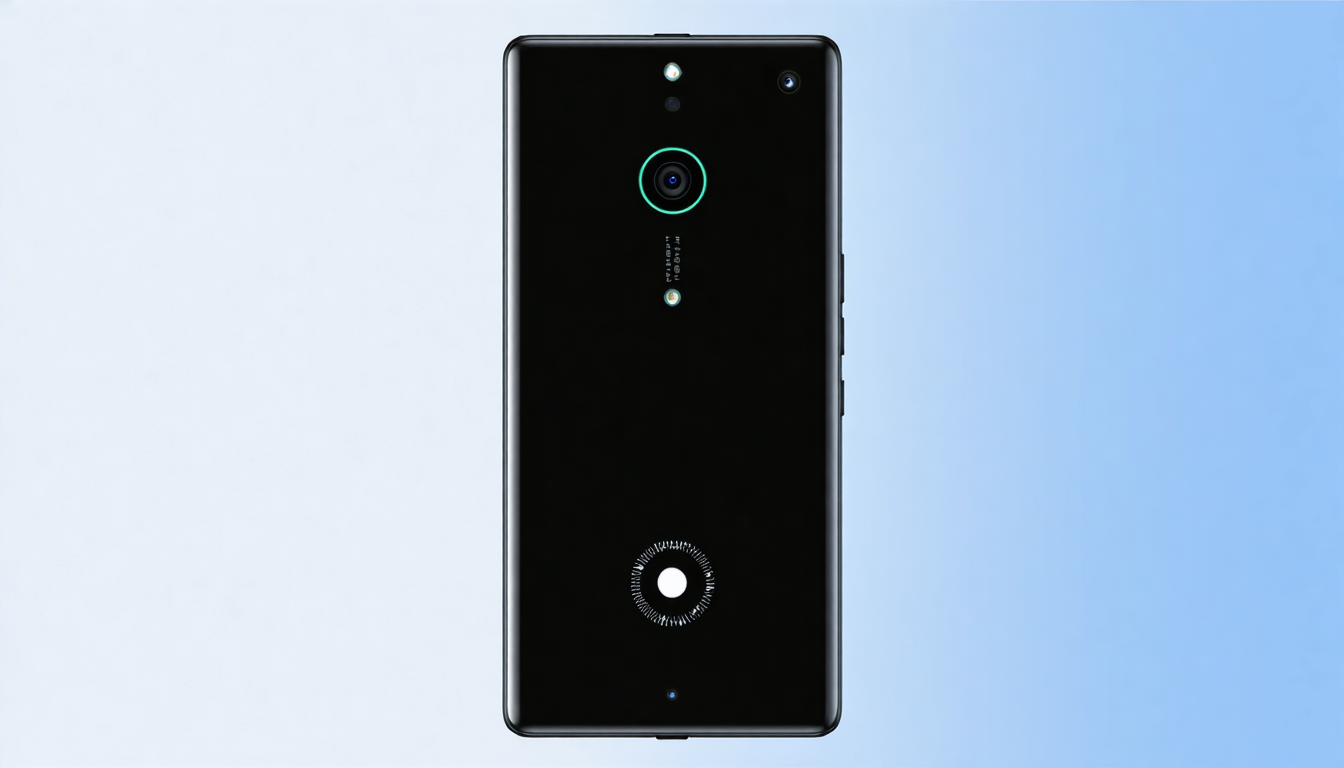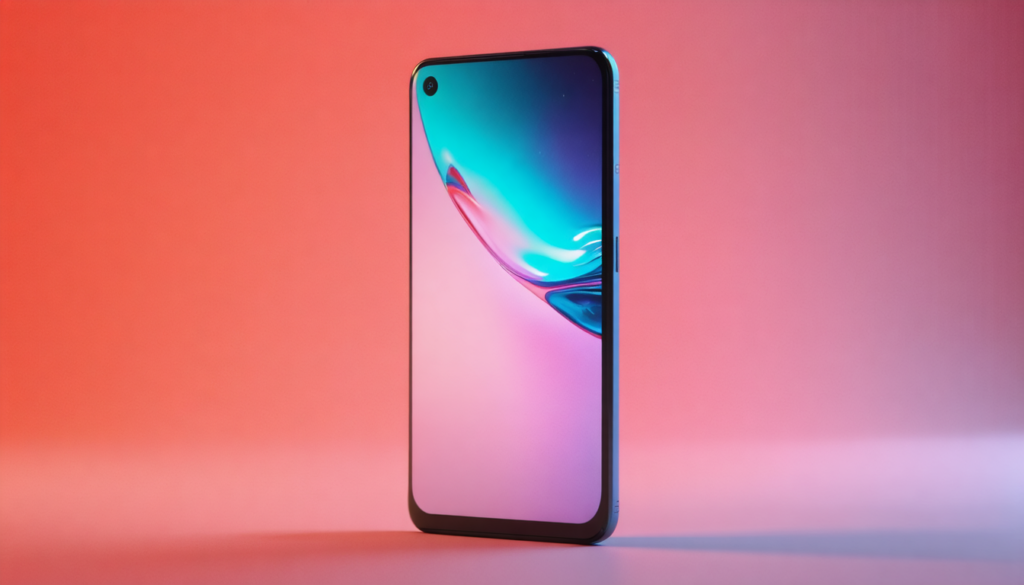
For several years, the battle for a fully borderless smartphone screen has been raging among the technology giants. Apple, often praised for its attention to detail and innovation, finally seems ready to adopt a major advancement already experimented with by its competitors, notably Samsung. This revolutionary feature, present on some Samsung models since 2021, is now announced as a key element of the iPhone 18. It is the front camera placed under the screen, allowing to say goodbye to Apple’s iconic notch. After a long wait, iPhone users can finally hope to enjoy an immersive visual experience without interruption, while benefiting from top-notch photo quality and facial recognition discreetly and elegantly integrated. This change will not only be aesthetic but could also redefine the way we interact with our smartphone. In this article, we will explore this innovative mobile technology, compare the path taken by Apple versus Samsung, and analyze the impacts of this exclusive novelty for iOS and the smartphone market in 2025.
- 1 The technology of the under-screen camera: principles and technical challenges
- 2 Smartphone comparison: Apple catches up with Samsung innovations
- 3 The impact of the under-screen camera on the design and user experience of the iPhone 18
- 4 Face ID under the screen: Apple’s next revolution for biometric security
- 5 Release schedule changes: implications for the iPhone 18 and its range
- 6 Benefits for users: immersion, security, and enriched experiences
- 7 Comparison table: under-screen camera on iPhone 18 vs recent Samsung smartphones
- 8 Future prospects: towards generalization of the invisible camera on iOS and beyond
The technology of the under-screen camera: principles and technical challenges
One of the most fascinating advances in the smartphone innovation field is undoubtedly the front camera placed under the screen. This mobile technology aims to integrate the essential element of front photography without sacrificing the usable surface of the display. The principle is to hide the miniaturized camera under the OLED or AMOLED panel, thus making the area normally occupied by the lens completely transparent when not in use.
To achieve this technical feat, manufacturers must overcome several major obstacles. Firstly, the glass or material used above the sensor must allow enough light to pass through while maintaining optimal image quality. Without this, photos taken in selfie mode could appear blurry or degraded. This requirement involves close collaboration between material specialists, opticians, and electronic engineers.
Secondly, the screen must be able to effectively mask the camera to avoid any visible area, even if the pixel displayed above must be temporarily disabled or modified. This local pixel management requires complex algorithms and precise calibration, as any lack of homogeneity in brightness or color could reveal the presence of the sensor.
Samsung was a pioneer in this matter, launching as early as 2021 models like the Galaxy Z Fold 3 equipped with an under-screen camera on their inner foldable screen. Nevertheless, this first step also showed the limits of the technology, especially regarding photo quality and screen readability in this special area.
The long-term advantage is, of course, the total removal of any bump, notch, or hole on the screen, guaranteeing a cleaner display surface and an unprecedented immersion. Apple, with the iPhone 18, aims to refine this technique to overcome initial difficulties, notably thanks to progress made in software processing of visual data and screen design. The road has been long, but the expected result promises to be a real revolution for users.
Smartphone comparison: Apple catches up with Samsung innovations
In the field of screen technologies and front sensors, Samsung is a pioneer. As early as 2021, the Korean company introduced the under-screen camera on its Galaxy Z Fold 3, thus paving the way for a trend that has been slow to be massively adopted by other players. This innovative approach has attracted a portion of consumers but was not yet free from compromises, notably on selfie quality and localized display.
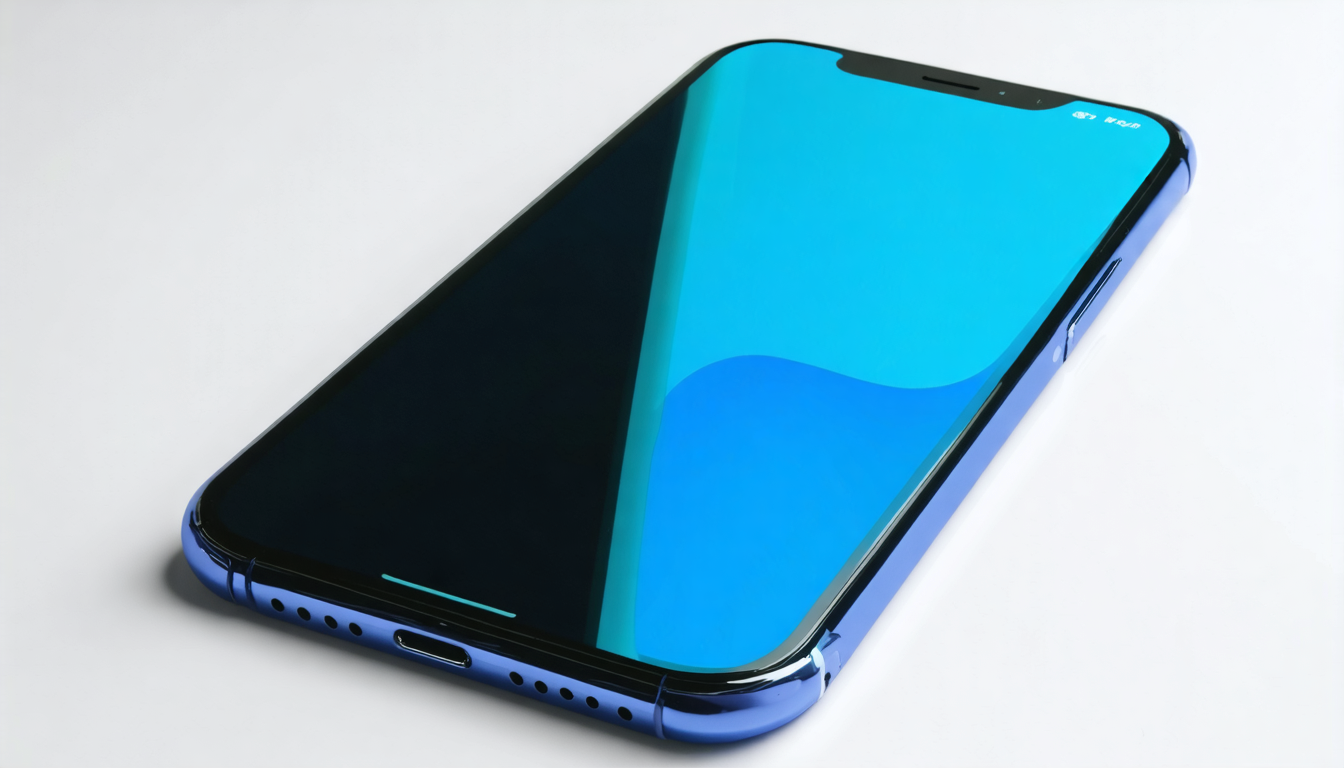
Apple, on its side, long favored reliability and functional perfection before taking the leap. The famous notch introduced with the iPhone X in 2017, although familiar, still bears the Face ID technology essential for secure facial recognition. This technology relied on a set of sensors requiring visible space, which imposed a notch shape on the screen.
The under-screen camera, coupled with a redesigned Face ID that can also function under the panel, marks a real advance at Apple. While Samsung temporarily abandoned its under-screen sensor on some recent models such as the Galaxy Z Fold 7, returning to a classic front device, Apple seems ready to deploy this revolutionary feature in 2025 on the iPhone 18 Pro and Pro Max.
This strategic choice from Cupertino reflects its way of approaching innovation: waiting for the technology to be truly mature and corrected before adopting it. This is notably reflected in a significant improvement in photo performance despite the presence of the screen filter, and the maintenance, even evolution, of biometric security with Face ID.
This confrontation highlights the nature of the sector: Samsung often paves the way, faced with the difficulty of making the first generations reliable, while Apple favors a more mature approach, ultimately offering users an exclusive feature, perfectly integrated and with an incomparable aesthetic result. In 2025, the smartphone comparison between the iPhone 18 and Samsung’s flagship models promises to be exciting.
The impact of the under-screen camera on the design and user experience of the iPhone 18
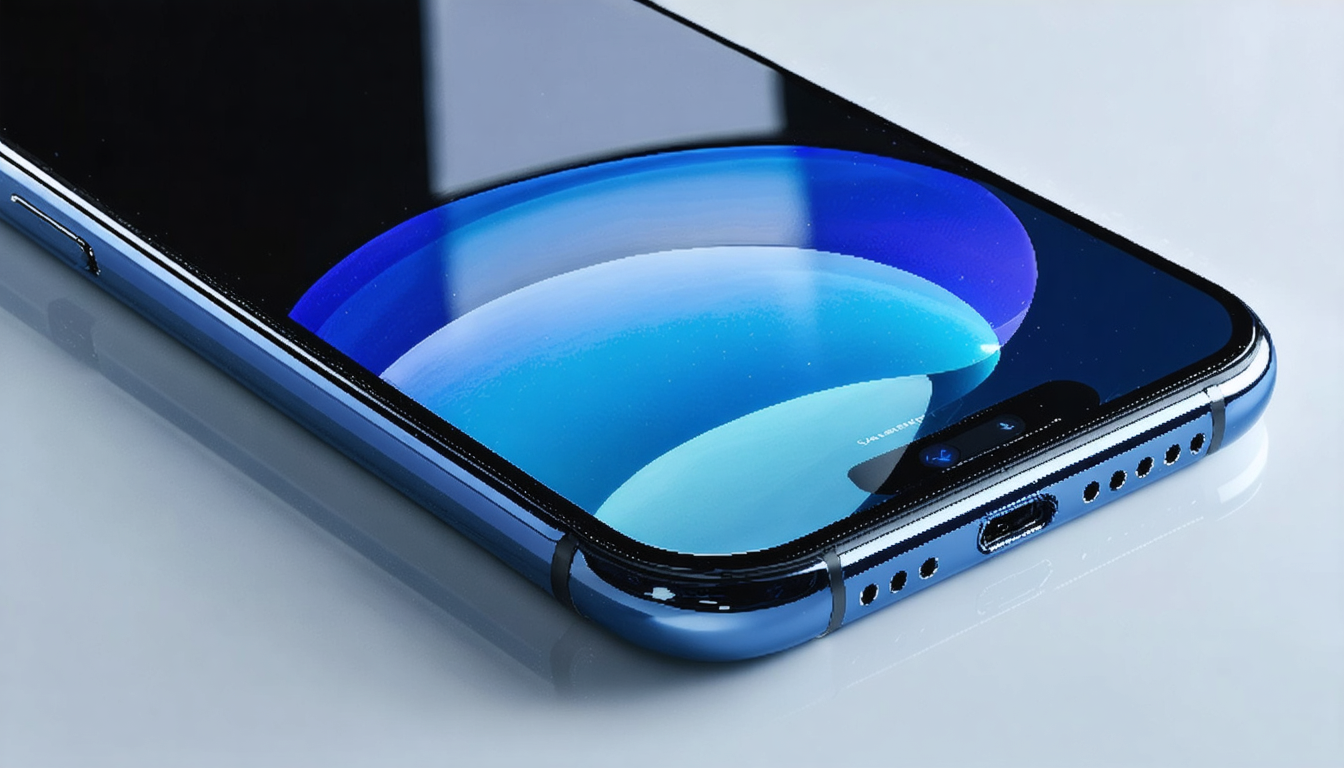
The shift to an under-screen camera will deeply transform the aesthetics and ergonomics of the iPhone 18. From the beginning, the notch symbolizes Apple’s trademark but also a visible daily constraint. The iPhone 18 proposes to take a big step toward a truly full screen, much sought after by users.
The design then becomes cleaner, more minimalist. This removal of the notch allows increasing the usable display area without increasing the overall size of the smartphone. Touch navigation and multimedia content display thus benefit from better immersion, without visual interruption. Apple also optimizes the edges of the screen, improving visual coherence and proportions.
From an ergonomic point of view, this innovation improves daily handling. Gesture interactions on the screen edges gain fluidity and speed, especially in full-screen applications. Watching videos, gaming, reading documents, and viewing photos are no longer affected by masked screen areas.
However, this transformation also raises challenges in terms of durability and repairability. The uninterrupted integral screen must be designed to withstand shocks and wear, while the complex integration of sensors under the panel imposes rigorous manufacturing standards. Apple has historically invested in researching robust and resistant materials, notably on its latest iPhones, which reassures about the solidity of this new generation.
Finally, the aesthetic transition accompanies a redesigned user experience, with an iOS optimized to take full advantage of the complete screen. Many animations, gestures, and displays can now finely adapt to the shape of the display, ensuring total coherence in navigation and interaction. This symbiosis between hardware and software makes the under-screen camera a revolutionary feature serving the user.
Face ID under the screen: Apple’s next revolution for biometric security
With the under-screen camera, another major advance is expected: moving Face ID technology under the panel. This evolution represents a significant technological breakthrough in how Apple manages facial recognition on its devices.
Until now, Face ID relied on specific sensors and an infrared camera placed in the notch, guaranteeing fast, secure recognition that works in almost all lighting conditions. By dissociating Face ID from its traditional visible location, Apple paves the way for a 100% full screen iPhone without compromises on security.
The challenge is to integrate sensors capable of perceiving depth and facial details under a screen layer without compromising the system’s speed or accuracy. This requires advanced 3D detection technology able to penetrate OLED pixels without being disturbed.
Apple is reportedly investing heavily in developing machine learning algorithms to compensate for potential data loss caused by this physical invisibility. This embedded artificial intelligence will refine real-time facial recognition, ensuring fluidity and reliability comparable to the current version.
This Face ID update could also provide better integration with other security and authentication features, such as unlocking in low-light conditions or compatibility with face masks, a sensitive point since the pandemic.
The shift to under-screen Face ID is undoubtedly one of the most awaited smartphone innovations, as it combines aesthetics, functionality, and security in a single package, strengthening Apple’s position as a leader in mobile technology.
Release schedule changes: implications for the iPhone 18 and its range
In 2025, Apple also seems to be preparing a change in its iPhone deployment strategy. Indeed, rumors suggest that the standard iPhone 18 could be launched several months after the Pro models, in a new configuration for the brand.
Historically, Apple presented its full range simultaneously in September. This year, the Pro version would be unveiled as early as September, equipped with the under-screen camera and advanced technological novelties, while the standard iPhone 18 would arrive the following spring, perhaps in March.
This strategy could address several objectives: on the one hand, better managing production and logistics, especially given the technical complexities of the new invisible camera. On the other hand, safeguarding commercial positioning by spreading launches to maintain public attention throughout the year. This evolution could also allow correcting any initial technical defects before the mass-market version’s release.
For consumers, this means a longer wait for the standard model but also the possibility of having a more reliable and optimized version thanks to feedback from the first Pro users. This schedule change fits into a more cautious and thoughtful innovation dynamic, typical of Apple.
It could also represent a solution to better compete with Samsung’s frequent smartphone launches, which feed the market with many novelties throughout the year. Thus, the staggered schedule would strengthen the visibility of the iPhone range over several months.
Benefits for users: immersion, security, and enriched experiences
The adoption of the under-screen camera by the iPhone 18 goes far beyond a mere trend or aesthetic issue. It directly impacts users’ daily experience by improving several key aspects:
- Total visual immersion: No more notch or hole in the screen, which promotes full content display, ideal for watching videos, gaming, or working on professional applications.
- Smooth touch experience: The completely smooth screen facilitates gesture navigation and handling with fewer visual interruptions.
- Improved photo quality: Thanks to Apple’s software processing advances, the under-screen camera guarantees sharp and bright selfies despite physical constraints.
- Enhanced biometric security: Under-screen Face ID, faster and more reliable thanks to AI, offers instant secure access even under difficult conditions.
- Careful ergonomics and design: The smartphone retains its elegance and gains in modernity, strengthening users’ attachment to the Apple brand.
These benefits fit into a deep user satisfaction logic, centered on practicality, security, and visual pleasure. With the iPhone 18, Apple promotes a coherent set of exclusive features, allowing daily use that is both simple, safe, and enjoyable.
Comparison table: under-screen camera on iPhone 18 vs recent Samsung smartphones
| Criterion | iPhone 18 | Samsung Smartphones (since 2021) |
|---|---|---|
| Adoption date | 2025 | 2021 |
| Selfie photo quality | High, thanks to advanced software processing | Variable, sometimes degraded in low conditions |
| Face ID / recognition integration | Under-screen Face ID, optimized by AI | Classic recognition, not under the screen |
| Screen design | Full screen without notch or hole | Screen with hole or visible area |
| Model availability | Pro and Pro Max (delayed launch for standard) | Mainly present on foldable models |
Future prospects: towards generalization of the invisible camera on iOS and beyond
The under-screen camera technology represents only a first step towards broader innovations in the Apple ecosystem. In the coming years, this revolutionary feature should extend to all iPhone models, as well as to other iOS devices like the iPad. The integration could also impact MacBooks, opening the way for invisible webcams for video calls.
From a software point of view, iOS should continuously adapt to maximize the exploitation of this new technical horizon, with applications supporting full display without compromise, ever finer image processing, and increased security capabilities.
Moreover, this technological shift could strongly inspire other smartphone manufacturers, encouraging wider adoption of invisible cameras, or even multiple sensors under the screen, to enrich connectivity and visual capture without altering the design.
Finally, this advance contributes to the global transformation of the smartphone, now perceived as a fluid, aesthetic, and ultra-intuitive terminal, meeting growing demands in terms of user experience and performance. Apple, by finally adopting this feature already tested by Samsung, illustrates its ability to combine innovation and quality, to shape the future of mobile technology.