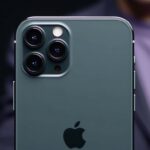
Long fueling speculations and anticipation among technology enthusiasts, the iPhone Ultra establishes itself as one of the most awaited launches in the fall of 2026. This new product signed by Apple, the result of major technical innovations, represents the brand’s first foray into the highly strategic foldable smartphone segment. Despite notable challenges encountered during its manufacturing, notably related to the hinge and flexible screens, the Californian firm appears ready to meet the scheduled date to present its technological gem. This model, expected to accompany the iPhone 18 series, aims to redefine market standards in terms of design, power, and user experience. Careful preparation, combined with Apple’s usual quality requirements, is underway to ensure a commercialization that will mark a turning point in the luxury smartphone landscape. Even now, observers are closely watching this decisive stage, highlighting the industrial, commercial, and technological stakes that this launch implies for the Apple firm, a true challenger against the South Korean giant Samsung and its Galaxy Z Fold.
The momentum surrounding the iPhone Ultra is not limited to a simple market launch of a new smartphone. It is an ambitious industrial bet where technical innovation meets real manufacturing constraints. The final model must combine slenderness, durability, and unprecedented functionalities, while ensuring the robustness needed for daily use. Recent advances in ultra-durable hinges, combined with high-definition internal “book”-format screens, illustrate Apple’s desire to offer a product that is both elegant and high-performing. The adaptation of the user interface to this new format, designed to optimize productivity, completes this approach. All of this occurs in a context where initial accessibility remains limited due to restricted production volumes, to better control quality and create an effect of rarity.
- 1 A confirmed launch date for the iPhone Ultra in September 2026: between certainties and anticipations
- 2 Technology and innovation at the heart of the ultra-premium design of the iPhone Ultra
- 3 Production challenges: how Apple overcomes the technical obstacles related to the iPhone Ultra
- 4 Power and autonomy: the technical promises of the iPhone Ultra for intensive use
- 5 A premium price reflecting the sophistication of the iPhone Ultra
- 6 Apple’s response to competition: a strategy of exclusivity and innovation
- 7 Limited availability at launch: anticipating the rarity of the iPhone Ultra on the market
A confirmed launch date for the iPhone Ultra in September 2026: between certainties and anticipations
The schedule remains the cornerstone of the iPhone Ultra launch. Despite initial fears of delay, very reliable sources, including Mark Gurman from Bloomberg, have confirmed a planned release for September 2026. This timing aligns with Apple’s autumn keynote, which should also unveil the highly anticipated iPhone 18 Pro and Pro Max series. This strategic decision ensures Apple maximum visibility and the ability to capitalize on the media attention generated by these flagship products.
Mark Gurman notably specified that the iPhone Ultra will align with Apple’s ambition: to directly compete with Samsung’s Galaxy Z Fold models. This direct confrontation requires mastering both production and features with rigor to avoid being outpaced by already well-established competitors.
The simultaneous launch with the iPhone 18 also underscores the importance of establishing a coherent ecosystem. Apple anchors its future on a cohesive offering, appealing to both traditional consumers and users seeking radical innovation. Therefore, the commercialization of the iPhone Ultra is part of a comprehensive plan for extending and diversifying the range.
However, challenges related to the production phase still raise questions. Even if the September target remains set, some delays have been recorded in validation steps, which could impact the immediate availability of devices in stores. Industry experts agree, however, that these difficulties are usual for an emerging technology and that the overall schedule continues to be closely monitored.
In this context, Apple displays measured confidence. Suppliers such as Samsung Display and LG Electronics have accelerated their deliveries of foldable OLED screens, while testing teams have multiplied iterations to correct defects. Despite these challenges, the determination to meet the deadline appears firm, supported by significant announcements and substantial investments.
Apple chose the “book” format for its iPhone Ultra, a foldable shape reminiscent of a small laptop designed to offer unparalleled display comfort. The internal screen, a generous 7.8 inches with an almost square 4:3 ratio, provides an immersive experience close to that of a miniature iPad. On the outside, a classic 5.5-inch screen ensures simple and smooth use when the smartphone is closed.
This design merges aesthetics and practicality. With a remarkable thickness of only 4.5 mm when unfolded, the chassis surprises with its slimness, previously unexplored in this segment. The integration of a hinge developed in collaboration with Samsung, capable of withstanding over 200,000 folds, guarantees uncompromising solidity. Engineers also succeeded in making the central crease virtually invisible, a recurring issue on competing foldable models.
This hardware feat goes hand in hand with a reimagined software interface. Moving away from a simple adapted iOS, Apple is working on a hybrid experience where iPadOS functions take advantage of the large screen. Users will be able to easily switch from smartphone mode to tablet mode, multiplying possibilities for office work, creation, or multimedia reading.
Innovation is also reflected in the selected materials, with the use of titanium hinges and specially reinforced glass designed to withstand repeated stresses. All these elements illustrate Apple’s desire to assert its technological mastery and offer a product with impeccable finishing.
In practice, this design revolution offers users a new way to interact with their device. Thus, optimized multitasking applications, advanced stylus support, and screen customization features are among the anticipated assets. This paradigm shift is not limited to aesthetics but is deeply embedded in the Apple ecosystem, enriching daily interaction.
Key technical features of the iPhone Ultra in a comparative table
| Feature | Details | Advantage |
|---|---|---|
| Internal screen | 7.8-inch foldable OLED, 4:3 ratio | Extended surface for productivity and immersion |
| External screen | 5.5-inch OLED | Simple and quick use in closed mode |
| Hinge | Titanium hinge, >200,000 folds | Increased reliability and longevity |
| Unfolded thickness | 4.5 mm | Slim and ergonomic design |
| Processor | A20 Pro chip, 12 GB RAM | High-end performance |
| Battery | Capacity 5800 mAh | Extended autonomy for two days of mixed use |
| Camera | Triple 48 MP sensor, 10x zoom, optical stabilization | Professional and versatile photo quality |
The design of the iPhone Ultra confronted Apple with a series of major technical obstacles, notably regarding the hinge and flexible screens. These components, essential to the success of the foldable format, required repetitive adjustments during industrial testing phases. The postponement of the EVT (Engineering Validation Test) phase from June to early August testifies to the rigor necessary to correct these imperfections.
The hinges, precisely designed by Samsung, were subjected to thousands of opening and closing cycles to guarantee their durability. However, work was needed to reduce mechanical noise and optimize the mechanism to avoid flaws that could lead to premature failure.
Meanwhile, the manufacturing of foldable OLED panels was long a challenge due to a high rejection rate. Initially low, this rate improved thanks to technical innovations over recent months, reaching today an approximately 80% success rate. This progress reflects not only the increasing expertise of suppliers but also the growing skills of Apple teams in quality control.
To leave nothing to chance, Apple decided to multiply early testing phases and software corrections to optimize energy management and battery capacity in light of a significantly larger and more demanding panel.
These efforts are part of a global strategy aimed at limiting problematic stock at launch, thus avoiding massive returns or reputation issues. Apple’s experience in deploying unprecedented technologies like Vision Pro provided valuable know-how to overcome these pitfalls in a mass production context.
Main technical challenges encountered in the production of the iPhone Ultra:
- Hinge: mechanism optimization, noise reduction, and increased durability.
- Rejection rate of foldable screens: improvement to achieve a stable quality above 80%.
- Energy management: software adaptation to balance autonomy and user comfort.
- Low thickness assembly: maintaining solidity despite a record slim chassis.
- Intensive quality testing: multiple iterations to ensure the absence of major defects.
Power and autonomy: the technical promises of the iPhone Ultra for intensive use
One of the announced strengths of the iPhone Ultra is undoubtedly its raw power. Equipped with the new A20 Pro chip, the device promises a significant performance leap, ideal for fully leveraging its unfolded screen and multitasking capabilities. With a total of 12 GB of RAM, double that of current Pro Max models, this smartphone should offer seamless fluidity even with several applications open simultaneously.
This increase in power is accompanied by sophisticated software optimization. An “adapted” iOS will be deployed, integrating certain iPadOS features, to maximize the exploitation of the large screen format without a complete transition to a dedicated tablet OS. This subtlety reflects Apple’s desire to maintain the iPhone identity while adding a new dimension to its user experience.
On the battery side, capacity rises to 5800 mAh, a record for Apple in the foldable smartphone category. Energy density and software management have been improved to guarantee autonomy of at least two days in mixed use, combining browsing, calls, multimedia, and productivity. This point is particularly strategic, as consumption related to the foldable screen is naturally higher than on a classic smartphone.
Finally, the photo sector is not overlooked. The triple 48-megapixel sensor includes advanced optical stabilization and a 10x optical zoom, positioning the device as a true competitor to the best market models, notably against the Galaxy S25 Ultra. This attention to photo quality reflects the strong user expectation for high-level performance on all fronts.
The price positioning of the iPhone Ultra accentuates its exclusive character. The base model should start around 2000 dollars, a threshold significantly higher than current iPhone Pro Max models. This range is explained by the cost of innovative components, ranging from flexible OLED screens to the titanium hinge, not to mention specially developed custom batteries.
For the most advanced configurations, notably with 2 TB of storage, the price could soar up to 2900 dollars. This variation highlights the clear segmentation Apple wishes to operate, offering a product intended for a very demanding clientele, ready to invest in the best available technology.
In Europe, prices could range between 2200 and 3200 euros, due to taxes and import fees. This pricing places the iPhone Ultra in the category of technological luxury objects, reserved for a restricted but strategic market.
This pricing choice is not only a symbol of prestige. It’s accompanied by a commercial strategy focused on rarity and exclusivity. Limited initial stocks encourage massive preorders and fuel a phenomenon of anticipation and desire. Apple is playing here on its image but also on the predictable media hype around this innovative launch.
List of factors explaining the high price of the iPhone Ultra:
- Flexible OLED screen technology: costly and complex to produce.
- Titanium hinge: premium material to guarantee longevity and slimness.
- Custom battery: high energy density and extended autonomy.
- Ultra-slim design: increased requirements on manufacturing and assembly.
- Advanced software integration: optimization between iOS and hybrid functions.
- Advanced photo sensors: triple 48 MP module with 10x zoom and stabilization.
Apple’s response to competition: a strategy of exclusivity and innovation
The foldable smartphone market is dominated by Samsung, recently with the Galaxy Z Fold6 launched around 1800 dollars. Apple’s positioning with the iPhone Ultra demonstrates a clear intention not only to compete on price but especially on innovation and overall quality.
Cupertino relies on differentiation through technical mastery and user experience, offering not only a premium product but also an exclusive interface and software ecosystem. This approach reflects an ambition to reverse the stagnation trend observed in traditional iPhone sales by attracting new customers seeking exclusivity and technological sophistication.
This strategic response is based on several elements. First, the emphasis on innovations patented by Apple, notably regarding the hinge and software management, places the Californian firm in a position of technological leader. Then, the controlled production capacity, though limited, guarantees manufacturing quality that is hard to match.
Finally, the joint launch with the iPhone 18 family helps strengthen the coherent image of an improved ecosystem, reinforcing user loyalty and generating massive excitement around a product that redefines category standards.
Limited availability at launch: anticipating the rarity of the iPhone Ultra on the market
The initial production of the iPhone Ultra is expected to be around 5 to 6 million units, a rather limited volume for a global launch. This limited quantity is partly explained by the complexity of the industrial process and the still imperfect yield rate. From the first preorder hours, stocks are therefore likely to run out very quickly, causing a temporary supply disruption in many countries.
The effects of this rarity could also be accompanied by a rise in prices on the parallel market, a phenomenon Cupertino seeks to contain by limiting purchases per customer and setting up virtual queues. These measures aim to ensure fair distribution to genuine users before resellers take over.
Consumers in France, as elsewhere, will thus need to be patient facing potentially long delivery times, a classic effect for innovative Apple products at their launch. This rarity, far from discouraging, is more likely to fuel strong desire around this exceptional foldable smartphone.
- Limited initial production volume: 5 to 6 million units
- Virtual queues: control of order flow
- Purchase caps per customer: fight against excessive resale
- Estimated long delivery times: patience required for early buyers
- Maintained scarcity effect: marketing strategy and demand management