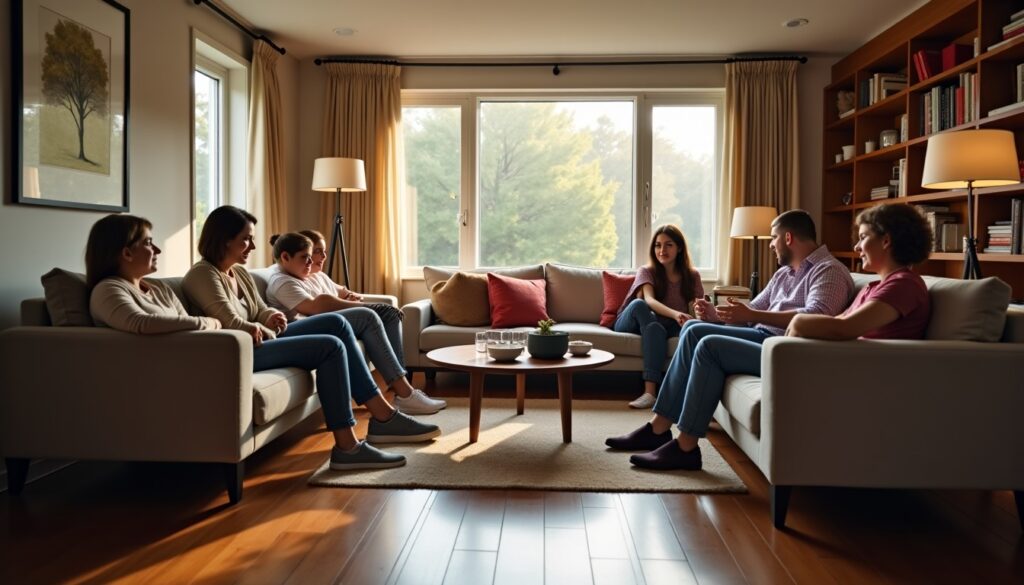
It is common to consider taking off one’s shoes when entering a house as an essential measure to preserve cleanliness and the health of the inhabitants. This practice, which has become almost institutional in many households around the world, is based on the idea that shoes bring inside all kinds of bacteria and dirt accumulated outside. However, a hygiene expert questions this widespread belief. Far from being a mere whim or cultural habit, the issue of removing shoes deserves to be examined in light of the real health challenges and recent scientific data. This reflection allows for considering other equally effective domestic hygiene strategies that combine comfort, risk prevention, and adaptability to modern lifestyles.
According to the expert, the decision to take off one’s shoes at home should not systematically be seen as imperative. This gesture certainly fits within a logic of cleanliness, but it is not always an absolute guarantee against microbial contamination. In reality, the nature of bacteria introduced by shoes varies greatly depending on contexts and frequented environments, while other sources, significantly more important, influence the overall quality of indoor hygiene. The relationship to health and dirt is therefore more nuanced than one might think, and it is time to reevaluate what truly matters for family well-being on a daily basis.
Beyond the simple act of removing shoes, a new approach to domestic hygiene and health prevention is opening up. This comprehensive approach takes into account habits, living conditions, and the specific constraints of each household. It values adapted good practices, as well as the understanding of real risks, to build an environment that is both healthy and comfortable. The expertise thus reveals a truth that could well overturn preconceived ideas about the purity of floors and the role of shoes in the home.
- 1 The real stakes of hygiene at home: between perception and reality
- 2 Benefits and limits of removing shoes at home according to a hygiene expert
- 3 Cultural variations around the practice of removing shoes and their health implications
- 4 Cases where it is truly advised to remove shoes: health prevention tips
- 5 Practical tips to reconcile hygiene, comfort, and health daily
The real stakes of hygiene at home: between perception and reality
Domestic hygiene is a major concern for many families who seek to preserve their health while maintaining a pleasant atmosphere at home. Often, the question of taking off shoes at the entrance is considered an indispensable measure against bacteria proliferation and the maintenance of cleanliness. But a detailed analysis of contamination sources shows that this habit is only one element among others in the overall management of indoor hygiene.
Floors and everyday objects are indeed natural reservoirs of bacteria, but their origin is not limited to shoe soles. Dust contained in textiles, the development of dust mites, as well as mold proliferation due to poor ventilation play a much more important role. Added to this are sometimes excessive or inappropriate use of household chemical products, hair and microbes carried by pets, as well as food residues left on surfaces. These elements, often underestimated, generate a microbiological load markedly higher than that introduced by occasional shoe-wearing inside the home.
This microbial reality emphasizes the importance of adopting a comprehensive domestic hygiene strategy that does not focus solely on removing shoes. It is about establishing a regular and efficient cleaning routine based on adapted methods respectful of the inhabitants’ health. Contamination prevention involves better management of textiles, frequent airing of the indoor space, and attention to risk areas such as the kitchen or bathroom. Understanding these mechanisms helps put into perspective the urgency often attributed to removing shoes and places this practice in a broader and more reasoned context.
Concrete examples to illustrate the main sources of contamination
- Textiles and dust: Rugs, curtains or cushions rapidly accumulate dust mites and allergenic dust, more difficult to eliminate than traces left by shoes.
- Poor ventilation habits: In poorly ventilated dwellings, molds often proliferate on walls and joints, becoming an important health risk factor.
- Pets: Their presence generates hair and microorganisms that are more persistent, often ignored in hygiene concerns related to shoes.
- Poor management of cleaning products: Uncontrolled use can lead to the spread of harmful chemicals, affecting both cleanliness and the quality of indoor air.
Benefits and limits of removing shoes at home according to a hygiene expert
The idea of taking off one’s shoes when entering a dwelling is generally associated with a desire to reduce the presence of external bacteria and ensure better cleanliness. It is undeniable that removing shoes mechanically limits the introduction of visible and invisible dirt from sidewalks, public transport, or other frequented places. This good practice can protect floors and lighten cleaning tasks. It also facilitates maintaining a pleasant and comfortable setting.
However, the expert reminds that this measure has neither an absolute effect nor an indispensable medical dimension. Firstly, shoes carry only a reduced portion of the indoor bacterial load. Secondly, bacteria already present in the house, transmitted from other sources, are not eliminated by this simple gesture. Thirdly, walking barefoot or in slippers can cause health problems such as the development of athlete’s foot or the transmission of warts, especially in shared housing. Finally, certain hard or unsuitable floors can exacerbate joint pain in the absence of proper podiatric support.
To better understand these aspects, here is a table summarizing the advantages and disadvantages of different practices related to wearing shoes indoors:
| Practice | Main advantage | Main disadvantage |
|---|---|---|
| Taking off shoes | Fewer external bacteria and better floor protection | Increased risk of fungal infections, injuries, and foot pain |
| Keeping shoes on | Optimal podiatric protection and comfort | Possible introduction of dirt and external bacteria |
| Indoor slippers | Hygienic compromise and indoor comfort | Require regular maintenance to be effective |
One of the key points highlighted by this specialist is the need to find a balance between hygiene, comfort, and health prevention. It is often preferable to opt for an intermediate solution, such as the use of clean indoor slippers, which limits external inputs while avoiding certain health risks linked to walking barefoot. This choice is all the more relevant in families with diverse situations, notably with children or people with reduced mobility.
Cultural variations around the practice of removing shoes and their health implications
The decision to remove or not one’s shoes at home also fits within cultural traditions that profoundly influence the customs and perceptions of cleanliness. In some Asian countries, Scandinavia, or Japan, it is not only socially expected but also spiritually significant to take off shoes before crossing the threshold. This norm shows a marked respect for privacy and purity of the home, reinforced by a rigorous protocol around home maintenance.
Conversely, in other parts of Europe, especially in the south, or in North America, it is quite common to keep shoes on indoors, even though this does not question the health of the inhabitants. These stark differences highlight that the link between shoe removal and hygiene is not universal and that it is more a matter of values, habits, and lifestyles than of direct health necessity.
Recent epidemiological studies also confirm that there is no tangible link between the habit of systematically removing shoes and better overall health. Rates of intestinal or respiratory infections do not vary significantly between populations who regularly practice this habit and those who do not. This finding gives food for thought: rather than imposing a single rule, it is wiser to adapt practices according to individual needs and specific contexts.
Here are some elements explaining these cultural divergences:
- Historical origins: In Nordic countries, cold and snow favored the adoption of shoe removal to avoid dirtying wet floors.
- Religions and beliefs: Some religious traditions link the purity of the body and home to the absence of shoes indoors.
- Conceptions of domestic life: The importance placed on family life, conviviality, and comfort also modifies how the issue is viewed.
Cases where it is truly advised to remove shoes: health prevention tips
The expert stresses that shoe removal remains recommended in very specific contexts where health prevention proves crucial. It is not a universal routine to apply blindly, but a targeted protocol depending on real risk situations or vulnerable household members.
Here are the main circumstances in which it is advised to take off one’s shoes:
- After a visit to a hospital or healthcare facility: these places are potential sources of resistant and contaminated pathogens.
- Upon returning from a construction site or agricultural field: soil, chemicals, and other materials may contain undesirable microorganisms.
- When the soles are visibly dirty: the presence of mud, debris, or liquids indicates a risk to limit.
- In homes with infants or crawling young children: infection prevention is paramount because their immune system is still fragile.
- During epidemics, such as gastroenteritis: limiting indirect transmissions through enhanced hygiene is an appropriate precaution.
Outside of these situations, maintaining clean floors through regular cleaning with appropriate products, as well as using absorbent doormats and possibly cleaning shoes before entry, can suffice to ensure a healthy environment without imposing systematic shoe removal.
Practical tips to reconcile hygiene, comfort, and health daily
Optimal home maintenance relies on simple but crucial gestures. Rather than turning domestic hygiene into a source of anxiety, it is possible to adopt balanced strategies that meet everyone’s needs.
The expert’s recommendations propose a flexible and personalized approach:
- Clean floors regularly: vacuuming and washing two to three times a week with suitable products effectively reduce bacterial load.
- Use slippers reserved for indoors: these can limit the passage of dirt while ensuring comfort and reducing risks linked to walking barefoot.
- Place an absorbent doormat at the entrance: this accessory captures a large part of dust and debris coming from outside.
- Clean shoe soles in risk cases, especially after outdoor activities.
- Air the home daily: fresh renewed air prevents mold proliferation and improves indoor quality.
- Wash hands regularly: this gesture remains the most effective to fight domestic infections.
This maintenance approach does not impose a strict rule of shoe removal but encourages pragmatic hygiene respectful of comfort and habits lived by each individual. This personalized approach adapts to daily realities and avoids unnecessary contradictions that could harm general well-being.