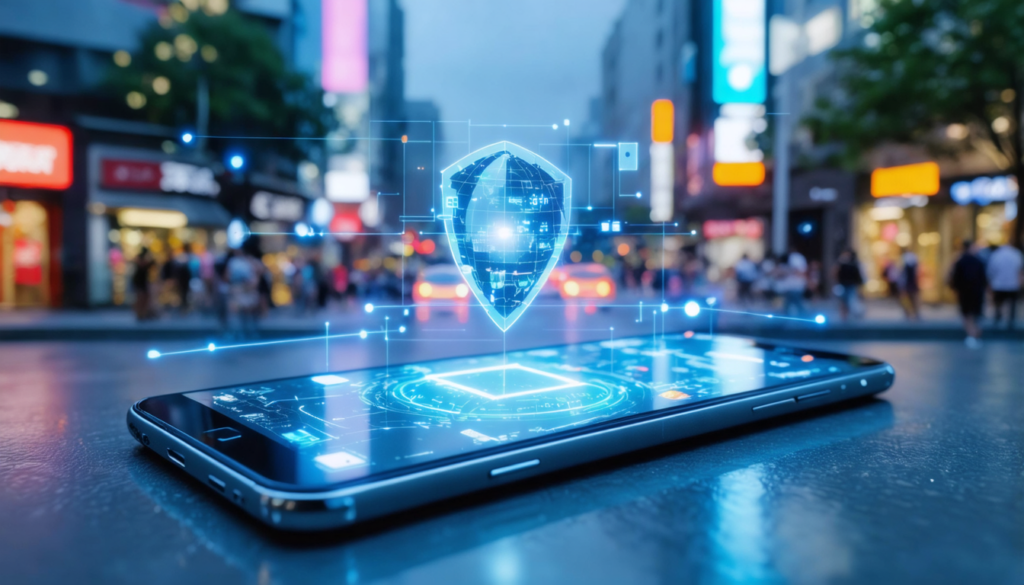
Faced with the rapid rise of location data and the constant advancements in mobile technologies, geofencing establishes itself as a crucial innovation. This technique allows the creation of virtual geographic boundaries around physical spaces, thus triggering notifications or automated actions when equipped devices cross these invisible limits. More than just a mapping tool, geofencing today incorporates intelligent systems and advanced algorithms to offer diverse and personalized applications, from fleet management to hyper-targeted marketing.
In 2025, issues related to positioning and geolocation are becoming more complex with the emergence of ever more precise solutions, relying on technologies such as GPS, RFID, or Bluetooth Low Energy beacons. These innovations make possible a more accurate, secure, and sector-adapted real-time tracking. Whether it is improving security, energizing commercial campaigns, or facilitating resource management, geofencing opens up unprecedented opportunities and firmly anchors itself in the modern technological and economic landscape.
- 1 Geofencing: precise definition and modes of operation
- 2 Practical applications of geofencing in various key sectors
- 3 Tangible benefits of geofencing for modern businesses
- 4 The major evolution of geofencing with artificial intelligence in 2025
- 5 Frequently asked questions about geofencing and its impact in 2025
Geofencing: precise definition and modes of operation
Geofencing, also called geofencing, refers to the practice of establishing a virtual barrier around a defined geographic area. This digital “zone” is created by software to track, alert, or trigger an action as soon as an equipped mobile device crosses this boundary, either by entering or leaving. This system is built from precise coordinates, generally defined via interactive maps such as Google Earth or other web mapping systems.
The principle mainly relies on GPS technology which continuously provides location data. Additionally, Radio Frequency Identification (RFID) and Wi-Fi or cellular networks allow for an alternative and more discreet tracking, often in the background. Thus, depending on the nature of the concerned zone and the application’s needs, geofencing can operate in two modes:
- Active mode: requires the user to have an open application and a network connection so that the system detects their movement in real time. For example, a delivery app that tracks a courier’s progress.
- Passive mode: runs continuously in the background, mainly using WiFi or cellular data for ongoing monitoring without consuming too many resources or energy.
To ensure the reliability of geographic alerts, modern applications integrate encryption protocols that guarantee the confidentiality of transmitted information. These measures are particularly essential in sectors where data security is critical, such as vehicle fleet management or electronic surveillance devices. The positioning accuracy has also benefited from the continuous improvement of interactive maps, allowing very fine adjustments of virtual perimeters around buildings, roads, or specific areas of interest.
| Technology | Main use | Advantages | Limitations |
|---|---|---|---|
| GPS | Global outdoor positioning | Very precise outdoors, real-time tracking | High battery consumption, less precise indoors |
| RFID | Short-distance tracking, access and security | Works indoors, very low consumption | Limited range, requires dedicated infrastructure |
| Wi-Fi / Cellular | Continuous background tracking | Low consumption, works without active GPS | Less precise, depends on available networks |
Concrete examples speak louder than long descriptions: Uber uses this system to show drivers where to pick up their passengers via precise geographic alerts. Like these uses, geofencing is today a fundamental key in the networked digital reality.

Practical applications of geofencing in various key sectors
This technology, at the crossroads between geolocation and a powerful management tool, adapts to a multitude of fields. Here are the main applications showing the variety of uses and tangible benefits of geofencing.
Surveillance and security
In the security field, it is notably used to monitor sensitive perimeters and control movements. For example:
- Electronic bracelets: used in monitoring individuals under judicial surveillance to ensure they do not cross prohibited zones.
- Fleet management: to immediately notify if a vehicle deviates from a planned route, thus ensuring the safety of goods and drivers.
- Smart Home: geofencing automatically activates or deactivates home security systems according to the presence or absence of occupants.
Marketing and local commerce
In the commercial sector, geofencing proves to be a powerful lever of local marketing strategy or “geomarketing”. It allows:
- Creating personalized promotions sent to customers’ smartphones when they enter an area near a store.
- Sending competitive offers to visitors of a commercial zone to capture attention and accelerate their purchasing decision.
- Collecting data on customer flow and behavior to improve store layout or advertising targeting.
Human resources and equipment management
Within companies, geofencing also optimizes:
- Access control in restricted and sensitive areas, limiting entry to authorized personnel.
- Tracking of mobile devices loaned to employees, with automatic locks if they leave the authorized zone.
- Real-time presence management on client sites or construction sites, facilitating compliance with safety rules.
| Sector | Usage examples | Expected impact |
|---|---|---|
| Security | Electronic bracelets, geolocated access control | Reduced intrusion risks, increased surveillance |
| Marketing | Targeted promotional notifications, customer traffic analysis | Increased sales, enhanced loyalty |
| Human resources | Presence tracking, securing sensitive areas | Optimized management and regulatory compliance |
With all these examples, it is clear that geofencing goes far beyond the scope of a simple technology. It now plays a strategic role that impacts both performance and operational security.
Tangible benefits of geofencing for modern businesses
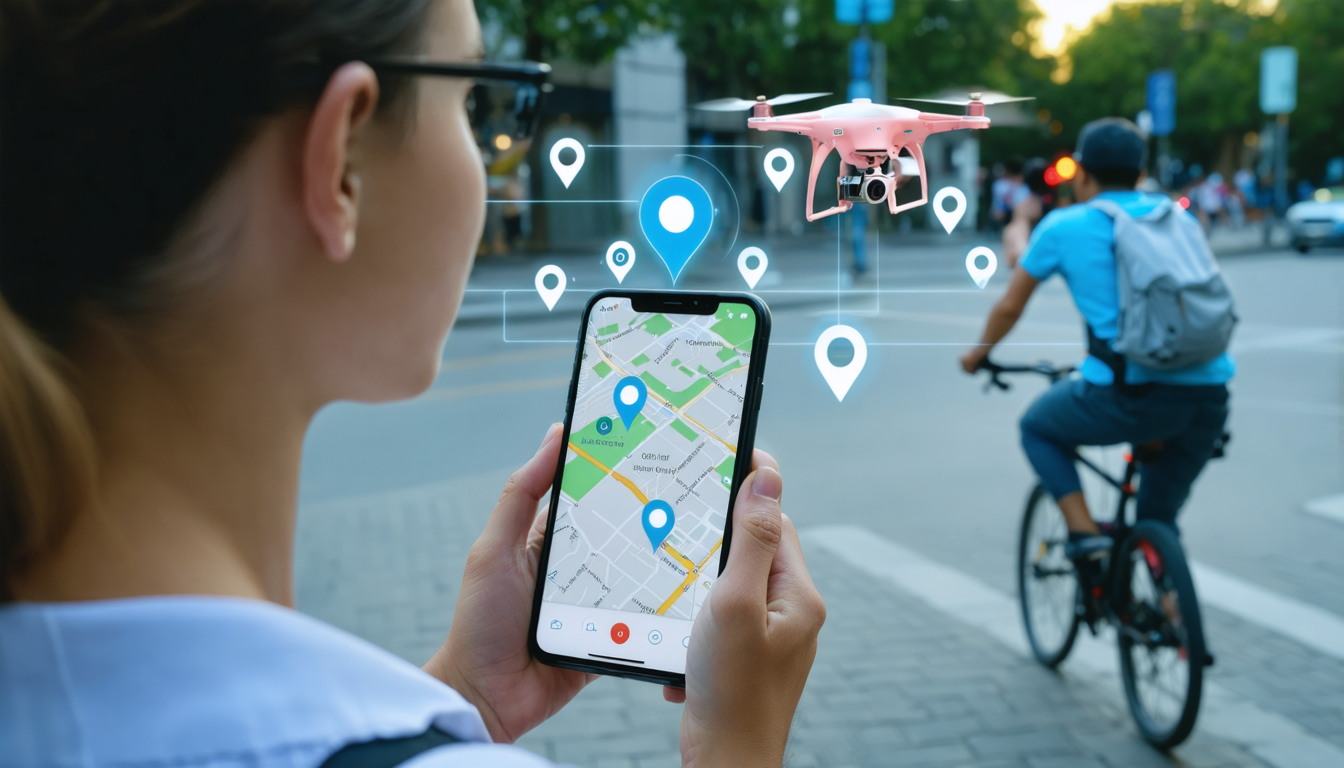
Adopting geofencing provides many advantages, fostering growth and innovation in companies within a world where responsiveness and location are key.
- Reach the right customer, at the right place, at the right time: geographic alerts make it possible to target prospects who are physically close to a point of sale, thus increasing conversion chances.
- Improved operational efficiency: by automating monitoring and receiving notifications directly in case of non-compliance or incidents, teams can intervene more quickly and effectively.
- Enhanced customer engagement: personalized marketing campaigns, based on location and real behavior, generate more interactions and foster stronger brand loyalty.
- Better market and customer knowledge: thanks to the collection of positioning data in a real context, companies can refine their offer and anticipate needs.
- Cost reduction: precise tracking limits wasted time, equipment losses, and optimizes human resources.
These benefits, in turn, create a virtuous circle where geofencing and mobile applications collaborate to deploy integrated solutions, meeting both current and future requirements.
| Advantage | Description | Example of application |
|---|---|---|
| Precise location | Detects entry and exit of a defined geographic area | Automatic alarm on smartphone when crossing a perimeter |
| Customization | Adapts marketing messages according to user behavior | Notification of a special offer just beside a store |
| Operational efficiency | Allows real-time monitoring of fleet or employees | Instant notification in case of vehicle route deviation |
The major evolution of geofencing with artificial intelligence in 2025
Geofencing has undergone a profound transformation with the integration of artificial intelligence and machine learning. Whereas it formerly consisted mainly of triggering simple alerts, it has become a real decision engine adapted in real time.
At the heart of this revolution, new capabilities allow:
- Real-time hyper-targeting: systems analyze not only position but also contextual data such as weather, purchase history, local events, or previous consumer behavior in the area.
- Dynamic geofencing: virtual boundaries are no longer static. They adapt in size and shape according to traffic and population density, enabling better flow management and more relevant campaigns.
- Optimization of micro-deliveries: in logistics, drones and autonomous robots use these virtual zones to secure their routes and comply with geographic restrictions, facilitating last-mile delivery.
- Improved phygital experience: the coupling between geofencing and Bluetooth Low Energy beacons leads to seamless interaction between physical stores and mobile applications, offering an enriched customer service.
These improvements make geofencing a scalable solution, blending mobile technology, contextual intelligence, and real-time tracking, to meet the ever more sophisticated needs of businesses and consumers.
| Evolution | Related technology | Main advantage | Innovative example |
|---|---|---|---|
| Contextual hyper-targeting | Artificial intelligence and machine learning | Relevant and targeted marketing offers | Purchase prediction based on in-store behavior |
| Dynamic zones | Dynamic geofencing | Campaign optimization and flow management | Barrier adaptation based on pedestrian traffic |
| Secure micro-deliveries | Drones, autonomous robots, geofencing | Safety and efficiency of last-stage deliveries | Creation of protected virtual corridors |
Frequently asked questions about geofencing and its impact in 2025
{“@context”:”https://schema.org”,”@type”:”FAQPage”,”mainEntity”:[{“@type”:”Question”,”name”:”What is geofencing?”,”acceptedAnswer”:{“@type”:”Answer”,”text”:”Geofencing is a technology that creates a virtual geographic barrier around a physical area, triggering an alert when a equipped device crosses the boundaries.”}},{“@type”:”Question”,”name”:”What technologies support geofencing?”,”acceptedAnswer”:{“@type”:”Answer”,”text”:”Geofencing mainly relies on GPS, RFID, as well as Wi-Fi and cellular networks, often combined with interactive maps like Google Earth to precisely delineate zones.”}},{“@type”:”Question”,”name”:”How does artificial intelligence improve geofencing?”,”acceptedAnswer”:{“@type”:”Answer”,”text”:”In 2025, AI enables dynamic hyper-targeting and real-time contextual analysis, making notifications more relevant and personalized based on the customer’s behavior and environment.”}},{“@type”:”Question”,”name”:”What are the main uses of geofencing?”,”acceptedAnswer”:{“@type”:”Answer”,”text”:”The technology finds applications in local marketing, security and access control, vehicle fleet management, as well as equipment and human resource monitoring.”}},{“@type”:”Question”,”name”:”What benefits does geofencing bring to businesses?”,”acceptedAnswer”:{“@type”:”Answer”,”text”:”It allows reaching the right customer at the right time and place, improves operational efficiency, strengthens customer engagement, and provides better market knowledge through collected data.”}}]}What is geofencing?
Geofencing is a technology that creates a virtual geographic barrier around a physical area, triggering an alert when an equipped device crosses the boundaries.
What technologies support geofencing?
Geofencing mainly relies on GPS, RFID, as well as Wi-Fi and cellular networks, often combined with interactive maps like Google Earth to precisely delineate zones.
How does artificial intelligence improve geofencing?
In 2025, AI enables dynamic hyper-targeting and real-time contextual analysis, making notifications more relevant and personalized based on the customer’s behavior and environment.
What are the main uses of geofencing?
The technology finds applications in local marketing, security and access control, vehicle fleet management, as well as equipment and human resource monitoring.
What benefits does geofencing bring to businesses?
It allows reaching the right customer at the right time and place, improves operational efficiency, strengthens customer engagement, and provides better market knowledge through collected data.