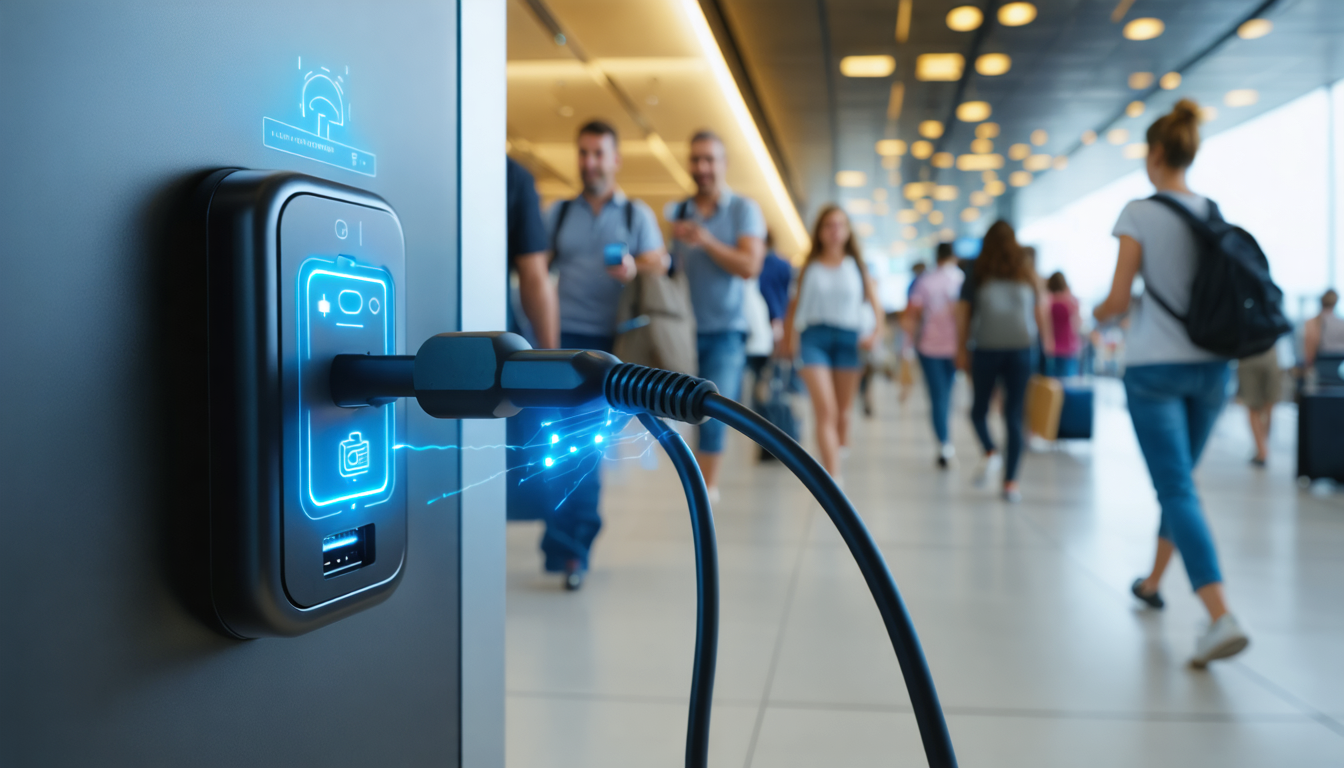
In a world where connectivity remains crucial, especially for travelers constantly on the move, the use of public USB ports proves to be a double-edged sword. These ports, found in large numbers in airports, hotels, train stations, and cafes, appear as an undeniable convenience for quickly charging a smartphone or tablet. Yet, this simple gesture hides a growing threat highlighted by the FBI: “juice jacking.” This sophisticated hacking method allows cybercriminals to exploit these public charging stations to illicitly access sensitive personal data. As connected travelers rush to these free terminals, the need for increased vigilance and precise preventive measures becomes paramount to ensure the digital security of their devices.
The FBI, through several alerts and recommendations, particularly urges users to favor their own equipment, avoid public USB ports, and understand the risks involved. The protection of personal data, at the heart of current concerns related to cybercrime, requires everyone to adopt simple but essential reflexes during their travels. This situation highlights a real challenge for the prevention of cyberattacks that exploit these technical and human vulnerabilities. This report delves deeply into this phenomenon, reveals hackers’ tactics, and offers clear advice formulated by American experts for the secure use of charging methods on the go.
- 1 Understanding the threat of public USB ports to travelers’ digital security
- 2 “Juice jacking”: mechanisms, risks, and impacts on mobile devices
- 3 FBI recommendations to limit risks in public places
- 4 Additional practices for enhanced protection on the go
- 5 The evolution of USB threats: towards increased vigilance in 2026
Understanding the threat of public USB ports to travelers’ digital security
Public USB ports have become ubiquitous conveniences in spaces frequented by travelers. Access to quick charging is sometimes an urgent necessity when a smartphone or tablet battery displays the familiar message “low battery”. However, beyond this apparent ease, these ports hide a often unknown danger: they can be used as vectors for sophisticated digital attacks. The so-called “juice jacking” technique perfectly illustrates this risk. In 2019, Caleb Barlow, vice-president at IBM Security, compared this act to using a toothbrush found in a public place — a simple gesture that can severely compromise personal health, or here digital security.
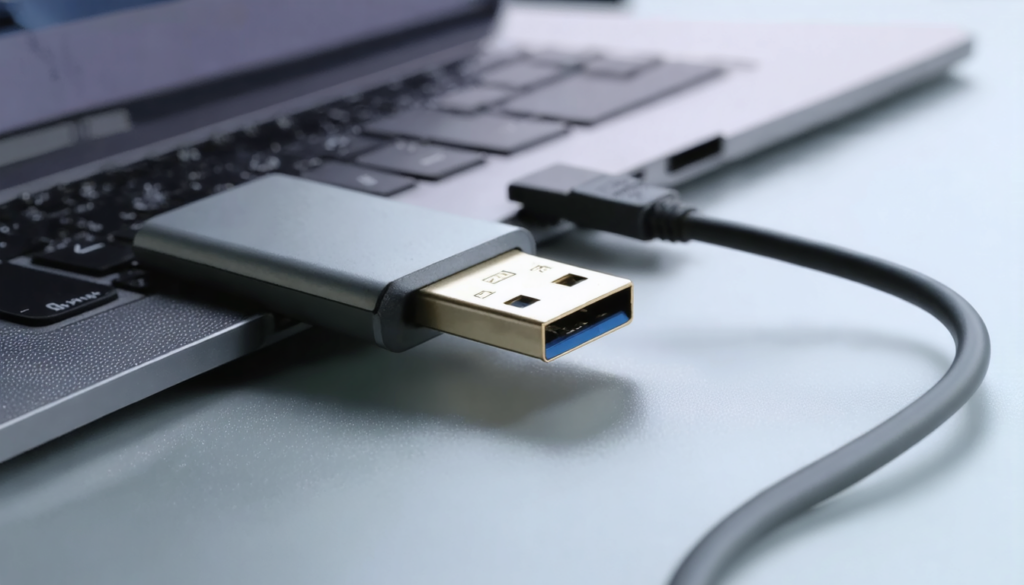
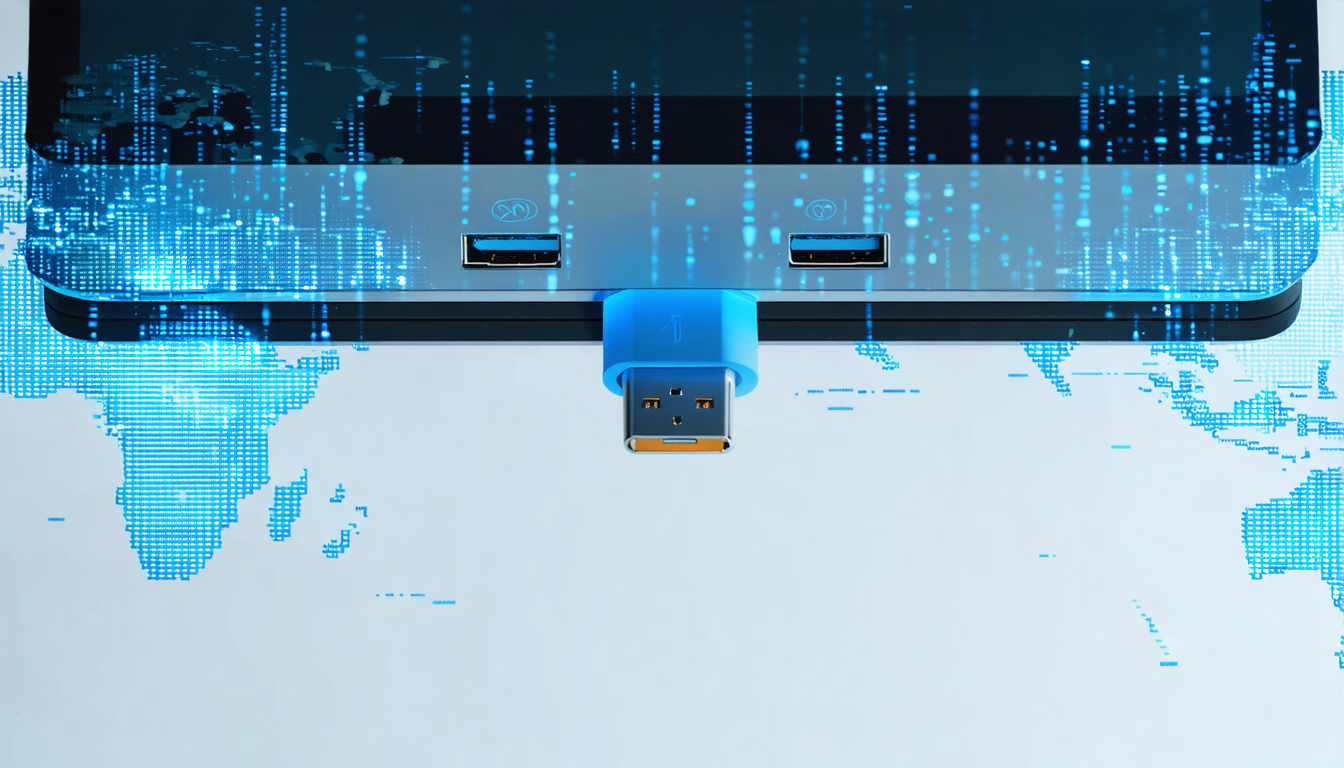
Cybercriminals discreetly implant malicious devices in public USB terminals or cables. These implants target the USB connection, which combines power supply and data transfer, to silently infiltrate devices. By connecting a smartphone, a hacker who has tampered with the terminal can extract personal information such as passwords, photos, credit card numbers, or online account access. In some cases, this infection also leads to phone locking, causing a real usability block.
Attacks are multiplying in very varied settings: airports, hotels, shopping centers, or even public transport. These public spaces attract thousands of travelers every day, representing fertile ground for hackers. The issue goes far beyond a simple technical problem: it is a phenomenon that directly threatens confidentiality and the protection of personal data, a fundamental element of modern digital security.
“Juice jacking”: mechanisms, risks, and impacts on mobile devices
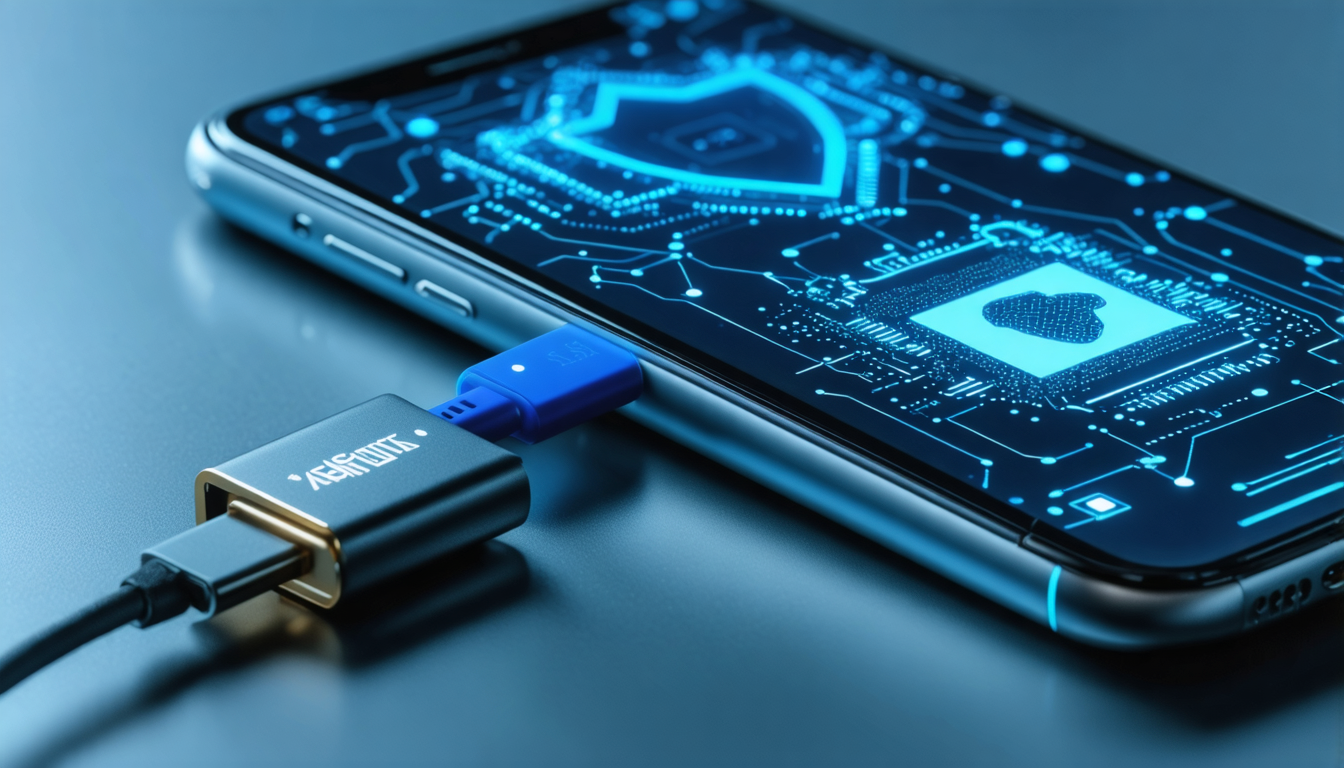
The term “juice jacking” refers to a specific form of hacking targeting public USB ports. This method allows an attacker to inject malware or extract sensitive data as soon as a device is connected. Contrary to popular belief, the danger does not lie in simple electrical charging but in the data transfer capability activated by this type of connection.
The operation unfolds in two essential steps. First, cybercriminals modify or replace legitimate USB ports with high-performance devices capable of capturing data in real time. Then, when a device plugs in, several scenarios may occur: stealthy information extraction, installation of spyware, or total control takeover of the phone. Whether the device runs on Android or iOS, no system is completely safe, which reinforces the severity of the threat.
A striking example is airport seat terminals. Their permanent accessibility makes them vulnerable to these targeted attacks. Hackers can thus silently retrieve sensitive content without the user suspecting any intrusion. The ease with which hackers can compromise devices demonstrates the crucial need for heightened vigilance and better awareness of cybercrime.
Major risks of juice jacking:
- Theft of passwords, bank credentials, and sensitive data
- Installation of spyware or malware without the user’s knowledge
- Complete device blocking or locking
- Violation of privacy and risks of digital surveillance
- Possible malware spread to other connected devices
One example is enough to realize the real impact of this threat: during a 2024 security check at a major international airport, juice jacking devices were discovered on several terminals, suggesting a massive credential theft operation.
FBI recommendations to limit risks in public places
Faced with the rise of attacks related to public USB ports, the FBI, a major authority in American cybersecurity, issued several public alerts to protect travelers. Since April 2023, the Denver office has disseminated clear advice urging all users to avoid direct use of accessible USB terminals.
The FBI notably emphasizes that the threat of juice jacking is no longer a mere alarmist hypothesis, but a tangible reality advancing every year. The agency insists on the need to prioritize the use of a personal external battery or adapters dedicated to charging without data exchange, to ensure a secure charge of one’s devices.
Here are the main recommendations communicated by the FBI:
- Always bring your own charger and USB cable to avoid any contact with compromised public infrastructures.
- Favor traditional electrical outlets, much safer than USB ports integrated into public furniture.
- Use a USB data blocker, an adapter that cuts off the data transfer path to only allow electricity to pass.
- Immediately refuse any request for data transfer authorization during USB charging.
- Disconnect the device if a notification invites authorization for data sharing.
- Prefer a personal external battery to completely avoid public USB stations.
These simple yet powerful measures drastically reduce the attack surface and provide essential peace of mind for connected travelers.
Additional practices for enhanced protection on the go
Beyond precautions related to public USB ports, digital security while traveling requires taking into account other often overlooked attack vectors. Among these, public Wi-Fi in airports and other reception areas deserves constant vigilance. In 2026, data interceptions on these unsecured networks remain a major cause of credential leaks and hacking.
To limit this risk, travelers are advised to primarily use their private mobile data. Despite a temporary extra cost, this method guarantees superior encryption and avoids malicious interceptions. Moreover, the use of VPNs (virtual private networks) also constitutes an additional weapon to protect exchanges and sensitive data.
Here is a list of complementary advice to strengthen digital protection while traveling:
- Avoid unsecured public Wi-Fi, especially in airports and hotels.
- Prefer 4G/5G connections or use a reliable VPN.
- Always update the operating system and the devices’ applications.
- Disable automatic sharing functions when connecting to public networks.
- Do not open suspicious email attachments or links while traveling.
| Situation | Recommendation | Risk avoided |
|---|---|---|
| Smartphone charging at the airport | Use an external battery or a USB data blocker | Juice jacking / Data theft |
| Wi-Fi connection in a public place | Avoid unsecured Wi-Fi / Use a VPN | Data interception / hacking |
| Use of unknown USB chargers | Bring your own charger and cable | Installation of malware |
| Data transfer authorization | Refuse and disconnect immediately | Digital infection / espionage |
Adopting these behaviors not only protects against threats related to public USB ports but also generally reduces exposure to cybercrime during travels.
The evolution of USB threats: towards increased vigilance in 2026
With the rapid transformation of mobile technologies and attack methods, threats are continuously increasing. In 2026, the juice jacking phenomenon is becoming more sophisticated, forcing security experts to expand their protection strategies. Hackers now develop more compact, invisible USB devices capable of bypassing the classic protections present on some phones.
In response, the specialist community is multiplying innovations: smart USB cables, software for detecting suspicious connections, or apps monitoring exchanges between devices and public terminals. But these technical solutions are not enough: prevention also requires increased awareness among travelers about the importance of data protection and adherence to good digital practices.
Thus, several airlines and infrastructure managers have begun to reinforce the security of their charging terminals, integrating data filtering technologies or offering secure alternatives to users. Some major hotel chains have removed these devices deemed too risky, encouraging customers to favor their own charging means.
At the dawn of a decade where mobile devices become essential extensions of digital identity, it is imperative for every traveler to familiarize themselves with these risks. Vigilance regarding public USB ports and applying the FBI’s advice are now essential steps for efficient digital security and an effective fight against cybercrime.