The iOS 16.3 update marks a discreet but decisive turning point in the evolution of iPhones, for an enriched and smoother user experience. Apple, in 2026, deploys this new version with particular attention to compatibility and interoperability, especially regarding competing ecosystems. This strategic change reflects a clear effort to ease the sometimes rigid boundaries between iOS and other platforms, notably Android. This version is not limited to internal technical improvements: it also introduces unprecedented features that will transform the way users interact with their devices and accessories.
Among the major new features is a remarkable simplification of data transfer between iPhone and Android, a long-awaited function that now facilitates effortless migration. Furthermore, iOS 16.3 ensures better support for third-party devices, notably competing smartwatches, complying with European regulations. Not to mention subtle adjustments on the user interface, improvements in iOS performance and security, as well as early signs of a Siri 2.0 that is even smarter and more collaborative. This version thus lays the foundation for a profound transformation of the iPhone, extending far beyond a simple aesthetic update.
- 1 Simplified transfer between iPhone and Android: a major innovation of iOS 16.3
- 2 Enhanced interoperability with third-party accessories on iOS 16.3
- 3 Visual and ergonomic novelties that transform the iOS 16.3 user interface
- 4 Enhanced iOS security: iOS 16.3 innovations to protect your iPhone
- 5 System improvements and optimized iPhone performance
- 6 The discreet preparation for the arrival of Siri 2.0 and artificial intelligence
- 7 iOS 16.3 compatibility: which iPhones can benefit from it?
- 8 How to perform the iOS 16.3 update and optimize your iPhone?
Simplified transfer between iPhone and Android: a major innovation of iOS 16.3
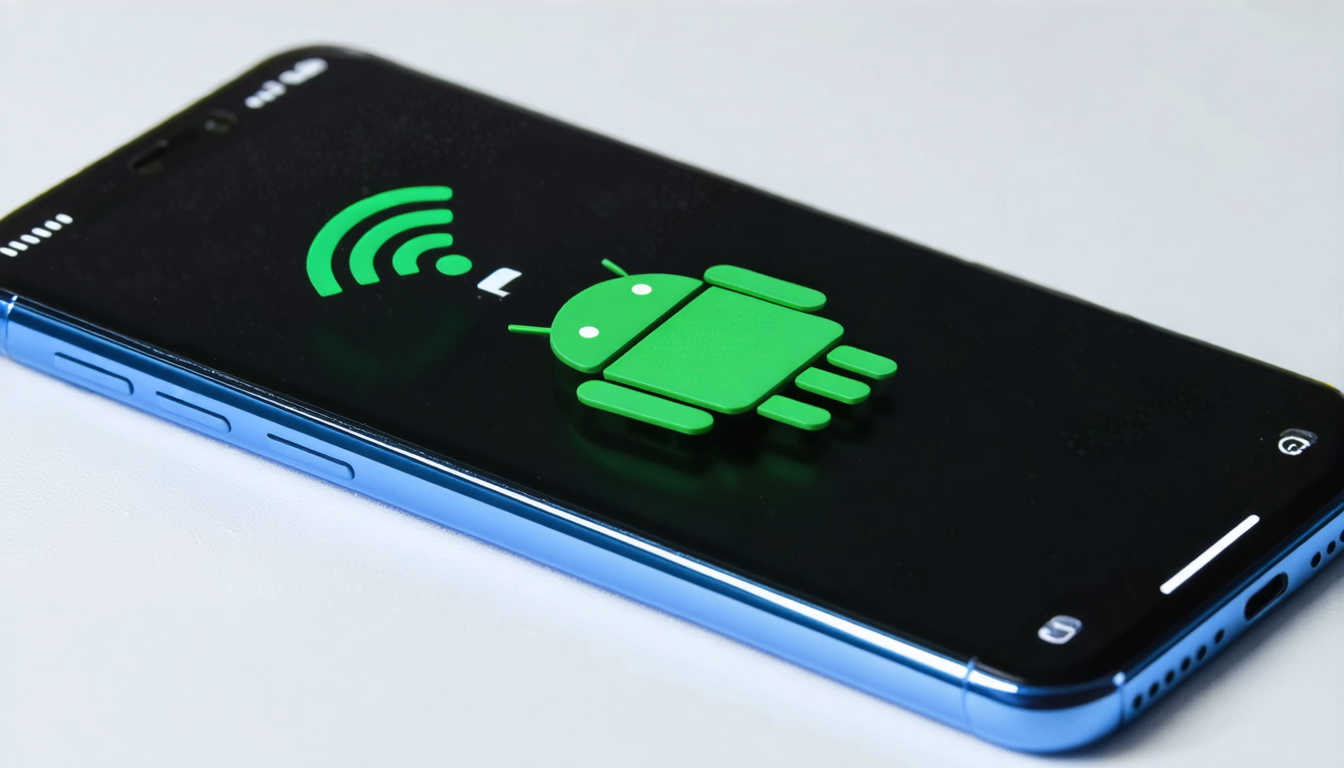
The iOS 16.3 update introduces for the first time a native feature allowing the easy transfer of important data to an Android smartphone. Historically, Apple and Google have always kept their ecosystems well compartmentalized, but this new movement reveals a strategic openness that could favor user flexibility.
To take advantage of this novelty, it is now enough to place the iPhone running iOS 16.3 side by side with the recent target Android smartphone. A simple interface guides the user through the wireless transfer of their photos, messages, notes, and other essential data, greatly easing the transition. This is made possible thanks to a dedicated menu in the General tab, under the reset section. This option is reinforced by improved management of the eSIM, intended to quickly transfer your plan without requiring direct intervention from your carrier.
This change is not just a functional improvement but represents a historic agreement between Apple and Google, aimed at reducing the technical barriers that until now hindered migration between platforms. This advancement opens up new perspectives, notably for users wishing to explore new horizons on Android without losing their previous content.
However, it is important to note that this feature requires the Android device to be up to date and compatible, which may limit its use for older devices. Nevertheless, this new open door could herald a new era where the user regains the freedom to choose their mobile environment without excessive constraints. This pragmatic approach pushes Apple to revise its priorities, for a more inclusive and smoother user experience in managing data between competing systems.
Enhanced interoperability with third-party accessories on iOS 16.3
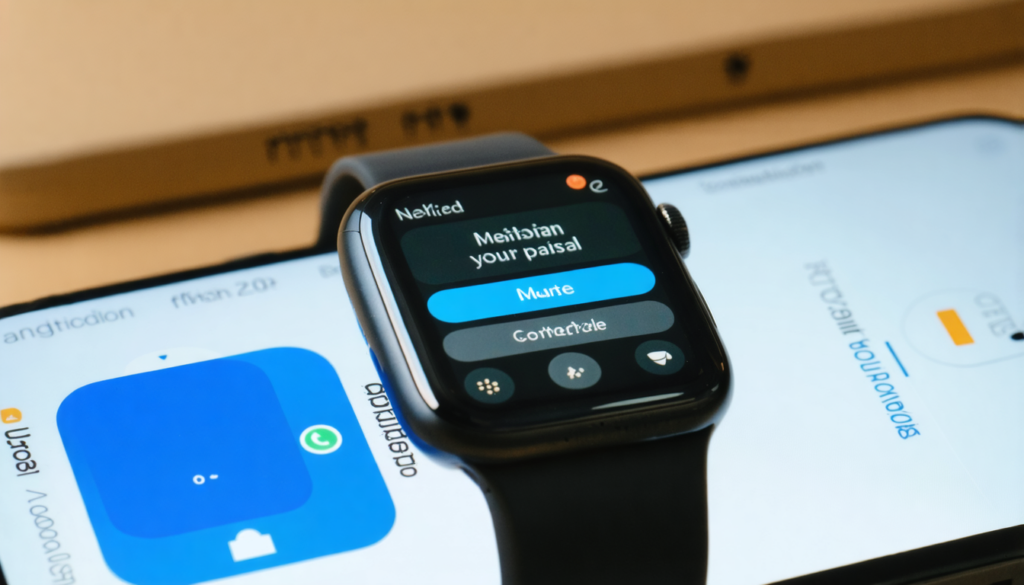
With the rise of regulations, notably the Digital Markets Act in Europe, Apple must now allow its users to fully exploit various connected devices, even competing ones. iOS 16.3 thus integrates a significant advancement: your iPhones can now communicate fully with watches, bracelets, and other accessories from third-party manufacturers like Garmin or Fitbit.
This major improvement breaks with previous limitations that blocked the sending of notifications to these devices, diminishing their appeal to consumers attached to the Apple ecosystem but wishing to keep their favorite accessories. From now on, system alert transmissions are complete, allowing for a coherent experience between iPhone and all types of worn devices.
However, iOS 16.3 imposes a clear constraint for Apple Watch users: it is impossible to simultaneously activate notification transfer to a third-party watch while keeping the Apple Watch updated with those alerts. This strong arbitration forces users to choose between ease of use and multi-device compatibility.
Moreover, the update extends the famous quick pairing window, formerly reserved for AirPods, to all Bluetooth earphone manufacturers. This novelty promotes diversity and freedom of choice for consumers in terms of audio equipment, while simplifying their connection and management under iOS. Thus, the Apple ecosystem opens up further to the plurality of accessories, a sign of a more flexible and less closed system.
These changes respond to a real need for interoperability in an increasingly fragmented digital world, where users often juggle between several devices and platforms. Apple then takes advantage of this regulatory obligation to enrich the flexibility of its system and offer a better user experience on its devices.
Visual and ergonomic novelties that transform the iOS 16.3 user interface
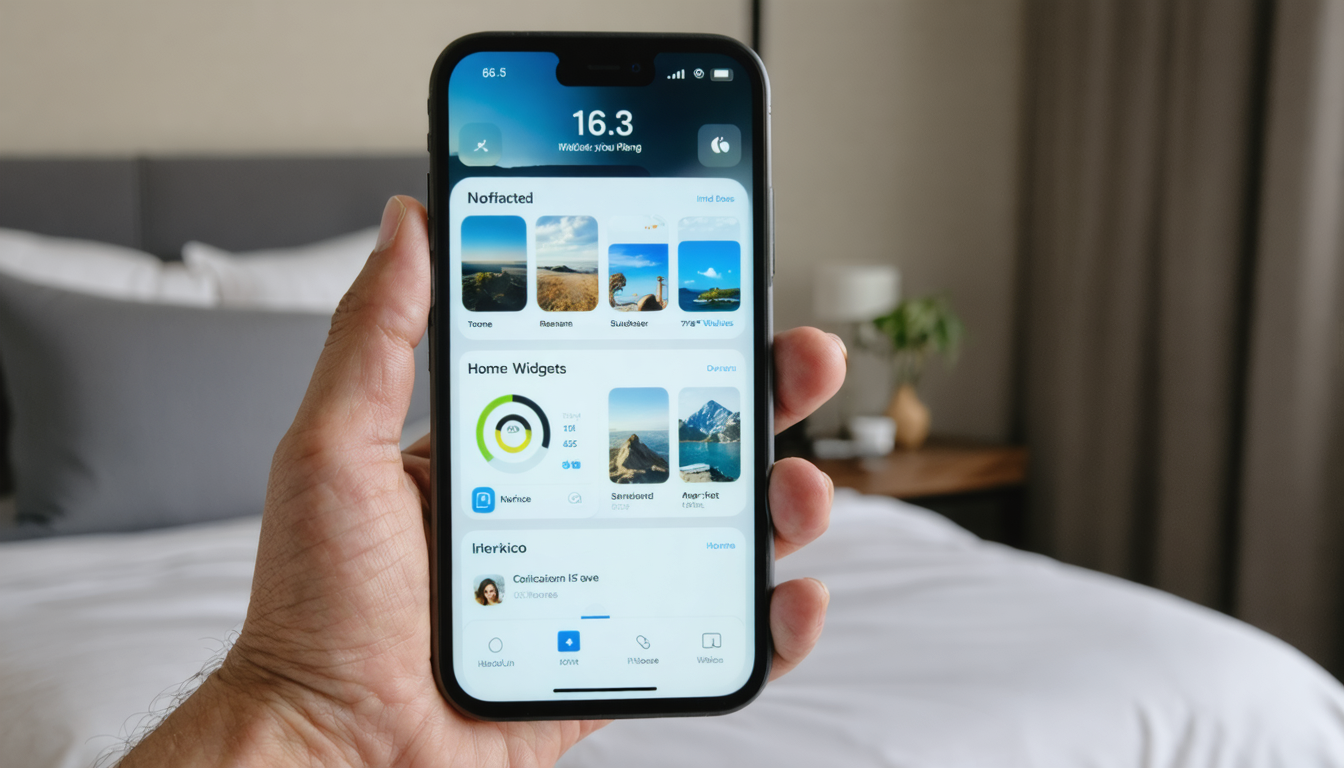
Beyond major functional revolutions, iOS 16.3 introduces several direct improvements noticeable in the user interface, contributing to a smoother and more modern experience. Among these tweaks is the addition of a weather section in dynamic wallpapers. This novelty now offers three preconfigured options, evolving in real time according to weather conditions, thus enriching home screen personalization.
A notable change also occurs within Apple Music, whose interface now integrates the text of algorithmic playlists in a harmonious gradient. This detail brings renewed aesthetics while improving readability and immersion during listening. These adjustments, though minor, affect overall fluidity and visual harmony, essential elements to maintain user engagement in the long term.
Furthermore, the update emphasizes graphic coherence and refined interactions: the navigation feeling is more natural, response times are reduced, and transitions between apps appear more polished. This revision contributes to a noticeable increase in comfort of use, an aspect often underestimated but fundamental during daily experience.
Finally, underlying technical optimizations strengthen device power management. The system now limits processor throttling under certain conditions, allowing increased battery life without sacrificing raw performance. These refinements invisible to the naked eye nevertheless have a direct impact on user satisfaction and the longevity of their iPhone.
Enhanced iOS security: iOS 16.3 innovations to protect your iPhone
It is natural that with each new update, Apple places great importance on improving iOS security, thus guaranteeing data protection and user safety. Version 16.3 is no exception, offering notable advances in this area, while laying the foundations for a more responsive security update system.
At the heart of these improvements, Apple has revised the compilation of more than 150 critical system components, including the WebKit engine which underpins the Safari browser and other applications requiring HTML rendering. These code-level optimizations ensure better resistance against potential vulnerabilities, thus reinforcing the overall robustness of the system against attacks.
A new process is also being tested: it consists of offering independent security updates, deployed autonomously, without the need to wait for a more complete system update. This approach is part of Apple’s strategy to reduce the delay between the discovery of a vulnerability and the correction deployed on all compatible iPhones. This process will significantly improve responsiveness against emerging threats throughout the year.
With the explosion of online interactions and the multiplicity of uses, iOS security becomes a crucial issue for user trust. The interest of iOS 16.3 lies in this subtle balance between visible innovations and invisible fixes, which together contribute to the sustainability of the Apple platform in a highly competitive market.
System improvements and optimized iPhone performance
Alongside functional evolutions, iOS 16.3 focuses on iPhone stability and performance, aspects that experienced users especially appreciate daily. The update thoroughly cleans the source code, resulting in better fluency in task execution and more efficient management of phone resources.
One of the most notable points concerns energy optimization. Developers have improved throttling management, the mechanism that limits processor power to avoid overheating. Thanks to finer algorithms, the iPhone can now maintain high performance over a prolonged period without excessively sacrificing autonomy. This intelligent balance between power and endurance makes a real difference during intensive uses such as gaming or video editing directly on mobile.
Additionally, the cellular modem benefits from an update aimed at stabilizing and speeding transitions between different types of networks (4G, 5G, Wi-Fi). This means fewer interruptions and a more reliable continuous connection, especially in areas with fluctuating coverage. This point has become major for professionals and mobile users, always seeking optimal connectivity.
All these improvements make the iPhone experience more responsive and enjoyable, even on older models like the iPhone 11. Apple thus confirms its commitment to support phone generations beyond the first months following their release, an argument often decisive in consumer choice.
The discreet preparation for the arrival of Siri 2.0 and artificial intelligence
While the 16.3 edition focuses mainly on pragmatic and technical novelties, it also serves as a foundation for a future that iPhone users have been eagerly awaiting: the integration of Siri 2.0, an intelligent assistant powered by generative artificial intelligence.
Based on an unprecedented collaboration with Google and its Gemini models, the future Siri will bring a qualitative leap in understanding and managing complex requests. The AI promises to automatically explore your emails, notes, messages, and other content to provide precise and contextual responses. This capability goes far beyond current functions limited to basic commands or simple tasks.
To ensure a smooth transition, Apple has already begun deploying invisible elements integrated into the system in iOS 16.3, which will facilitate the rapid adoption of Siri 2.0 in the next major 16.4 update. This preliminary work appears notably through adjustments in resource management and AI security, as well as the opening of certain internal application interfaces.
The first beta version of generative AI Siri is scheduled for the end of February, and rumors abound regarding its revolutionary capabilities. This future assistant could soon radically transform interaction with your iPhone, shifting from a simple tool to a truly intelligent daily partner.
iOS 16.3 compatibility: which iPhones can benefit from it?
Apple’s strategy with iOS 16.3 focuses on broad compatibility with recent iPhone generations, but still limited to fairly modern models. Concerned are all iPhones marketed from 2019 onwards, namely the following ranges:
- iPhone 11, 12, 13, 14, 15, and 16
- iPhone 17 and the new iPhone Air
- iPhone SE 2nd and 3rd generation
This list reflects a willingness to balance innovation and accessibility, while leaving behind older models that would struggle to support new features. The iPhone XR, XS, and XS Max are thus excluded, remaining limited to iOS 18, a much earlier version.
| iPhone Model | iOS 16.3 Compatibility | Specific Notes |
|---|---|---|
| iPhone 11 | Yes | Full support with performance optimization |
| iPhone 12 to 16 | Yes | Features fully enabled |
| iPhone 17 & iPhone Air (new) | Yes | Native support and chip-specific improvements |
| iPhone SE (2nd & 3rd generation) | Yes | Compatibility despite older processor |
| iPhone XR, XS, XS Max | No | Limited to iOS 18, no official support for 16.3 |
How to perform the iOS 16.3 update and optimize your iPhone?
To install iOS 16.3, the process remains intuitive and accessible from the settings, but it is essential to follow some good practices to ensure a smooth transition. Start by checking your device’s compatibility according to the provided list. Then, ensure your model is sufficiently charged, ideally above 50% battery or plugged in during the operation.
It is strongly recommended to perform a complete backup of your data via iCloud or a computer, to prevent any risk of loss in case the process is interrupted. Once these prerequisites are met, go to the Settings app, then to “General” and “Software Update.” Let the iPhone detect the new 16.3 version, then start the download and installation.
Once the update is applied, you can fully enjoy the new features, and it is recommended to restart your phone so that all system optimizations are properly activated. Also, remember to check the configuration of your connected peripherals to benefit from the new interoperability options.